
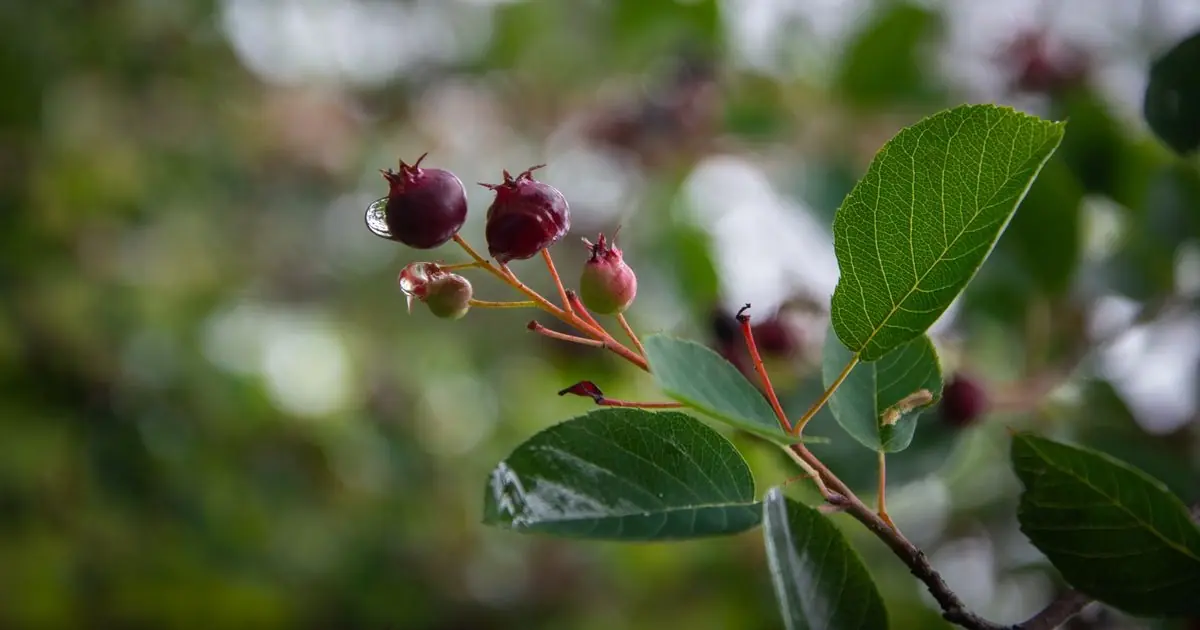
Serviceberries are small, dark fruits that look a little like blueberries but have a flavor of their own. They grow on trees and shrubs belonging to the Amelanchier genus and are also known as juneberries, shadbush berries, or Saskatoon berries, depending on the species and region.
What does serviceberry taste like? Ripe serviceberries are often sweet, with a flavor that may remind you of blueberries, cherries, or even almonds. But their taste is distinctive, and not everyone enjoys it. Some people love their unusual flavor, while others find it less appealing. The best way to find out which side you are on is to try them yourself.
Serviceberries can be eaten fresh, frozen for later use, dried for fruit teas, or blended into smoothies. Below, we look at their taste, how to recognize the fruit, whether it is edible, and what makes these berries worth trying.
What Does Serviceberry Taste Like?
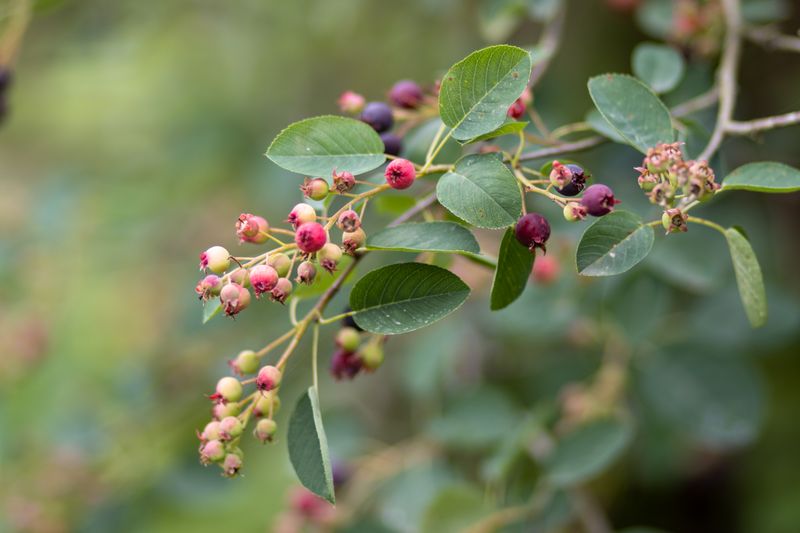
The taste of serviceberry is often compared to that of a blueberry, but the two fruits are not identical. A ripe serviceberry can be sweet and juicy, with subtle fruity notes that some people describe as similar to cherries or almonds. Depending on the species and growing conditions, the flavor can also be mild, slightly tart, or somewhat earthy.
One detail that makes serviceberries interesting is their texture. The small seeds are noticeable when you eat the fruit, and some people find the texture slightly grainy. The seeds can also contribute a subtle almond-like note.
Why Some People Love Serviceberries and Others Don’t
Serviceberries are not necessarily a fruit that everyone will enjoy at first bite. Their flavor can be unusual, especially if you expect them to taste exactly like cultivated blueberries.
Some people appreciate their sweetness and distinctive, slightly nutty character. Others prefer the more familiar flavor and texture of blueberries. The experience also depends on the fruit itself: a fully ripe, flavorful Saskatoon berry may taste different from the fruit of another Amelanchier species.
This is one reason it is difficult to describe the taste of every serviceberry with a single comparison. The name covers several species, and their fruit does not always taste the same.
My advice is simple: try a few ripe serviceberries before deciding whether you like them. If you enjoy discovering less common fruits, their unusual flavor is part of the appeal.
Does Serviceberry Taste Like Blueberry?
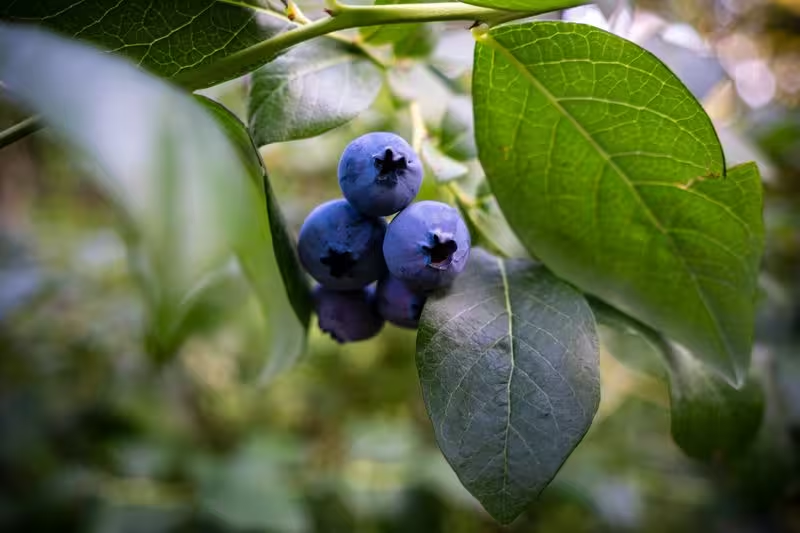
Serviceberries and blueberries share a similar appearance when ripe, but their flavor and texture can differ.
| Feature | Serviceberry | Blueberry |
|---|---|---|
| Taste | Sweet, sometimes with distinctive fruity or almond-like notes | Usually mild and sweet, sometimes tart |
| Texture | Soft flesh with small, noticeable seeds | Juicy flesh with small seeds |
| Flavor consistency | Varies considerably between species and varieties | Also varies, but cultivated varieties are widely available |
| Best uses | Fresh eating, baking, jams, drying, and smoothies | Fresh eating, baking, jams, and smoothies |
Serviceberries can sometimes taste sweeter than blueberries, but this is not true of every species or batch of fruit. Ripeness and variety make a difference.
If you enjoy comparing different berries, see our upcoming article on Serviceberry vs. Blueberry: Taste, Nutrition, and Differences.
What Does a Serviceberry Fruit Look Like?
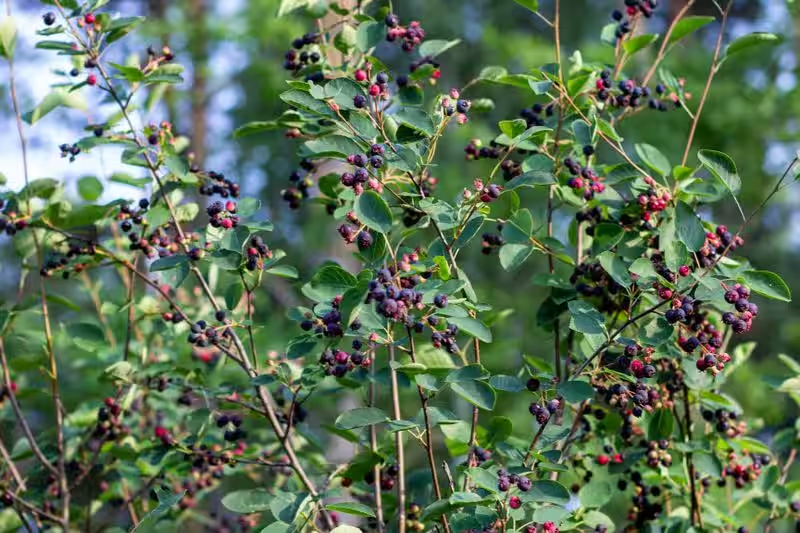
Serviceberry fruits are small and round, generally resembling blueberries. They grow on trees or shrubs and change color as they mature.
Young fruits are green. As they ripen, they may turn reddish before becoming dark purple, blue-purple, or almost black. Fully ripe fruits are generally softer and sweeter than unripe ones.
Although they are commonly called berries, serviceberry fruits are botanically classified as pomes. They belong to the rose family, the same plant family that includes apples and pears.
The fruits are usually small, often around a quarter to half an inch in diameter, although their size varies by species and cultivar.
How to Identify Serviceberry: Can You Confuse It With Other Berries?
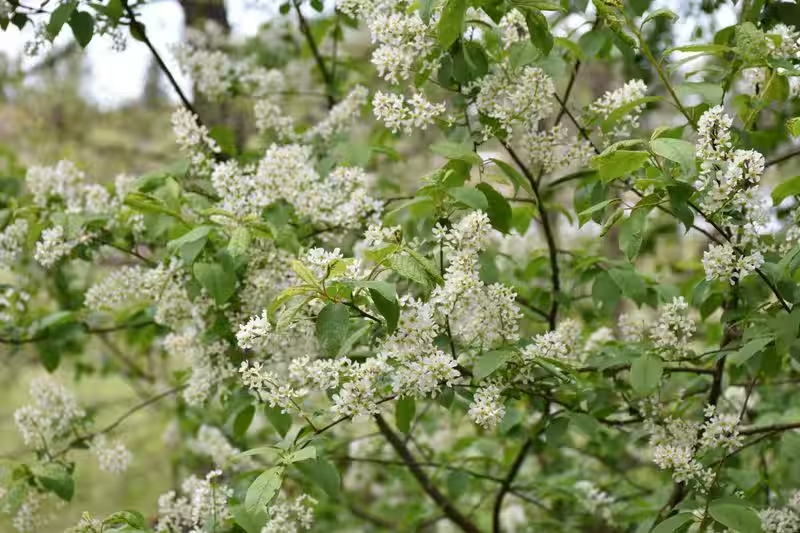
Serviceberries can be recognized by a combination of features rather than by the fruit color alone.
Look for these characteristics:
- Fruit: Small, round fruits that change from green to red and then to dark purple or blue-purple as they ripen.
- Flowers: Clusters of delicate white flowers, usually with five petals, appearing in spring.
- Leaves: Simple, oval-shaped leaves with finely toothed edges.
- Growth habit: A deciduous shrub or small tree, depending on the species.
These features can help you recognize a serviceberry, but they are not enough to identify every species with certainty.
Can Serviceberries Be Confused With Other Fruits?
Yes. The dark, rounded fruits can resemble blueberries and other wild berries. The appearance of the fruit alone is not a reliable way to identify a plant.
Serviceberries can also be confused with other small trees and shrubs when they are not flowering or bearing fruit. Some related-looking plants have different characteristics, and not every dark berry found in the wild is edible.
If you are identifying a wild plant, examine the leaves, flowers, growth habit, and fruit together. Use a reliable field guide or ask a knowledgeable local expert if you are unsure.
Never eat wild berries unless you are certain of the plant’s identity. A photograph or a superficial resemblance to a blueberry is not enough to establish that an unknown fruit is safe to eat.
For a more detailed botanical description, see Penn State Extension’s guide to serviceberry.
Are Serviceberries Edible?
Yes. The ripe fruits of many Amelanchier species are edible and have a long history of use as food. They can be eaten straight from the plant when correctly identified and fully ripe, or used in a variety of recipes.
The flavor varies between species. For example, Saskatoon berry (Amelanchier alnifolia) is widely cultivated for its fruit, while some ornamental serviceberry species are grown mainly for their flowers and appearance and may produce less flavorful fruit.
Before eating serviceberries:
- Make sure the plant has been identified correctly.
- Choose ripe, healthy fruits.
- Wash the berries before eating.
- Avoid damaged, moldy, or unripe fruit.
If you have access to a serviceberry tree in a garden or orchard and know which species it is, the ripe fruit can be a pleasant seasonal treat.
Serviceberry Nutrition: What Do These Berries Contain?
Serviceberries contain naturally occurring sugars, fiber, minerals, and various plant compounds. Their composition depends on the species, cultivar, growing conditions, ripeness, and storage.
Saskatoon berries, in particular, have been studied for their anthocyanins and other polyphenols. Anthocyanins are pigments that give many dark-colored fruits their characteristic red, purple, and blue hues.
However, nutritional data from one Amelanchier species should not automatically be applied to every serviceberry. Exact values for calories, vitamins, minerals, and anthocyanins vary between studies and varieties.
For a more detailed breakdown, see our article on Serviceberry Nutrition: Calories, Vitamins, Minerals, and Antioxidants.
How to Eat Serviceberries
One of the best things about serviceberries is that they can be enjoyed in several different ways. If you have more fruit than you can eat fresh, freezing or drying it can help you save some for later.
1. Eat Them Fresh
Fully ripe serviceberries can be eaten raw after washing. Try a small handful first to see whether you enjoy their distinctive flavor.
They can also be added to breakfast bowls, plain yogurt, oatmeal, or fruit salads. Their taste pairs well with other berries and mildly sweet ingredients.
2. Freeze Serviceberries for Smoothies
Freezing is one of the easiest ways to preserve serviceberries for later use. Wash the fruit, remove damaged berries, let the surface dry, and freeze the berries in a single layer before transferring them to a suitable container or freezer bag.
Frozen serviceberries work well in smoothies. Blend them straight from the freezer with yogurt, milk or a plant-based drink, and other fruit. You can also add them to oatmeal or use them in sauces and baking.
For smoothies and everyday use, I would generally choose unsweetened frozen serviceberries over dried ones. Frozen berries retain their water content and are closer to fresh fruit, while drying removes water and concentrates sugars and other components per 100 grams. Freezing can preserve much of a fruit’s nutritional value, although storage and handling affect some nutrients.
This does not mean dried serviceberries are unhealthy. Drying can preserve fiber and minerals, and dried fruit is convenient to carry and store. The nutritional differences depend on the drying method, storage conditions, and whether sugar or other ingredients have been added.
3. Dry Serviceberries for Fruit Tea
Serviceberries can also be dried and used in homemade fruit tea blends. Their flavor can complement other dried fruits, such as apples, rose hips, or berries.
Use fruit that is clean and in good condition, and dry it using a suitable food dehydrator or another food-safe method. The berries should be dried thoroughly and stored in an airtight container in a cool, dry place.
Dried serviceberries are convenient, but their flavor and nutrient content will not be identical to those of fresh or frozen fruit. Drying can also reduce some heat-sensitive compounds, depending on the temperature and duration of the process.
If you enjoy making your own fruit teas, dried serviceberries can be an interesting ingredient to experiment with.
4. Add Them to Baking and Homemade Sauces
Serviceberries can be used in muffins, pies, pancakes, jams, and fruit sauces. Their flavor works well with other fruits, especially when you want to create a mixture rather than use serviceberries on their own.
If you find their taste too unusual when eaten fresh, combining them with blueberries, apples, or other fruit may make them more enjoyable.
Readers Also Enjoyed
Frequently Asked Questions
What does serviceberry taste like?
Ripe serviceberries are often sweet, with a flavor that may remind you of blueberries, cherries, or almonds. Their taste varies between species and varieties, and some people enjoy their distinctive flavor more than others.
Can you eat serviceberries raw?
Yes. The ripe fruits of many Amelanchier species can be eaten raw after washing. Make sure the plant has been identified correctly before eating any wild fruit.
Are serviceberries the same as blueberries?
No. Serviceberries belong to the genus Amelanchier, while blueberries belong to the genus Vaccinium. Their fruits can look similar, but their flavor, texture, and nutritional composition differ.
Can you freeze serviceberries?
Yes. Freezing is a practical way to preserve serviceberries for smoothies, baking, and other recipes. Frozen berries retain much of their nutritional value when properly handled and stored.
Are serviceberries good for fruit tea?
Dried serviceberries can be added to homemade fruit tea blends. They can be combined with dried apples, rose hips, or other berries to create a fruit-based infusion.
Are serviceberries and Saskatoon berries the same?
Saskatoon berry is the common name most closely associated with Amelanchier alnifolia, one species within the broader serviceberry group. The terms are related, but not every serviceberry is a Saskatoon berry.
Sources
- Penn State Extension. Serviceberry in the Garden and in the Kitchen.
https://extension.psu.edu/serviceberry-in-the-garden-and-in-the-kitchen - University of Minnesota Extension. Serviceberry.
https://extension.umn.edu/garden-and-home/yard-and-garden/lawns-and-landscapes-in-minnesota/trees-and-shrubs/serviceberry - University of Missouri Extension. Amelanchier: The Little Tree with Many Names.
https://ipm.missouri.edu/meg/2019/4/Amelanchier/index.cfm - University of Kentucky Cooperative Extension Service. Juneberries.
https://ccd.uky.edu/sites/default/files/2024-11/ccd-cp-011_juneberries.pdf