
Foods: Nutritional Value and Health Benefits of Whole Foods
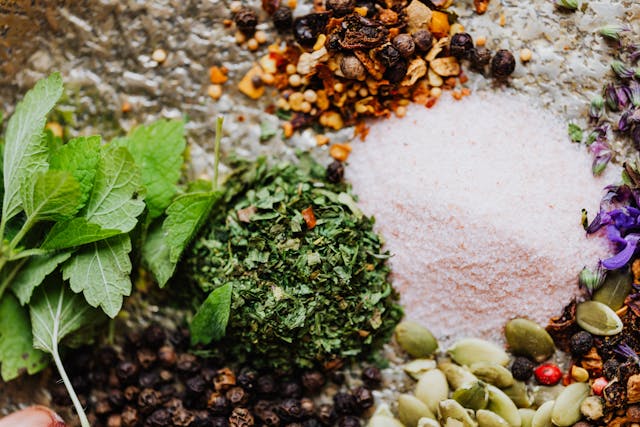
Food is the foundation of human nutrition. Every day we consume a wide variety of foods that provide essential nutrients such as vitamins, minerals, fiber, protein, and beneficial plant compounds. Understanding the nutritional value of different foods can help people make more informed dietary choices and build balanced eating habits.
On this page, you will find articles that explore the nutritional profiles, bioactive compounds, and potential health benefits of many natural foods. Our goal is to explain how everyday ingredients contribute to overall nutrition when they are part of a varied and balanced diet.
Foods contain much more than basic nutrients. Many plant-based foods are rich in antioxidants, polyphenols, and other phytochemicals that scientists continue to study for their potential role in supporting health. Fruits, vegetables, herbs, spices, grains, and legumes all provide unique combinations of these compounds.
For example, herbs and spices such as garlic, ginger, or turmeric are valued not only for their flavor but also for their concentration of plant compounds. Fruits and berries may provide vitamins and antioxidants, while nuts, seeds, and whole grains contribute fiber, minerals, and healthy fats.
In the sections below, you can explore different food categories and learn more about the nutrients they contain. Each article provides a clear overview of a specific food, including its nutritional value, key compounds, and ways it can be included in a healthy diet.
Use the categories below to discover how different foods contribute to a diverse and nutrient-rich diet.
Explore Foods:
Fruits
Discover fruits rich in vitamins, antioxidants, and plant compounds.
(coming soon)

Protein sources
Discover protein sources and learn which types best suit your needs.
(coming soon)
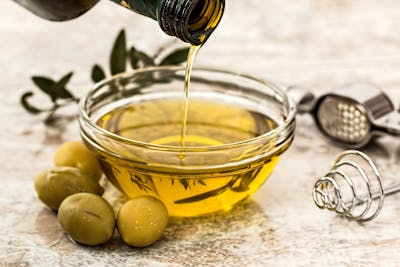
Fats & oils
Explore different types of fats in your diet and learn which ones are beneficial for your health.
(coming soon)
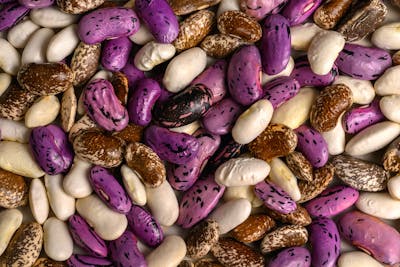
Grains & Legumes
Explore a variety of grains and legumes, learn which ones are healthier choices, and discover which to limit when consumed in excess.
(coming soon)
Latest Articles
-
Lemon Balm vs Lemongrass: What’s the Difference and Which Should You Choose?
Lemon balm and lemongrass are not the same plant. Although both have a fresh citrus aroma and are popular in herbal teas and natural wellness, they differ in appearance, botanical family, flavor, active compounds,…
-
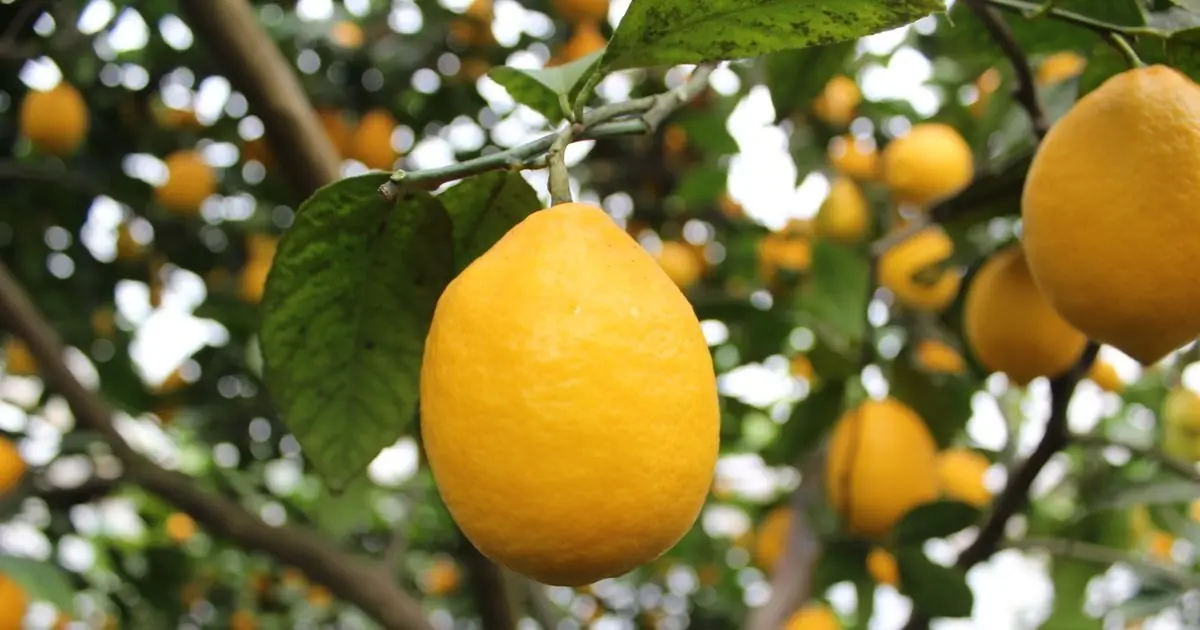
Is Lemon Balm Related to Lemons? Why It Smells Like Lemon but Isn’t Citrus
No, lemon balm is not related to lemons. Despite its name and refreshing citrus scent, lemon balm (Melissa officinalis) is a member of the mint family (Lamiaceae), while lemons belong to the citrus family…
-

When to Harvest Lemon Balm: Best Time to Pick It for Maximum Flavor and Aroma
The best time to harvest lemon balm is just before it begins to flower, preferably in the morning after the dew has dried. At this stage, the leaves are usually at their most aromatic…
-
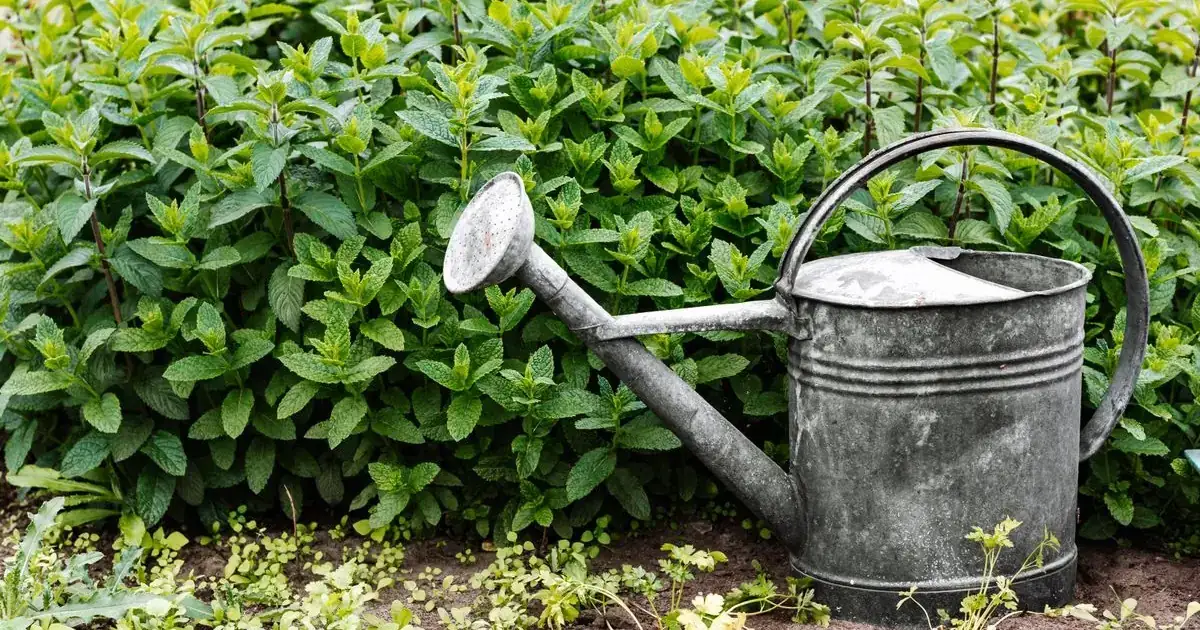
How to Grow Lemon Balm: From Seed to Harvest (Indoors, Pots, and Garden)
Growing lemon balm (Melissa officinalis) is one of the easiest ways to enjoy fresh, fragrant herbs at home. It grows well in pots, raised beds, and garden borders, tolerates cold winters in many climates,…
-

Lemon Balm and Valerian for Sleep and Anxiety: Benefits, Dosage, and Side Effects
Lemon balm and valerian may help improve sleep and reduce feelings of stress or anxiety, especially when used together before bedtime. Lemon balm is best known for its calming effects and ability to help…
-
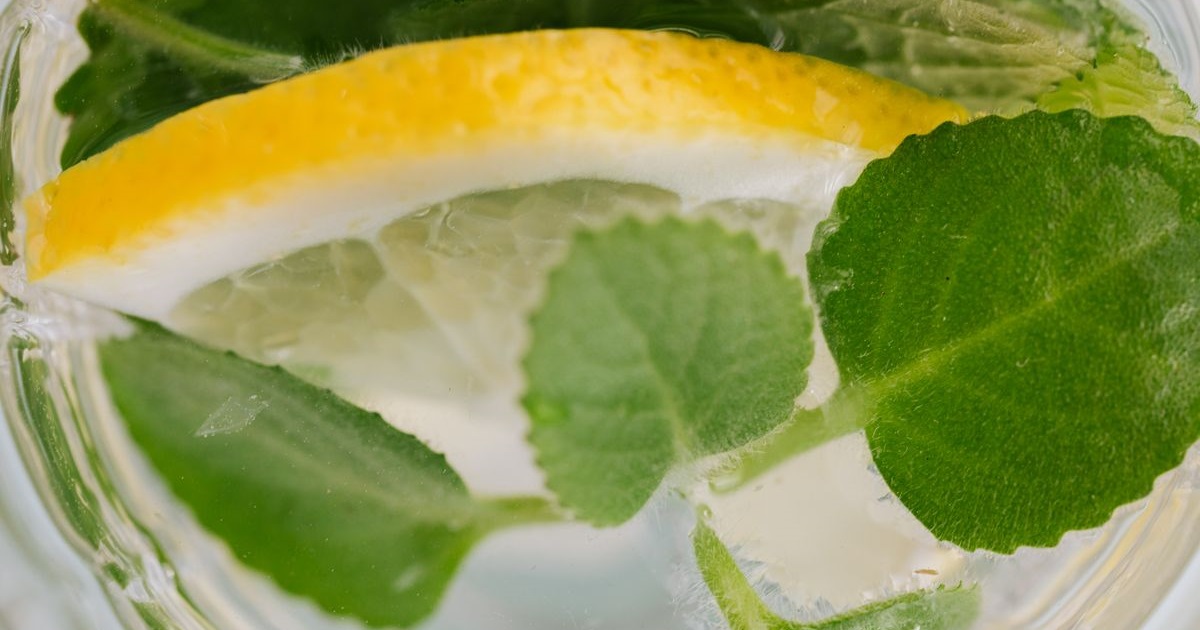
What Does Lemon Balm Taste Like? Flavor, Aroma, and How to Use It in Cooking
Lemon balm has a fresh, light lemon flavor with subtle minty and slightly sweet notes. Unlike lemon juice, it is not sour, and unlike mint, it is much milder. Fresh lemon balm has the…
-
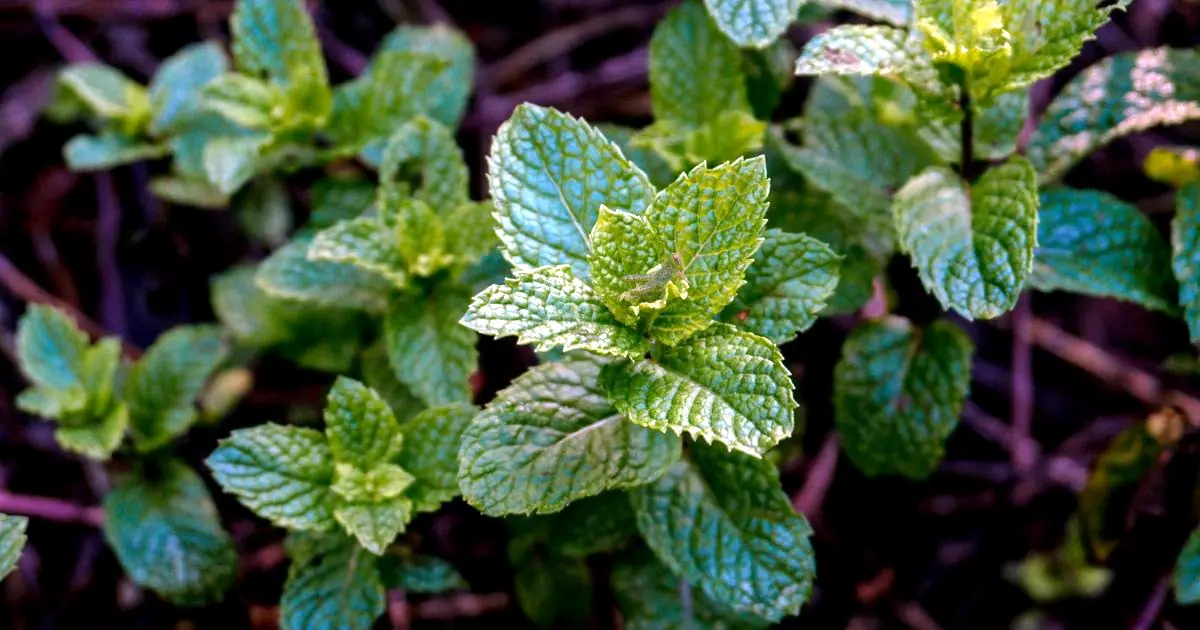
Lemon Balm Side Effects: Who Should Avoid It and What to Know Before Using It
Lemon balm is generally considered safe for most healthy adults when consumed in moderate amounts as tea or food, but it can cause side effects in some people and may not be appropriate for…
-
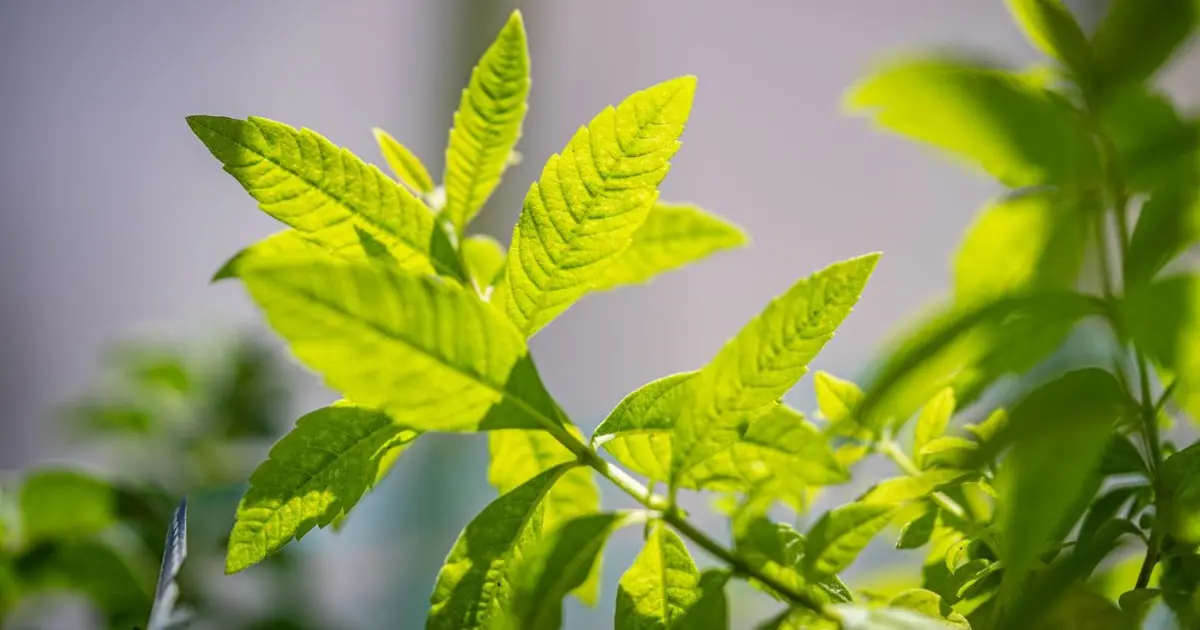
Lemon Balm vs Lemon Verbena for Sleep: Differences, Benefits and Taste
If your main goal is better sleep and relaxation, lemon balm is generally the stronger choice. Lemon balm (Melissa officinalis) has been studied more extensively for its calming effects and is traditionally used to…
-
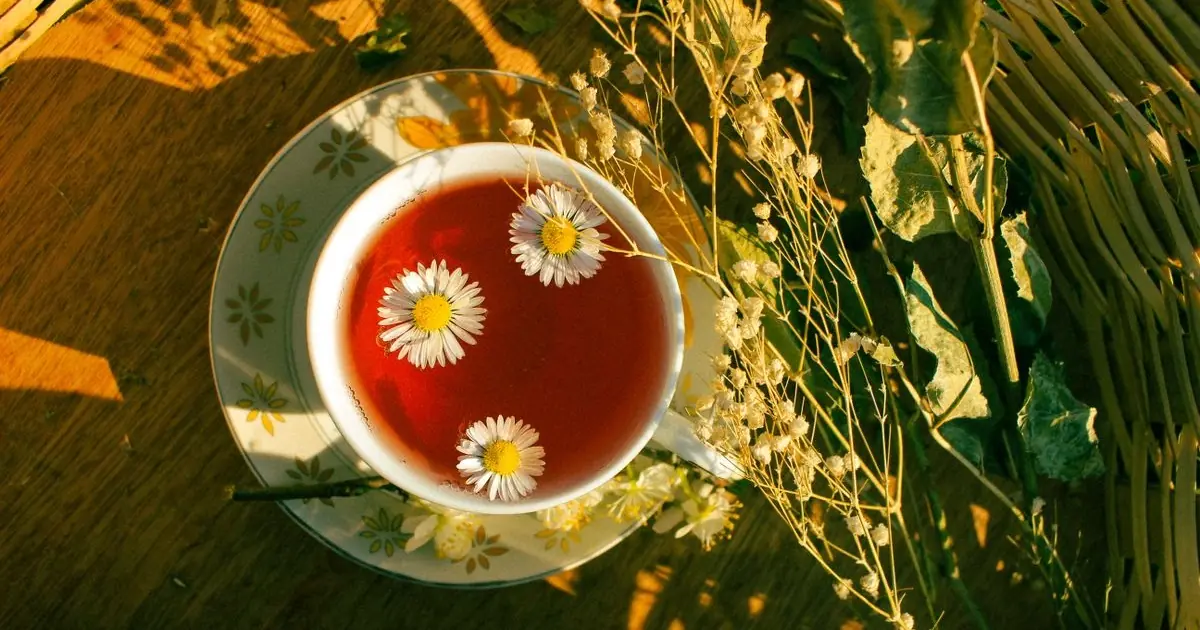
Lemon Balm and Chamomile for Sleep: Can This Herbal Tea Help You Relax Before Bed?
Yes, lemon balm and chamomile tea may help many people relax before bed. Both herbs have a long history of traditional use for calming the mind, supporting relaxation, and promoting healthy sleep habits. While…
-
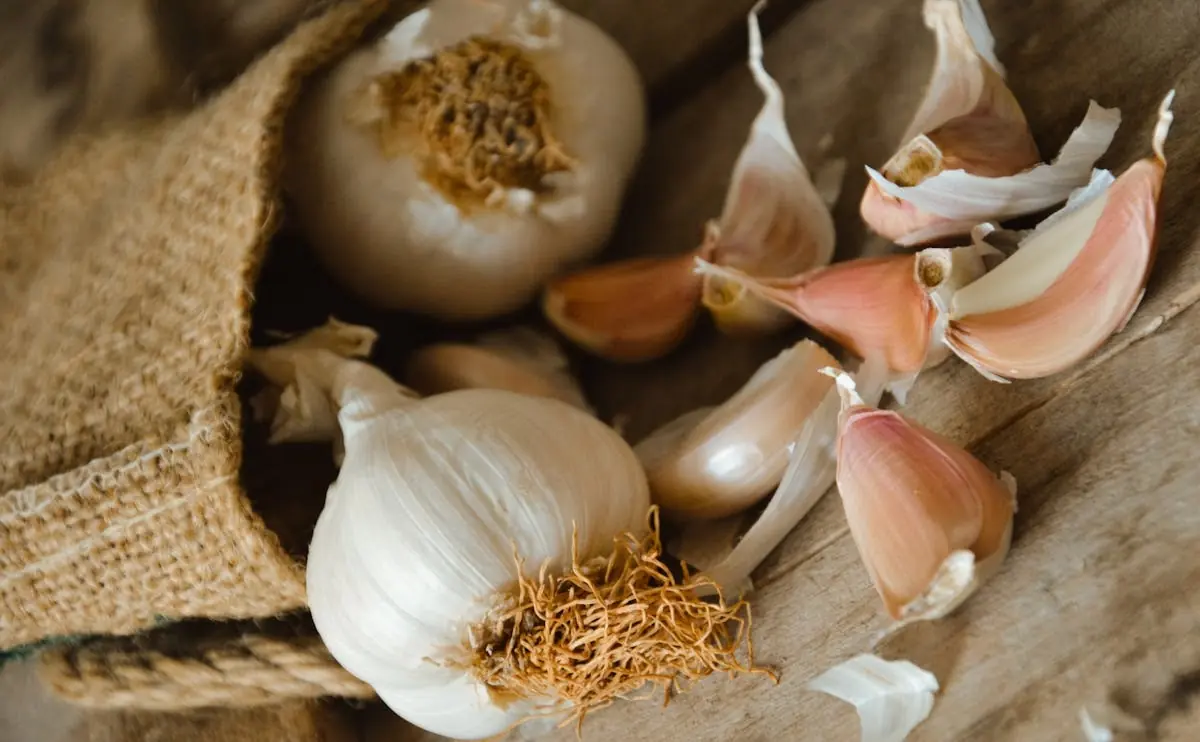
Garlic: Nutrition, Health Benefits and Bioactive Compounds
Garlic (Allium sativum) is one of the most widely used culinary ingredients in the world. Beyond its distinctive flavor, garlic is valued for its nutritional profile and its unique bioactive compounds. For centuries, it…