The best way to store garlic depends on whether you have whole bulbs, individual cloves, or garlic that has already been peeled, chopped, or cooked. Whole garlic bulbs last longest in a cool, dry, dark place with good air circulation. Peeled and chopped garlic should be refrigerated and used promptly, while freezing is a practical option for longer storage.
Garlic does not need to be refrigerated in its whole, unbroken form. In fact, too much moisture and poor airflow can encourage mold and spoilage. Choosing the right storage method helps preserve its flavor, texture, and quality while reducing food waste.
For a complete overview of garlic’s nutritional value, active compounds, and potential health benefits, see our guide to Garlic: Nutrition, Health Benefits and Bioactive Compounds
How to Store Whole Garlic Bulbs
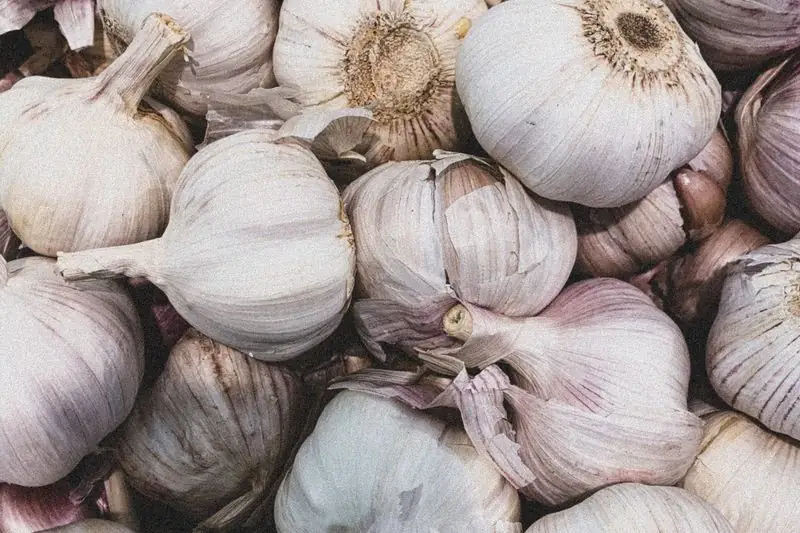
The best way to store whole garlic is in a cool, dry, dark, and well-ventilated place. A pantry, cupboard away from the oven, or ventilated storage basket can work well.
Keep the bulbs intact until you need them. The papery outer layers help protect the cloves from moisture loss and damage.
Follow these simple tips:
- Store garlic in a mesh bag, wire basket, or container with ventilation holes.
- Keep it away from direct sunlight and sources of heat.
- Avoid sealed plastic bags that trap moisture.
- Do not wash garlic before storing it.
- Check the bulbs occasionally and remove any that show signs of mold or decay.
Under suitable conditions, whole garlic bulbs may keep for several weeks or longer. Storage life varies with the variety, freshness, curing, temperature, and humidity.
Can You Store Garlic in the Refrigerator?
For intact, dry garlic bulbs, the refrigerator is usually not the best choice. The cold, humid environment can encourage unwanted moisture, and garlic may sprout after being taken out and exposed to warmer conditions.
A cool pantry with good airflow is generally a better option for everyday storage.
There is an important distinction between whole bulbs and prepared garlic. Once garlic has been peeled, chopped, or mixed with other ingredients, refrigeration becomes much more important.
How to Store Garlic Cloves
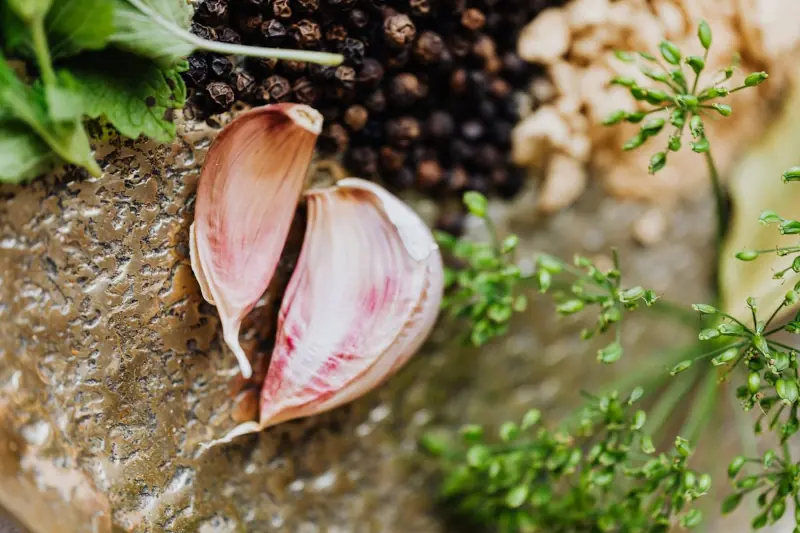
How you store garlic cloves depends on whether they still have their papery skin.
How to Store Unpeeled Garlic Cloves
If you have separated a bulb but have not peeled the individual cloves, keep them in a dry, well-ventilated place.
Use them within a few days when possible, because separated cloves generally do not keep as well as intact bulbs. Discard cloves that become soft, moldy, or visibly damaged.
For longer storage, you can freeze unpeeled cloves in a freezer-safe bag or container.
How to Store Peeled Garlic Cloves
Peeled garlic has less natural protection against moisture loss and contamination. Place the cloves in a clean, covered container and refrigerate them at 40°F (4°C) or below.
For the best quality, use them within a few days. Some extension guidance allows up to about a week for refrigerated peeled cloves, but their condition and handling matter.
Do not leave peeled garlic sitting at room temperature for extended periods.
If you have peeled more cloves than you need, freezing them is a convenient alternative to keeping them in the refrigerator for too long.
How to Store Garlic for a Long Time
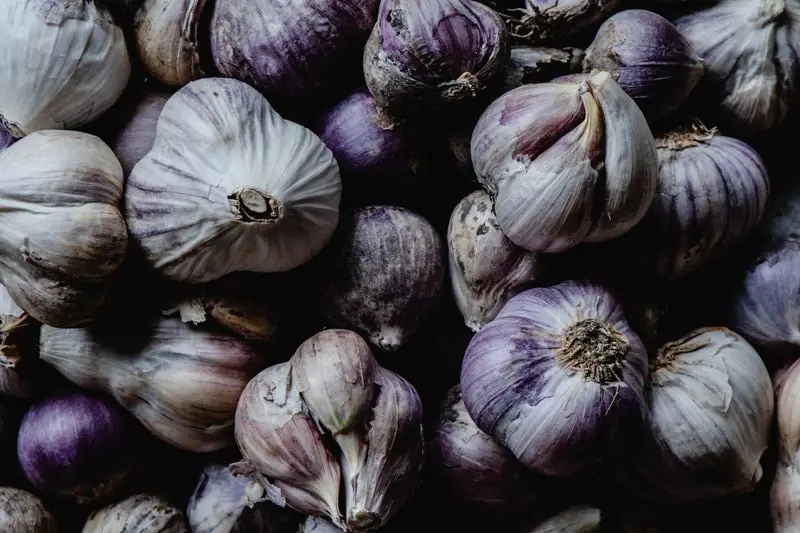
If you want to keep garlic for several months, freezing is one of the easiest household methods. It works well when you have bought garlic in bulk or harvested more than you can use immediately.
How to Freeze Garlic
You can freeze garlic in several forms:
Whole cloves: Separate the cloves and freeze them, with or without their papery skins, in a well-sealed freezer bag.
Peeled cloves: Peel the garlic and place the cloves in an airtight freezer-safe container or bag.
Chopped garlic: Finely chop the cloves, wrap the portions tightly, and freeze them. You can then take out only what you need.
Garlic puree: Blend peeled garlic with a little oil and freeze it immediately in small portions. Never leave homemade garlic-and-oil mixtures at room temperature.
Label the container with the date. Keep the garlic tightly sealed because its strong aroma can transfer to other foods in the freezer.
Frozen garlic may become softer after thawing, and its flavor can change slightly. It is usually best used directly in cooked dishes rather than recipes that depend on the crisp texture of fresh garlic.
How to Store Garlic for 6 Months
If your goal is to store garlic for six months, freezing is a practical option. Whole bulbs may also last for an extended period under suitable storage conditions, especially when properly cured, but six months is not guaranteed in an ordinary kitchen pantry.
For predictable long-term storage, freeze the garlic in portions that match your usual cooking needs.
Avoid assuming that garlic will remain safe simply because it looks normal. Storage conditions and preparation methods matter, particularly for garlic preserved in oil.
How to Store Garlic in the Freezer
Freezing works for whole cloves, peeled cloves, chopped garlic, and garlic puree.
Use a freezer-safe bag or airtight container, remove as much excess air as practical, and divide large quantities into smaller portions.
You can usually add frozen garlic directly to soups, sauces, stir-fries, and other dishes that will be cooked. There is often no need to thaw it first.
Keep in mind that freezing preserves garlic for later use but does not maintain exactly the same texture as fresh garlic. If you plan to use garlic raw, fresh storage may be preferable.
How to Store Roasted Garlic
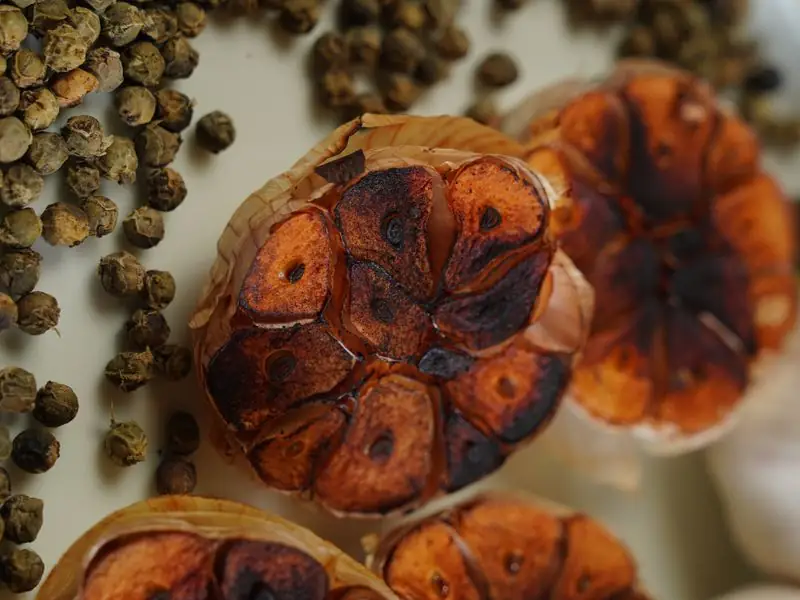
Roasted garlic is different from raw garlic because cooking softens the cloves and changes their texture. Once roasted, it should be treated as a cooked leftover rather than as a shelf-stable bulb.
Let the roasted garlic cool promptly, then transfer it to a clean, covered container and refrigerate it. Use it within three to four days.
For longer storage, freeze the roasted cloves or puree in small portions. This makes it easy to add roasted garlic to soups, sauces, dressings, and mashed vegetables.
Can You Store Roasted Garlic in Olive Oil?
Be careful with this method. Garlic submerged in oil creates a low-oxygen environment in which Clostridium botulinum can produce a dangerous toxin under suitable conditions.
Homemade garlic in oil must never be stored at room temperature. Refrigerate it immediately at 40°F (4°C) or below and use it within four days, or freeze it for longer storage.
This rule applies to homemade garlic-and-oil mixtures, including those made with roasted garlic. Smell and appearance cannot reliably establish that a mixture is safe.
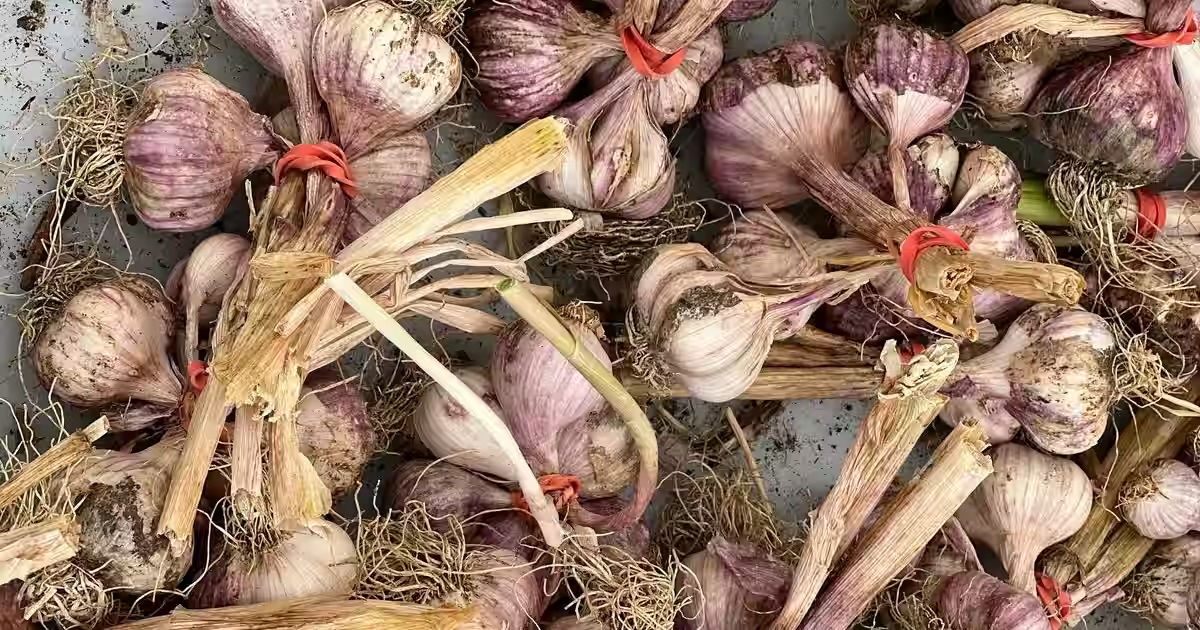
How to Store Garlic After Harvesting
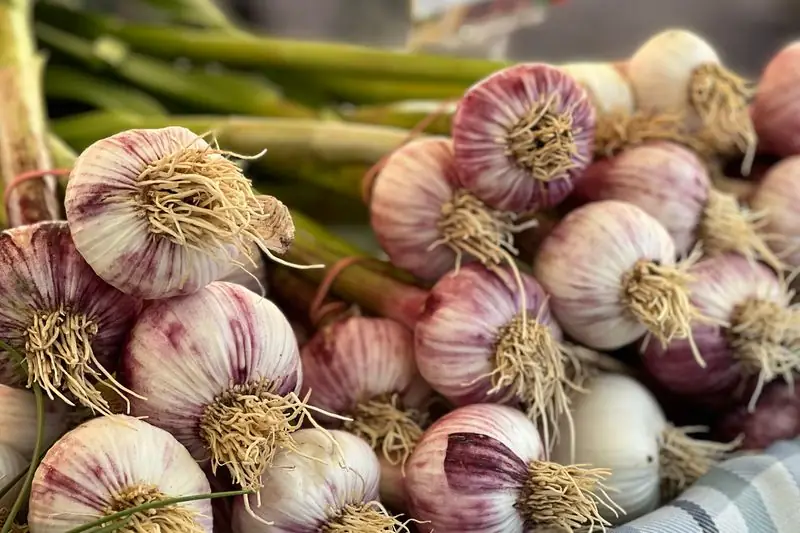
Freshly harvested garlic needs proper curing before it is stored for the long term.
Curing allows the outer skins and neck of the bulb to dry. This helps protect the garlic during storage and reduces the chance of spoilage.
If you grow garlic at home:
- Harvest the bulbs carefully to avoid bruising or cutting them.
- Brush off loose soil without washing the bulbs.
- Place them in a dry, shaded, well-ventilated area.
- Allow the bulbs to cure until the outer skins are dry and the necks have dried down.
- Trim the roots and stems if appropriate for your preferred storage method.
- Store the cured bulbs in a cool, dry place with good airflow.
Avoid curing garlic in direct sunlight or in a damp, poorly ventilated space. Exact curing times depend on weather, humidity, and the variety.
If the bulbs are wet, damaged, or beginning to rot, do not mix them with healthy bulbs intended for long-term storage.
How to Preserve Garlic in Jars
A jar can be useful for storing garlic, but the correct method depends on what is inside it.
Storing Dry Garlic Cloves in a Jar
A clean, dry jar can hold whole, unpeeled garlic cloves for short-term pantry storage if it allows adequate ventilation. A tightly sealed jar is less suitable for long-term storage of whole bulbs because it can trap moisture.
For best results, a ventilated basket or mesh bag is often a better choice.
Can You Preserve Garlic in Oil?
Do not simply peel garlic, cover it with oil, seal the jar, and leave it on the counter. This can create conditions that allow botulism toxin to develop.
For homemade garlic in oil, refrigerate immediately and use within four days, or freeze it. Follow a tested preservation recipe if you want to preserve garlic using another method.
Can You Preserve Garlic in Vinegar?
Garlic can be used in properly prepared pickled products, but the acidity, proportions, and processing method matter. Do not assume that adding an arbitrary amount of vinegar makes a jar of garlic shelf-stable.
Use a tested recipe from a reliable food-preservation authority and follow its instructions exactly.
Common Garlic Storage Mistakes
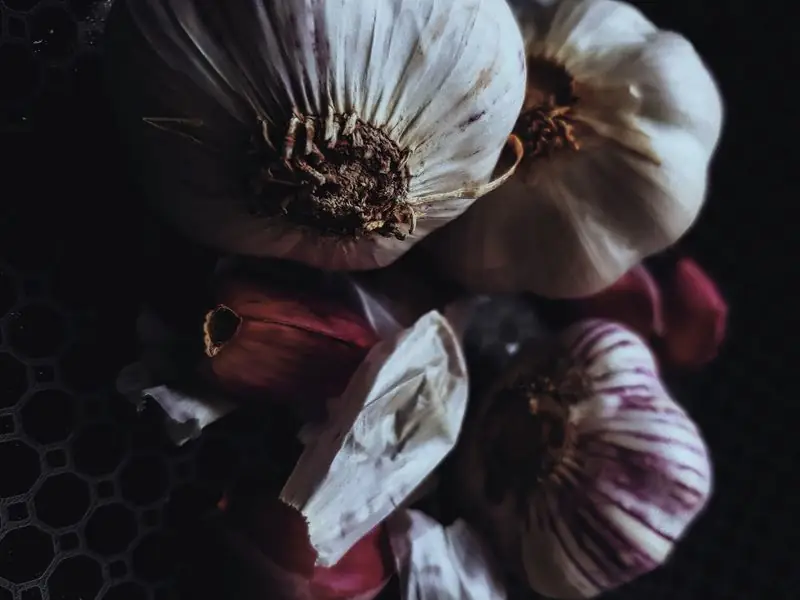
A few small mistakes can shorten garlic’s storage life.
- Keeping garlic in a sealed plastic bag: Trapped moisture can encourage mold and decay. Choose a container that allows airflow for whole bulbs.
- Storing whole bulbs in the refrigerator: A cool, dry pantry is generally better for intact garlic. Refrigeration is more appropriate for peeled or prepared garlic.
- Leaving peeled garlic on the counter: Peeled cloves should be refrigerated or frozen rather than left at room temperature.
- Storing garlic in oil at room temperature: This is a serious food-safety risk. Homemade garlic-in-oil mixtures require refrigeration and a strict four-day limit, or freezing.
- Keeping damaged bulbs with healthy ones: Inspect stored garlic and remove bulbs that show mold, soft spots, or decay.
- Expecting frozen garlic to have the same texture as fresh garlic: Freezing is convenient, but thawed cloves may be softer. Use them in cooked dishes when texture matters less.
Readers Also Enjoyed

Frequently Asked Questions
How long can you store garlic?
Whole garlic bulbs may last several weeks or longer when kept in a cool, dry, dark, well-ventilated place. Separated cloves generally keep for less time. Peeled garlic should be refrigerated and used promptly, while freezing is a practical choice for longer storage.
How do you store garlic long term?
For long-term storage, keep whole bulbs in suitable cool, dry conditions or freeze the cloves. If you need a more predictable way to preserve garlic for several months, freezing is usually the simplest household option.
Should you store garlic in the fridge?
Whole, unbroken bulbs generally keep better in a cool, dry pantry. Peeled, chopped, roasted, or otherwise prepared garlic should be refrigerated promptly or frozen, depending on how you plan to use it.
How do you store garlic cloves in the fridge?
Place peeled cloves in a clean, covered container and refrigerate at 40°F (4°C) or below. Use them within a few days for the best quality, and do not keep them indefinitely just because they are refrigerated.
Can you store garlic in olive oil?
Homemade garlic in oil should never be kept at room temperature. Refrigerate it immediately and use it within four days, or freeze it for longer storage. Improper storage can cause botulism, a rare but potentially life-threatening illness.
Can you freeze fresh garlic?
Yes. You can freeze whole cloves, peeled cloves, chopped garlic, or garlic puree. Frozen garlic may lose some of its original texture, but it works well in cooked recipes.
How do you store garlic after harvesting?
Cure the bulbs in a dry, shaded, well-ventilated area until the outer skins and necks have dried. Then store healthy bulbs in a cool, dry place with good airflow.
How do you know if garlic has gone bad?
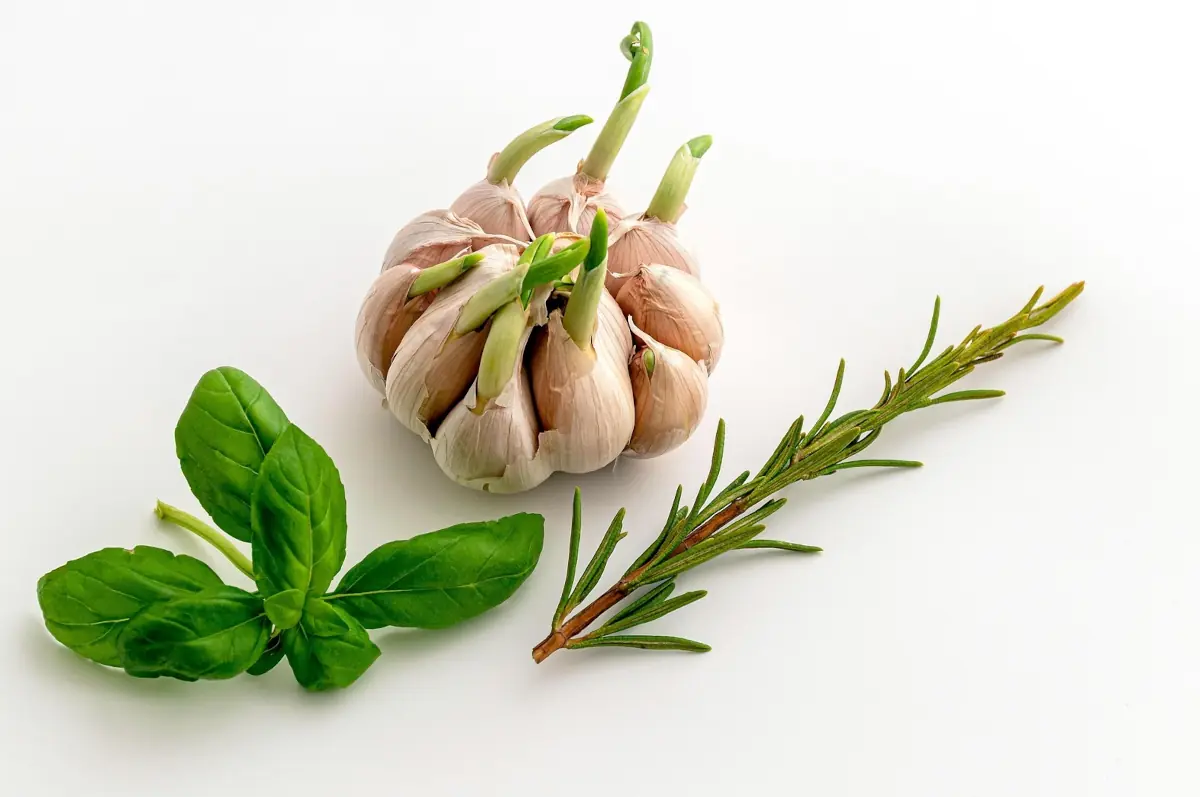
Look for mold, soft or mushy cloves, dark rotten areas, or an unusual smell. Sprouting alone does not necessarily mean garlic has spoiled, although the flavor and texture may change. Discard garlic that is moldy or decayed.
Summary
The best storage method depends on how your garlic has been prepared. Keep whole bulbs in a cool, dry place with good airflow, refrigerate peeled or cooked garlic promptly, and use the freezer when you want to store garlic for longer.
Pay particular attention to garlic in oil. It may seem like a convenient way to preserve flavor, but homemade mixtures require careful handling to prevent a serious food-safety risk.
If you are also interested in what happens to garlic during cooking, read our guide to Raw vs Cooked Garlic: Nutritional Differences, Bioactive Compounds, and Health Effects.
Sources
- Iowa State University Extension and Outreach. Garlic: Selection, Storage, and Preparation
- Oregon State University Extension Service. Preserving Garlic
- National Center for Home Food Preservation. Freezing Garlic-in-Oil
- Centers for Disease Control and Prevention (CDC). Home-Canned Foods and Botulism Prevention
- U.S. Department of Agriculture, Food Safety and Inspection Service. Keep Food Safe! Food Safety Basics