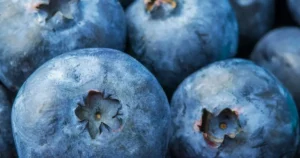

Haskap berries are dark blue fruits rich in anthocyanins, vitamin C, and other plant compounds that researchers are investigating for their potential health benefits. Studies suggest that haskap may support antioxidant defenses and could have effects on cardiovascular health, blood sugar regulation, and certain aspects of brain function. Its vitamin C content is also relevant to normal immune function and collagen production.
However, not every proposed benefit has been confirmed in human studies. Much of the research on haskap berries, also known as honeyberries, comes from laboratory experiments and animal studies. A few small human trials have produced promising findings, but more research is needed.
So, what are the potential benefits of haskap berries, and can eating too many cause side effects? Here is what the scientific evidence tells us.
What Makes Haskap Berries Special?
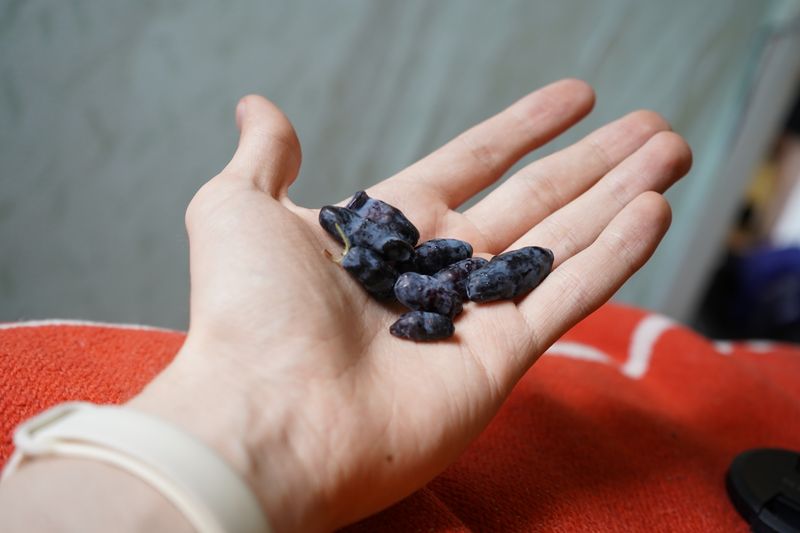
Haskap berries (Lonicera caerulea), also called honeyberries or blue honeysuckle berries, are elongated fruits with dark blue-purple skin and a tangy, sometimes sweet-tart flavor. They grow well in cold climates and are cultivated in countries including Poland, Canada, and Japan.
If you are unfamiliar with these fruits, see our article on Honeyberry vs Blueberry: Nutrition, Taste, and Health Benefits, which compares their nutritional composition and flavor.
What makes haskap particularly interesting to researchers is its combination of several bioactive compounds.
- Anthocyanins: Plant pigments responsible for the fruit’s dark color. They belong to the polyphenol family and are studied for their antioxidant and other biological activities.
- Cyanidin-3-O-glucoside (C3G): One of the major anthocyanins found in haskap berries.
- Vitamin C: An essential nutrient involved in normal immune function, collagen formation, and wound healing.
- Other polyphenols: These include phenolic acids and flavonoids, which may influence various biological processes.
- Iridoids: A group of plant compounds also found in haskap and investigated for their potential biological effects.
A 2020 review published in Molecules describes the diverse chemical composition of haskap berries and summarizes research into their antioxidant, anti-inflammatory, cardiovascular, and other potential properties.
One important detail is that the composition of these berries is not fixed. Cultivar, growing conditions, ripeness, and harvesting location can all affect the concentrations of vitamin C and polyphenols. Two varieties of haskap may therefore differ considerably in their nutritional profile.
You can learn more in our article about: Honeyberry Nutrition: Vitamins, Minerals, Calories, and Anthocyanins.
Haskap Berry Benefits for Health
1. Antioxidant Properties and Protection Against Oxidative Stress
One of the best-known characteristics of haskap berries is their high content of anthocyanins and other polyphenols.
Oxidative stress occurs when reactive molecules, including free radicals, accumulate beyond the body’s ability to manage them. This process is involved in normal biological activity, but excessive oxidative stress is associated with cellular damage and several chronic conditions.
Anthocyanins have attracted scientific interest because they show antioxidant activity in laboratory experiments. Researchers have also investigated how haskap extracts affect markers related to oxidative stress and inflammation.
The 2020 review of Lonicera caerulea describes promising findings from laboratory and preclinical studies. However, antioxidant activity measured in a test tube does not necessarily translate into a measurable health benefit in humans.
It is also worth remembering that the body handles plant compounds through digestion, absorption, and metabolism. Their effects after eating the whole fruit may differ from those observed when researchers test concentrated extracts.
What this means: Haskap berries are a useful source of plant compounds that may contribute to a varied, plant-rich diet. Current evidence does not establish that eating them prevents a particular disease.
2. Can Haskap Berries Support the Immune System?
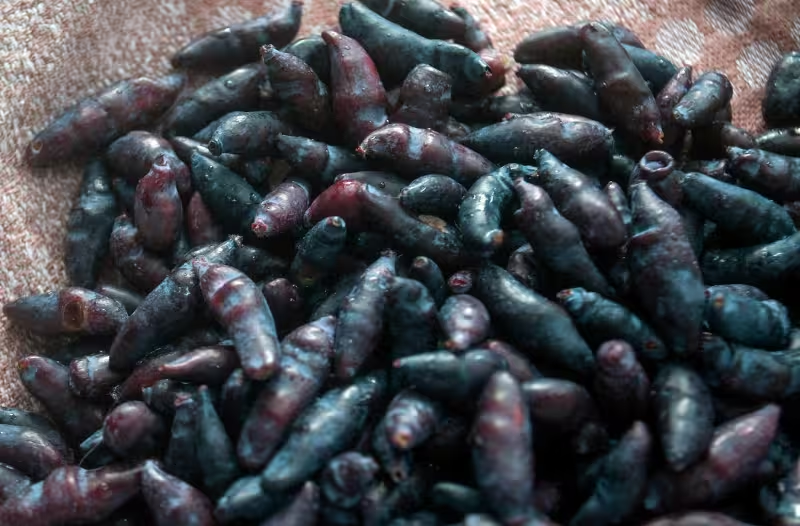
Haskap berries can contribute to normal immune function, particularly because they contain vitamin C.
Vitamin C supports several parts of the immune system. It helps immune cells function normally and contributes to the body’s antioxidant defenses. It is also involved in collagen formation, which helps maintain the integrity of the skin and other tissues that act as physical barriers.
The amount of vitamin C in haskap varies by variety and growing conditions. Some cultivars contain substantial amounts, making the fruit a useful addition to a diet that includes other vitamin C sources.
Anthocyanins and other polyphenols are also being studied for their possible effects on oxidative stress and inflammatory processes. However, the research does not yet show that eating haskap berries prevents respiratory infections, shortens a cold, or treats an immune-related condition.
There is a difference between providing nutrients needed for normal immune function and demonstrating that a particular food has a clinically proven immune-boosting effect.
The bottom line: Haskap can help supply nutrients that the immune system needs, but it should not be considered a treatment for infections or a substitute for a balanced diet.
3. Potential Benefits for Heart Health and Blood Pressure
Cardiovascular health is another area of interest in haskap research. Scientists are examining whether anthocyanins and other polyphenols influence blood vessel function, inflammation, oxidative stress, and metabolic markers associated with cardiovascular disease.
One small human study published in the European Journal of Nutrition in 2019 investigated the acute effects of haskap berry extract in 20 adults aged 62–81.
Participants received different doses of the extract containing 100, 200, or 400 mg of anthocyanins, as well as a placebo. The researchers found that the 400 mg dose was associated with lower diastolic blood pressure and heart rate compared with the placebo. Some measures of episodic memory also improved after the higher doses.
These findings are interesting, but they need to be interpreted carefully. The study involved only 20 people and measured effects shortly after consuming a concentrated extract. It did not establish that eating fresh haskap berries regularly lowers blood pressure over time.
A 2024 systematic review of the cardiometabolic properties of Lonicera caerulea also found promising research, particularly in preclinical studies, while highlighting the need for more clinical evidence.
For now, haskap berries can be part of a heart-conscious eating pattern, alongside vegetables, other fruits, whole grains, and appropriate sources of protein and healthy fats. They should not replace prescribed blood pressure medication or other recommended treatment.
4. Haskap Berries and Blood Sugar Regulation
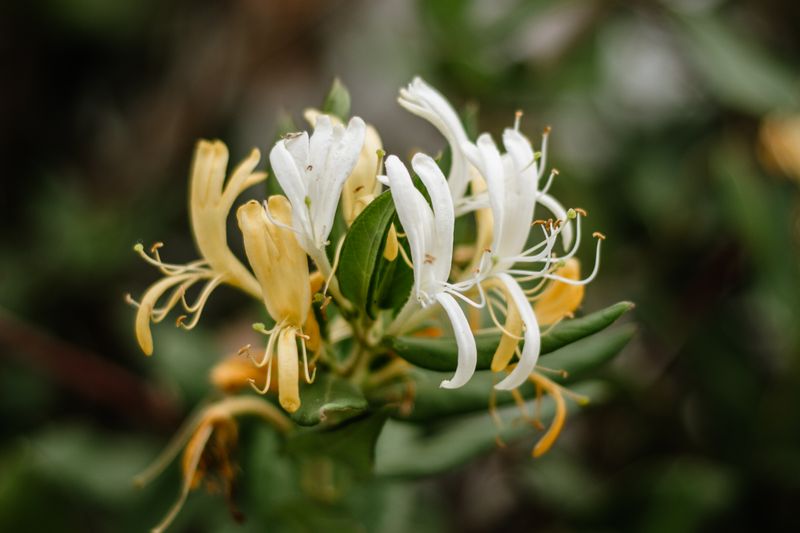
Researchers are investigating whether compounds in haskap berries could influence glucose metabolism and insulin sensitivity.
Some laboratory and animal studies suggest that haskap extracts or their polyphenols may affect processes involved in blood sugar regulation. These findings have made the fruit an interesting subject for research into metabolic health.
However, results from preclinical experiments cannot establish that the same effects occur in people eating ordinary portions of berries. The amount and form of the compounds used in an experiment may also differ substantially from what the body receives from food.
The 2024 systematic review of haskap’s cardiometabolic properties discusses potential effects on glucose and lipid metabolism but does not establish haskap as a proven treatment for diabetes.
Whole berries can fit into a balanced diet, including for many people who need to monitor their blood sugar. Portion size and the overall meal still matter, especially when berries are consumed as juice, sweetened preserves, or dried products with concentrated sugars.
Haskap berries are not a natural diabetes medication. People with diabetes should continue following their individual treatment plan and should not replace medication with berries or supplements.
5. Haskap Berries for Skin Health
Haskap berries contain two groups of compounds relevant to normal skin function: vitamin C and polyphenols.
Vitamin C is essential for the body’s production of collagen, a structural protein that helps maintain the strength and integrity of the skin. It also plays a role in wound healing. Getting enough vitamin C through food is therefore important for normal skin health.
Anthocyanins and other polyphenols are being studied for their potential effects on oxidative stress and inflammatory processes. Researchers have also explored whether compounds from haskap could help limit cellular damage associated with ultraviolet (UV) radiation.
The 2020 review of haskap research discusses potential protective effects related to UV exposure, but much of this evidence comes from laboratory or preclinical work. It does not demonstrate that eating these berries prevents sunburn or protects human skin from UV damage.
There is also insufficient clinical evidence to claim that haskap berries remove wrinkles, treat acne, or noticeably reverse skin aging.
For healthy skin, haskap can contribute useful nutrients as part of a varied diet. Adequate protein, other essential nutrients, hydration, and sun protection remain important. Eating antioxidant-rich fruit should not be treated as an alternative to sunscreen or appropriate skin care.
6. Can Haskap Berries Help Reduce Inflammation?
Inflammation is part of the body’s normal response to injury and infection. The problem arises when inflammatory processes become excessive or persist for too long.
Haskap berries contain anthocyanins, including cyanidin-3-O-glucoside, as well as other polyphenols that scientists are studying for possible effects on inflammatory signaling pathways.
Laboratory experiments and animal studies have reported potentially beneficial effects from haskap extracts and their compounds. These results help researchers identify mechanisms that may deserve further investigation.
However, an effect observed in cells or animals does not prove that eating the fruit reduces chronic inflammation in people. The dose, absorption, metabolism, and overall diet can all influence the outcome.
It is therefore reasonable to describe the anti-inflammatory properties of haskap as a promising research area, rather than a confirmed treatment effect.

7. Potential Benefits for Brain Health and Memory
Could haskap berries support memory? There is some preliminary human evidence worth mentioning.
The 2019 pilot study described earlier examined cognition as well as blood pressure in 20 older adults. Compared with placebo, doses of haskap extract containing 200 mg and 400 mg of anthocyanins improved certain measures of word recall. The higher dose also improved word recognition.
Not all cognitive outcomes showed clear benefits. Results for working memory, executive function, and mood were less consistent.
The study suggests that haskap extract may affect certain aspects of memory in the short term, but it was small and assessed acute effects. It did not investigate whether regular consumption improves long-term cognitive health.
There is currently no convincing evidence that eating haskap berries prevents dementia or Alzheimer’s disease. More studies involving larger groups and longer follow-up periods are needed before such claims can be made.
8. Other Potential Benefits: Liver and Metabolic Health
Researchers have also investigated haskap in relation to liver health, blood lipid levels, and other metabolic processes.
Some preclinical studies suggest that its bioactive compounds may influence markers associated with liver function, fat metabolism, and cellular protection. These findings are part of the broader interest in anthocyanin-rich berries and their possible role in health.
Still, this research does not show that haskap treats liver disease, lowers cholesterol reliably, or prevents metabolic disorders in humans. These potential benefits need to be confirmed through well-designed clinical studies.
For now, the strongest practical reason to include haskap in your diet is its nutritional value, not the expectation that it will treat a particular condition.
Do Haskap Berries Help Balance the Body’s pH?
Haskap berries have a tangy, acidic taste, which may lead some people to wonder whether they make the body more acidic or help restore an alkaline balance.
The key point is that the acidity of a food does not determine the pH of your blood.
Your body keeps blood pH within a narrow range through several tightly regulated mechanisms. The lungs help control carbon dioxide levels, while the kidneys regulate acids and bicarbonate. These systems work continuously to maintain the body’s acid-base balance.
Eating fruit and vegetables can influence the amount of acid the kidneys excrete and may affect urine pH. However, a change in urine pH is not the same as changing blood pH.
There is no good evidence that haskap berries specifically alkalize the body or alter blood pH in healthy people. Their acidic flavor does not mean they are harmful, nor does it give them a special ability to correct the body’s acid-base balance.
The sensible reason to eat haskap is its nutritional content and variety of plant compounds, not an unproven claim about alkalizing the body.
Haskap Berry Side Effects and Safety
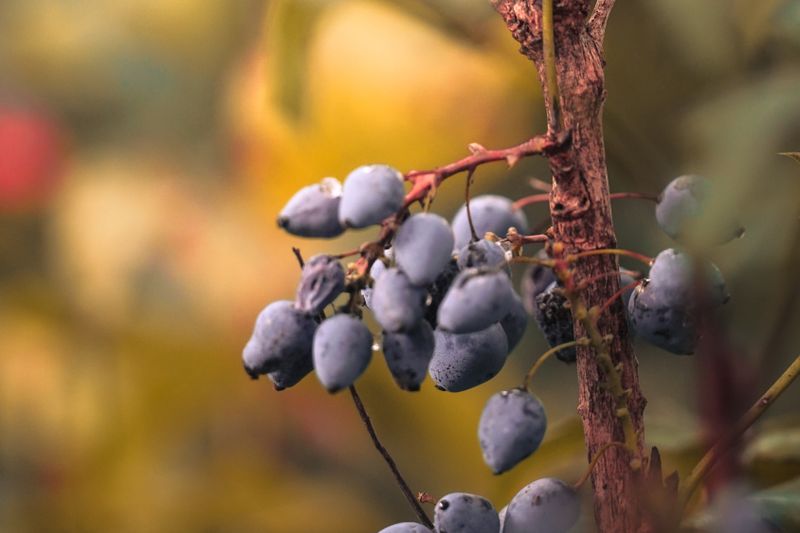
Haskap berries are edible fruits and can be included in a normal diet. However, research into the safety of very large amounts and long-term use of concentrated haskap supplements is limited.
Can You Eat Too Many Haskap Berries?
Eating a large amount of almost any fruit at once can cause digestive discomfort in some people. Depending on individual tolerance and portion size, this may include bloating, loose stools, or other gastrointestinal symptoms.
There is no well-established maximum daily amount of fresh haskap berries that applies to everyone. It would be misleading to claim that a particular quantity is a universal safety limit when reliable evidence does not establish one.
If you are trying haskap for the first time, start with an ordinary serving and see how you tolerate it. You do not need to eat large quantities to make it part of a healthy diet.
Allergies and Individual Sensitivity
As with other foods, an allergic reaction to haskap is possible, although its specific allergy profile is not well characterized in the scientific literature.
Stop eating the berries if you develop symptoms such as hives, itching, or swelling after consumption. Swelling of the tongue or throat, difficulty breathing, or other signs of a severe allergic reaction require emergency medical attention.
People with known food allergies should follow the advice they have received from their healthcare professional.
Haskap Berries vs. Extracts and Supplements
Fresh and frozen haskap berries are not equivalent to concentrated extracts.
An extract or supplement may deliver a much higher dose of anthocyanins than a normal serving of fruit. The small human trial on blood pressure and memory, for example, used an extract standardized to specific anthocyanin doses.
It would be incorrect to assume that eating a bowl of fresh berries will produce the same effects as taking the extract used in that study.
Long-term safety data for high-dose haskap supplements are also limited. If you are considering a concentrated extract, especially for a health condition, discuss it with a healthcare professional rather than assuming that a product is safe simply because it comes from a fruit.
Who Should Be Careful?
Most people can approach haskap as they would other edible berries. There is not enough evidence to identify a specific group that must routinely avoid the fruit.
However, people with chronic health conditions or those taking medication should seek medical or pharmacy advice before using concentrated supplements, particularly if they intend to take them regularly. This is a general precaution, not evidence that a specific interaction with haskap has been established.
How Many Haskap Berries Should You Eat?
There is no officially established therapeutic dose of haskap berries. The amounts of anthocyanins used in clinical research should not be converted directly into a recommended serving of fresh fruit.
For everyday eating, you can include haskap in your diet much like blueberries, raspberries, or other berries. Your ideal portion depends on your appetite, overall diet, and individual digestive tolerance.
You can add them to breakfast, use them in smoothies, or eat them as a snack. There is no need to take an extract or supplement to benefit from the nutrients naturally present in the fruit.
Consistency and dietary variety matter more than trying to consume a large amount of one particular berry.
Fresh, Frozen, or Dried Haskap: Which Is Best?
All three forms can be convenient, but their nutritional composition may differ.
- Fresh haskap: A good choice when the berries are in season and readily available.
- Frozen haskap: Convenient for use throughout the year. Freezing allows the fruit to be stored for longer periods, although nutrient retention depends on processing and storage conditions.
- Dried berries or powder: These products may be more concentrated by weight because much of the water has been removed. Check the ingredient list and serving size.
- Juice and extracts: These vary widely in composition. Some products contain added sugar, while extracts may provide concentrated amounts of specific plant compounds.
No single form is always the healthiest. Processing and storage can affect vitamin C and anthocyanin content, and products differ in how they are made.
For most people, fresh or frozen whole berries are a practical way to enjoy haskap as part of a varied diet.
Readers Also Enjoyed

Frequently Asked Questions
What are the main health benefits of haskap berries?
Haskap berries provide vitamin C, anthocyanins, and other polyphenols. These compounds are being studied for their potential antioxidant, cardiovascular, metabolic, and cognitive effects. Some early findings are promising, but many proposed benefits have not yet been confirmed in large human trials.
Are haskap berries good for your immune system?
They provide vitamin C, which supports normal immune function. However, there is not enough evidence to say that eating haskap berries prevents infections or treats illnesses.
Are haskap berries good for your skin?
Their vitamin C contributes to normal collagen formation, while their polyphenols are being studied for potential effects on oxidative stress. Direct evidence that eating haskap improves skin appearance or protects against UV damage in humans remains limited.
Are haskap berries high in antioxidants?
Haskap berries contain anthocyanins and other polyphenols that show antioxidant activity in laboratory studies. The exact composition varies by cultivar, and laboratory measurements alone do not establish the size of any health benefit in humans.
Can you eat too many haskap berries?
Large portions may cause digestive discomfort in some people. There is no established universal maximum daily amount, so start with a normal serving and adjust according to your tolerance.
Do haskap berries have any side effects?
Fresh and frozen haskap berries can generally be eaten as food, but individual digestive sensitivity or an allergic reaction is possible. The safety of long-term, high-dose extracts is less well understood than that of ordinary fruit consumption.
Conclusion
Haskap berries are a nutritious fruit with an interesting combination of vitamin C, anthocyanins, and other bioactive compounds. Research suggests potential benefits related to antioxidant activity, cardiovascular health, inflammation, and certain aspects of memory, but the strength of the evidence varies considerably.
The most important limitation is that many findings come from laboratory and animal studies, while the available human trials are small and often use concentrated extracts rather than whole berries. More research is needed before specific health benefits can be considered established.
For most people, the sensible approach is to enjoy haskap as one of several fruits in a varied diet. It can contribute useful nutrients without needing to be treated as a supplement or a remedy. Eating reasonable portions is a practical choice, and there is no established need to consume large quantities to obtain its nutritional benefits.
Sources
- Gołba M, Sokół-Łętowska A, Kucharska AZ. Health Properties and Composition of Honeysuckle Berry (Lonicera caerulea L.): An Update on Recent Studies. Molecules. 2020;25(3):749.
- Bell L, Williams CM. A Pilot Dose-Response Study of the Acute Effects of Haskap Berry Extract on Cognition, Mood, and Blood Pressure in Older Adults. European Journal of Nutrition. 2019;58:3325–3334.
- Bora L, et al. A Systematic Review of Cardio-Metabolic Properties of Lonicera caerulea L.. Antioxidants. 2024;13(6):694.