Garlic may help lower blood sugar slightly, especially with regular use, but it is not a substitute for medication. Some studies suggest modest improvements in fasting glucose and insulin sensitivity, but results depend on dose, form, and individual health.
What Research Says About Garlic and Blood Sugar
Several clinical and observational studies have examined garlic’s effect on glucose metabolism.
- Some trials report small reductions in fasting blood glucose
- Others show improved insulin sensitivity
- Effects tend to be more noticeable in people with type 2 diabetes
Researchers attribute these effects to sulfur compounds (like allicin and related metabolites), which may influence:
- insulin activity
- oxidative stress
- inflammation
However, results are inconsistent, and garlic is best viewed as a supportive dietary factor, not a primary treatment.
This article is included in our complete guide to garlic. For a full overview, see Garlic: Nutrition, Health Benefits and Bioactive Compounds.
How Garlic May Affect Blood Sugar (Mechanism Explained)
Garlic contains bioactive compounds that may influence glucose regulation:
- Allicin and sulfur compounds → may enhance insulin sensitivity
- Antioxidants → reduce oxidative stress linked to insulin resistance
- Anti-inflammatory effects → may support metabolic health
Some studies also suggest garlic could:
- slow carbohydrate digestion
- improve glucose uptake in cells
These mechanisms are biologically plausible, but their real-world impact is moderate, not dramatic.
How Much Garlic Per Day May Help Blood Sugar?

There is no universally agreed dose, but research and clinical guidance suggest:
- 1–2 cloves of fresh garlic daily
- or standardized garlic supplements (in studied doses)
Consistency matters more than occasional intake.
Important:
- more is not always better
- high amounts may cause digestive issues
How to Use Garlic for Blood Sugar Support
If you want to include garlic as part of a blood sugar–friendly routine:
Practical approach:
✔️ Use fresh garlic regularly in meals
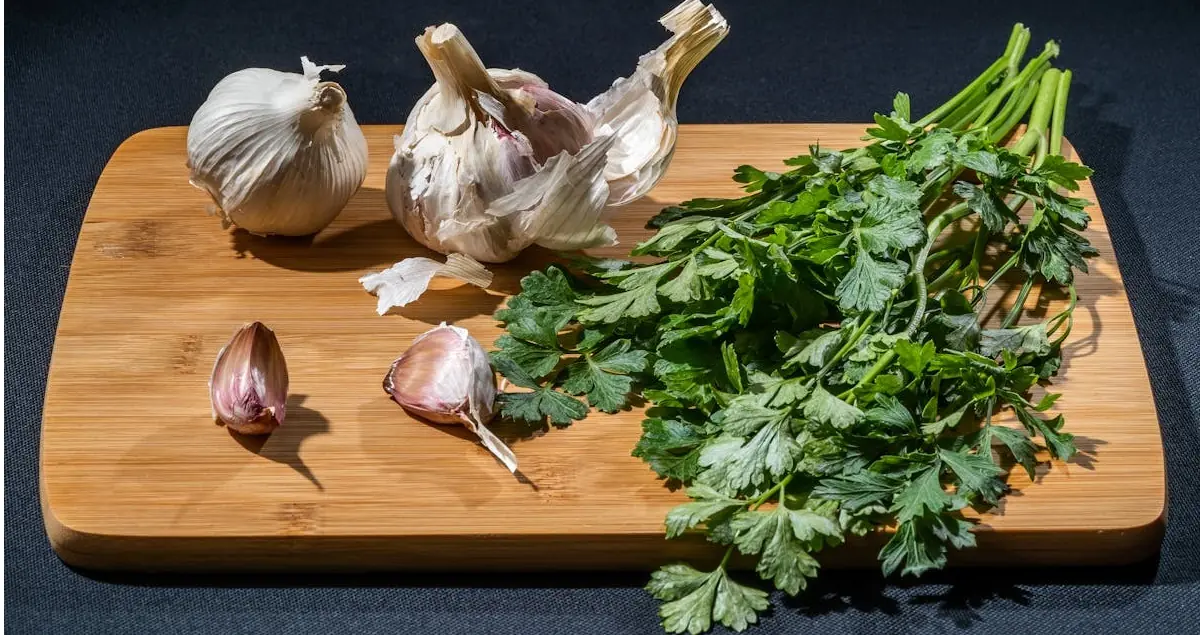
✔️ Crush and let it sit before eating (to activate compounds)
✔️ Combine with a balanced diet (fiber, protein, healthy fats)
Example routine:
- Crush 1 clove of garlic
- Wait 5–10 minutes
- Add to salad, yogurt, or cooked meals
This aligns with how garlic compounds are best preserved.

Raw vs Cooked Garlic: Which Is Better for Blood Sugar?
Raw garlic is likely more potent
- retains more active compounds (like allicin)
- stronger biological effects
Cooked garlic:
- still beneficial
- easier to tolerate
- less potent
A mixed approach is often most practical.
How Long Does It Take for Garlic to Affect Blood Sugar?
Garlic does not work immediately
- short-term effects: minimal
- noticeable changes (if any): after weeks of regular intake
This is a long-term dietary strategy, not a quick fix.
Can Garlic Help People With Diabetes?
It may provide modest support, especially in type 2 diabetes.
Some studies suggest:
- improved fasting glucose
- slight reductions in HbA1c (in some cases)
However:
- Garlic should never replace prescribed treatment
- Effects vary between individuals
It can be part of a broader lifestyle approach:
- diet
- physical activity
- medical care
When Garlic May Not Help (Important Limitations)
Garlic is unlikely to significantly impact blood sugar if:
- diet is high in refined carbs
- lifestyle factors are not addressed
- blood sugar is poorly controlled
In these cases, medical treatment and structured interventions are essential.
Safety: Who Should Be Careful With Garlic?
Garlic is generally safe in food amounts, but caution is needed if you:
- take blood-thinning medications
- have gastrointestinal sensitivity
- consume large amounts regularly
Possible side effects:
- digestive discomfort
- heartburn
- strong body odor
If you have diabetes or take medication, consult a healthcare professional before making major dietary changes.
This Should Interest You:

FAQ ( Frequently Asked Questions )
Can garlic lower blood sugar quickly?
No — garlic works gradually and has mild effects at best.
Is garlic good for people with diabetes?
It may help slightly, but should only be used as a supportive dietary addition.
How much garlic should I eat daily?
Typically 1–2 cloves per day, depending on tolerance.
Is garlic better raw or cooked for blood sugar?
Raw garlic is more potent, but cooked garlic is easier to include regularly.
Can garlic replace diabetes medication?
No — it is not a substitute for medical treatment.
Summary
Garlic may support blood sugar control, but its effects are modest and gradual.
- It may improve insulin sensitivity
- It may slightly lower fasting glucose
- It works best as part of a healthy lifestyle
The most important takeaway:
Garlic can help — but it is not a standalone solution.
Consistent diet, medical care, and lifestyle changes remain the foundation of blood sugar management.
Sources
- National Institutes of Health – Garlic: Health effects and safety
- National Center for Biotechnology Information – Studies on garlic and blood glucose control
- Journal of Nutrition – Garlic and metabolic health research
- Diabetes & Metabolic Syndrome – Clinical trials on garlic supplementation
- World Health Organization – Guidelines on diabetes and diet
- Mayo Clinic – Garlic: benefits, risks, and clinical perspective