
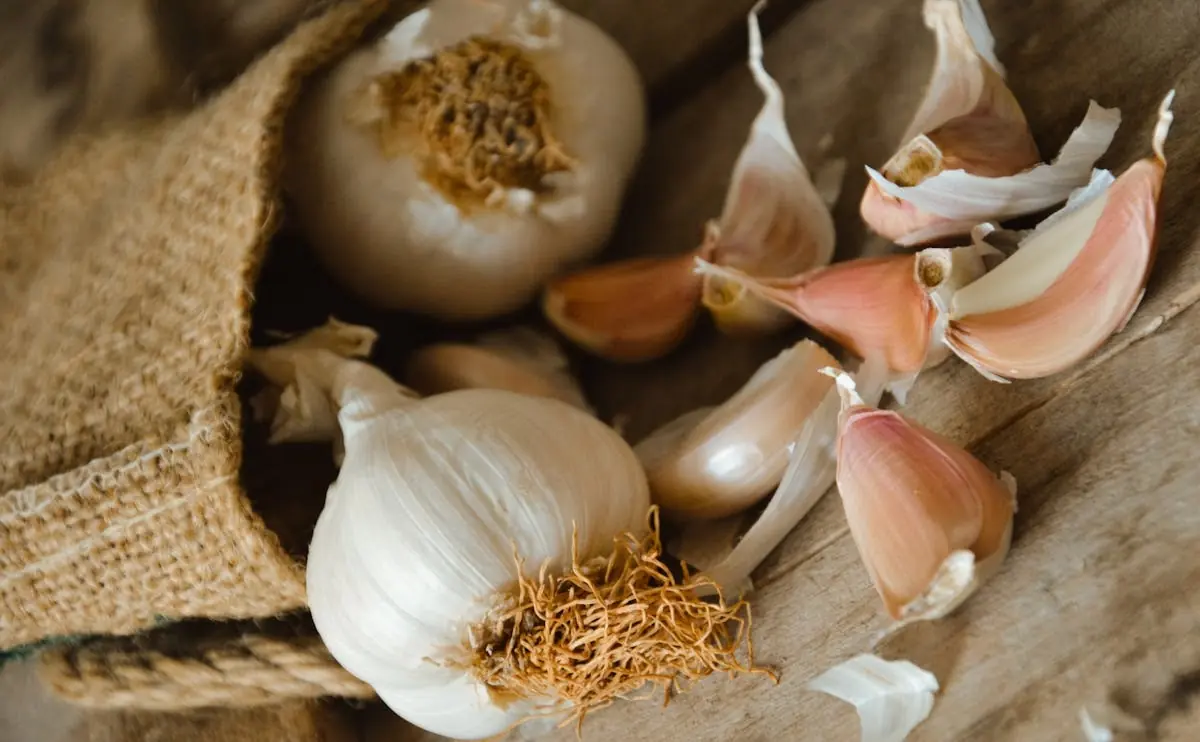
Garlic (Allium sativum) is one of the most widely used culinary ingredients in the world. Beyond its distinctive flavor, garlic is valued for its nutritional profile and its unique bioactive compounds. For centuries, it has been used in traditional diets across Europe, Asia, and the Middle East.
Modern research suggests that garlic contains several nutrients and plant compounds that may contribute to overall health when consumed as part of a balanced diet. This article explains the nutritional value of garlic, its key compounds, and how it can fit into a healthy eating pattern.
Garlic Nutritional Value
Garlic is relatively low in calories but provides a range of micronutrients and plant compounds.
Macronutrients
A typical serving of raw garlic (about 3 grams, one clove) contains approximately:
- Calories: ~4–5 kcal
- Carbohydrates: ~1 g
- Protein: ~0.2 g
- Fat: negligible
- Fiber: small amounts
Although garlic is usually eaten in small quantities, it still contributes beneficial compounds to the diet.
Garlic is relatively low in calories but provides a range of micronutrients and plant compounds.
Vitamins in Garlic
Garlic contains several vitamins, including:
- Vitamin C – contributes to immune system function and antioxidant defense
- Vitamin B6 (pyridoxine) – important for metabolism and brain health
- Folate – involved in DNA synthesis and cell division
While the amounts per clove are modest, garlic can complement other nutrient-dense foods in a balanced diet.
Minerals in Garlic
Garlic also provides small amounts of important minerals such as:
- Manganese
- Selenium
- Calcium
- Phosphorus
- Potassium
Manganese is particularly notable, as it plays a role in bone health and antioxidant enzyme activity.
For a detailed breakdown, see our guide to Garlic Nutritional Value: Vitamins, Minerals and Bioactive Compounds.
Bioactive Compounds in Garlic
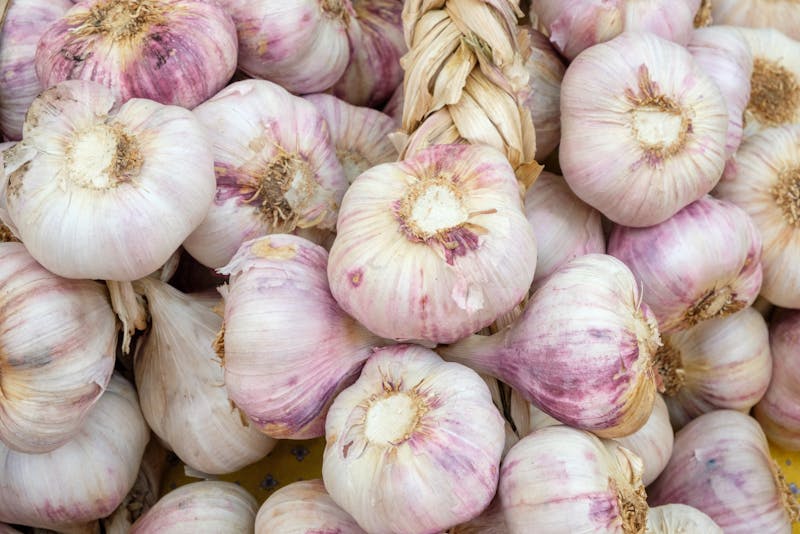
One of the most interesting aspects of garlic is its content of sulfur-containing compounds.
Allicin
Allicin is the compound most commonly associated with garlic. It forms when garlic cloves are chopped, crushed, or chewed. This process activates an enzyme called alliinase, which converts alliin into allicin.
Allicin contributes to:
- garlic’s characteristic aroma
- antimicrobial activity observed in laboratory studies
- potential antioxidant effects
- antifungal effects (skin and nails)
However, allicin is relatively unstable and can break down during cooking.
Other Sulfur Compounds
Garlic contains several additional sulfur compounds, including:
- diallyl sulfide
- diallyl disulfide
- S-allyl cysteine
These compounds are being studied for their potential biological effects and may contribute to the overall health properties associated with garlic consumption.
Learn more in our article about Bioactive Compounds in Garlic Including Allicin and Sulfur Compounds.
Antioxidants in Garlic
Garlic also contains antioxidants that help neutralize reactive oxygen species in the body. Antioxidants are important because they help protect cells from oxidative stress.
Examples include:
- flavonoids
- phenolic compounds
- organosulfur compounds
Garlic and Heart Health
Garlic has been widely studied in relation to cardiovascular health. Some research suggests that compounds found in garlic may support heart health through several mechanisms.
Learn more How Garlic May Support Heart Health and Circulation.
Potential Effects on Cholesterol
Certain studies indicate that garlic consumption may help support healthy cholesterol levels when combined with an overall balanced diet.
Blood Pressure Support
Some clinical research has explored whether garlic may help support normal blood pressure levels. Results vary between studies, but garlic continues to be investigated as part of dietary strategies related to cardiovascular health.
It is important to note that garlic should be considered a food component, not a replacement for medical treatment.
Don’t forget to read the entire article about: How Much Garlic Per Day to Lower Blood Pressure.
Garlic and the Immune System
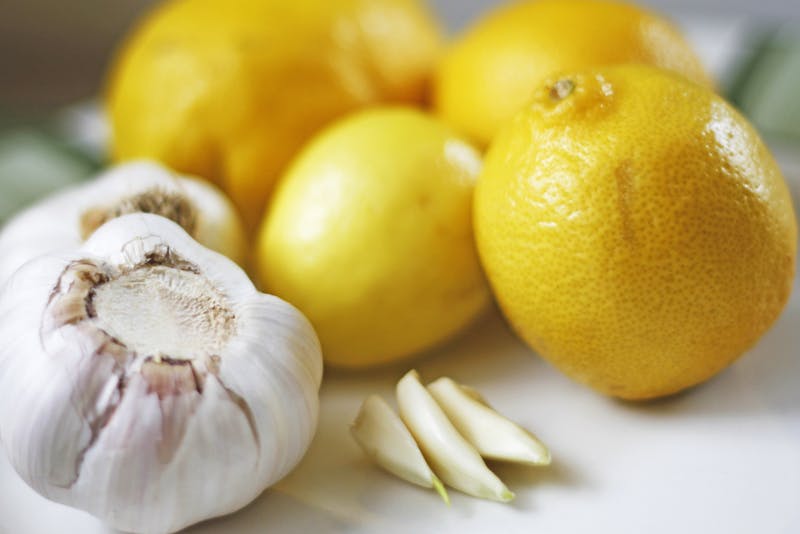
Garlic contains compounds that have demonstrated antimicrobial and antioxidant activity in laboratory settings.
These compounds may contribute to normal immune function when garlic is included as part of a diverse diet rich in fruits, vegetables, whole grains, and healthy fats.
Vitamin C and selenium present in garlic also support immune processes in the body.
Learn more about the Effects of Garlic on Immunity, and Antimicrobial Properties.
Does Garlic Have Antiviral Properties?
Yes. Bioactive ingredients like allicin are responsible. Garlic is traditionally used for colds and herpes, which proves its effectiveness. However, fresh garlic has the greatest antiviral effect. However, there are ways to use it in meals without risking side effects.
Lemon balm also has antiviral properties. Everyone knows its calming effects, but not everyone knows that it’s effective against viruses.
Learn basic information about Lemon Balm, its Health Properties, And its Antiviral Effects in our guide.
Garlic and Parasites in Humans- Does it Work?
Garlic may support the body in combating parasites in humans — including pinworms (Enterobius vermicularis), roundworms (Ascaris lumbricoides), Giardia (Giardia intestinalis), and even certain tapeworms. Although it should not replace proper medical treatment, both research and traditional use indicate that it can help lower parasite levels, ease symptoms, and strengthen the body’s natural defenses.
You can find more information in our article: Does Garlic Kill Parasites in Humans?
Garlic and Mosquitoes
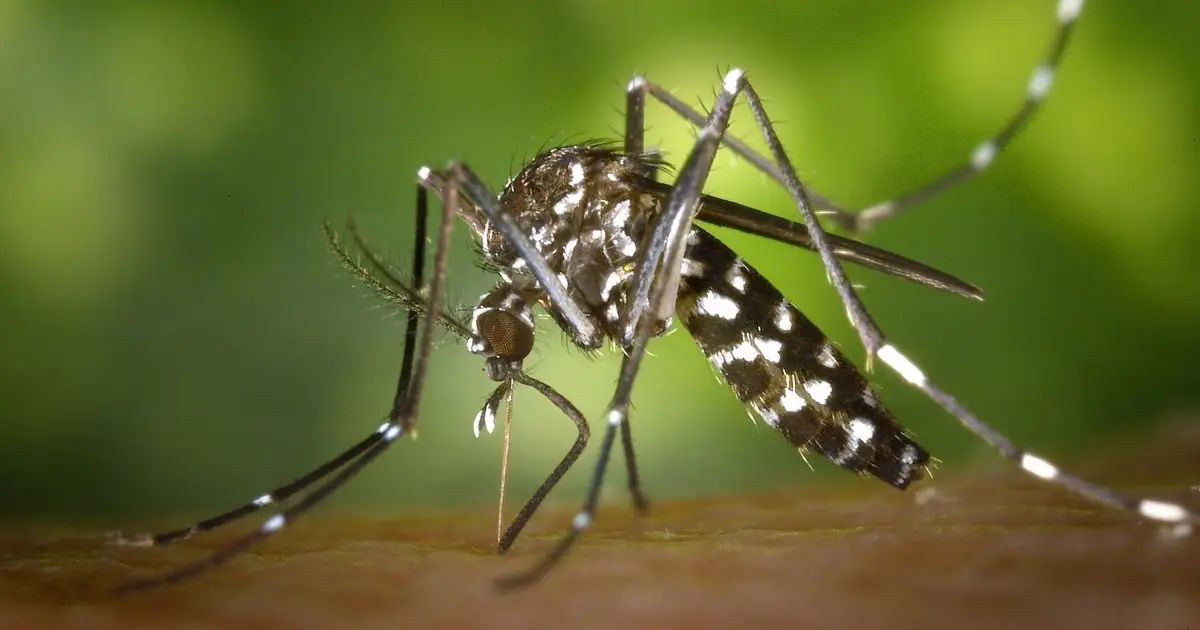
Garlic has also been studied for its potential insect-repellent and insecticidal properties. Research has looked particularly at garlic oil and concentrated garlic compounds rather than simply eating garlic. For a closer look at the evidence, see Does Garlic Repel Mosquitoes? Garlic, Garlic Oil, Sprays and What Research Shows
Does Garlic Help With Fungus?
Garlic is widely used as a natural support for fungal infections of the skin and nails. Studies suggest that garlic contains Bioactive Compounds With Antifungal Effects that may help inhibit the growth of certain fungi.
As a result, many people use garlic as a home remedy for conditions such as nail fungus, athlete’s foot, ringworm, and other fungal skin problems.
Raw vs Cooked Garlic
The way garlic is prepared can influence the formation of its bioactive compounds.
Raw Garlic
Crushing or chopping raw garlic activates enzymes that help produce allicin. For this reason, raw garlic may contain higher levels of certain sulfur compounds.
Cooked Garlic
Cooking garlic can reduce some of these compounds, particularly allicin. However, cooked garlic still provides nutrients and other beneficial plant compounds.
Some experts suggest allowing chopped garlic to sit for 5–10 minutes before cooking. This allows the enzyme reaction that forms allicin to occur before heat is applied.
Learn more in our article about Raw vs Cooked Garlic, Nutritional Differences and Health Effect.
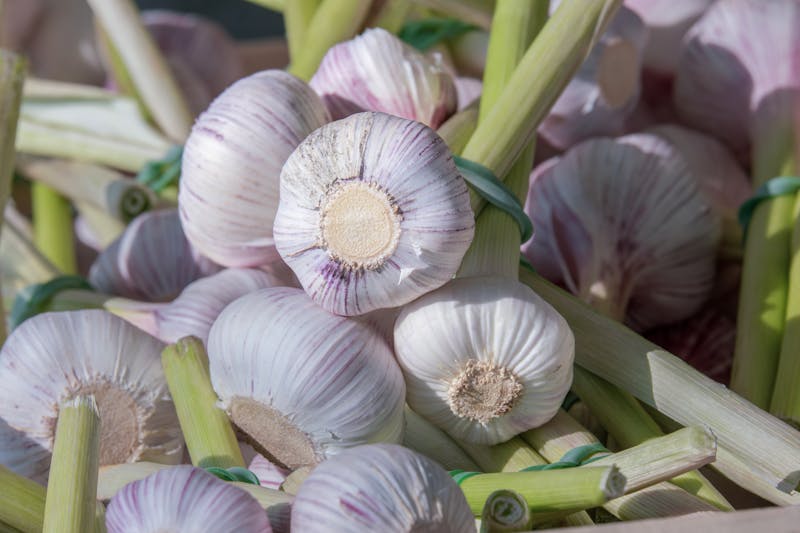
How to Include Garlic in a Healthy Diet
Garlic can easily be incorporated into many meals.
Common culinary uses include:
- adding fresh garlic to sauces and soups
- sautéing garlic with vegetables
- mixing crushed garlic into salad dressings
- roasting whole garlic cloves for a milder flavor
Garlic is often used in Mediterranean, Asian, and Middle Eastern cuisines, which are dietary patterns frequently associated with overall healthy eating.
How Much Garlic Is Typically Consumed?
In many traditional diets, garlic is consumed in small amounts as a seasoning rather than a primary ingredient.
Typical dietary intake ranges from one to several cloves per day, depending on culinary habits and personal preference.
Because garlic has a strong flavor, even small amounts can enhance both taste and nutritional diversity in meals.
Different Forms of Garlic
Garlic is available in several forms, each with slightly different culinary uses and nutritional characteristics. While fresh garlic is the most common, other forms can also contribute flavor and nutrients to meals.
Fresh Garlic
Fresh garlic cloves are the most widely used form in cooking. When garlic is chopped or crushed, enzymes trigger a reaction that produces allicin and other sulfur compounds. These compounds are responsible for garlic’s characteristic aroma and are widely studied for their biological activity.
Fresh garlic is commonly used in sauces, soups, marinades, vegetable dishes, and roasted meals.
Read about the differences in Nutritional Values Between Raw and Cooked Garlic.
Eating raw garlic, while very healthy, can also cause unpleasant breath. Not everyone is comfortable with that. Instead of giving up on eating it, it’s better to check out our guide: How to Get Rid of Garlic Breath Fast.
Garlic Powder
Garlic powder is made from dehydrated garlic that has been ground into a fine powder. It is convenient to store and easy to add to spice blends, sauces, and seasoning mixes.
Although drying and processing may reduce some volatile compounds, garlic powder still contains certain minerals and plant compounds.
Roasted Garlic
Roasting garlic transforms its flavor, making it milder and slightly sweet. Whole garlic bulbs are typically roasted in the oven until the cloves become soft and spreadable.
While roasting reduces some of the sulfur compounds formed in raw garlic, it still provides nutrients and antioxidants and is commonly used in spreads, sauces, and vegetable dishes.
Aged Garlic Products
Some food products are made from aged garlic that has undergone a controlled aging process. During aging, certain sulfur compounds are converted into more stable forms.
These products are sometimes studied in scientific research, although fresh garlic remains the most common dietary source.
Learn more about Aged Garlic Extract, Benefits and Science in our article.
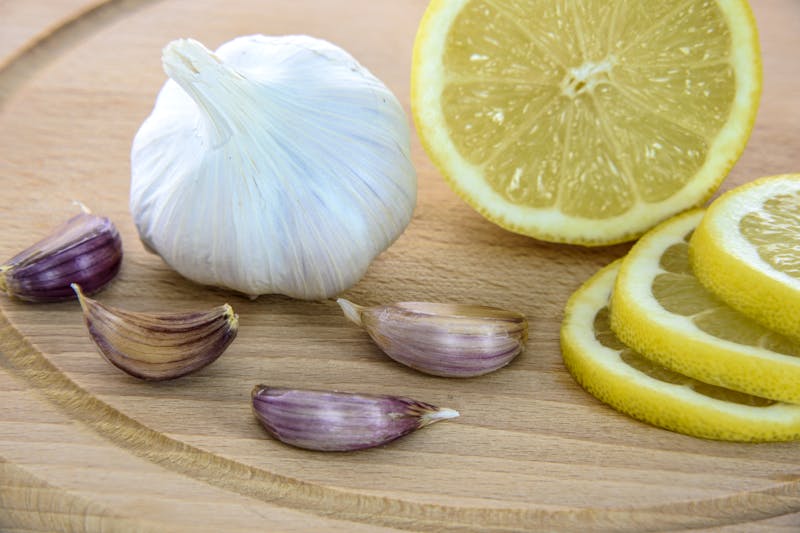
Can Everyone Eat Garlic?
You should know that not everyone can consume garlic. This especially applies to people with digestive system issues such as:
- stomach and duodenal ulcers
- irritable bowel syndrome (IBS)
- reflux and hyperacidity
- abdominal pain
- people with a garlic allergy
This is particularly true for raw garlic.
People who take certain medications should also avoid garlic in their diet.
The topic is discussed in detail in our article Who Should Not Eat Garlic And Who Need to Avoid It.
Can babies over 6 months of age consume garlic?
Yes, babies can consume garlic, but caution should be taken and smaller amounts should be used than for adults. It should be remembered that raw garlic may irritate a baby’s sensitive digestive system.
It is important not to give garlic to babies under 6 months of age. You can read more about this in our article: Can Babies Eat Garlic at 6 Months?
Is Garlic Safe for Toddlers and Kids?
Most toddlers can eat garlic in moderate food amounts. Cooked garlic is usually easier for toddlers to tolerate than raw garlic because it has a milder flavor and is gentler on the digestive system.
Garlic consumed by toddlers can have a positive impact on their immunity. Parents often give garlic to toddlers when they have a cold, but it’s also worth giving it as a preventative measure, especially in dishes.
Learn more about Garlic For Toddlers, Safety, Dosage and What Parents Should Know.
What about older children? Can they consume garlic without worrying about side effects? It turns out that it can also cause various symptoms in them, such as abdominal pain or diarrhea. Children should also be careful with raw garlic. Generally, doses can be higher than for toddlers, but it’s important to monitor how your child reacts to garlic. You can find more information in our guide: Is Garlic Safe For Kids, Safe and Dosage.
Can Garlic Cause Diarrhea or Stomach Pain?
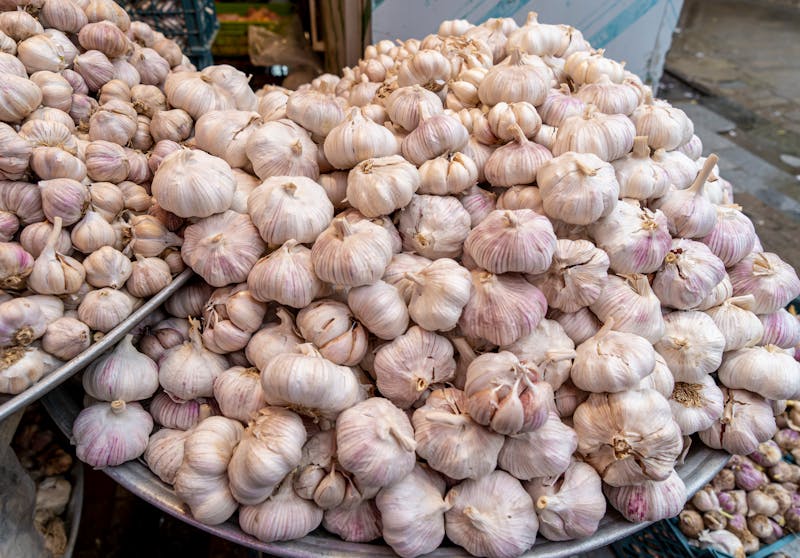
Yes, garlic can cause diarrhea or stomach pain in some people.
The reasons range from natural compounds that irritate the gut to how your body processes specific carbohydrates found in garlic. Fortunately there is good news! Once you understand why it happens, you can often prevent it without cutting garlic out completely.
You can read more about this in our extensive article: Can Garlic Cause Diarrhea and Stomach Pain?
Can Garlic Help With Hormonal Imbalance?
Garlic may help support hormonal balance by reducing inflammation and supporting metabolism, but it does not directly increase estrogen levels or replace medical treatment.
For people experiencing menopause or low estrogen, garlic can be a healthy addition to the diet, though its effects are supportive rather than hormonal.
More information can be found in our detailed article: Does Garlic Increase Estrogen Levels?
Does Garlic Help With Skin Problems And Hair Loss?
Thanks to its anti-inflammatory and antibacterial properties, garlic may have a positive effect on skin health. Problems such as acne and pimples may be reduced by using garlic in various ways.
Additionally, thanks to its bioactive compounds and anti-inflammatory effects, garlic may help reduce hair loss. However, garlic should be used with caution. We explain the methods and potential risks in our article: Does Garlic Help With Hair Loss?
How Long Does Garlic Stay in Your Body?
Garlic can stay in your body for up to 48 hours.
Garlic breath is typically 8 hours, and body odor (through skin): up to 24 hours or more.
You can learn more in our article: How Long Does Garlic Stay in Your System?
Can Garlic Lower Blood Sugar?
Garlic may help support healthy blood sugar levels, but it is not a substitute for medication. Some studies show modest benefits for glucose control and insulin sensitivity.
These effects are mainly linked to allicin, sulfur compounds, and antioxidants.
Learn more in our article: Can Garlic Lower Blood Sugar And How To Use It/
Garlic vs Onion: Which is Better ?
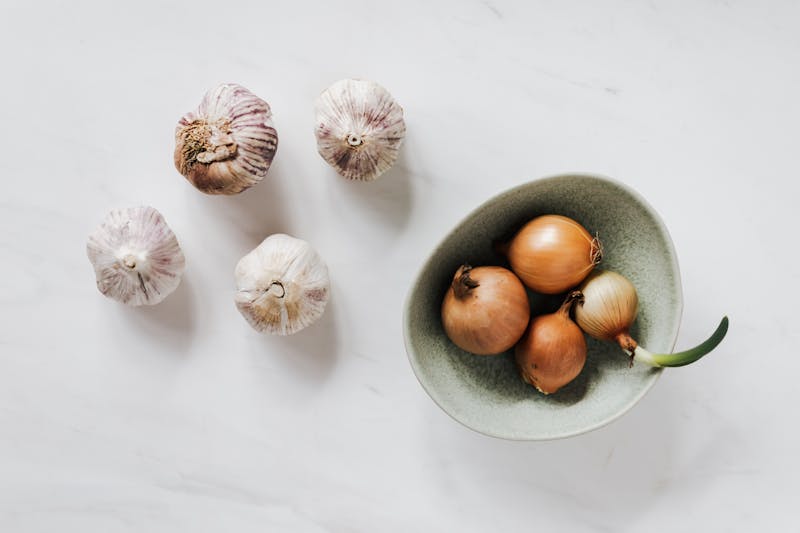
Both garlic and onion are highly nutritious, but they serve slightly different roles. Garlic tends to have stronger medicinal properties, while onion is more suitable for regular, everyday consumption. Garlic offers more powerful antibacterial and cardiovascular benefits, whereas onions provide milder, long-term support for overall health.
Garlic – more potent effects (antibacterial, supports blood pressure)
Onion – better for daily use, supports gut health and provides antioxidants
Both – contribute to immunity and general well-being
You can find more information in our article comparing the Nutritional Properties of Garlic and Onion.
Is Garlic Powder As Healthy As Raw Garlic?
Fresh garlic is generally considered healthier because it contains allicin — the powerful compound behind many of garlic’s health benefits. Garlic powder is more convenient and still provides some beneficial nutrients, but its active compounds are much less potent. We explain this in detail in our article: Garlic vs Garlic Powder, Nutritional Differences.
How to Eat Garlic for Maximum Health Benefits?
The most effective way to consume garlic for optimal health benefits is to crush or chop 1–2 cloves, let them sit for 5–10 minutes, then eat them raw or stir them into food at the very end of cooking.
This process helps protect allicin — the main active compound behind many of garlic’s powerful health properties.
All other factors, such as timing, preparation method, and food pairings, are secondary to this key principle.
You can learn more in our article: How to Eat Garlic for Maximum Health Benefits.
Fermented Garlic And Honey
Garlic and honey is a unique recipe that is gaining popularity. Its main benefits include:
- a combination of the bioactive compounds from both ingredients
- no loss of nutrients in garlic and excellent bioavailability
- gentle on the digestive system
- a positive effect on immunity
Garlic in Traditional Diets
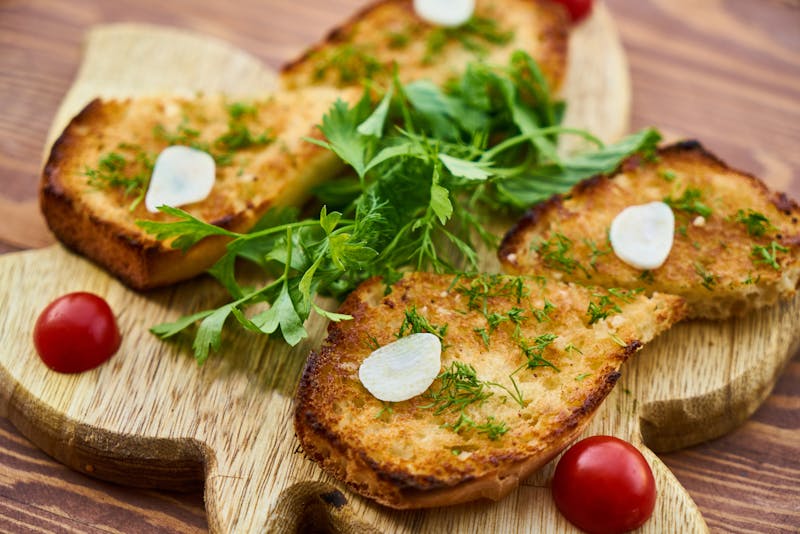
Garlic has been used in traditional diets for thousands of years. Its strong flavor, long shelf life, and versatility made it an important ingredient in many culinary cultures.
Mediterranean Cuisine
Garlic plays a key role in Mediterranean cooking, where it is commonly added to olive oil, vegetables, legumes, seafood, and sauces. Dishes such as garlic-infused olive oil, tomato sauces, and roasted vegetables often rely on garlic for flavor.
The Mediterranean dietary pattern, which includes vegetables, whole grains, legumes, olive oil, and herbs, is frequently associated with overall healthy eating patterns.
Asian Cuisine
Garlic is also widely used in Asian cuisines, including Chinese, Korean, and Thai cooking. It is often sautéed with ginger, chili, and vegetables to create flavorful bases for soups, stir-fries, and sauces.
In many Asian dishes, garlic is combined with soy sauce, sesame oil, or fermented ingredients to create complex flavors.
Middle Eastern and European Cooking
Garlic is an essential ingredient in many Middle Eastern and European dishes as well. It is used in sauces such as garlic yogurt sauces, spreads, and marinades for meat and vegetables.
Across many cultures, garlic is valued not only for its taste but also for its ability to enhance the overall flavor profile of meals.
Storage and Preparation of Garlic
Proper storage and preparation can help preserve the flavor and quality of garlic.
How to Store Garlic
Whole garlic bulbs should be stored in a cool, dry place with good air circulation. A pantry or kitchen cabinet away from direct sunlight is usually ideal.
Garlic should not be stored in airtight containers because it needs airflow to prevent moisture buildup and spoilage.
Once a bulb is broken and individual cloves are separated, the cloves should be used within several days for the best flavor.
Preparing Garlic for Cooking
Garlic cloves can be prepared in several ways depending on the desired flavor intensity.
Common preparation methods include:
- crushing garlic with a garlic press
- finely chopping garlic with a knife
- slicing garlic for sautéing
- roasting whole cloves
Crushing or chopping garlic activates enzymes that help form certain sulfur compounds. Some culinary experts suggest letting chopped garlic sit for several minutes before cooking to allow these compounds to develop.
You can learn more about this in our article: How to Eat Garlic for Maximum Health Benefits.
What About Sprouted Garlic?
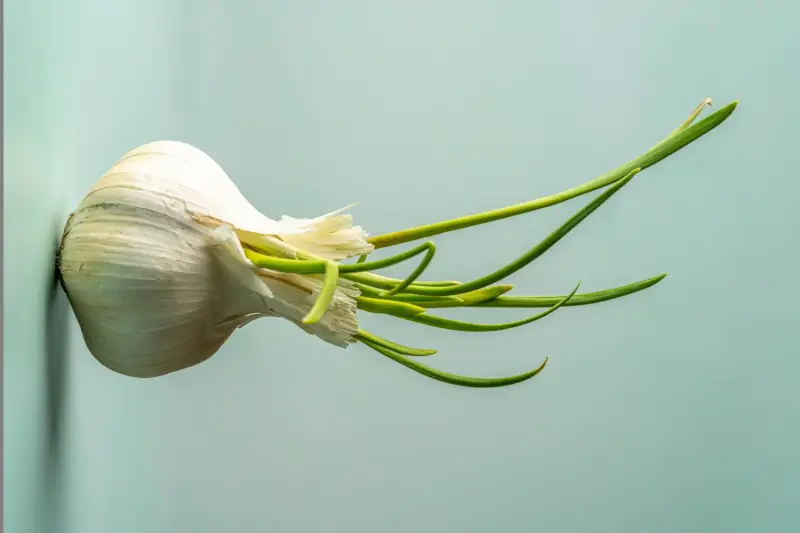
A green shoot growing from the center of a garlic clove is usually a sign that the garlic has started to grow again, not that it has gone bad. If the clove is still firm and shows no signs of mold or decay, it is generally safe to eat.
You can read more in our article: Can You Eat Sprouted Garlic? What is the Difference Between Sprouted & Fresh Garlic.
Additional Culinary Uses of Garlic
Garlic is one of the most versatile ingredients in home cooking. It can be used in a wide variety of meals and preparation styles.
Common culinary uses include:
- sautéing garlic with vegetables as a base for soups and stews
- mixing garlic into salad dressings and marinades
- roasting garlic with root vegetables
- adding garlic to pasta sauces and grain dishes
Garlic is also frequently used in combination with herbs such as parsley, basil, oregano, and thyme. These combinations are common in Mediterranean-style cooking and provide both flavor and additional plant compounds.
Using garlic regularly in cooking can help increase the variety of plant-based ingredients in the diet.
You may also like:
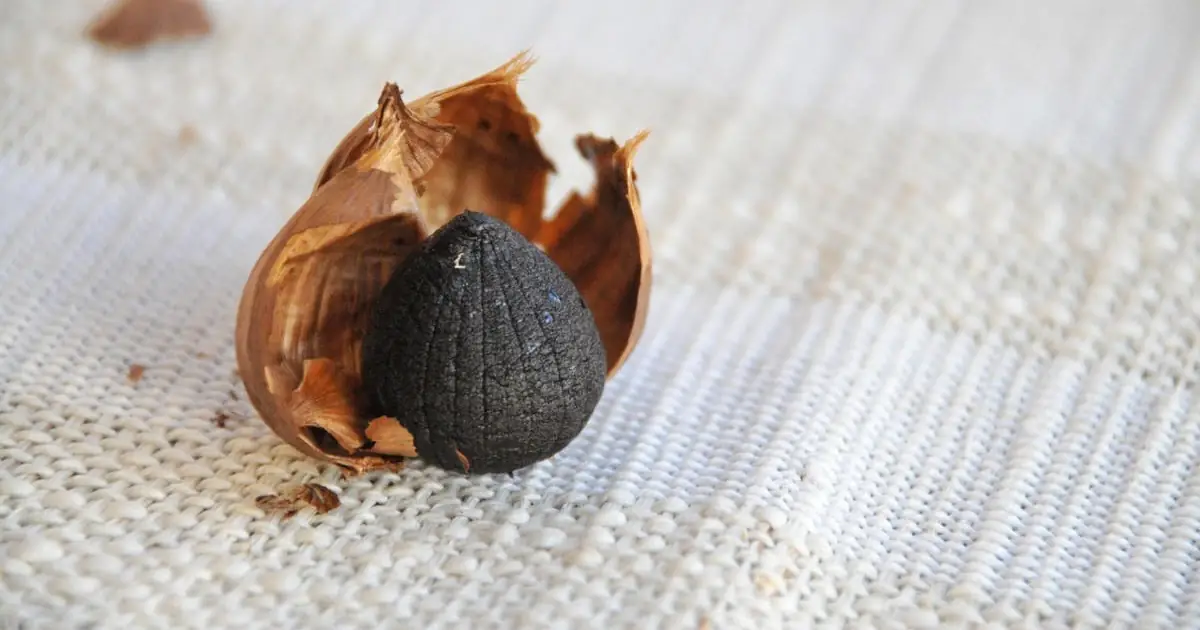
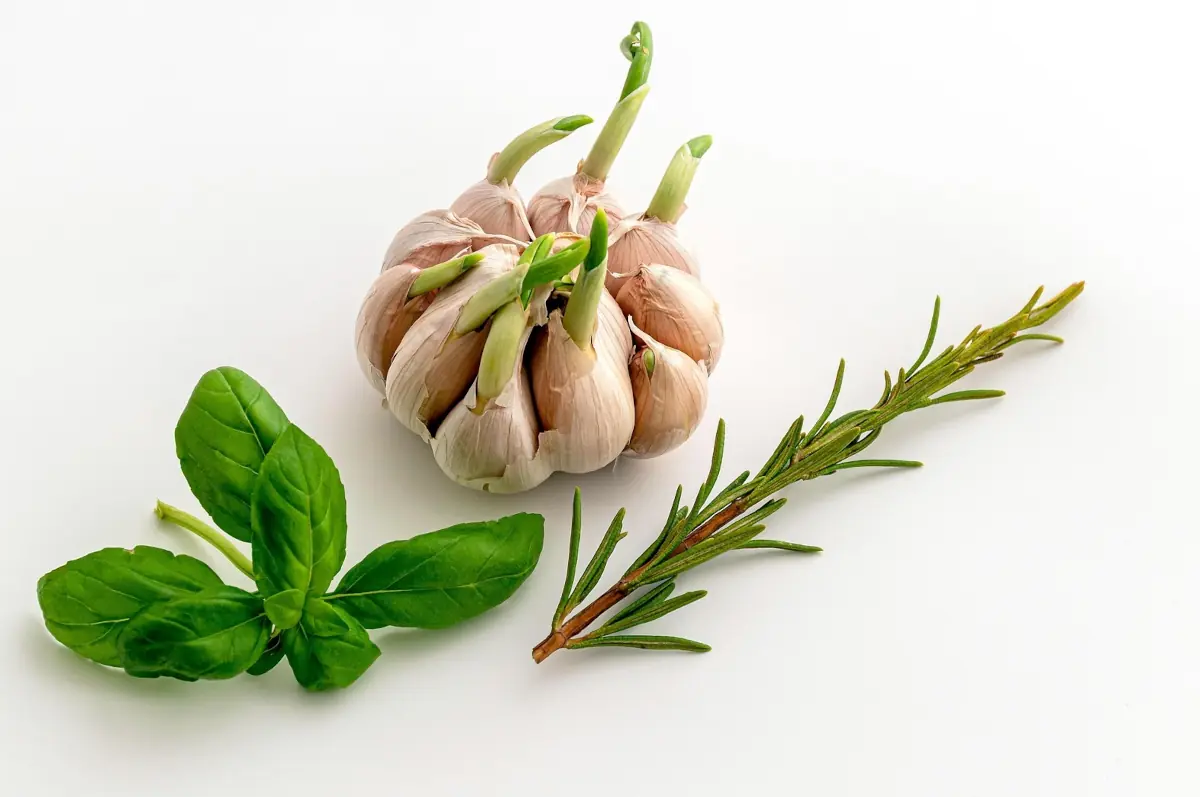
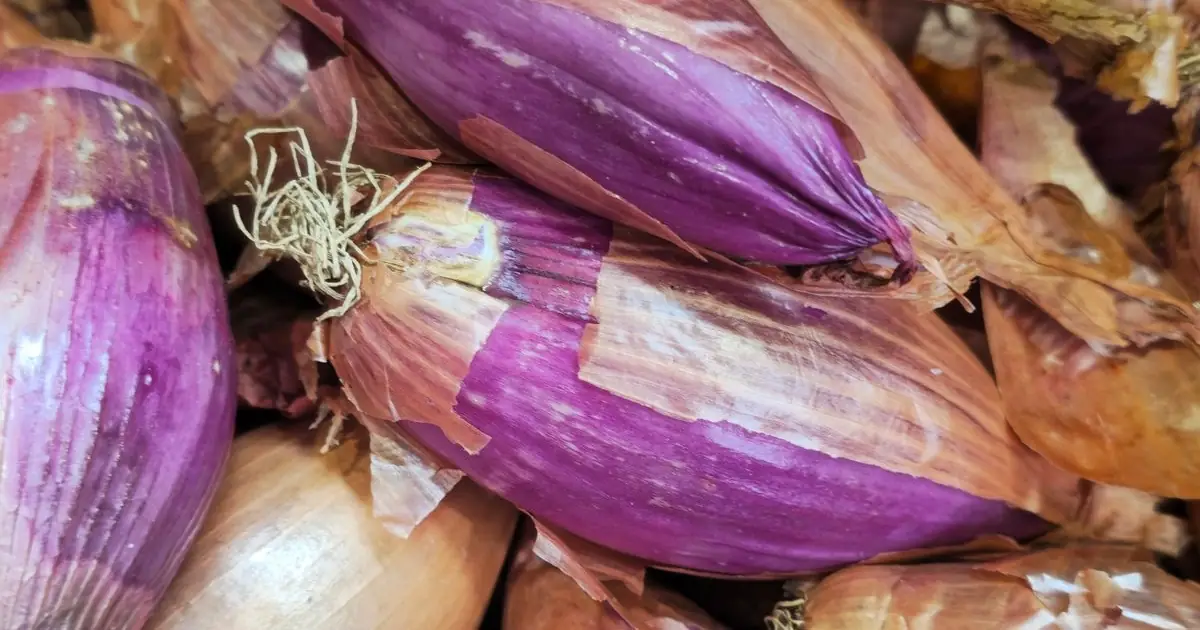
Garlic: Comparison Articles and Interesting Pairings
We recommend reading the articles in which we compare garlic with other natural products in terms of nutritional value and health benefits:
- comparison of the Nutritional Value of Garlic and Onion
- differences between Raw and Cooked Garlic.
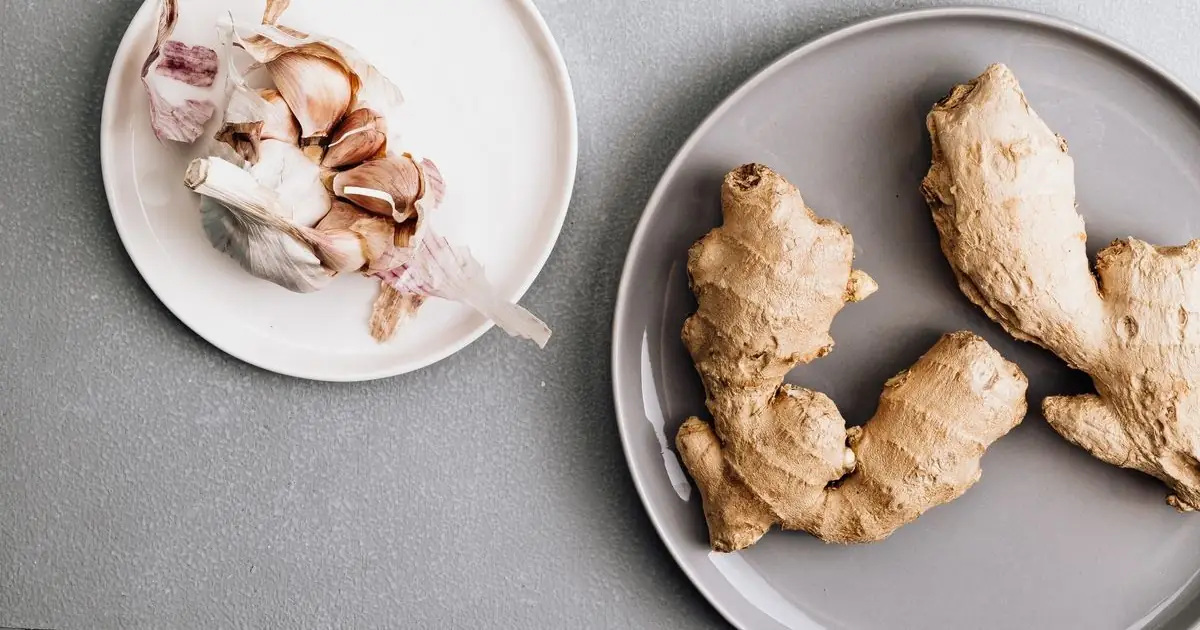
- Garlic and Ginger: 10 Benefits, Nutrition, Uses, and What Research Shows
- Garlic vs Garlic Chives Whats The Difference
- Garlic Powder vs Fresh Garlic Nutritional Differences
FAQ – Nutrition and Health Benefits
How much garlic should you eat per day?
For most healthy adults, one to two cloves of garlic per day is a common amount used in cooking and considered safe.
Can garlic help with cholesterol or blood pressure?
Some clinical studies suggest garlic may help support healthy cholesterol levels and mild blood pressure regulation. The effects tend to be modest and work best as part of an overall healthy lifestyle.
Does garlic lose nutrients when cooked?
Cooking can reduce some of garlic’s active compounds, especially allicin. However, garlic still retains many beneficial phytochemicals after cooking.
Why does garlic smell so strong?
Garlic’s strong smell comes from sulfur compounds that are released when the cloves are chopped, crushed, or chewed. The most well-known of these compounds is allicin.
Can garlic help support metabolism?
Garlic contains compounds that may influence metabolic processes related to fat metabolism and insulin sensitivity, although research results vary.
What is the best time to eat garlic?
Any time is good, but avoid eating on an empty stomach.
What Vitamins Are in Garlic?
Garlic contains several vitamins, including vitamin C, vitamin B6, and smaller amounts of folate and other B vitamins. The amounts are relatively modest because garlic is normally eaten in small portions, so it is better viewed as a source of beneficial plant compounds rather than a major vitamin source.
Is Garlic a Vegetable?
Yes, garlic is a vegetable. It belongs to the Allium genus, along with onions, shallots, leeks, and chives. The part we eat is the bulb, which grows underground and consists of several cloves. Although garlic is often used in small amounts as a seasoning, botanically and nutritionally, it is considered a vegetable.
Is garlic acidic?
Garlic is mildly acidic, with a pH that generally falls around 5.5 to 6.5, although the exact value can vary. Despite its relatively mild acidity, raw garlic may irritate the stomach and worsen symptoms of acid reflux or heartburn in some people. Cooking garlic can make it easier to tolerate, but individual reactions differ. Garlic does not necessarily increase stomach acid production in everyone, and people with reflux may tolerate small amounts of cooked garlic better than raw garlic.
Conclusion
Garlic is a widely used culinary ingredient that offers more than just flavor. It provides vitamins, minerals, and a variety of sulfur-containing compounds such as allicin. These compounds have attracted scientific interest due to their potential biological activities.
Although garlic alone cannot replace medical treatments or a balanced diet, including it regularly in meals may contribute to overall nutritional quality. As part of a varied diet rich in whole foods, garlic can be a valuable addition to everyday cooking.
Sources
To improve the scientific credibility of this article, the following reputable sources were consulted:
- National Institutes of Health – Office of Dietary Supplements
- World Health Organization nutrition reports
- Harvard T.H. Chan School of Public Health – The Nutrition Source
- United States Department of Agriculture FoodData Central
- Rivlin, R.S. (2001). Historical perspective on the use of garlic. Journal of Nutrition.
- Bayan, L., Koulivand, P., & Gorji, A. (2014). Garlic: A review of potential therapeutic effects. Avicenna Journal of Phytomedicine.


Pingback: Garlic Nutritional Value: A Detailed Breakdown of Vitamins, Minerals and Bioactive Compounds – Nutrition From Food
Pingback: How to Use Garlic for Acne Overnight (Does It Really Work?)
Pingback: How to Get Allicin from Garlic (and How to Maximize It)
Pingback: Fermented Garlic and Honey: Benefits, Recipe, Safety & Botulism Guide
Pingback: Does Garlic Repel Mosquitoes? Garlic, Oil, Sprays & Research