Quick answer:
To get allicin from garlic, crush or chop a clove, wait 5–10 minutes, and avoid high heat.
This activates the enzyme needed to form allicin — the compound responsible for most of garlic’s health benefits.
What Is Allicin in Garlic?
Allicin (C6H10OS2) is a bioactive sulfur compound formed when garlic is damaged (cut, crushed, or chewed). It’s not present in whole garlic cloves — it’s created only after preparation.
It’s best known for:
- antimicrobial effects
- cardiovascular support
- antioxidant activity
In simple terms: allicin is what makes garlic “medicinal.”
This article is part of our complete guide to garlic. For a full overview, see Garlic: Nutrition, Health Benefits and Bioactive Compounds.
How Allicin Is Formed in Garlic (Simple Explanation)
Inside garlic, there are two key components:
- alliin (a sulfur compound)
- alliinase (an enzyme)
When you crush garlic:
These two mix → a chemical reaction happens → allicin is formed
The catch?
- this reaction takes time
- and allicin is very unstable
How to Get Allicin from Garlic (Step-by-Step)
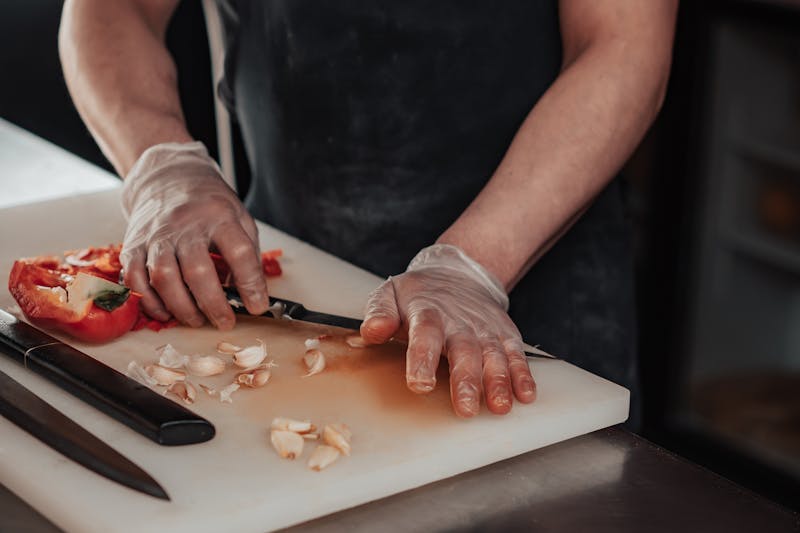
Follow this exact method:
- Crush or finely chop 1 clove of garlic
- Wait 5–10 minutes (critical step)
- Eat raw or add at the end of cooking
Practical examples:
Crush garlic → wait → mix with olive oil and lemon
Crush garlic → wait → add to yogurt or sauce
Crush garlic → wait → spread on toast
This is the simplest way to actually get the benefits.
How to Activate Allicin in Garlic
Allicin is activated by damage + time
To activate it:
- break the garlic structure (crushing works best)
- allow the enzyme reaction to occur
No crushing = no allicin
How Long to Wait After Crushing Garlic for Allicin?
Wait about 5–10 minutes
This allows enough time for:
- alliin + alliinase → convert into allicin
Cooking immediately after crushing can stop this process.
How to Maximize Allicin in Garlic
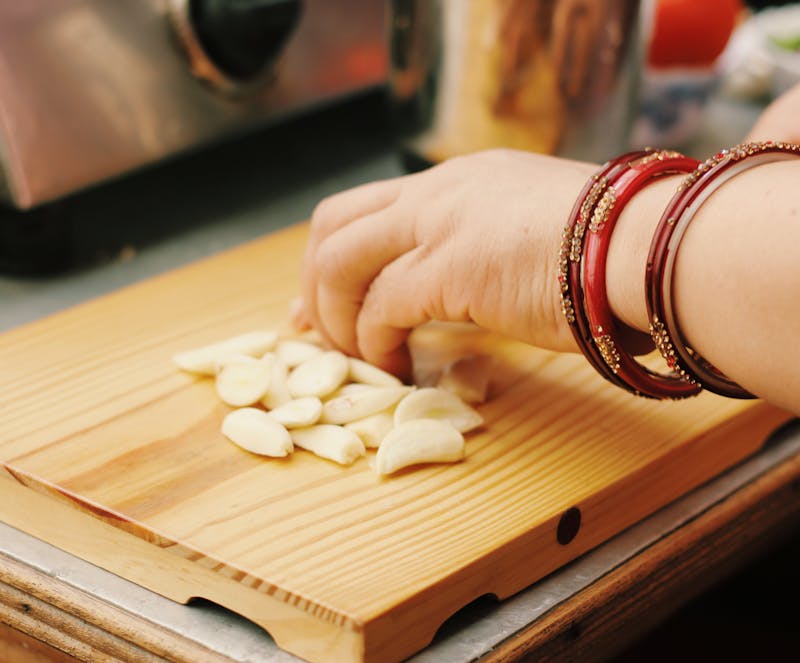
If you want the highest possible allicin content:
- ✔️ crush garlic (don’t leave whole)
- ✔️ wait before heating
- ✔️ avoid high temperatures
- ✔️ use fresh garlic
Best real-life method:
Crush 1 clove → wait 10 minutes → add to food after cooking
This balances:
- effectiveness
- taste
- practicality
Does Cooking Destroy Allicin?
Yes — high heat can destroy allicin
Allicin is:
- heat-sensitive
- unstable
However:
- if you wait before cooking, some benefits remain
- lower heat = better preservation
Best practice:
add garlic at the end of cooking
Raw vs Cooked Garlic: Which Has More Allicin?
Raw garlic has more allicin
Raw:
- maximum allicin
- strongest biological effect
Cooked:
- less allicin
- milder, easier to digest
Best approach:
use both — but include some raw garlic regularly.
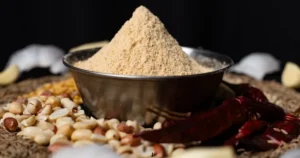
Does Garlic Powder Have Allicin?
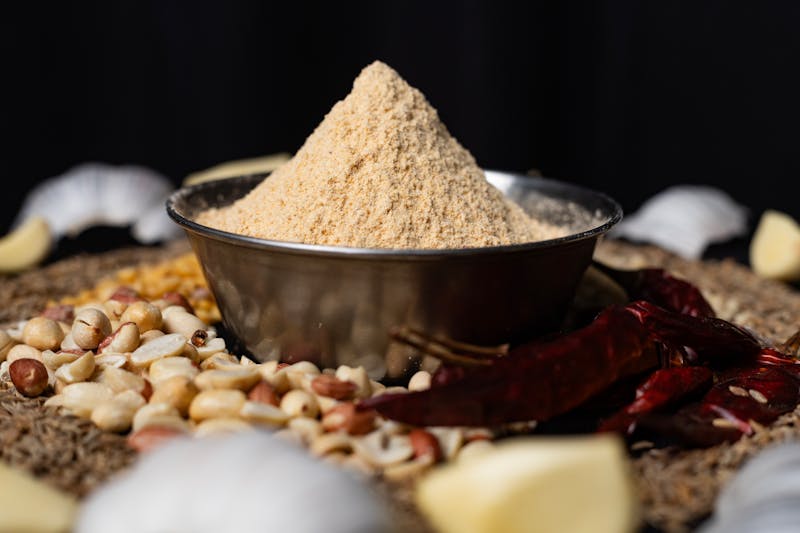
Usually no
- is processed and dried
- often lacks active enzymes
Without enzymes:
allicin cannot form
It still has some benefits, but not the same effect as fresh garlic.
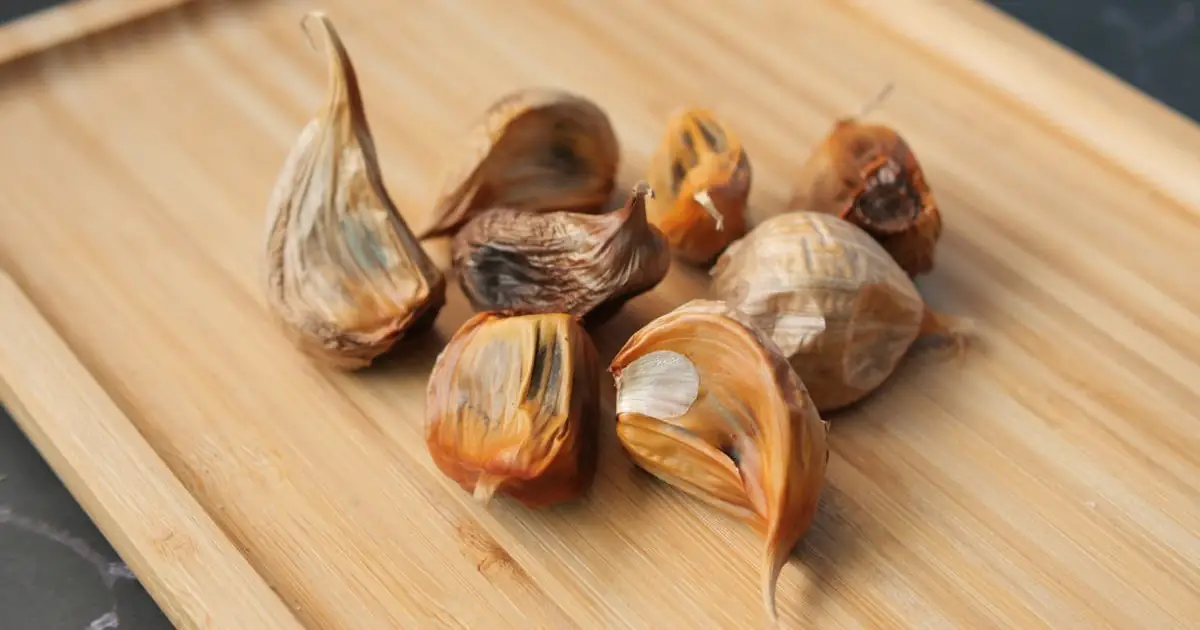
Does Aged Garlic Extract Contain Allicin?
No — but it works differently
- contains stable compounds
- is easier to tolerate
But:
- it does not contain active allicin
- it works through other mechanisms
It’s an alternative — not a replacement.
Health Benefits of Allicin (What Science Suggests)
Allicin is linked to:
- improved cardiovascular health
- antimicrobial activity
- antioxidant effects
- reduced inflammation
- antifungal effects
Some research suggests it may support:
- blood pressure regulation
- immune function
These benefits depend heavily on how garlic is prepared.
Why Allicin Disappears So Quickly
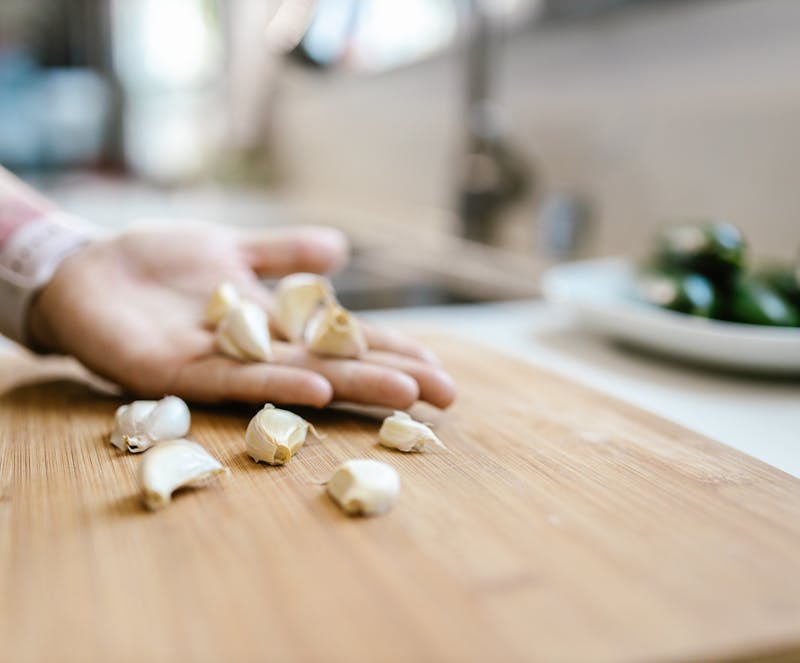
Allicin is highly unstable
It breaks down due to:
- heat
- time
- air exposure
That’s why:
- fresh preparation matters
- timing matters
- cooking method matters
Common Mistakes That Destroy Allicin
- swallowing whole cloves
- cooking immediately after chopping
- overheating garlic
- relying only on processed forms
The biggest mistake:
not activating the enzyme reaction
Best Way to Eat Garlic to Get Allicin (Quick Summary)
If you remember one thing:
- crush garlic
- wait 5–10 minutes
- avoid high heat
This simple method gives you the most benefit.
Read More Articles About Garlic
FAQ ( Frequently Asked Questions )
Do you need to crush garlic to get allicin?
Yes — crushing activates the enzyme needed to form allicin.
Can you get allicin from cooked garlic?
Only partially, and much less than from raw garlic.
How much allicin is in garlic?
It varies, but depends mainly on preparation method.
Can you get allicin from supplements?
Most supplements do not provide active allicin, but may contain other compounds.
Summary
If you want to get the most out of garlic, everything comes down to one simple process:
Crush → wait → use correctly
- Crush or chop garlic to activate allicin
- Wait 5–10 minutes to allow it to form
- Avoid high heat to preserve it
Fresh garlic prepared properly delivers the strongest effects, while processed forms like powder or aged extracts work differently and may not provide active allicin.
In practice, small daily habits — like adding freshly crushed garlic to meals — can make a meaningful difference over time.
Sources
- National Institutes of Health – Garlic: Fact Sheet for Health Professionals
- National Center for Biotechnology Information – Studies on allicin formation, stability, and bioactivity
- Critical Reviews in Food Science and Nutrition – Reviews on garlic processing and compound stability
- World Health Organization – Diet and chronic disease prevention
- Harvard T.H. Chan School of Public Health – Overview of garlic and health effects