Quick answer:
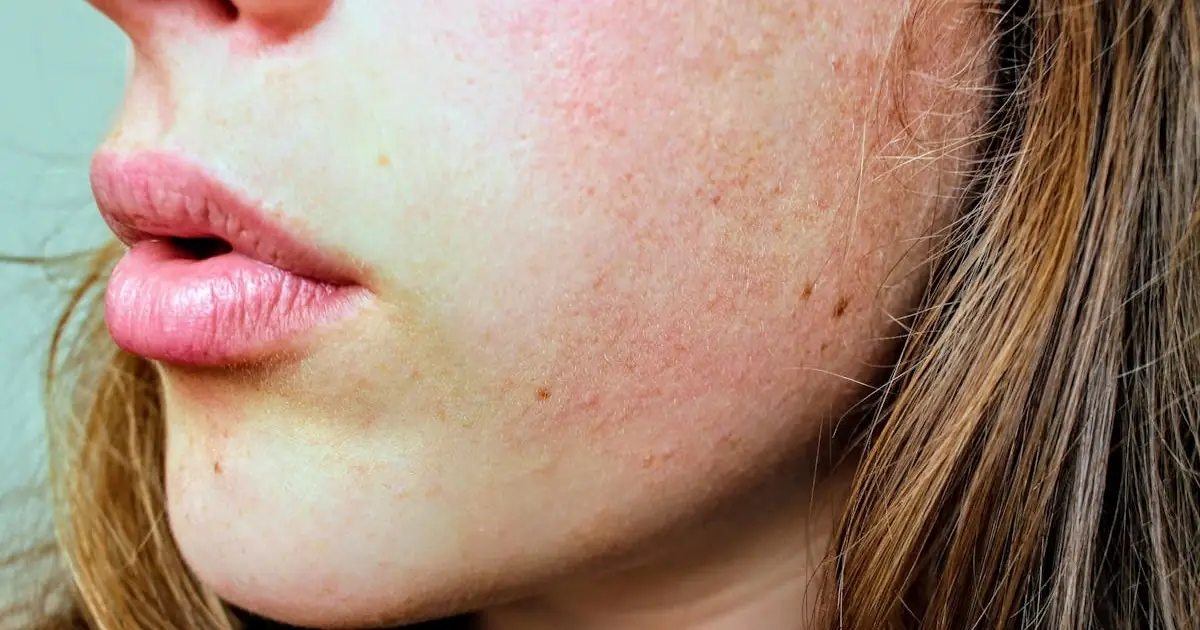
Garlic can help reduce a pimple overnight thanks to its antibacterial and anti-inflammatory properties — but applying it directly to the skin can also cause irritation or even burns if used incorrectly.
Garlic isn’t just a kitchen staple — it has been used for centuries as a natural antibiotic in traditional medicine.
So it’s no surprise that people are now asking:
Can garlic actually get rid of a pimple overnight?
The truth is more nuanced.
Garlic contains powerful compounds that can fight acne-causing bacteria
But using it improperly can damage your skin
In this guide, you’ll learn:
- how garlic works for acne
- how to use it safely (step-by-step)
- what results to realistically expect
- and when you should avoid it completely
This article is part of our complete guide to garlic. For a full overview, see Garlic: Nutrition, Health Benefits and Bioactive Compounds.
The Science: Why Garlic Works for Pimples
Allicin: Natural Antibacterial Power
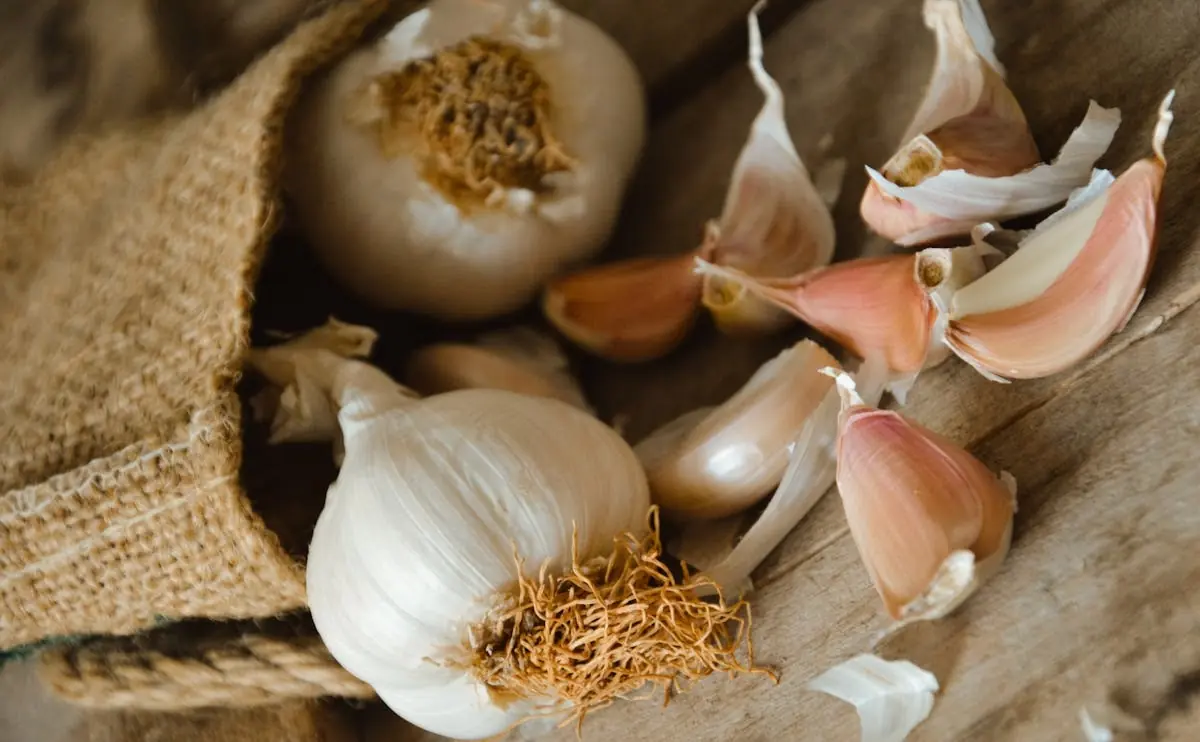
When garlic is crushed, it produces allicin — a potent compound with antibacterial properties.
It may help fight:
- Cutibacterium acnes (formerly Propionibacterium acnes)
- other bacteria that contribute to breakouts
This is the main reason garlic is considered a natural acne remedy.
Anti-Inflammatory Effects
Garlic may also:
- reduce redness
- calm inflammation
- help shrink swollen pimples
This can make a pimple appear smaller and less noticeable overnight.
Zinc & Vitamin C
Garlic contains small amounts of:
- zinc → supports skin healing
- vitamin C → supports repair and reduces oxidative stress
While not the main factor, they contribute to overall skin recovery.
Additionally, garlic contains many unique bioactive components.
How to Use Garlic for Acne Safely (Step-by-Step)
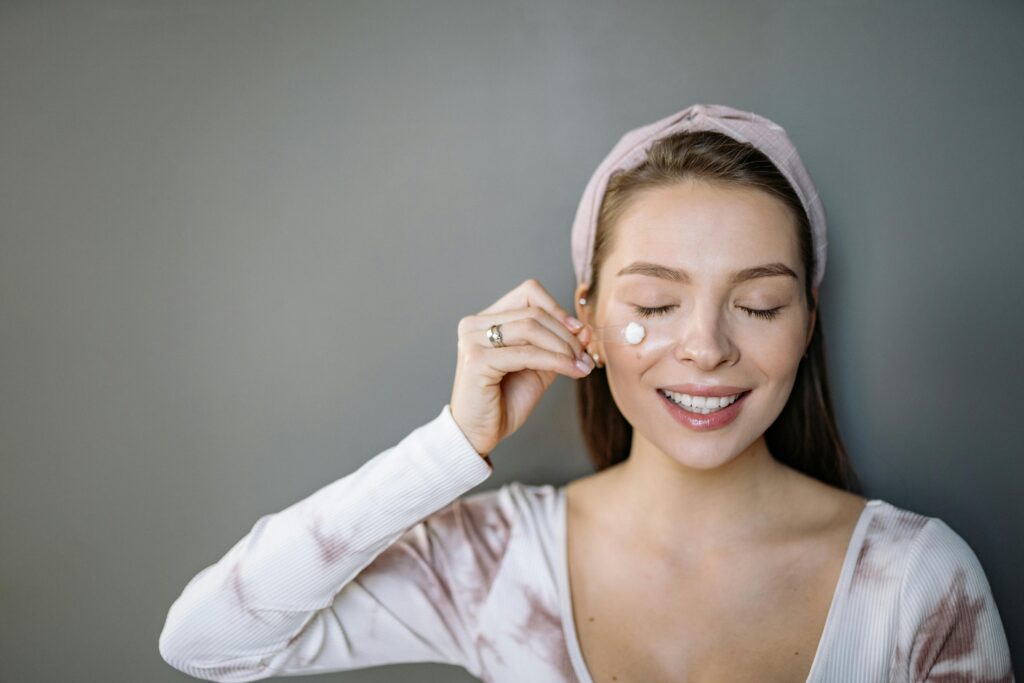
This is the most important section — using garlic incorrectly is where most people go wrong.
Step 1: Patch Test (Essential)
Before applying garlic to your face:
- apply a small amount to your inner forearm
- wait 24 hours
- check for redness, burning, or irritation
If irritation occurs — do NOT use it on your face.
Step 2: Preparation
Always use:
fresh garlic (not powder or supplements)
How to prepare:
- crush 1 clove
- let it sit for 5–10 minutes (to activate allicin)
Step 3: Application Methods
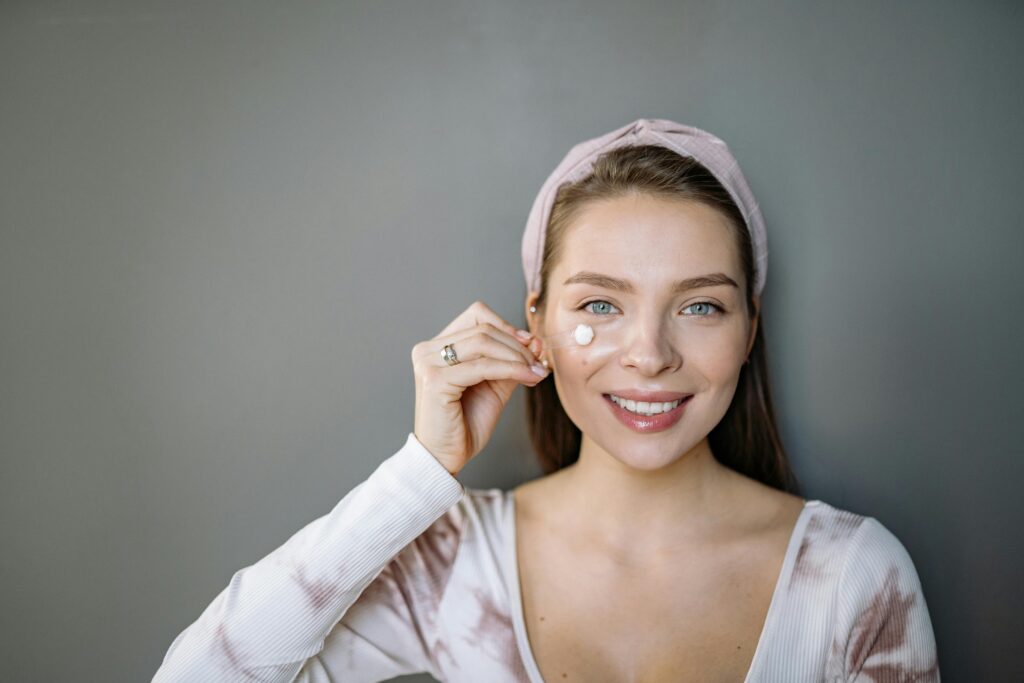
Raw Juice Method (Stronger)
- extract a small amount of juice from crushed garlic
- apply directly to the pimple using a cotton swab
Do NOT rub aggressively.
Diluted Method (Safer)
For sensitive skin:
- mix garlic juice with:
- water
- aloe vera gel
- or honey
This reduces irritation while still delivering benefits.
Step 4: Duration (Very Important)
Garlic should NOT be left on the skin overnight (especially at first)
Start with:
- 5–10 minutes maximum
If tolerated:
- you may increase slightly over time
“Overnight use” is risky and often unnecessary.
Precautions & Side Effects
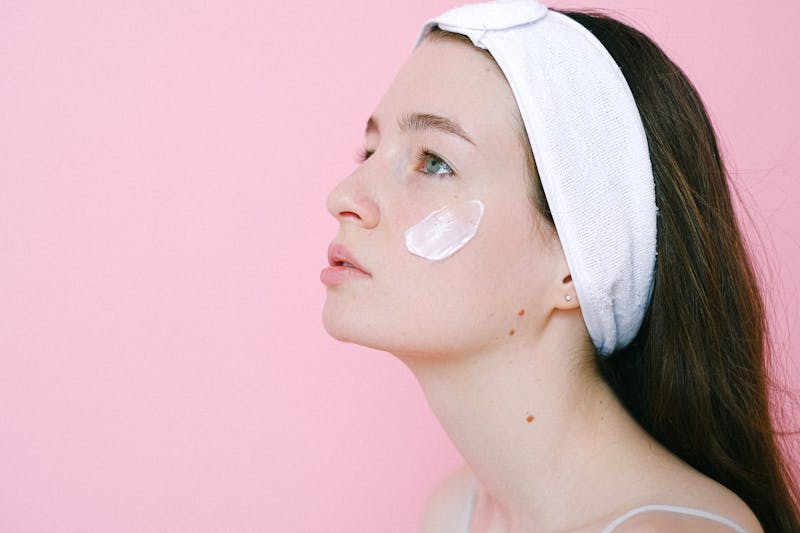
Garlic Burns (Real Risk)
Garlic can cause chemical burns
Why?
- it contains strong sulfur compounds
- prolonged exposure damages skin
Symptoms:
- redness
- stinging
- peeling
- blistering (in severe cases)
Who Should Avoid Garlic on Skin?
Do NOT use garlic if you have:
- sensitive or reactive skin
- rosacea or broken capillaries
- eczema or dermatitis
The Smell Factor
Garlic smell can linger.
To reduce it:
- wash with a gentle cleanser
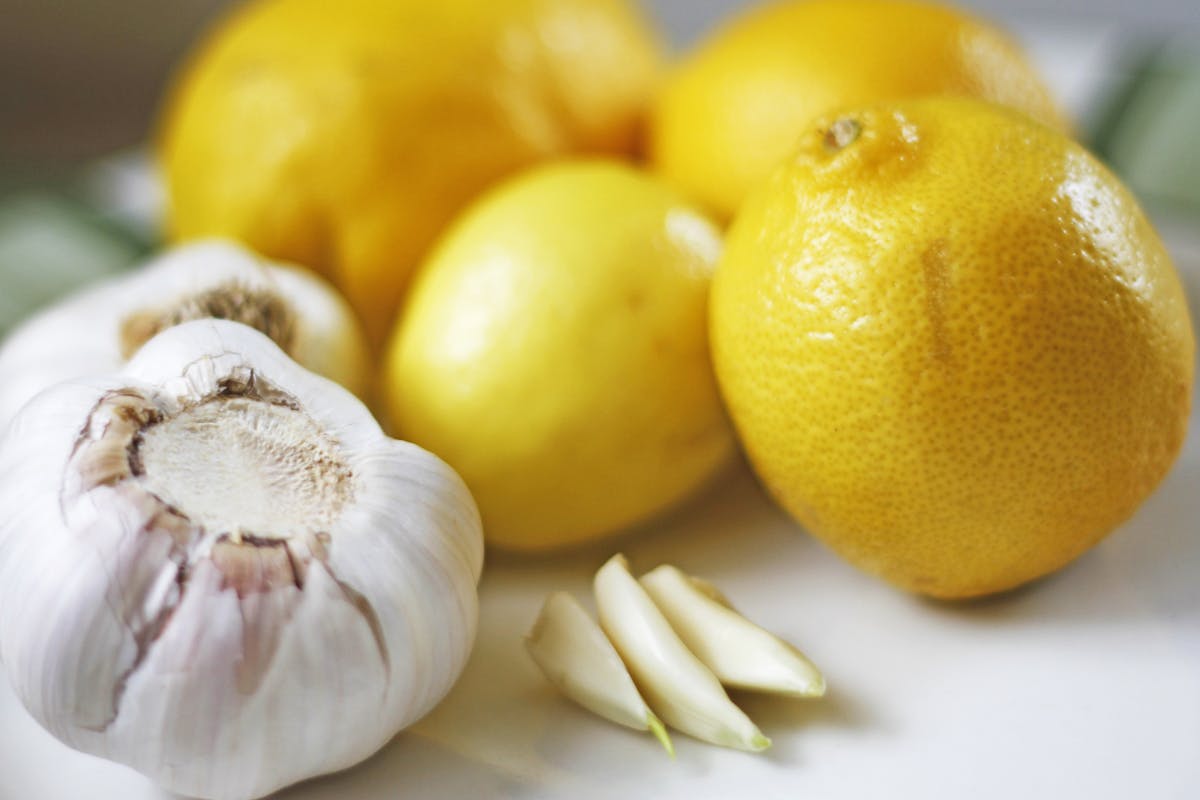
- use lemon water (mildly)
- apply toner afterward
Additionally, there are also good methods to get rid of garlic breath after consuming
Garlic vs. Other Natural Acne Remedies
How does garlic compare?
Garlic
- very strong antibacterial
- high irritation risk
Tea Tree Oil
- proven anti-acne effects
- more controlled use
Manuka Honey
- soothing and antibacterial
- very gentle
- slower results
Summary:
Garlic is stronger — but harder to use safely
Real Results: What to Expect Overnight?
Let’s be realistic:
- the pimple will NOT disappear completely
- but it may:
- shrink
- become flatter
- look less red
Best-case scenario:
visible improvement — not a full cure
Garlic can also be used to help reduce hair loss. In our article, you will learn about the effects of garlic on hair growth.
When Garlic Won’t Help
Garlic is less effective for:
- deep cystic acne
- hormonal acne
- severe breakouts
These require a more comprehensive approach.
Diet Matters: Treat Acne from the Inside
opical treatments help — but diet plays a major role in skin health.
To support clearer skin, include:
- foods rich in antioxidants (berries, vegetables)
- zinc sources (nuts, seeds, whole grains)
- healthy fats (olive oil, fish)
- enough water (hydration supports skin repair)
Limit:
- high sugar intake
- ultra-processed foods
- excessive dairy (in some individuals)
Healthy skin starts from within — not just what you apply on it.
Better Alternatives for Regular Use (Important Addition)
If you’re dealing with acne regularly, garlic should be:
An occasional emergency fix — not a daily solution
Better long-term options:
- salicylic acid
- niacinamide
- gentle skincare routine
Garlic = short-term support, not a skincare system.
Read More Articles About Garlic:
FAQ ( Frequently Asked Questions )
Can garlic remove a pimple overnight?
It may reduce its size and redness, but won’t completely remove it.
Is it safe to leave garlic on skin overnight?
No — this increases the risk of irritation and burns.
How often can I use garlic for acne?
1–2 times per week maximum.
Does garlic kill acne bacteria?
Yes, it has antibacterial properties that may help.
Can garlic make acne worse?
Yes — if it irritates your skin, it can worsen inflammation.
Summary
Garlic can help reduce pimples thanks to its antibacterial and anti-inflammatory properties.
It may improve the appearance of acne overnight, but it won’t eliminate it completely.
Using garlic incorrectly can irritate or even burn the skin, so safety is essential.
It works best as an occasional, short-term remedy — not a daily treatment.
For long-term results, combine topical care with a healthy, balanced diet.
Sources
- National Center for Biotechnology Information – Research on allicin and its antibacterial properties against Cutibacterium acnes
- Journal of Antimicrobial Chemotherapy – Studies on garlic’s antimicrobial activity
- American Academy of Dermatology – Acne causes, treatments, and skin care guidelines
- National Institutes of Health – Garlic compounds and health effects
- Dermatology Reports – Case reports on garlic-induced skin irritation and burns