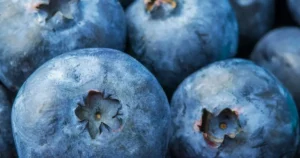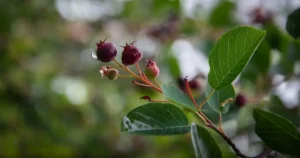
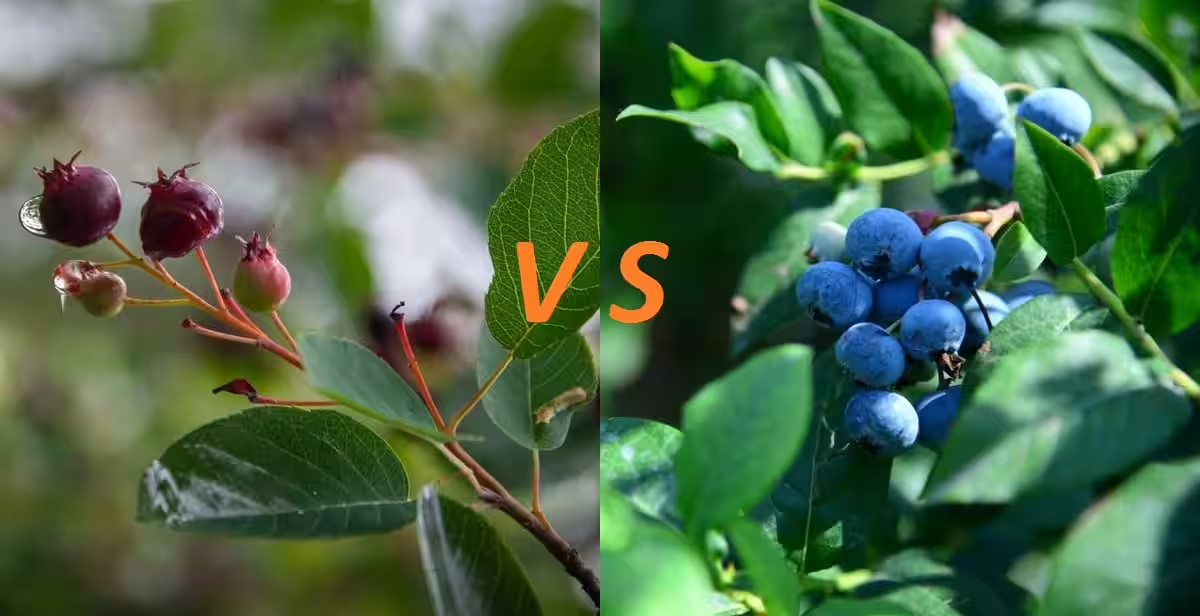
Serviceberries and blueberries may look similar, but they differ in taste, texture, and nutritional composition. Blueberries have a familiar, sweet-to-tart flavor that works well in almost any dessert, while serviceberries have a more distinctive taste that people tend to either enjoy or find unusual. Both fruits contain valuable nutrients, but serviceberries are particularly interesting because research on Saskatoon berries has identified anthocyanins and a wide range of other polyphenols.
So, which fruit is better? Blueberries are the more versatile choice for everyday snacks and desserts, but serviceberries are well worth trying for their distinctive flavor and nutritional value.
New to this fruit? Read our guide to What Serviceberries are, What They Taste Like, and How to Eat Them to learn the basics before comparing them with blueberries.
Serviceberry vs. Blueberry: Quick Comparison
| Feature | Serviceberry | Blueberry |
|---|---|---|
| Botanical genus | Amelanchier | Vaccinium |
| Appearance | Small, round fruits that often turn dark purple when ripe | Blue to blue-purple berries, often with a pale, waxy coating |
| Taste | Sweet, with distinctive notes that may resemble cherries or almonds | Usually sweet or mildly tart, with a familiar berry flavor |
| Texture | Seeds may be noticeable, with a slightly grainy texture | Juicy flesh with small seeds |
| Nutrition | Contains polyphenols, including anthocyanins, along with other nutrients | Contains fiber, vitamins, minerals, and anthocyanins |
| Availability | Often seasonal or grown in home gardens and orchards | Widely available fresh or frozen |
| Best uses | Fresh eating, jams, baking, drying, and freezing | Desserts, smoothies, breakfast dishes, and fresh snacks |
| Flavor appeal | Distinctive and not to everyone’s taste | Generally more familiar and versatile |
The exact taste and nutritional composition of serviceberries depend on the species and cultivar. Saskatoon berry (Amelanchier alnifolia) is one of the best-studied types.
What Is the Difference Between Serviceberries and Blueberries?
Although the fruits can look alike when ripe, serviceberries and blueberries come from different plant genera.
Serviceberries
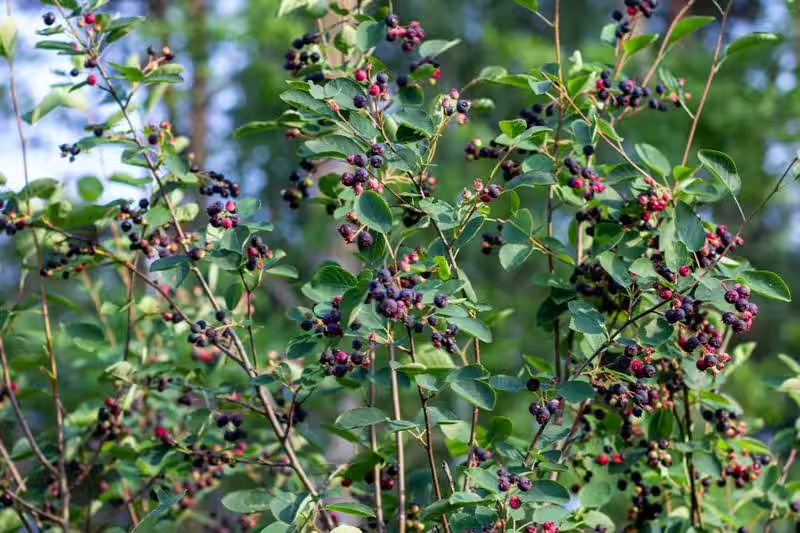
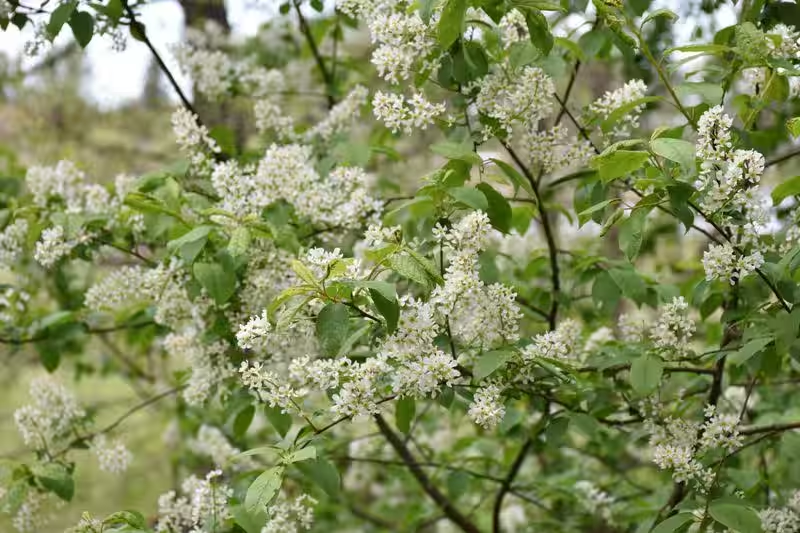
Serviceberries are fruits of plants in the genus Amelanchier, a group of shrubs and small trees in the rose family. Depending on the species and region, the fruits may also be called juneberries, Saskatoon berries, or shadbush berries.
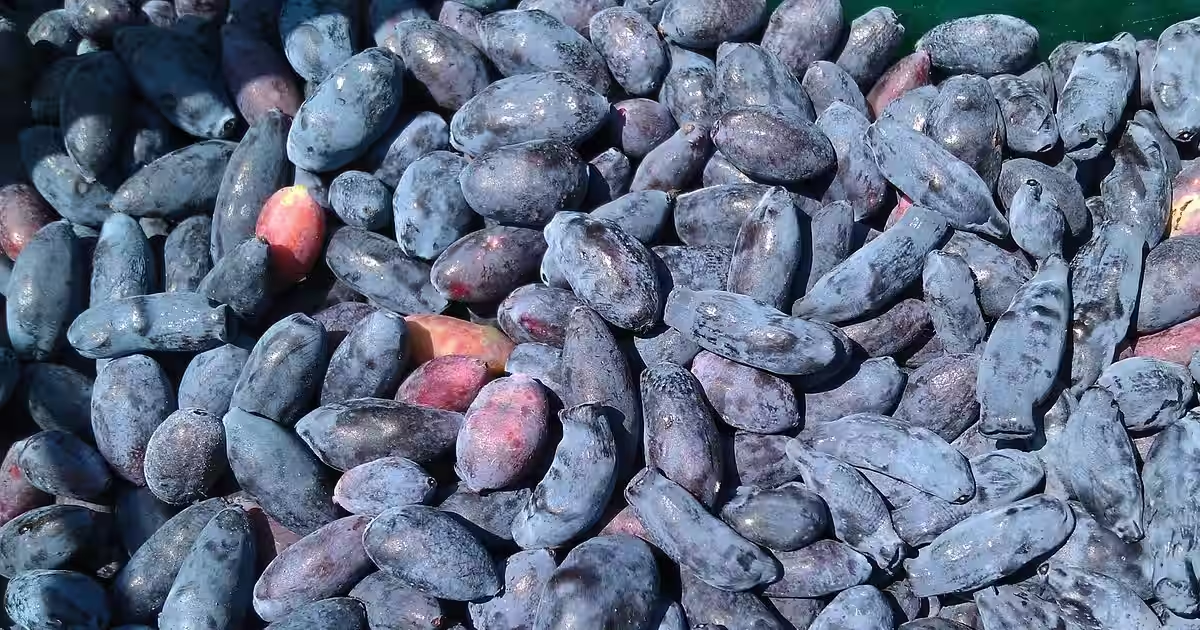
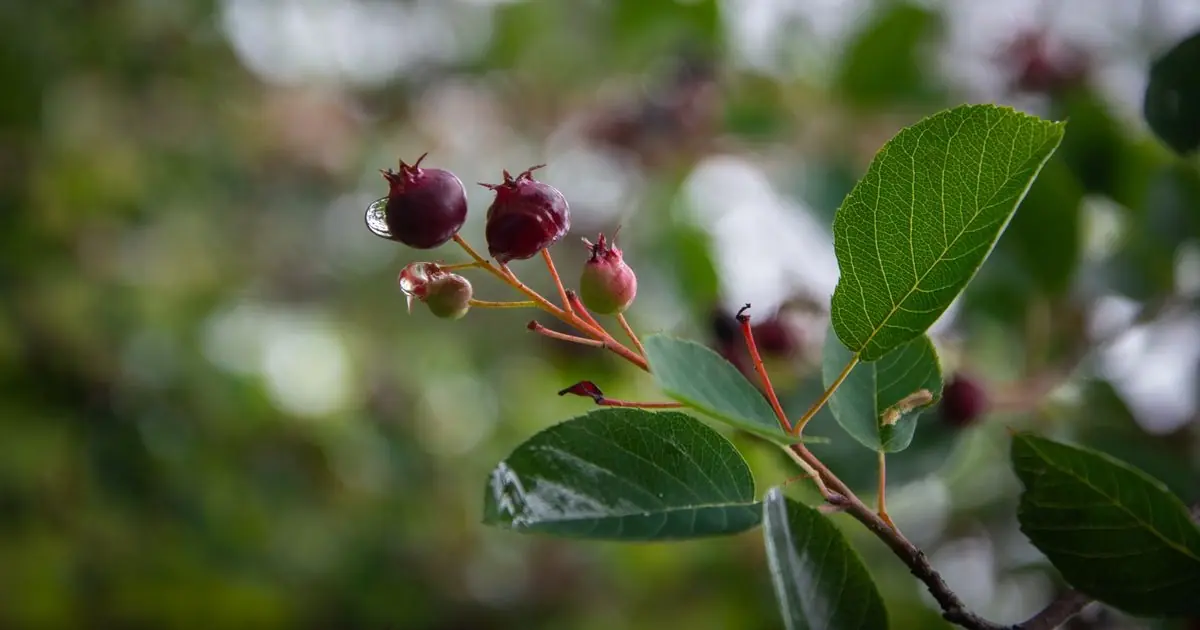
The berries generally change from green to red and eventually to dark purple or blue-purple as they ripen. Their appearance, flavor, and texture can vary among species.
Saskatoon berry, Amelanchier alnifolia, is especially well known for its edible fruit and is cultivated commercially in parts of North America. Some cultivars, including ‘Smoky’ and ‘Honeywood’, have also been studied for their phytochemical composition.
Blueberries
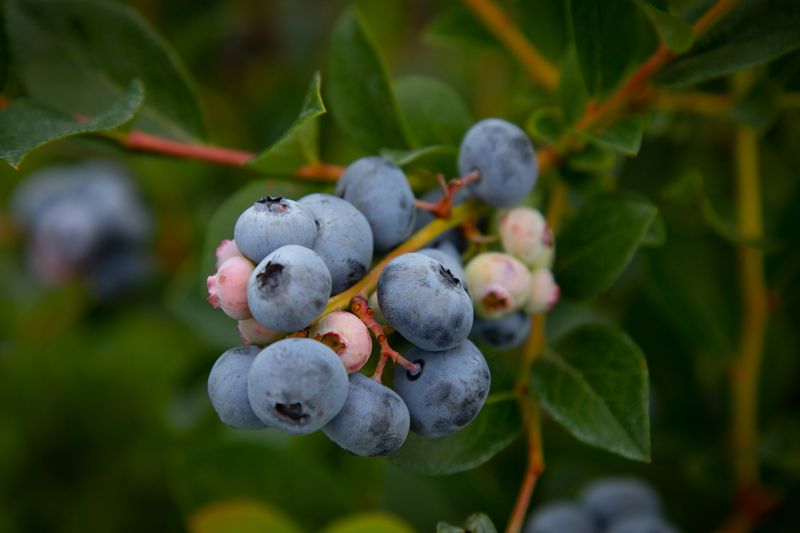
Blueberries belong to the genus Vaccinium. Highbush blueberries, commonly sold in supermarkets, are particularly familiar to consumers.
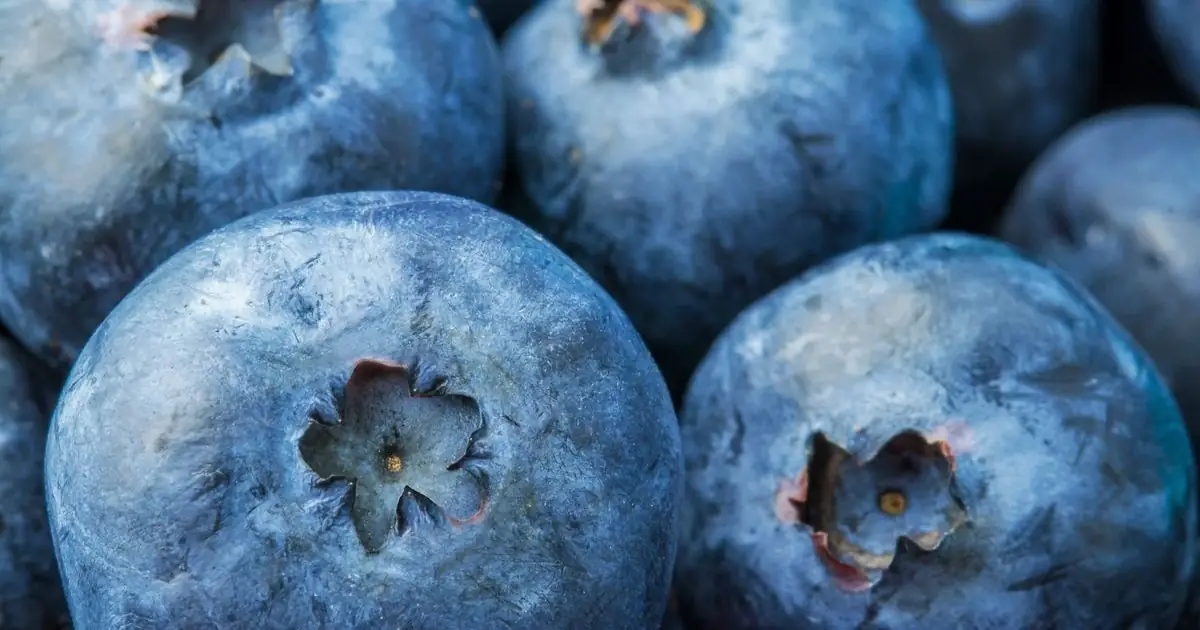
Ripe blueberries are usually blue or blue-purple, often with a light-colored waxy coating on their skin. Their flesh is juicy, and their flavor ranges from sweet to pleasantly tart, depending on the variety and ripeness.
One important distinction is that serviceberries and blueberries are not interchangeable botanical names. If you forage for wild fruit, never identify a plant based on berry color alone.
Serviceberry vs. Blueberry Taste: Which Tastes Better?
Taste is one of the biggest differences between these fruits.
What Do Serviceberries Taste Like?
Ripe serviceberries are usually sweet, but their flavor is more distinctive than that of ordinary blueberries. Depending on the species and cultivar, people may notice hints of cherry, almond, or other dark fruits.
Some descriptions also mention a mild, seed-like or nutty note. The seeds can be noticeable when chewing the fruit, sometimes giving it a slightly grainy texture. The balance between sweetness, acidity, and these characteristic flavors varies considerably among serviceberries.
This distinctive character is part of their appeal, but it also explains why not everyone enjoys them.
Serviceberries have their fans and their critics. Some people love their unusual flavor and look forward to the short season when the berries ripen. Others find the taste less appealing than that of familiar garden berries. Neither reaction is surprising: serviceberries simply have a flavor of their own.
If you have never tried them, it is worth tasting a few fully ripe berries before deciding whether you like them. A sweet, well-ripened cultivar can be quite different from a less flavorful species or fruit picked too early.
What Do Blueberries Taste Like?
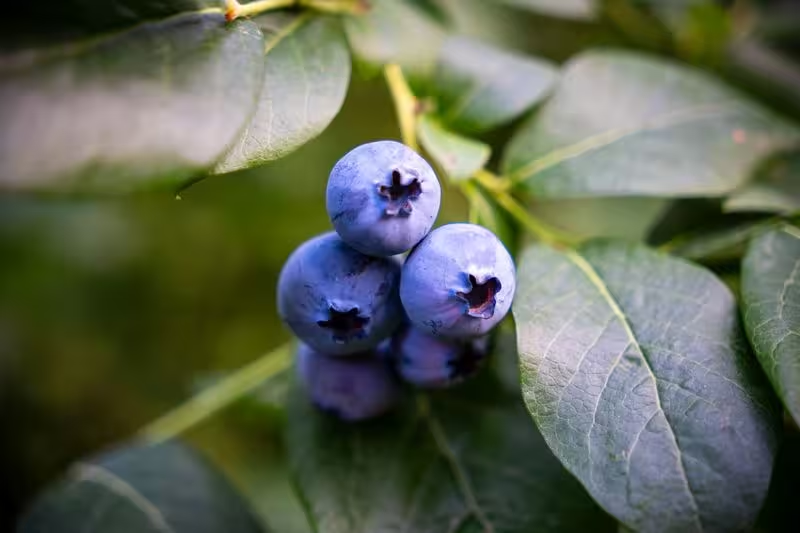
Blueberries have a more familiar and generally versatile flavor. Depending on the variety, they can be sweet, mildly tart, or somewhere in between. Their juicy texture and relatively mild flavor make them easy to combine with many other ingredients.
They work especially well in:
- Cakes, muffins, and pancakes
- Pies, crumbles, and fruit tarts
- Yogurt, oatmeal, and breakfast bowls
- Smoothies and fruit salads
- Jams, sauces, and desserts
Blueberries also pair well with lemon, vanilla, chocolate, cinnamon, and other fruits. Their flavor is noticeable without usually overpowering the rest of a recipe.
For these reasons, blueberries tend to have broader appeal. They are a reliable choice when cooking for people with different tastes, while serviceberries are more likely to be a matter of personal preference.
Which Fruit Is Better for Desserts?
Blueberries are usually the easier choice for desserts. Their familiar sweet-tart flavor works in a wide range of recipes, and their juicy texture suits baked goods, sauces, and toppings.
Serviceberries can also be excellent in pies, jams, muffins, and other baked treats. Their distinctive flavor may be especially appealing to people who enjoy less common fruits. Cooking them with a little sugar or combining them with other berries can also help balance their flavor.
If you want a fruit that most people will recognize and enjoy, blueberries are the safer option. If you like discovering unusual flavors, serviceberries are worth a place in your kitchen.
Serviceberry vs. Blueberry Nutrition
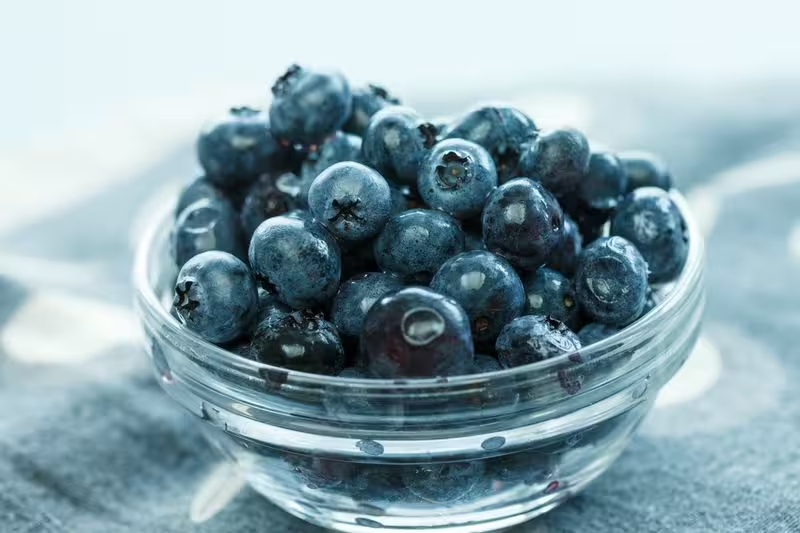
Both fruits can contribute useful nutrients to a balanced diet. However, their nutritional profiles are not identical, and the available research does not justify declaring one fruit universally healthier than the other.
Serviceberry research often focuses on Saskatoon berries, while standard nutrition databases provide well-established values for common blueberries. Because research methods and fruit varieties differ, not every reported value can be compared directly.
How Do Their Nutrients Compare?
| Nutritional feature | Serviceberries | Blueberries |
|---|---|---|
| Calories | Depend on species, cultivar, and water content | About 57 calories per 100 g of raw blueberries |
| Carbohydrates | Contain naturally occurring sugars and other carbohydrates | About 14.5 g per 100 g, including naturally occurring sugars and fiber |
| Fiber | Present; exact amounts depend on the fruit and analysis | Provides dietary fiber |
| Vitamin C | Reported in Saskatoon berries; amounts vary | Provides vitamin C |
| Minerals | Research reports minerals such as potassium, calcium, and magnesium | Provides minerals, including manganese |
| Anthocyanins | Several types have been identified in Saskatoon berries | Also contains anthocyanins |
| Other polyphenols | Includes phenolic acids, flavonols, and flavan-3-ols | Contains a variety of polyphenols |
The blueberry figures are based on raw fruit data from USDA FoodData Central. The serviceberry research cited below examines particular Amelanchier alnifolia cultivars rather than every species known as serviceberry.
This distinction matters. Nutrient content can vary with growing conditions, maturity, cultivar, storage, and whether the fruit is fresh or dried. A fair comparison requires values measured on the same basis.
Is One Fruit More Nutritious?
There is no clear winner across all nutrients.
Blueberries are a convenient source of fiber and several micronutrients, and their nutritional composition is well documented. Serviceberries offer their own combination of nutrients and plant compounds, including a diverse range of polyphenols.
Rather than focusing on which berry is healthier overall, it makes more sense to consider the nutrients each fruit provides and include a variety of fruits in your diet.
For a closer look at serviceberry nutrients, see our article on Serviceberry Nutrition: Calories, Vitamins, Minerals, and Antioxidants.
Antioxidants: Serviceberries vs. Blueberries
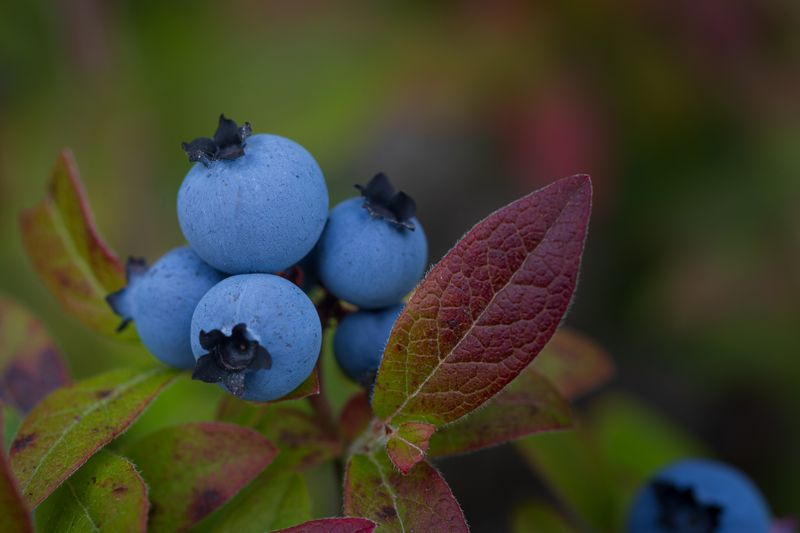
One of the most interesting aspects of serviceberry nutrition is its range of bioactive plant compounds.
A 2017 study by Lachowicz and colleagues examined seven Saskatoon berry genotypes grown in Poland. The researchers identified 38 bioactive compounds, including 28 polyphenolic compounds, four carotenoids, two chlorophylls, and three triterpenoids. The polyphenols included anthocyanins, phenolic acids, flavonols, and flavan-3-ols.
The study also found differences in phytochemical composition and measured antioxidant capacity among the genotypes. This is an important finding: even within one type of serviceberry, the nutritional profile can vary considerably.
Anthocyanins in Both Fruits
Anthocyanins are natural pigments that give many berries their red, purple, and blue colors. They belong to a broader group of plant compounds called polyphenols.
Researchers have identified several anthocyanins in Saskatoon berries, including cyanidin-based compounds. Blueberries also contain anthocyanins, although the amounts and types vary by species and cultivar.
These compounds are of interest because they can show antioxidant activity in laboratory tests. They are one reason dark-colored berries receive attention in nutrition research.
Which Berry Has More Antioxidants?
There is no reliable universal answer.
The amount of anthocyanins and other polyphenols depends on the fruit variety, growing conditions, ripeness, storage, and analytical method. A study that finds high antioxidant capacity in one Saskatoon berry cultivar does not prove that all serviceberries contain more antioxidants than all blueberries.
It is also important to distinguish laboratory measurements from health outcomes. Antioxidant activity measured in a test tube does not, on its own, prove that eating a fruit prevents disease or provides a specific clinical benefit.
Still, serviceberries are well worth considering as another source of colorful, polyphenol-rich fruit.
Health Benefits: Are Serviceberries or Blueberries Better for You?
Both fruits can be part of a healthy eating pattern. Their nutrients and plant compounds support their place in a varied diet, but the evidence does not establish that one is superior for every aspect of health.
Fiber and Digestive Health
Dietary fiber helps support normal bowel function. Both serviceberries and blueberries can contribute fiber to the diet, although the amount in serviceberries varies by species and cultivar.
Eating a variety of fruits, vegetables, legumes, and whole grains is a practical way to obtain fiber from different sources.
Vitamins and Normal Immune Function
Vitamin C supports normal immune function and collagen formation. Both fruits can contribute to vitamin C intake, but the amount varies, and neither should be treated as a substitute for a balanced diet.
If vitamin C intake is your main concern, compare reliable nutrient values rather than assuming that a darker berry necessarily contains more.
Polyphenols and Heart Health
Researchers have investigated the polyphenols in Saskatoon berries for their antioxidant activity and potential biological effects. Blueberry polyphenols have also received considerable scientific attention.
These findings are interesting, but laboratory studies alone cannot establish that eating either fruit prevents heart disease or lowers blood pressure. The most reliable recommendation is to enjoy a variety of fruits as part of an overall heart-healthy eating pattern.
Blueberries are a convenient everyday fruit, while serviceberries provide another interesting source of plant compounds. You do not need to choose just one.
Can You Eat Serviceberries and Blueberries Raw?
Yes. Ripe berries from many serviceberry species are edible and can be eaten fresh, just like blueberries.
Both fruits can be added to yogurt, oatmeal, porridge, or fruit salads. They can also be blended into smoothies or used in baked goods.
There is one important precaution with serviceberries: if you are picking them in the wild, make sure you have correctly identified the plant. Many unrelated plants produce small, dark-colored fruits, and appearance alone is not enough to determine whether a wild berry is safe to eat.
Store-bought blueberries are more familiar and easier to identify, while serviceberries may be available from home gardens, local growers, or specialty sources.
Fresh, Frozen, or Dried: How to Use Each Fruit
Both fruits can be enjoyed in different forms.
| Form | Best uses | What to know |
|---|---|---|
| Fresh | Snacks, yogurt, oatmeal, fruit salads | Fresh berries are convenient but perishable. |
| Frozen | Smoothies, baking, sauces, cooking | Freezing can preserve much of a fruit’s nutritional value. Choose unsweetened fruit when possible. |
| Dried | Fruit teas, baking, snack mixes | Removing water concentrates sugars and calories per 100 g. Some heat-sensitive nutrients may decline during processing. |
Frozen serviceberries are particularly useful for smoothies because their distinctive flavor can be combined with bananas, blueberries, or other fruit. Frozen blueberries are similarly convenient and widely available.
Dried serviceberries can be used in fruit teas or baking. They are not inherently unhealthy, but because water has been removed, a given weight of dried fruit is more concentrated than the same weight of fresh or frozen fruit.
Neither freezing nor drying automatically makes one fruit healthier than the other. The result depends on processing, storage, serving size, and whether sugar has been added.
Readers Also Enjoyed
Frequently Asked Questions
Are serviceberries the same as blueberries?
No. Serviceberries come from the genus Amelanchier, while blueberries belong to the genus Vaccinium. Their ripe fruits can look similar, but they differ in botanical classification, taste, and some aspects of their nutritional composition.
Do serviceberries taste like blueberries?
Not exactly. Both can be sweet, but serviceberries often have a more distinctive flavor, sometimes described as having cherry-like or almond-like notes. Some people love this taste, while others prefer the more familiar flavor of blueberries.
Are serviceberries healthier than blueberries?
Neither fruit is universally healthier. Serviceberries contain anthocyanins and other polyphenols, while blueberries also provide fiber, vitamins, minerals, and anthocyanins. The nutritional comparison depends on the specific fruit, cultivar, and nutrient being considered.
Which berry has more antioxidants?
There is no single answer that applies to every serviceberry and blueberry. Antioxidant measurements vary by cultivar, growing conditions, ripeness, and laboratory method. Both fruits contain plant compounds that have been studied for antioxidant activity.
Can you substitute serviceberries for blueberries in recipes?
Yes. Serviceberries can be used in many recipes that call for blueberries, including muffins, pies, jams, and sauces. Their distinctive flavor may produce a different result, so you may want to combine them with blueberries or adjust the sweetness to suit your taste.
Conclusion
Serviceberries and blueberries have plenty in common, but their flavors give them different strengths. Blueberries have a familiar, sweet-to-tart taste that appeals to a broad range of people and makes them especially versatile in desserts. Serviceberries are more distinctive: some people love their unusual flavor, while others prefer a more conventional berry.
From a nutritional perspective, serviceberries deserve attention. Research on Saskatoon berries has identified anthocyanins and a broad range of other polyphenols, along with additional nutrients. These findings make serviceberries an interesting addition to a varied diet, although they do not prove that the fruit prevents or treats specific diseases.
If you enjoy blueberries, there is no reason to replace them. But if you have access to ripe serviceberries, try them for yourself. You may discover a new favorite fruit.
Sources
- Lachowicz, S., Oszmiański, J., Seliga, Ł., & Pluta, S. (2017). “Phytochemical Composition and Antioxidant Capacity of Seven Saskatoon Berry (Amelanchier alnifolia) Genotypes Grown in Poland.” Molecules, 22(5), 853. Read the full study
- Juríková, T. et al. (2013). “Flavonoid Profile of Saskatoon Berries (Amelanchier alnifolia Nutt.) and Their Health Promoting Effects.” Molecules, 18(10), 12571–12586. Read the review
- Lachowicz, S., Oszmiański, J., & Pluta, S. (2017). “The Composition of Bioactive Compounds and Antioxidant Activity of Saskatoon Berry (Amelanchier alnifolia) Genotypes Grown in Central Poland.” Food Chemistry, 235, 234–243. Read the study abstract
- USDA FoodData Central. “Blueberries, Raw.” Nutrition data for raw blueberries. View the nutrition data