A detailed comparison of nutritional values and potential health benefits of food consumption.
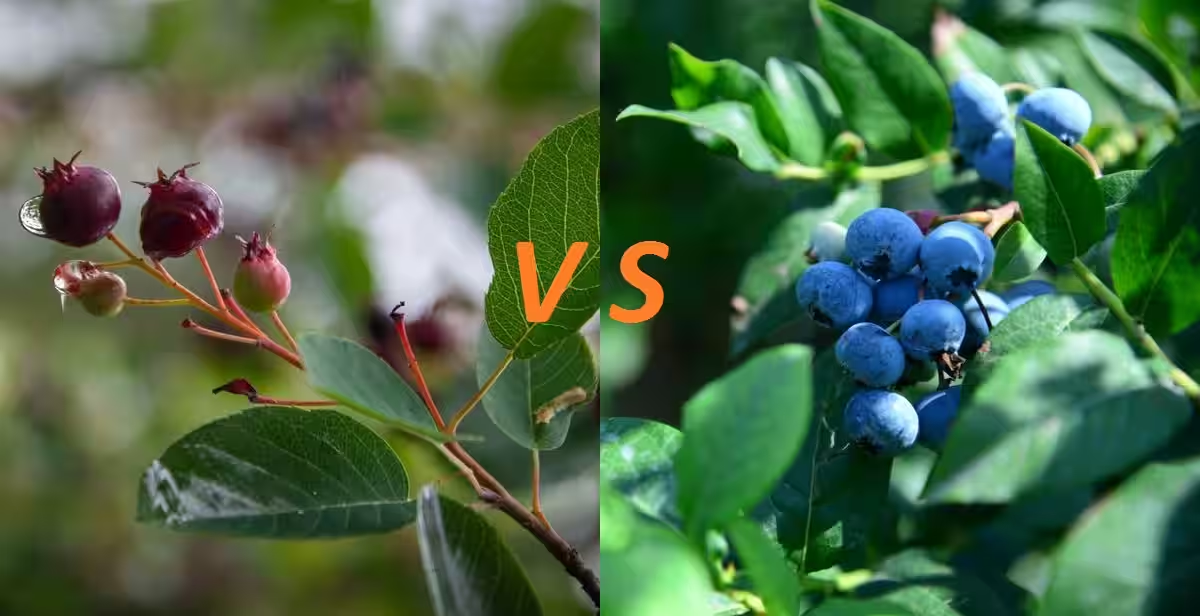
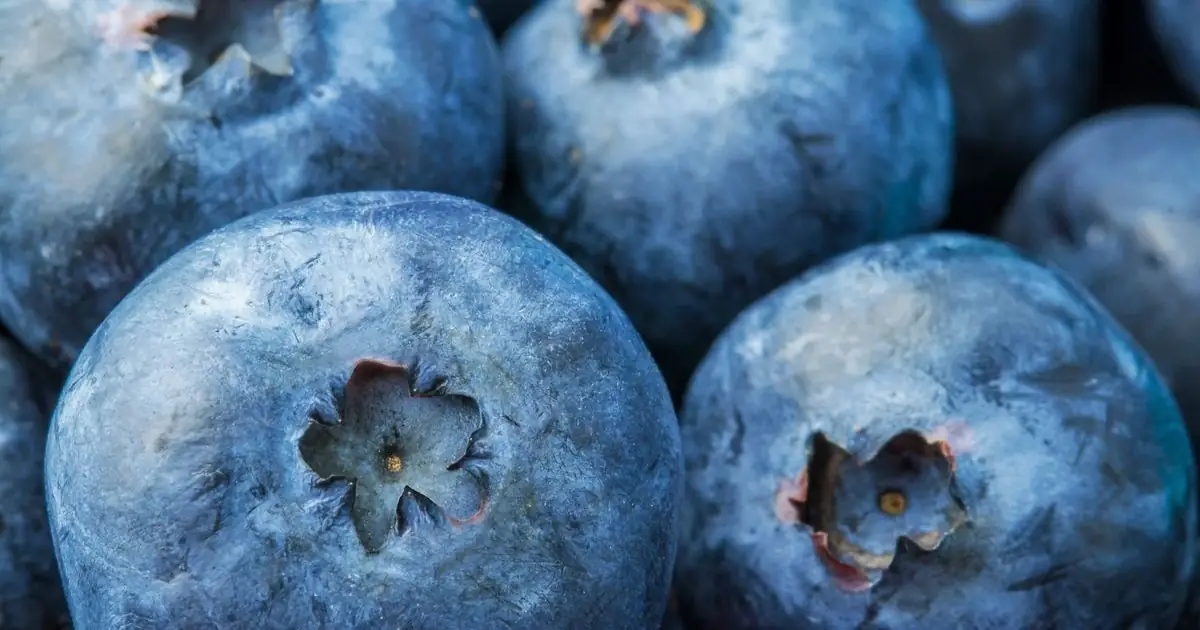
Serviceberries and blueberries may look similar, but they differ in taste, texture, and nutritional composition. Blueberries have a familiar, sweet-to-tart flavor that works well in almost any dessert, while serviceberries…
Honeyberries and blueberries are both dark blue berries rich in plant compounds, but they differ in taste, nutritional composition, and vitamin C content. Haskap berries, also known as honeyberries, can…
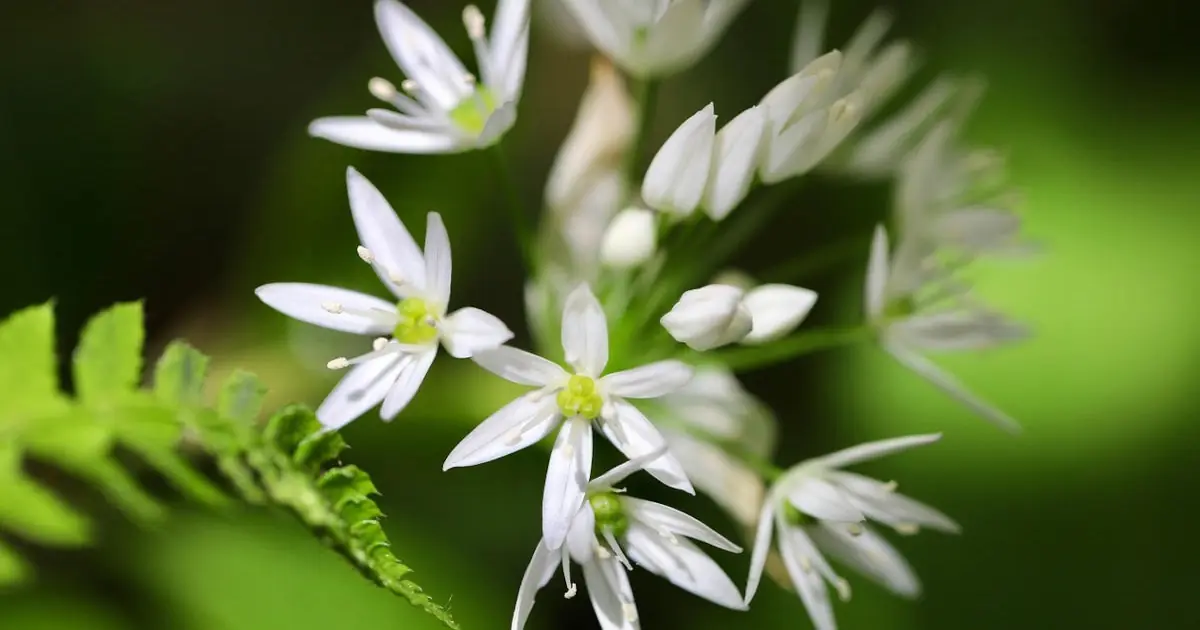
Wild garlic and wild onion look very similar, but the easiest way to tell them apart is to check the leaves: wild garlic (Allium vineale) has round, hollow leaves, while…
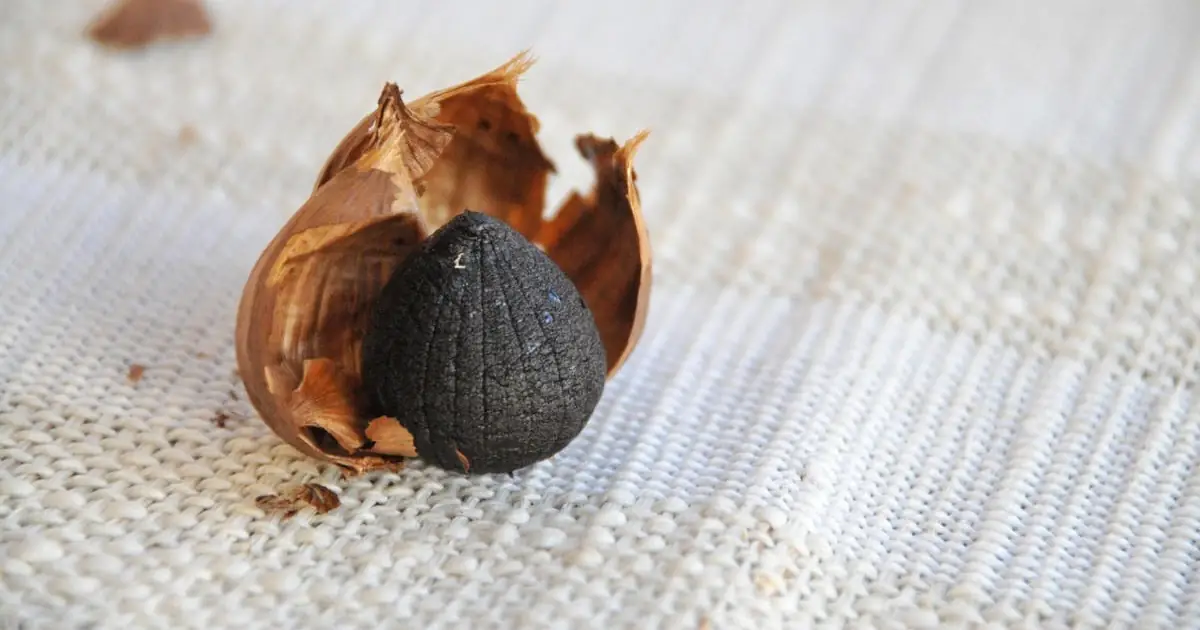
Black garlic and regular garlic come from the same plant, but they differ in taste, texture, and chemical composition. Black garlic is made by keeping whole garlic bulbs under controlled…
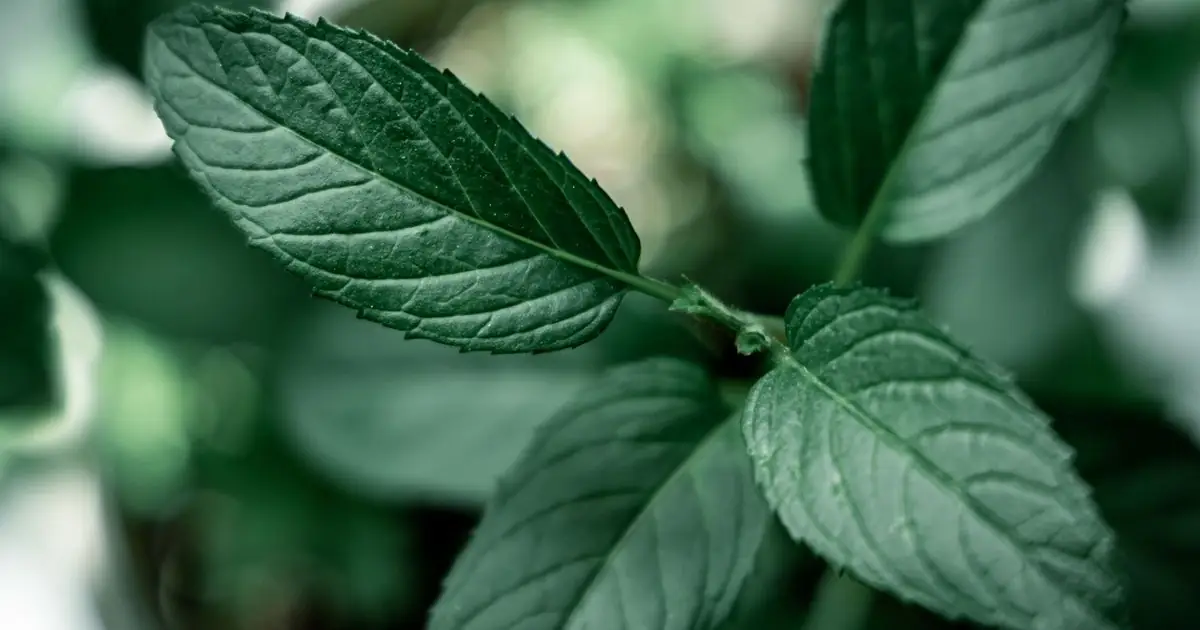
Lemon balm and mint are related herbs, but they are not the same plant. Lemon balm (Melissa officinalis) has a mild lemon scent and is traditionally used in teas for…
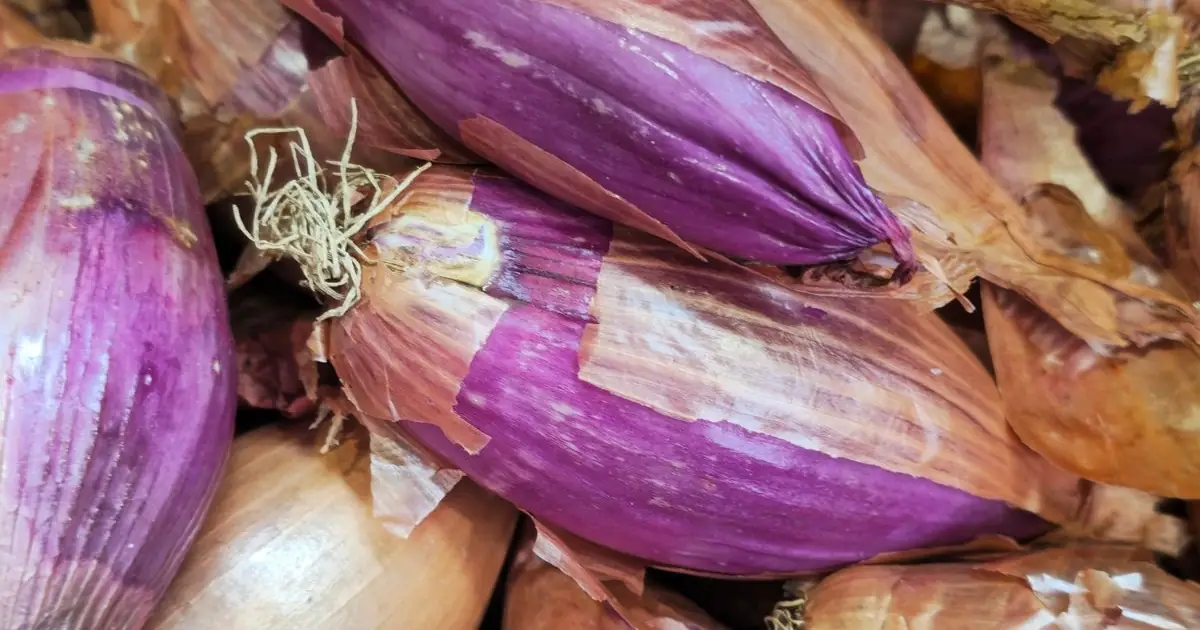
Garlic and shallots are closely related members of the Allium family, but they have quite different flavors, nutrient profiles, and bioactive compounds. Garlic has been studied much more extensively for…
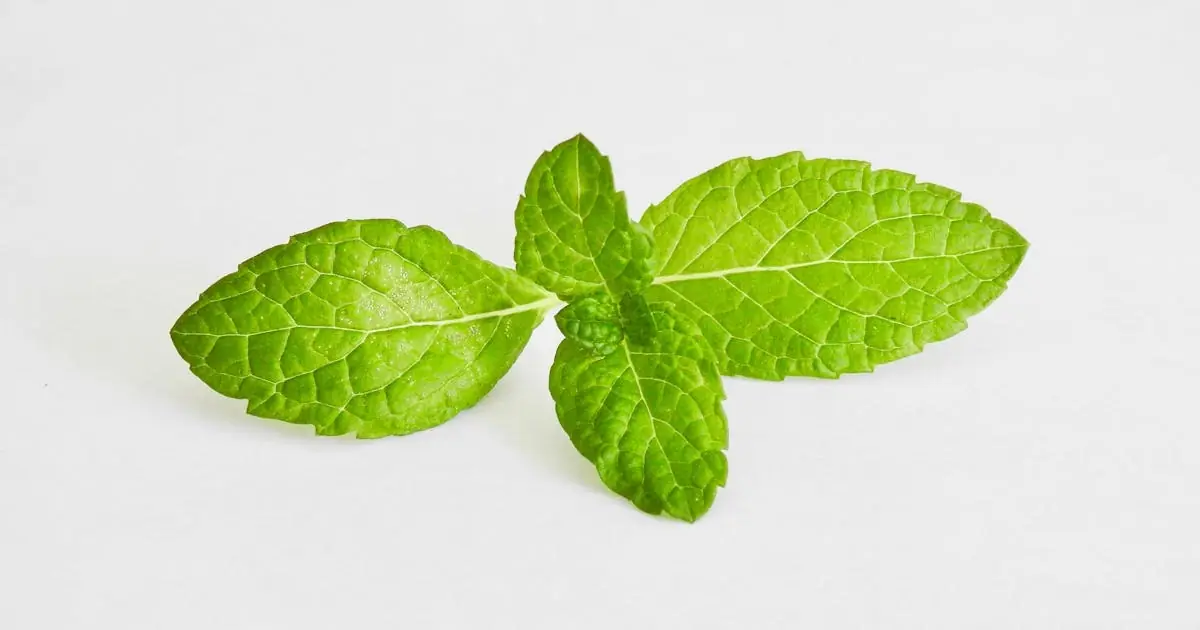
Fresh lemon balm naturally contains more volatile aromatic oils than older crushed dried herbs.
Fresh lemon balm usually contains more aromatic essential oils and a brighter flavor than dried lemon balm, while properly dried whole leaves remain more practical for long-term storage and herbal…
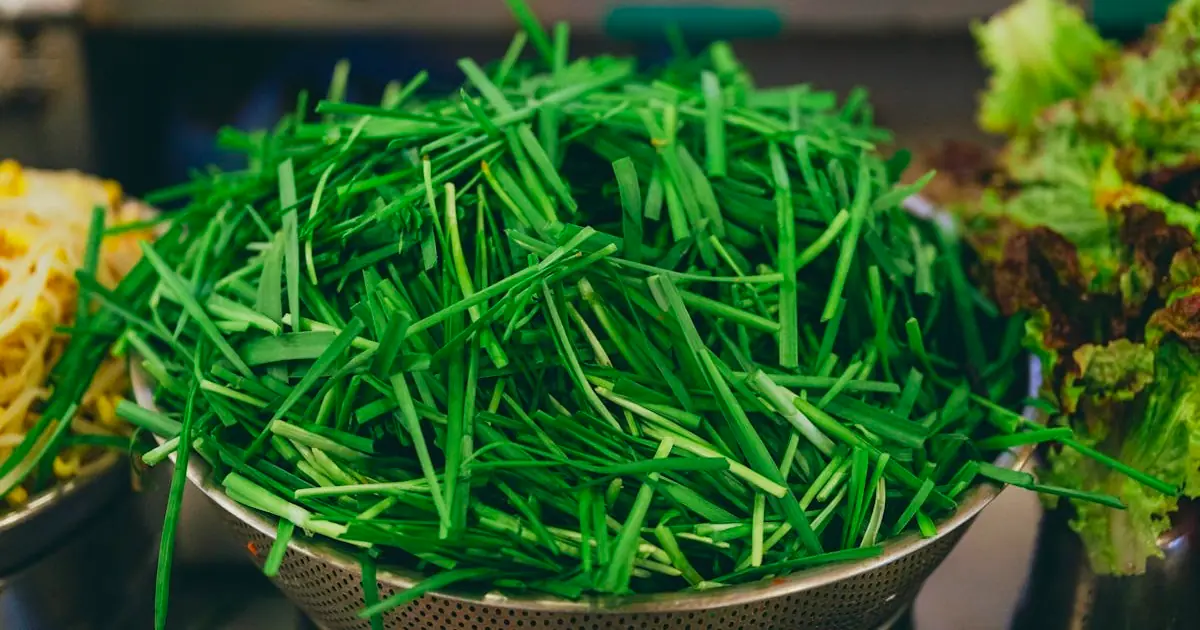
Garlic and garlic chives may sound similar, but they are not the same plant. Garlic is known for its strong cloves and intense flavor, while garlic chives are leafy herbs…
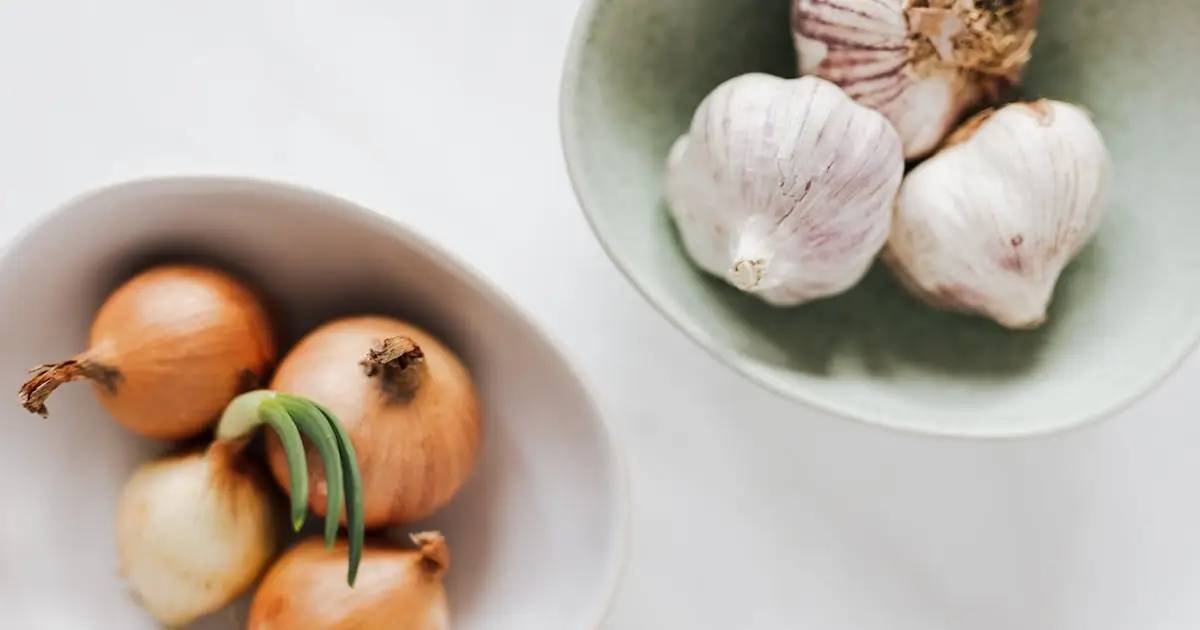
Both garlic and onion are extremely healthy — but garlic is more potent medicinally, while onion is better for everyday, larger consumption. Garlic delivers stronger antibacterial and cardiovascular effects, while…