

Vitamin K2 MK-4 and MK-7 are two forms of the same vitamin, but they differ in their food sources, metabolism, and how long they remain in the bloodstream. MK-4 is found mainly in animal-derived foods and can also be produced by the body from vitamin K1. MK-7 is best known for its presence in natto, a fermented soybean food, and has a much longer half-life.
Both forms help activate proteins involved in bone metabolism and other important processes. However, research has not established that one is universally better than the other. Understanding their differences can help you make sense of vitamin K2 supplements, food sources, and the available evidence on bone health.
Before continuing, it is worth reading the basic information in our article about: Vitamin K2: Benefits, Food Sources, and How It Works.
What Are MK-4 and MK-7?
Vitamin K2 is not a single compound. It is a family of substances called menaquinones, which are identified by the letters MK followed by a number. The number indicates the length of their chemical side chain.
MK-4 and MK-7 are two of the most studied forms of vitamin K2. They share some biological functions, but their structures and behavior in the body are different.
What Is MK-4 (Menaquinone-4)?
MK-4, or menaquinone-4, is a short-chain form of vitamin K2. It occurs naturally in certain animal-derived foods, including egg yolks, meat, liver, and some dairy products.
What makes MK-4 particularly interesting is that the body can produce it from vitamin K1 (phylloquinone).
Vitamin K1 is found mainly in green leafy vegetables. After absorption, it can be converted into intermediate compounds and eventually into MK-4 in certain tissues.
This conversion does not require bacteria. It is a metabolic process that takes place within the body.
The amount of MK-4 produced through this pathway can vary, and the process is not fully understood in humans. Still, it shows that the relationship between vitamin K1 and K2 is more complex than simply getting them from separate food sources.
What Is MK-7 (Menaquinone-7)?
MK-7, or menaquinone-7, is a longer-chain form of vitamin K2. It is produced by certain bacteria during fermentation.
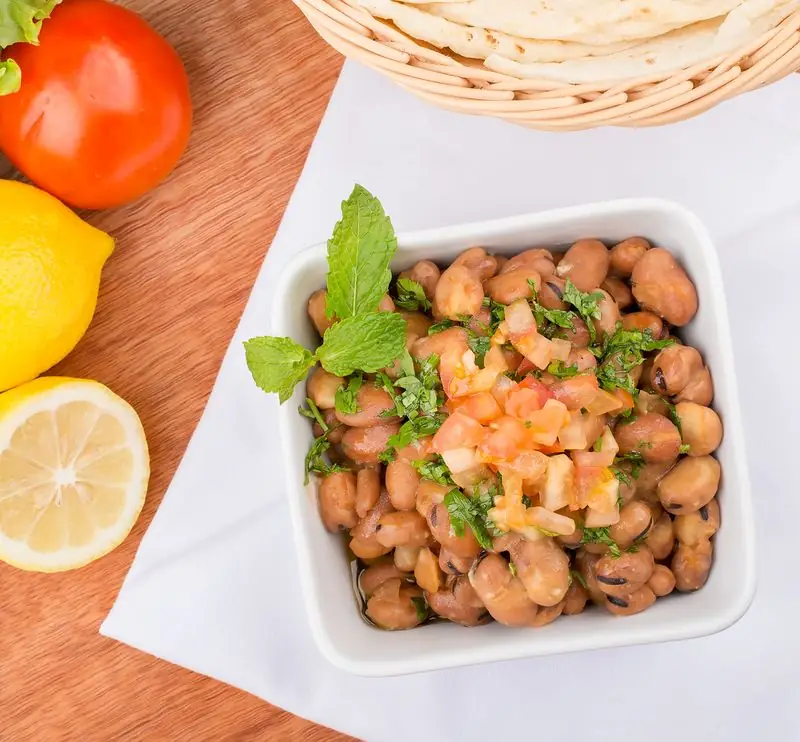
Its best-known natural source is natto, a traditional Japanese food made from fermented soybeans. Some fermented cheeses also contain MK-7, although the amount depends on the bacteria used and the production process.
MK-7 is particularly notable for its long half-life. It remains in the bloodstream much longer than MK-4 or vitamin K1 after consumption.
This property makes MK-7 a popular ingredient in dietary supplements and an important subject of vitamin K2 research.
MK-4 vs. MK-7: Main Differences

Although MK-4 and MK-7 belong to the same vitamin family, they have several important differences.
| Feature | MK-4 | MK-7 |
|---|---|---|
| Full name | Menaquinone-4 | Menaquinone-7 |
| Chemical structure | Shorter side chain | Longer side chain |
| Natural sources | Meat, eggs, liver, and some dairy products | Natto and certain fermented cheeses |
| Production in the body | Can be produced from vitamin K1 | Not produced through the same K1-to-MK-4 pathway |
| Main origin in foods | Found in animal-derived foods | Produced by bacteria during fermentation |
| Half-life in blood | Relatively short | Much longer, with levels detectable for several days |
| Bone health research | Includes studies using high pharmacological doses, particularly in Japan | Includes studies using lower supplemental doses, often in postmenopausal women |
| Main research limitations | Results from high-dose treatment cannot automatically be applied to ordinary dietary intake | Clinical results are mixed, especially for bone density and fracture prevention |
One of the most noticeable differences is how long each form stays in circulation. MK-7 has a clear advantage in this respect, but a longer half-life does not automatically mean greater health benefits.
The available research also differs. MK-4 has been investigated extensively in Japanese osteoporosis studies, while MK-7 has been studied in several European and Asian trials using different doses and populations.
How Do MK-4 and MK-7 Differ in the Body?
Both forms participate in the activation of vitamin K-dependent proteins. These proteins are involved in blood clotting, bone metabolism, and calcium regulation.
However, MK-4 and MK-7 differ in how they are transported, metabolized, and maintained in circulation.
How Long Do MK-4 and MK-7 Stay in the Bloodstream?
The half-life of a substance describes how long it takes for its concentration in the body to decrease by approximately half.
MK-4 has a relatively short presence in the bloodstream. Studies examining vitamin K absorption have found that circulating MK-4 levels decline relatively quickly and may return toward baseline overnight.
MK-7 behaves differently. After consumption, it remains detectable in the blood for much longer. Some studies have detected it for at least 72 hours, and others have reported measurable levels after 96 hours.
This difference is partly related to their chemical structures and how the body transports and clears them.
A longer half-life allows MK-7 to maintain circulating vitamin K levels for a more extended period. This is one reason it is commonly used in supplements designed for daily intake.
However, the longer presence of MK-7 in the bloodstream does not prove that it is more effective than MK-4 for every health outcome.
How Does the Body Convert Vitamin K1 Into MK-4?
This is one of the most interesting differences between the two forms.
Vitamin K1, also called phylloquinone, is the main form of vitamin K in plant foods. It is abundant in spinach, kale, broccoli, and other green vegetables.
The body can convert vitamin K1 into MK-4 through a metabolic pathway that does not depend on gut bacteria.
In simplified terms, the process involves the conversion of vitamin K1 into an intermediate compound called menadione. The body can then attach a side chain to produce MK-4.
This conversion can occur in tissues and is different from the bacterial production of longer-chain menaquinones such as MK-7.
Research supports the existence of this pathway, although some of the detailed mechanistic evidence comes from animal and laboratory studies. The extent and importance of this conversion in humans are not fully established.
It is therefore reasonable to say that eating vitamin K1-rich vegetables can contribute to the body’s production of MK-4, but it does not mean that every person produces the same amount.
Food Sources of MK-4 and MK-7
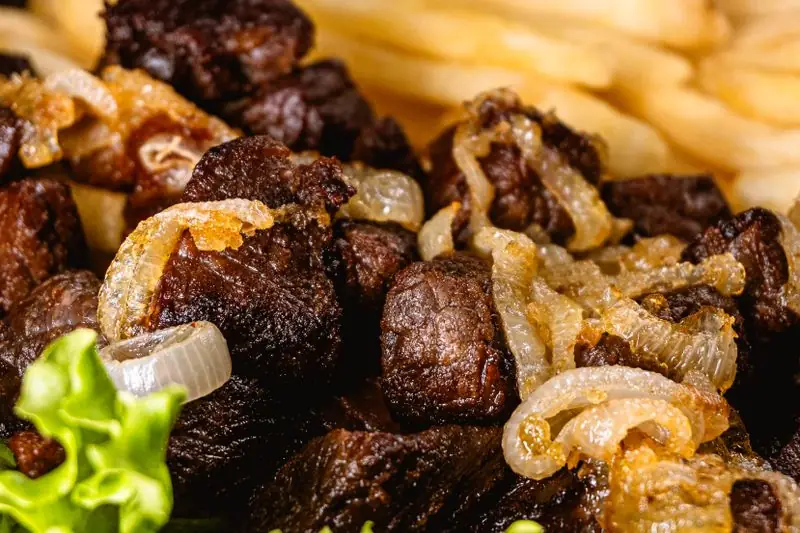
MK-4 and MK-7 have different dietary sources. MK-4 is associated mainly with animal-derived foods, while MK-7 is especially abundant in certain fermented foods.
Foods That Contain MK-4
MK-4 occurs naturally in several animal-derived foods, including:
- Egg yolks
- Chicken and other poultry
- Meat
- Liver
- Certain dairy products, including some higher-fat cheeses
The amount of MK-4 varies depending on the food, animal species, and production conditions.
Animal foods are not equally rich in MK-4, so eating meat or dairy does not guarantee a high intake of this form.
It is also worth remembering that the body can produce MK-4 from vitamin K1. This means that plant foods may contribute indirectly to MK-4 availability, even though they are not significant direct sources of it.
Foods That Contain MK-7

The best-known natural source of MK-7 is natto.
Natto is made by fermenting soybeans with specific bacteria, particularly Bacillus subtilis var. natto. During fermentation, these bacteria produce substantial amounts of MK-7.
According to the National Institutes of Health (NIH), an 85 g (3 oz) serving of natto provides approximately 850 mcg of MK-7.
Some fermented cheeses also contain menaquinones, including MK-7. Their content depends on the bacterial cultures and the way the cheese is produced and aged.
Not all fermented foods are rich in MK-7. The type of bacteria used during fermentation makes a significant difference.
Can Vitamin K1-Rich Vegetables Provide MK-4?
Green vegetables such as spinach, kale, broccoli, and cabbage are excellent sources of vitamin K1, not MK-4.
However, as explained earlier, the body can convert some vitamin K1 into MK-4.
This makes vegetables an indirect contributor to MK-4 production. It is still important to distinguish between the two: eating spinach does not mean you are directly consuming a large amount of MK-4.
Which Form Has Been Studied for Bone Health?
Both MK-4 and MK-7 have been investigated for their potential role in maintaining bone health.
Vitamin K is needed to activate osteocalcin, a protein produced by bone-forming cells. Active osteocalcin binds calcium and participates in normal bone metabolism.
This biological role provides a reason to study vitamin K2 supplementation, but it does not prove that either form prevents osteoporosis or fractures.
MK-4 and Bone Health Research

MK-4 has a long history of clinical research, particularly in Japan, where a high-dose pharmaceutical preparation has been used in osteoporosis treatment.
Some Japanese clinical trials have investigated MK-4 at doses of 45 mg per day. This is a pharmacological dose, much higher than the microgram amounts commonly found in many nutritional supplements.
A systematic review of older clinical trials found that MK-4 supplementation was associated with improvements in some bone measurements and reductions in fracture rates in certain study populations.
However, these findings need to be interpreted carefully. Many studies involved postmenopausal Japanese women, and the results have not been consistent across all trials and populations.
Researchers have also investigated lower doses. In one randomized trial, 1.5 mg of MK-4 per day was studied in postmenopausal women for 12 months. The researchers reported changes in bone metabolism markers and no significant decline in forearm bone mineral density during the study period.
These findings are interesting, but a relatively small trial cannot establish that MK-4 prevents osteoporosis or fractures in the general population.
MK-7 and Bone Health Research
MK-7 has also been studied in postmenopausal women, often at much lower doses than those used in Japanese MK-4 treatment studies.
Some trials have reported improvements in bone-related markers, bone strength measurements, or selected aspects of bone structure.
However, results are not uniform.
For example, a three-year randomized, placebo-controlled trial involving postmenopausal women with osteopenia found that MK-7 supplementation did not prevent bone mineral density loss or produce significant differences in bone microarchitecture compared with placebo.
This illustrates why changes in laboratory markers should not automatically be interpreted as proof of better bone health.
Does One Form Work Better for Bone Health?
There is not enough evidence to conclude that MK-4 is better than MK-7, or that MK-7 is superior to MK-4.
The two forms have been studied in different populations, at different doses, and over different periods. Direct comparisons are limited.
MK-4 has more extensive research involving high-dose treatment in Japan. MK-7 has been investigated in studies using lower supplemental doses, but some trials have reported no meaningful improvement in bone mineral density.
Neither form should be considered a replacement for established osteoporosis treatment.
MK-4 vs. MK-7 Supplements
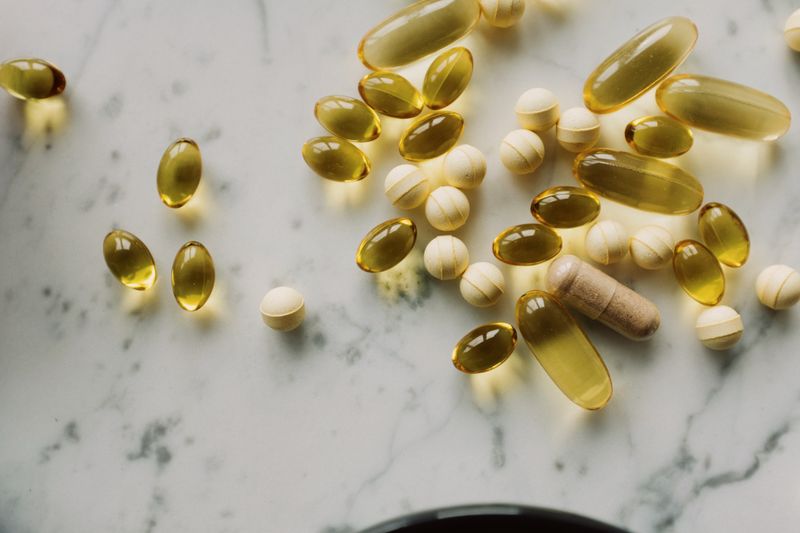
Both MK-4 and MK-7 are available in dietary supplements. Some products contain one form, while others combine vitamin K2 with vitamin D3, calcium, or other nutrients.
The choice between them often depends on the formulation and the reason someone is considering supplementation.
What Is the Difference Between MK-4 and MK-7 Supplements?
The most noticeable difference is the amount and form of vitamin K2 used.
MK-7 supplements commonly provide amounts in micrograms (mcg), often around 90–200 mcg per serving, although products vary.
MK-4 supplements may provide amounts in micrograms or milligrams, depending on the formulation. The much higher doses used in some Japanese clinical studies are pharmaceutical treatment doses, not general nutritional recommendations.
MK-7’s longer half-life means that it remains in circulation for longer after consumption. MK-4 is cleared more quickly from the bloodstream.
Neither difference alone is enough to determine which supplement is more appropriate for an individual.
Can You Take MK-4 and MK-7 Together?
Some supplements contain both forms, but there is not enough clinical evidence to show that combining MK-4 and MK-7 provides additional health benefits compared with using one form.
Both participate in vitamin K-dependent processes, but more is not necessarily better.
If you are considering a combination supplement, look at the total amount of vitamin K provided and discuss it with a healthcare professional if you take medication or have a medical condition.
Who Should Be Careful With Vitamin K2 Supplements?
The most important precaution concerns people taking vitamin K antagonist anticoagulants, including:
- Warfarin
- Acenocoumarol
- Phenprocoumon
These medicines work by interfering with vitamin K activity. Changes in vitamin K intake can affect their anticoagulant effect and make treatment harder to control.
People taking these medications should not start, stop, or change a vitamin K2 supplement without medical advice.
Vitamin K2 MK-7 vs. K2: What Is the Difference?

Vitamin K2 and MK-7 are not two separate vitamins. MK-7 is one specific form of vitamin K2.
Vitamin K2 is the general name for a family of compounds called menaquinones. This family includes MK-4, MK-7, MK-8, MK-9, and other forms.
When a supplement label says “vitamin K2,” it does not always tell you which menaquinone it contains. The product may use MK-4, MK-7, or a combination of different forms.
For this reason, it is worth checking the ingredient list rather than relying only on the words “vitamin K2” on the front of the package.
| Term | What it means |
|---|---|
| Vitamin K | The general name for a family of fat-soluble vitamins |
| Vitamin K1 | Phylloquinone, found mainly in green leafy vegetables |
| Vitamin K2 | A group of compounds called menaquinones |
| MK-4 | One specific form of vitamin K2 |
| MK-7 | Another form of vitamin K2, commonly found in natto |
In other words, every MK-7 supplement is a vitamin K2 supplement, but not every vitamin K2 supplement contains MK-7.
If you want to learn more about MK-7 itself, including its potential benefits, natural sources, and safety, read our guide to Vitamin K2 MK-7: Benefits, Food Sources, and Side Effects.
Can You Get Both Forms of Vitamin K2 From Food?
Yes. A varied diet can provide both MK-4 and MK-7, although their amounts and sources differ.
MK-4 is found in some animal-derived foods, such as eggs, meat, and liver. MK-7 is most abundant in natto and occurs in certain fermented cheeses.
You can also obtain vitamin K1 from leafy green vegetables. The body can convert some of this vitamin K1 into MK-4 without requiring bacterial activity.
You do not necessarily need to eat natto or take a supplement to obtain vitamin K. A balanced diet containing a variety of vegetables and other nutrient-rich foods provides different forms of vitamin K.
There is also no separately established daily requirement for MK-4 or MK-7. Dietary reference values generally refer to vitamin K intake rather than a specific menaquinone.
Readers Also Enjoyed



Frequently Asked Questions
What Is the Main Difference Between MK-4 and MK-7?
MK-4 and MK-7 are two forms of vitamin K2. MK-4 is found mainly in animal-derived foods and can be produced by the body from vitamin K1. MK-7 is produced by bacteria during fermentation and is especially abundant in natto. MK-7 also stays in the bloodstream much longer.
Is MK-4 Better Than MK-7 for Bone Health?
There is no clear evidence that one form is universally better. MK-4 has been studied extensively at high pharmaceutical doses in Japan, while MK-7 has been investigated in trials using lower doses. Results vary, and neither form is a proven replacement for osteoporosis treatment.
Can the Body Convert Vitamin K1 Into MK-4?
Yes. The body can convert vitamin K1 into MK-4 through a metabolic process that does not require gut bacteria. This conversion can occur in certain tissues, although its full significance in humans is still being studied.
Which Foods Contain the Most MK-4?
MK-4 occurs in foods such as egg yolks, meat, poultry, liver, and some dairy products. The amount varies depending on the food and how it is produced. Natto is not a major source of MK-4; it is especially rich in MK-7.
Why Does MK-7 Stay in the Bloodstream Longer?
MK-7 has a longer chemical side chain than MK-4. This contributes to differences in how the body transports and clears the two forms. After consumption, MK-7 can remain detectable in the bloodstream for several days, whereas MK-4 levels decline much more quickly.
Can You Take MK-4 and MK-7 Together?
Some supplements combine both forms, but there is not enough evidence to show that taking them together provides greater health benefits. Anyone taking anticoagulant medication should consult a healthcare professional before using vitamin K2 supplements.
Sources
- NIH Office of Dietary Supplements – Vitamin K: Fact Sheet for Health Professionals
- EFSA – Dietary Reference Values for Vitamin K
- Efficacy of Vitamin K2 in the Prevention and Treatment of Postmenopausal Osteoporosis: A Systematic Review and Meta-analysis of Randomized Controlled Trials
- Low-Dose Vitamin K2 (MK-4) Supplementation for 12 Months Improves Bone Metabolism and Prevents Forearm Bone Loss in Postmenopausal Japanese Women
- The Effect of Vitamin MK-7 on Bone Mineral Density and Microarchitecture in Postmenopausal Women with Osteopenia
- Vitamin K and the Prevention of Fractures: Systematic Review and Meta-analysis of Randomized Controlled Trials
This article is for informational purposes only and is not a substitute for professional medical advice. Vitamin K2 supplements should not replace prescribed treatment for osteoporosis or other medical conditions.