

Vitamin K2 helps activate proteins involved in blood clotting and bone metabolism. It belongs to the vitamin K family and occurs naturally in fermented foods, certain cheeses, meat, eggs, and other animal-derived products. Natto, a traditional Japanese fermented soybean food, is one of the richest dietary sources of vitamin K2.
Researchers are studying whether vitamin K2 may support bone health and help regulate calcium deposition in tissues. However, its biological functions do not automatically mean that taking K2 supplements prevents osteoporosis or cardiovascular disease.
This guide explains what vitamin K2 is, how it differs from vitamin K1, which foods contain it, and what scientific research says about its potential health benefits.
What Is Vitamin K2?

Vitamin K2 is the common name for a group of fat-soluble compounds called menaquinones. These compounds are part of the broader vitamin K family, which also includes vitamin K1, known as phylloquinone.
Both forms help the body activate specific proteins, but they differ in their chemical structures, food sources, and how they behave in the body.
Vitamin K1 is found mainly in green leafy vegetables and certain vegetable oils. Vitamin K2 occurs in fermented foods and in smaller amounts in various animal-derived foods.
The body also produces some menaquinones through bacteria in the gut, although the contribution of this process to overall vitamin K status is not fully understood.
According to the National Institutes of Health (NIH), vitamin K is essential for normal blood clotting and participates in processes related to bone metabolism.
Vitamin K1 vs. Vitamin K2
Vitamin K1 and K2 share important functions, but their sources and individual forms differ.
| Feature | Vitamin K1 | Vitamin K2 |
|---|---|---|
| Scientific name | Phylloquinone | Menaquinones |
| Main food sources | Leafy green vegetables and vegetable oils | Natto, certain cheeses, meat, eggs, and other fermented foods |
| Main functions | Supports blood clotting and other vitamin K-dependent processes | Supports vitamin K-dependent processes, including blood clotting and bone metabolism |
| Common forms | K1 | MK-4, MK-7, and other menaquinones |
| Supplements | Available | Available, commonly as MK-4 or MK-7 |
Both forms are important parts of the vitamin K family. The available evidence does not justify treating vitamin K2 as a universal replacement for K1 or assuming that everyone needs a separate K2 supplement.
Source: NIH Office of Dietary Supplements, Vitamin K Fact Sheet.
What Are MK-4 and MK-7?

Vitamin K2 includes several menaquinones, identified by the number following the letters MK.
Two forms receive particular attention in nutrition research and supplements: MK-4 and MK-7.
MK-4 occurs in certain animal-derived foods, including eggs, meat, and some dairy products. It is also produced in the human body from vitamin K1 through a conversion process that does not require bacterial action.
MK-7 is associated particularly with fermented foods. Natto is an especially rich source of this form.
One important difference is how long these compounds remain in circulation. MK-7 has a longer half-life than vitamin K1, which means it remains in the bloodstream for longer after consumption.
Researchers continue to investigate whether differences between MK-4 and MK-7 translate into meaningful differences in health outcomes. Their effects should not be assumed to be identical.
A detailed comparison of these forms deserves its own discussion because their sources, supplement doses, and clinical research differ.
What Does Vitamin K2 Do in the Body?
Vitamin K2 contributes to the activation of proteins that perform several functions in the body. Two particularly important areas of research are bone metabolism and the regulation of tissue mineralization.
It is useful to distinguish these established biological roles from the possible benefits of taking additional vitamin K2.
Vitamin K2 and Bone Health

Bone is living tissue that continually undergoes remodeling. Old bone is broken down and replaced with new tissue, a process that depends on several nutrients and hormones.
Vitamin K helps activate osteocalcin, a protein produced by bone-forming cells. Activated osteocalcin can bind to minerals in bone tissue and participates in bone metabolism.
This provides a biological reason to investigate the relationship between vitamin K2 and bone health.
However, the mechanism alone does not prove that additional vitamin K2 increases bone density or prevents fractures in everyone.
Clinical studies have produced mixed results. Some research suggests that supplementation may improve certain bone measurements, while other studies have not found consistent benefits for important outcomes such as fracture prevention.
A systematic review and meta-analysis published in Frontiers in Public Health in 2022 examined randomized controlled trials of vitamin K2 supplementation in postmenopausal women. The researchers reported improvements in lumbar spine bone mineral density in their pooled analysis, but the overall analysis did not find a statistically significant reduction in fracture incidence.
These findings suggest a possible role for vitamin K2 in bone metabolism, but they do not establish that supplementation reliably prevents osteoporosis or fractures.
Vitamin K2 and Calcium Regulation
Vitamin K also helps activate matrix Gla protein, commonly abbreviated as MGP.
This protein is involved in regulating mineralization in tissues, including blood vessels. Because abnormal calcium deposition in blood vessel walls is associated with cardiovascular disease, researchers have investigated whether vitamin K status influences this process.
The biological connection is interesting, but it requires careful interpretation.
The fact that vitamin K activates MGP does not establish that taking extra K2 prevents arterial calcification or heart attacks. These are clinical outcomes that must be evaluated in human studies.
Research on vitamin K2 and cardiovascular health is ongoing, and the results from individual studies should not be treated as universal proof of benefit.
Vitamin K2 and Blood Clotting
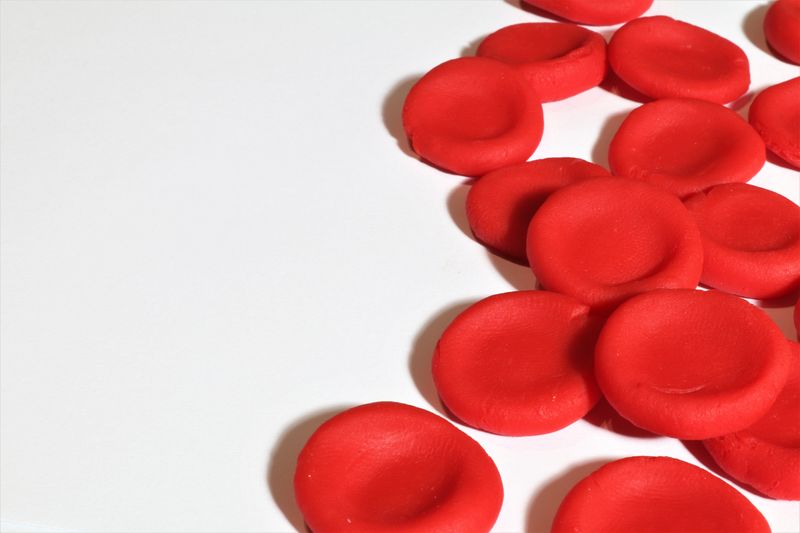
Vitamin K is essential for the normal functioning of several proteins involved in blood coagulation.
These proteins help the body form clots when needed, such as after an injury. Without sufficient vitamin K, the clotting process can be impaired.
This function applies to the vitamin K family rather than being unique to K2.
It also explains why vitamin K can interact with certain anticoagulant medications, particularly warfarin. People taking these medicines need to pay attention to changes in vitamin K intake and should discuss dietary or supplement changes with their healthcare professional.
Vitamin K2 Benefits: What Does Research Say?
Interest in vitamin K2 has grown partly because of its role in bone metabolism and the activation of proteins involved in tissue mineralization.
However, the strength of evidence varies depending on the health outcome being studied.
Potential Benefits for Bone Health
Vitamin K2 may contribute to normal bone metabolism by supporting the activation of osteocalcin.
Some clinical studies have reported improvements in bone mineral density or markers of bone turnover after supplementation. Other studies have found smaller effects or no significant improvements in clinically important outcomes.
A 2022 systematic review of randomized controlled trials in postmenopausal women found a potential benefit for lumbar spine bone mineral density but did not establish a significant reduction in fractures in its overall analysis.
The findings therefore support continued research rather than a definitive claim that vitamin K2 supplements prevent osteoporosis.
Adequate vitamin K intake is part of a healthy diet, but bone health also depends on calcium, vitamin D, protein, physical activity, hormonal factors, and other aspects of health.
Vitamin K2 and Cardiovascular Health

Another area of research concerns the relationship between vitamin K2 and cardiovascular health.
MGP is a vitamin K-dependent protein involved in regulating mineralization in blood vessels. Researchers are investigating whether improving vitamin K status can influence arterial calcification.
Some observational studies have reported associations between vitamin K intake and cardiovascular outcomes. However, observational findings cannot establish that vitamin K2 itself causes a reduction in cardiovascular risk.
Clinical trials are also examining supplementation, but the available evidence does not justify recommending K2 as a proven way to prevent cardiovascular disease.
It is also worth distinguishing between changes in a biological marker, changes in arterial calcification, and reductions in actual cardiovascular events. These outcomes are related but not interchangeable.
Other Potential Health Effects
Scientists continue to investigate vitamin K2 in other areas of health, including metabolic processes and the regulation of calcium-dependent proteins.
Some proposed benefits are based primarily on laboratory studies, biological mechanisms, or observational research.
These findings can help researchers identify promising questions, but they do not necessarily demonstrate that taking vitamin K2 supplements produces the same effects in humans.
For now, its established role in vitamin K-dependent processes is a stronger foundation than many of the broader health claims made in supplement marketing.
Vitamin K2 Food Sources: Which Foods Contain It?
Vitamin K2 occurs naturally in certain fermented foods and animal-derived products. The amounts vary considerably depending on the food, how it was produced, and the microorganisms involved in fermentation.
Fermented Foods
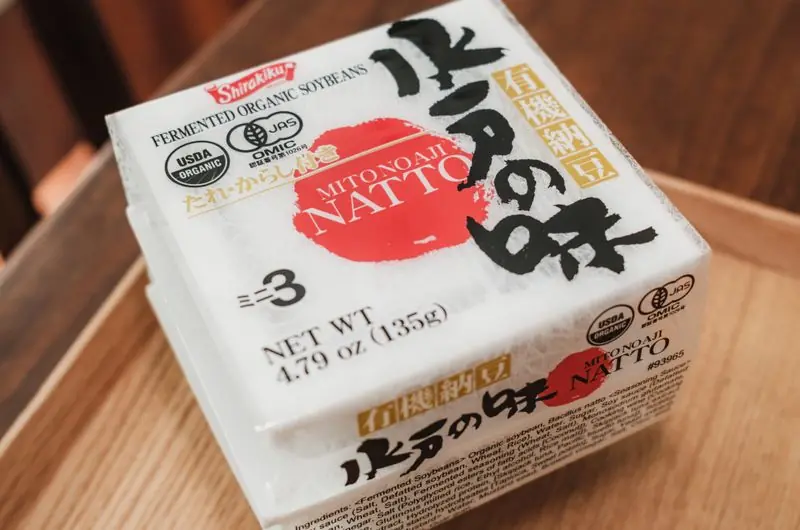
Natto is one of the best-known dietary sources of vitamin K2. It is made by fermenting soybeans and is particularly rich in MK-7.
The NIH Office of Dietary Supplements lists approximately 850 micrograms of vitamin K2, specifically MK-7, in a 3-ounce serving of natto.
Other fermented foods, including certain cheeses, can also contain menaquinones. However, their vitamin K2 content varies widely.
Not every fermented food provides a substantial amount of K2. The type of bacteria used during fermentation and the conditions under which a product is made can influence the final content.
Animal-Based Foods
Smaller amounts of vitamin K2 occur in a range of animal-derived foods.
Examples include:
- Eggs, particularly egg yolks.
- Meat and poultry.
- Liver and other organ meats.
- Certain cheeses.
- Some other dairy products.
The specific forms and amounts differ between foods. For example, MK-4 is found in certain animal-derived products.
Although these foods can contribute to vitamin K2 intake, their content should not be assumed to match that of natto.
Vitamin K2 Food Sources at a Glance
| Food | Vitamin K2 information |
|---|---|
| Natto | Particularly rich in MK-7; NIH lists about 850 mcg per 3-ounce serving |
| Certain fermented cheeses | May contain several menaquinones; amounts vary |
| Egg yolks | Can provide MK-4 |
| Meat and poultry | May provide MK-4 in varying amounts |
| Liver | Contains vitamin K compounds, including MK-4 |
| Other fermented foods | Content depends on the food and fermentation process |
Important: Food composition databases often contain more complete information about vitamin K1 than about individual forms of K2. For that reason, comparisons between foods should use data that specifically identify the form of vitamin K being measured.
The table above is intended as a general guide, not a precise ranking of every food by K2 content.
Can You Get Enough Vitamin K2 From Food?

A varied diet can provide vitamin K from different sources, including leafy vegetables, vegetable oils, fermented foods, and animal-derived products.
However, there is an important distinction between the recommended intake of total vitamin K and a specific amount of vitamin K2.
In the United States, the adequate intake for total vitamin K is 120 micrograms per day for adult men and 90 micrograms per day for adult women. These values include vitamin K from the diet and are not separate recommendations for K2 or MK-7 supplements.
The NIH notes that clinically significant vitamin K deficiency is rare in healthy adults, although certain medical conditions and medications can increase the risk.
Whether someone needs additional K2 depends on their individual circumstances. A supplement is not automatically necessary simply because a person does not regularly eat natto.
Vitamin K2 and Vitamin D3: How Are They Related?
Vitamin K2 and vitamin D3 are often combined in dietary supplements because they participate in different but related physiological processes.
Vitamin D helps the body absorb calcium and supports bone health. Vitamin K activates proteins involved in bone metabolism and other processes that regulate mineralization.
These roles have led to interest in whether taking both nutrients together offers additional benefits.
However, a plausible biological relationship does not prove that everyone taking vitamin D3 also needs a K2 supplement.
Research has not established a universal need to combine the two vitamins. The appropriate approach depends on diet, health status, medication use, and individual nutritional requirements.
For a more detailed discussion, a separate article can examine the evidence on vitamin K2 and vitamin D3, including bone health, supplementation, and safety.
Vitamin K2 Deficiency: What Should You Know?
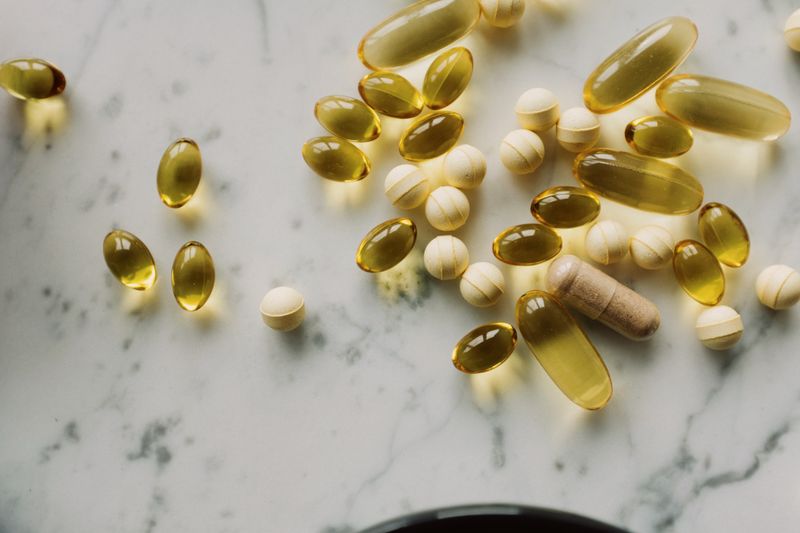
Clinically significant vitamin K deficiency is uncommon in healthy adults. When it occurs, it can interfere with normal blood clotting and cause problems such as excessive bleeding.
The risk is higher in certain circumstances, including:
- Conditions that impair fat absorption.
- Some gastrointestinal disorders.
- Certain types of bariatric surgery.
- Use of particular medications that interfere with vitamin K metabolism or absorption.
Vitamin K deficiency is not diagnosed reliably from vague symptoms alone. Signs such as easy bruising or unusual bleeding can have several possible causes and require appropriate medical assessment.
There is also an important distinction between a deficiency of vitamin K overall and a specifically demonstrated deficiency of K2. Routine clinical assessment does not generally establish a person’s MK-7 or MK-4 status through a standard test.
If you suspect a nutritional deficiency, speak with a healthcare professional rather than attempting to diagnose it or treat it with high-dose supplements.
Vitamin K2 Supplements: Are They Necessary?
Vitamin K2 supplements are available in several forms, including MK-4 and MK-7. Some products contain K2 alone, while others combine it with vitamin D3, calcium, or other nutrients.
The existence of these supplements does not mean that everyone needs them.
For many people, a varied diet provides vitamin K from multiple sources. Supplementation may be considered in particular circumstances, but the decision should account for individual health needs and the available evidence.
It is also important to remember that supplements can interact with medication.
People taking warfarin should not start, stop, or substantially change vitamin K supplementation without medical guidance. Sudden changes in vitamin K intake can alter the effect of this medication. Maintaining a consistent intake is generally important.
If you are considering a K2 supplement for bone or cardiovascular health, discuss the expected benefits and limitations with a healthcare professional.
Frequently Asked Questions
What Is the Difference Between Vitamin K1 and K2?
Vitamin K1, or phylloquinone, is found mainly in green leafy vegetables and certain vegetable oils. Vitamin K2 refers to a group of compounds called menaquinones, which occur in fermented foods and in smaller amounts in meat, eggs, and dairy products. Both forms support vitamin K-dependent functions in the body.
Which Foods Are Highest in Vitamin K2?
Natto, a traditional Japanese fermented soybean food, is particularly rich in MK-7. Certain cheeses and animal-derived foods also contain vitamin K2, although their amounts vary. Natto is one of the most concentrated natural dietary sources of this form.
Are MK-4 and MK-7 the Same?
No. MK-4 and MK-7 are different forms of vitamin K2. They differ in their food sources and how long they remain in circulation. Both have been studied, but findings for one form should not automatically be applied to the other.
Should You Take Vitamin K2 With Vitamin D3?
Not everyone needs to take these vitamins together. Although they participate in different processes related to bone health, research has not established that all people taking vitamin D3 require additional K2. Individual needs depend on diet, health status, and other factors.
Can You Get Enough Vitamin K2 From Food?
Diet can provide vitamin K2 through foods such as natto, certain cheeses, eggs, and meat. The amount varies by food and preparation. Adequate intake of total vitamin K is important, but the recommended intake for vitamin K overall should not be interpreted as a specific target for K2.
Sources
- National Institutes of Health, Office of Dietary Supplements. Vitamin K: Fact Sheet for Health Professionals.
- Ma ML, et al. Efficacy of vitamin K2 in the prevention and treatment of postmenopausal osteoporosis: A systematic review and meta-analysis of randomized controlled trials. Frontiers in Public Health. 2022.
- National Academies of Sciences, Engineering, and Medicine. Dietary Reference Intakes for Vitamin A, Vitamin K, Arsenic, Boron, Chromium, Copper, Iodine, Iron, Manganese, Molybdenum, Nickel, Silicon, and Zinc. 2001.
This article is for informational purposes only and is not a substitute for professional medical advice. Dietary supplements should not replace prescribed treatment or a balanced diet.