
Nutrients: Understanding Vitamins, Minerals and Bioactive Compounds
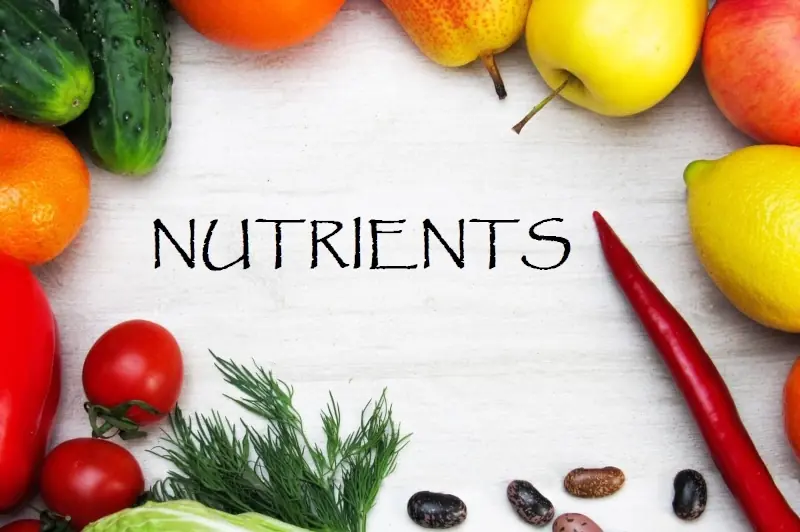
Nutrients are the essential substances the body needs to function properly. They support growth, energy production, immune defense, and many other biological processes. Every food we eat contains a unique combination of nutrients, which is why a varied diet plays such an important role in overall nutrition.
This section explores the key nutrients found in foods, including vitamins, minerals, fiber, and other important dietary components. Understanding these nutrients can help explain why certain foods are considered nutritious and how they contribute to a balanced diet.
Vitamins are organic compounds required in small amounts but essential for many metabolic functions. For example, vitamin C supports immune function and antioxidant defense, while vitamin B6 plays an important role in metabolism and brain health. Minerals such as potassium, magnesium, iron, and calcium are also vital for processes ranging from muscle function to bone health.
Nutrients do not always work independently. Some vitamins and minerals influence each other’s absorption and biological activity, while certain plant compounds may complement their antioxidant effects. Understanding these interactions can provide a broader picture of how different dietary components contribute to health.
In addition to vitamins and minerals, many foods contain beneficial plant compounds such as polyphenols, flavonoids, and anthocyanins. These substances are less widely known than essential vitamins, but research has linked them to antioxidant and anti-inflammatory activity and potential benefits for cardiovascular health and cellular protection. For example, dark-colored berries contain anthocyanins, while onions are a good source of quercetin. Other flavonoids, including quercetin and rutin, have also been studied for their antioxidant properties and their potential to help protect vitamin C from oxidation.
By learning about individual nutrients, it becomes easier to understand the value of different foods and how they work together within a healthy dietary pattern. Each article in this section explores a specific nutrient or plant compound, its functions, potential health effects, and the foods that commonly provide it.
Explore the categories below to learn more about the nutrients and natural compounds that contribute to everyday health and well-being.
Explore Nutrients:
Vitamins
Learn about the different vitamins, their functions in the body, potential health benefits, and the foods that provide them
Explore

Minerals
Learn about essential minerals, their roles in the body, potential benefits, dietary sources, and how they interact with other nutrients.(coming soon)

Phytonutrients
Learn about phytonutrients, their functions, antioxidant properties, and the foods that provide these natural plant compounds.
(coming soon)
Latest Articles
Vitamin K2: Benefits, Food Sources, and How It Works
Vitamin K2 helps activate proteins involved in blood clotting and bone metabolism. It belongs to the vitamin K family and occurs naturally in fermented foods, certain cheeses, meat, eggs, and other animal-derived products. Natto, a traditional Japanese fermented soybean food, is one of the richest dietary sources of vitamin K2. Researchers are studying whether vitamin…