Aged garlic extract is a form of garlic in which unstable compounds like allicin are converted into more stable substances such as S-allyl cysteine. This process results in a milder, odorless product that is often used in research and supplementation.
Compared to raw garlic, aged garlic extract provides a different profile of bioactive compounds with higher stability and tolerability.
Aged garlic extract is a specially prepared form of garlic that undergoes a controlled aging process. During this time, the chemical composition of garlic changes significantly, resulting in a product that is milder, more stable, and easier to tolerate — both in terms of taste and digestion.
Unlike fresh garlic, aged garlic extract has little to no characteristic odor. At the same time, it retains — and in some cases enhances — certain compounds that are widely studied for their potential role in supporting health.
This article explains how aged garlic extract is made, what it contains, and what scientific research suggests about its potential effects.
This article is part of our complete guide to garlic. For a full overview, see Garlic: Nutrition, Health Benefits and Bioactive Compounds.
What Is Aged Garlic Extract?
Aged garlic extract (AGE) is a form of garlic that has been:
- sliced or crushed
- stored in a liquid medium (usually water or diluted alcohol)
- aged for up to 20 months under controlled conditions
This long process transforms unstable compounds into more stable and bioavailable ones.
How Aged Garlic Extract Is Made
Step-by-Step Process
- Fresh garlic preparation
Garlic cloves are sliced or crushed to activate enzymatic reactions - Extraction phase
Garlic is placed in ethanol-water solution - Aging period (up to 20 months)
Over time:- harsh compounds break down
- new stable compounds form
- Filtration and standardization
The extract is filtered and standardized for consistent composition
What Happens During the Aging Process?
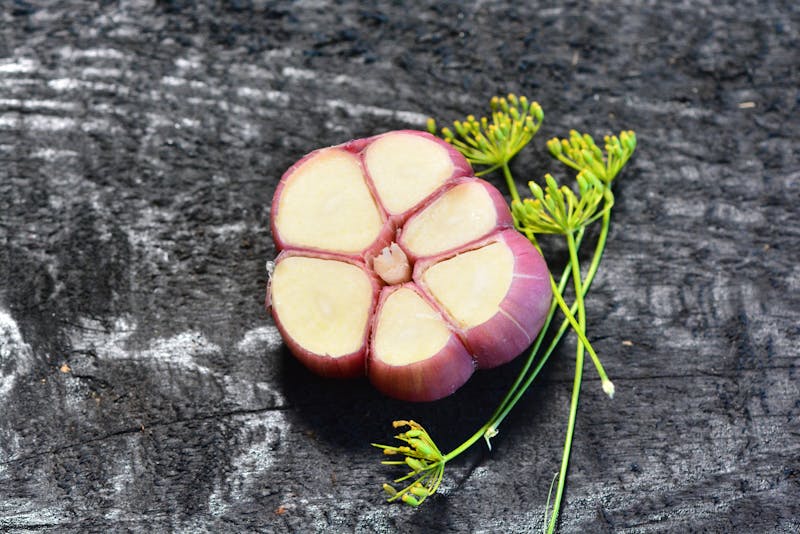
The aging process significantly changes garlic’s chemical profile.
Key Transformations
- Allicin (unstable) → disappears
- S-allyl cysteine (SAC) → increases
- Reduction in harsh sulfur compounds
- Increase in antioxidant capacity
Key Bioactive Compounds in Aged Garlic Extract
1. S-Allyl Cysteine (SAC)
This is one of the most important compounds in AGE.
- Water-soluble
- Highly stable
- Easily absorbed
SAC is often used as a marker of quality in aged garlic supplements.
2. Other Compounds
- S-allyl mercaptocysteine
- Polyphenols
- Flavonoids
These compounds contribute to the overall biological activity of AGE.
Learn more about: Bioactive Compounds in Garlic
Why Aged Garlic Extract Has Less Smell
The strong smell of fresh garlic comes mainly from allicin and related sulfur compounds.
During aging:
- these volatile compounds are reduced
- more stable, odorless compounds are formed
As a result:
Aged garlic extract is much milder and often odorless, making it easier to consume regula
If you prefer to eat garlic raw, there are highly effective methods to deal with the smell: How to Get Rid of Garlic Breath Fast
Potential Health Support of Aged Garlic Extract
Research on aged garlic extract has focused mainly on cardiovascular and immune-related areas.
1. Cardiovascular Health
Some studies suggest that AGE may support:
- normal blood pressure
- healthy cholesterol levels
- vascular function
For example, research has shown that aged garlic extract may contribute to modest reductions in blood pressure in individuals with elevated levels.
You can learn more about: Garlic and Heart Health
Don’t forget to read our article about: How Much Garlic Per Day to Lower Blood Pressure
2. Antioxidant Effects
AGE contains stable antioxidant compounds that may:
- help neutralize free radicals
- support cellular balance
Oxidative stress is one of the factors associated with long-term health conditions.
3. Immune System Support
Some studies indicate that AGE may:
- support immune cell activity
- contribute to normal immune response
This has been explored particularly in the context of seasonal infections.
4. Anti-Inflammatory Potential
Compounds in aged garlic extract may help regulate inflammatory processes, which are relevant for:
- cardiovascular health
- metabolic balance
What Do Scientific Studies Say?
Aged garlic extract is one of the most studied forms of garlic, especially in supplement form.
Selected Research Findings
- Some clinical studies show modest reductions in blood pressure
- Evidence suggests improvements in arterial elasticity
- Some data indicates support for cholesterol balance
- Studies have observed potential benefits for immune function
However, it is important to note:
- Effects are usually moderate
- Results may vary between individuals
- AGE should be seen as supportive, not therapeutic
Aged Garlic Extract vs Fresh Garlic
| Feature | Fresh Garlic | Aged Garlic Extract |
|---|---|---|
| Allicin | High (when raw) | Minimal |
| Stability | Low | High |
| Odor | Strong | Mild / none |
| Digestibility | Can irritate | Generally well tolerated |
| Key compound | Allicin | S-allyl cysteine |
Advantages of Aged Garlic Extract
- Odorless or very mild
- Easier on the digestive system
- Contains stable, bioavailable compounds
- Convenient for regular use
Limitations and Considerations
- Does not contain active allicin
- Effects may be less immediate than raw garlic
- Quality depends on production process
How to Use Aged Garlic Extract
Aged garlic extract is most commonly available as:
- capsules
- liquid extracts
Consistency is important — benefits are typically associated with long-term use rather than short-term intake.
Who May Benefit From Aged Garlic Extract?
It may be a practical option for people who:
- do not tolerate raw garlic well
- want a milder alternative
- prefer odorless supplementation
- want to include garlic regularly in their routine
You may also be interested in another interesting recipe — garlic and honey. In short, it combines the health benefits of honey and garlic along with a pleasant taste. You can find more information in our article about Garlic and Honey\.
Aged Garlic Extract Recommended Products
- Kyolic Aged Garlic Extract – See On Amazon (paid link)
- Odorless Aged Garlic Extract- See On Amazon (paid link)
- Aged Garlic With CoQ10- See On Amazon (paid link)
You may also like:
FAQ – Aged Garlic Extract
Is aged garlic extract better than raw garlic?
Can aged garlic extract support heart health?
How long does it take to see effects?
Can it replace fresh garlic in the diet?
It can complement the diet, but fresh garlic still provides unique compounds like allicin.
Conclusion
Aged garlic extract is a unique form of garlic that offers a different profile of bioactive compounds compared to fresh garlic. Through a controlled aging process, unstable compounds are converted into more stable and bioavailable ones, such as S-allyl cysteine.
Its mild taste, lack of strong odor, and good tolerability make it a practical option for regular use. While its effects are generally moderate, research suggests it may support cardiovascular health, antioxidant balance, and immune function as part of a healthy lifestyle.
Rather than replacing fresh garlic, aged garlic extract can be seen as a complementary option — offering a more convenient and gentle way to include garlic-derived compounds in the diet.
Before you continue, it’s a good idea to understand the basics: Garlic: Nutrition and Health Benefits
Sources
- Amagase, H. (2006). Clarifying the real bioactive constituents of garlic. Journal of Nutrition
- Ried, K. (2016). Garlic lowers blood pressure in hypertensive individuals. Journal of Nutrition
- Banerjee, S.K., Maulik, S.K. (2002). Effect of garlic on cardiovascular disorders. Nutrition Journal
- National Institutes of Health (NIH) – Dietary Supplements
- Iciek, M. et al. (2009). Biological properties of garlic compounds. Environmental and Molecular Mutagenesis
- Mayo Clinic – Garlic and cardiovascular health