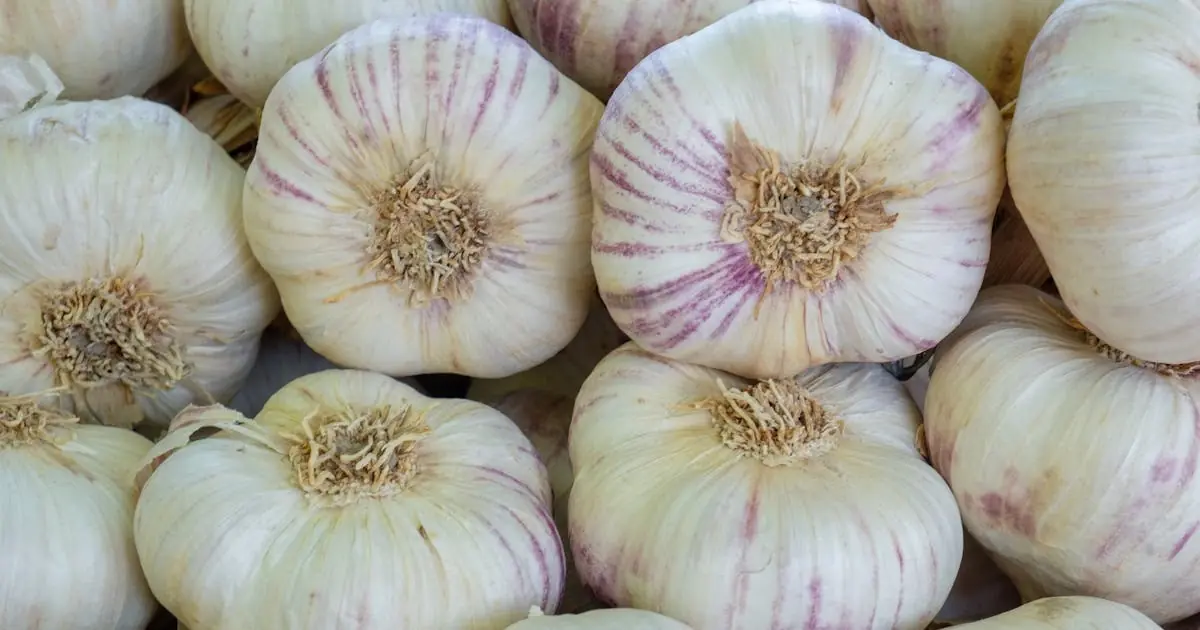
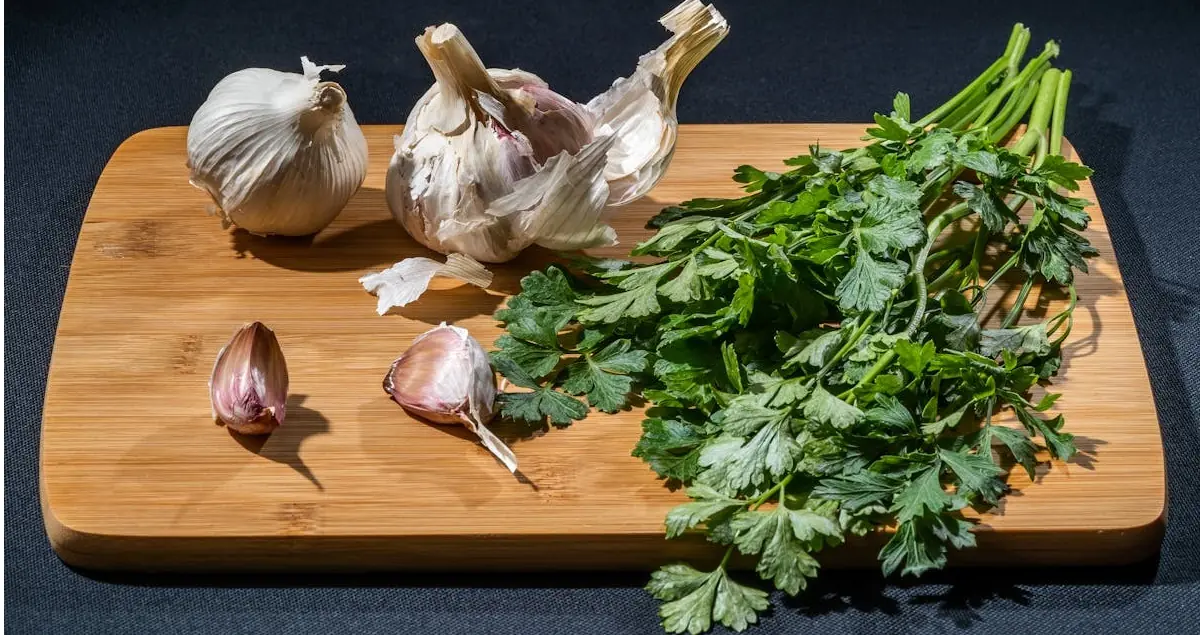
Allicine is a bioactive sulfur-containing compound naturally produced when garlic is crushed or chopped. It is known for its strong antimicrobial and antioxidant properties. Learn how allicine supports the immune system, helps fight bacteria and fungi, and contributes to overall health and wellness.
Garlic may help fight parasites in humans — including pinworms (Enterobius vermicularis), roundworms (Ascaris lumbricoides), Giardia (Giardia intestinalis) and even some tapeworms. While it is not a replacement for medical…
Garlic breath is caused by sulfur compounds that are released during digestion and enter the bloodstream and lungs. These compounds can linger for hours, even after brushing your teeth. Fortunately,…
Aged garlic extract is a form of garlic in which unstable compounds like allicin are converted into more stable substances such as S-allyl cysteine. This process results in a milder,…
Garlic contains bioactive compounds such as allicin, diallyl sulfides, and S-allyl cysteine, which are responsible for many of its biological effects. These compounds are formed or activated when garlic is…
Garlic is often described as a “natural antibiotic.” This idea has been repeated for decades in both traditional medicine and modern wellness trends. But how accurate is it? The truth…
Raw garlic contains higher levels of allicin, while cooked garlic is easier to digest and still provides beneficial compounds. Both forms have unique advantages, depending on how garlic is prepared…