
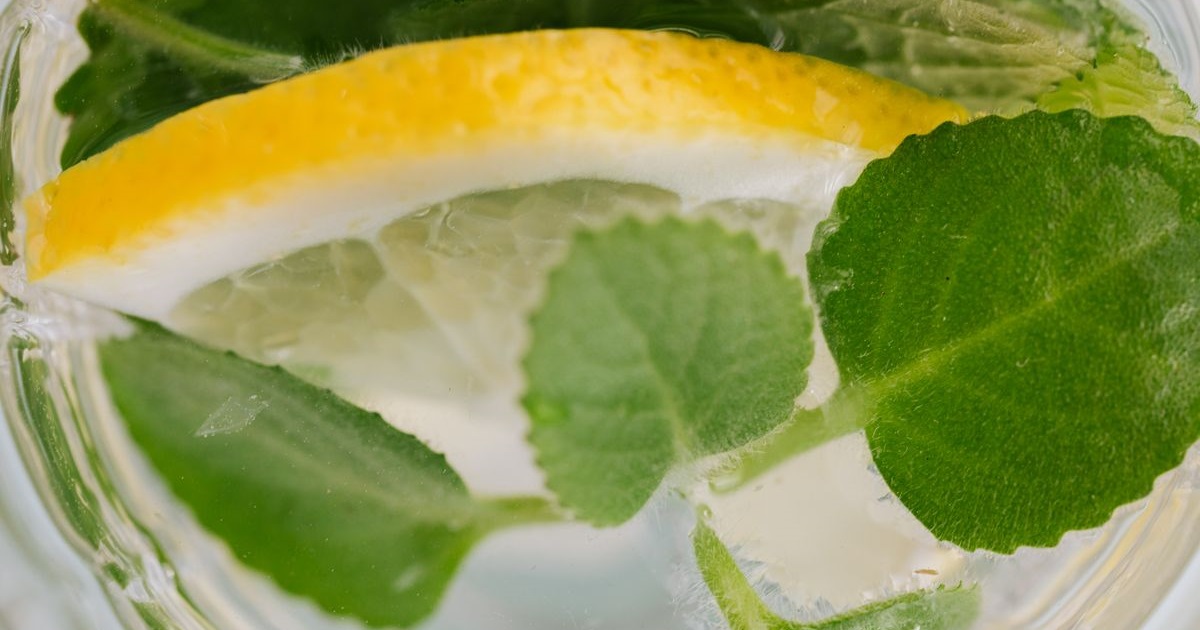
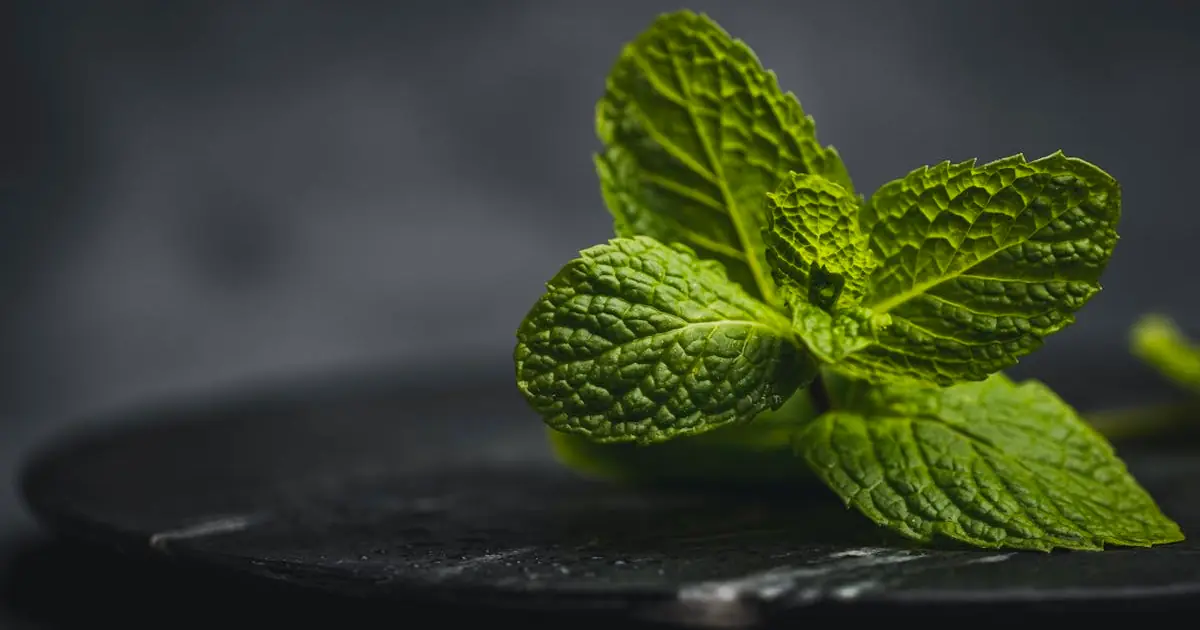
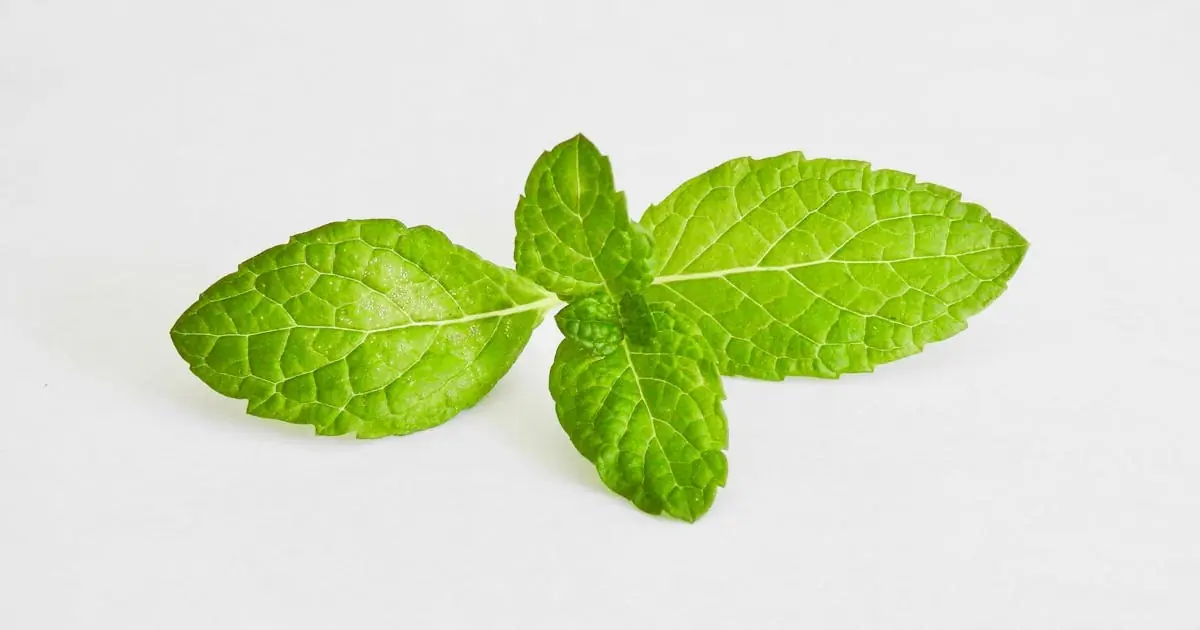
Lemon balm has a fresh, light lemon flavor with subtle minty and slightly sweet notes. Unlike lemon juice, it is not sour, and unlike mint, it is much milder. Fresh lemon balm has the most vibrant aroma and flavor because it naturally contains the highest amount of volatile essential oils. That is why fresh leaves are considered the best choice for salads, cold drinks, and dishes where the herb is added without cooking.
Although lemon balm (Melissa officinalis) is best known as a calming herbal tea, it is also an excellent culinary herb. Its delicate citrus flavor pairs well with vegetables, fruit, fish, poultry, desserts, and homemade drinks, making it surprisingly versatile in the kitchen.
If you would like to learn more about lemon balm, its bioactive compounds, traditional uses, and health benefits, read our complete guide: Lemon Balm (Melissa officinalis): Health Benefits, Uses, and Bioactive Compounds.
What Does Fresh Lemon Balm Taste Like?
Fresh lemon balm has a delicate, clean flavor that combines:
- light lemon notes,
- gentle mint,
- mild sweetness,
- fresh herbal aromas.
Many people expect an intense lemon taste, but lemon balm is much softer than lemon itself. It refreshes dishes without overpowering other ingredients.
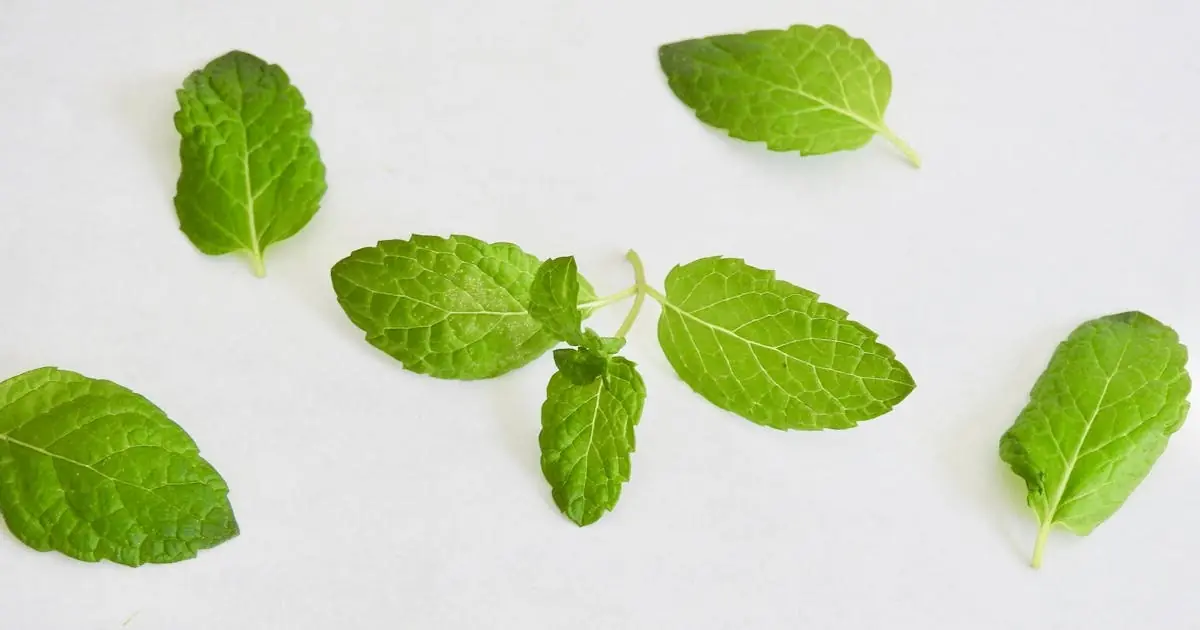
Because the leaves are tender, they can be eaten raw straight from the plant.
What Does Lemon Balm Smell Like?
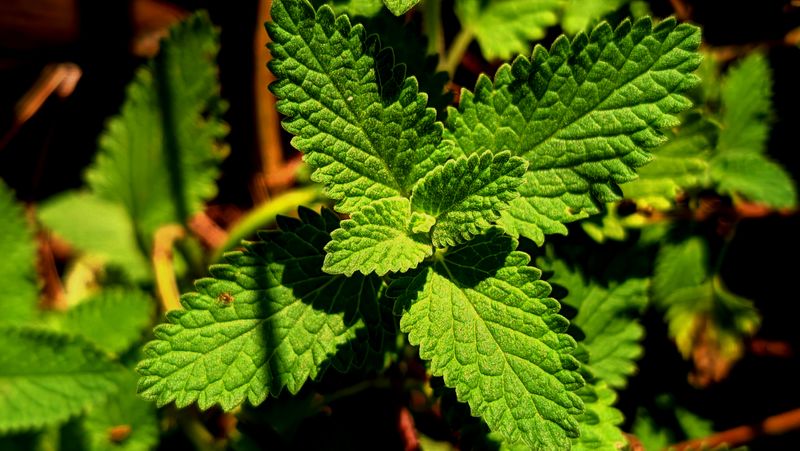
The aroma is often even more noticeable than the taste.
Fresh leaves release a pleasant fragrance that combines:
- lemon zest,
- fresh herbs,
- mild mint,
- and subtle floral notes.
The scent comes mainly from volatile compounds such as:
- citronellal,
- citral,
- geraniol,
- and other essential oil components.
Simply rubbing a fresh leaf between your fingers releases its characteristic citrus aroma.
Is Fresh Lemon Balm Better Than Dried?
In most culinary applications, yes.
Fresh lemon balm is generally considered the most valuable form because it contains the highest levels of volatile essential oils responsible for its aroma and flavor.
Fresh leaves are:
- more fragrant,
- more flavorful,
- richer in aromatic compounds,
- and ideal for raw dishes.
Adding fresh lemon balm to salads, yogurt, fruit, or cold drinks allows these delicate oils to remain largely intact.
Drying naturally reduces some volatile oils, while cooking can cause additional losses through heat.
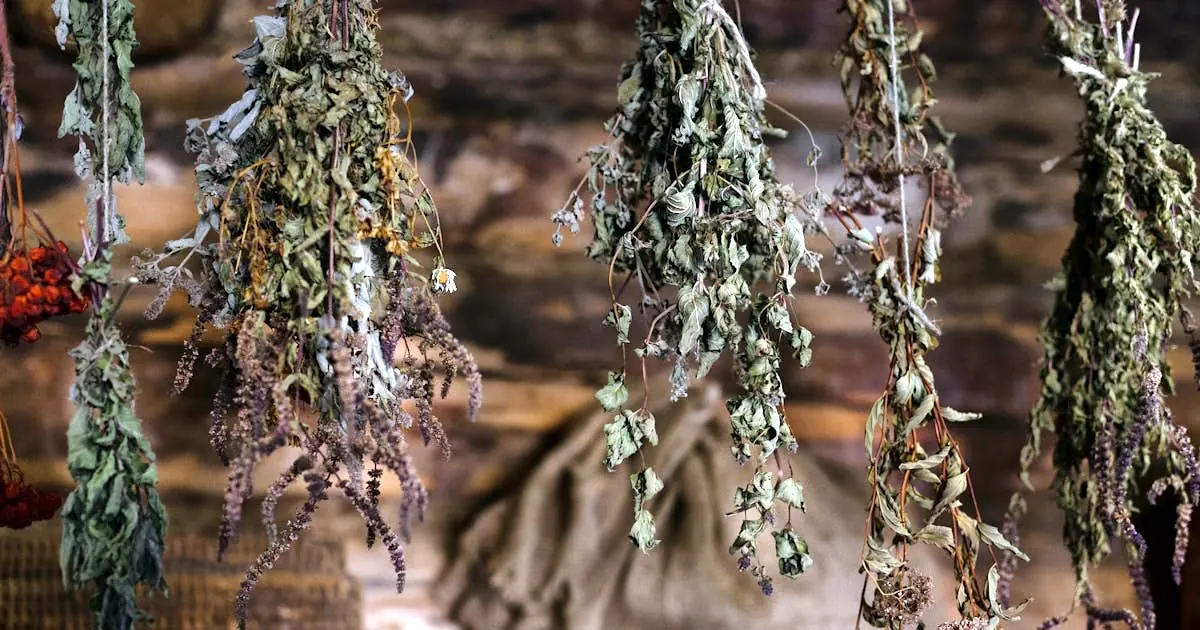
Properly dried lemon balm is still excellent for herbal tea and many recipes, but for maximum aroma and flavor, fresh leaves are difficult to beat.
If you’d like to learn more, see our article: Fresh vs Dried Lemon Balm: Differences in Aroma, Benefits, and Uses.
Does Dried Lemon Balm Taste Different?
Yes.
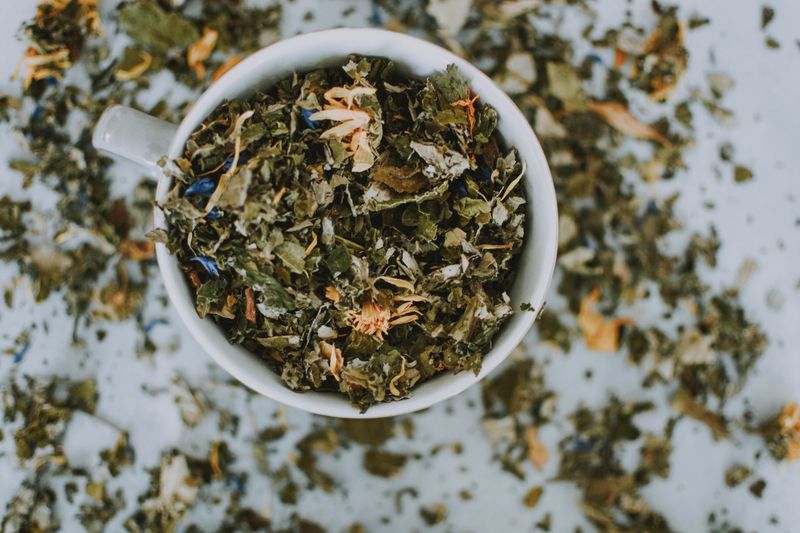
Properly dried lemon balm still has a pleasant lemon-herbal flavor, but it is usually:
- less vibrant,
- less citrusy,
- and less aromatic than fresh leaves.
The quality of the dried herb also matters.
Whole leaves generally retain their aroma better than heavily crushed herbs because less surface area is exposed to air, light, and moisture.
When buying dried lemon balm, choose products that contain:
- whole leaves,
- large leaf pieces,
- minimal dust,
- and a strong natural aroma.
Can You Eat Lemon Balm Raw?
Absolutely.
In fact, eating fresh lemon balm raw is one of the best ways to enjoy its flavor.
Raw leaves preserve their:
- essential oils,
- natural aroma,
- delicate texture,
- and bright appearance.
Young leaves are particularly tender and work well in many dishes.
How to Use Lemon Balm in Cooking
Lemon balm is surprisingly versatile.
Its delicate citrus flavor works well in both sweet and savory recipes.
Popular uses include:
- salads,
- herbal butter,
- pesto,
- sauces,
- marinades,
- fruit salads,
- desserts,
- smoothies,
- iced tea,
- lemonade,
- infused water.
Because its flavor is gentle, lemon balm rarely dominates a dish.
What Foods Pair Well With Lemon Balm?
Lemon balm complements many ingredients.
It pairs particularly well with:
Fruits
- strawberries,
- blueberries,
- raspberries,
- peaches,
- apples,
- pears,
- citrus fruits.
Vegetables
- cucumber,
- tomato,
- zucchini,
- carrots,
- leafy greens.
Proteins
- chicken,
- turkey,
- white fish,
- salmon,
- shrimp.
Dairy
- yogurt,
- cottage cheese,
- cream cheese,
- ricotta,
- goat cheese.
Sweet Dishes
Lemon balm works beautifully with:
- honey,
- vanilla,
- berries,
- sorbet,
- homemade ice cream,
- cakes,
- panna cotta.
Lemon Balm in Salads
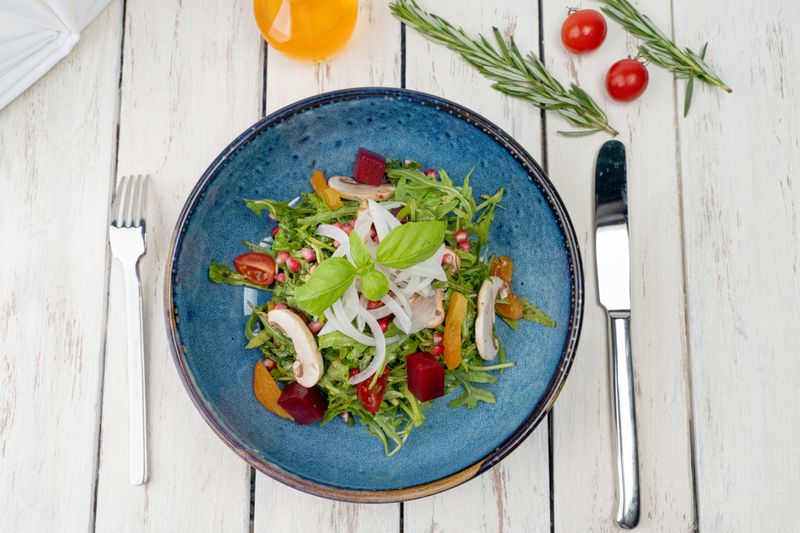
Fresh salads are one of the best ways to enjoy lemon balm.
Because the leaves are not heated, much of their natural aroma remains intact.
Try adding chopped lemon balm to salads containing:
- cucumber,
- tomatoes,
- avocado,
- strawberries,
- watermelon,
- feta cheese,
- walnuts.
The result is fresh, aromatic, and slightly citrusy.
Lemon Balm in Drinks
Lemon balm is excellent in beverages.
Popular options include:
- herbal tea,
- iced tea,
- lemonade,
- infused water,
- smoothies,
- mocktails,
- cocktails.
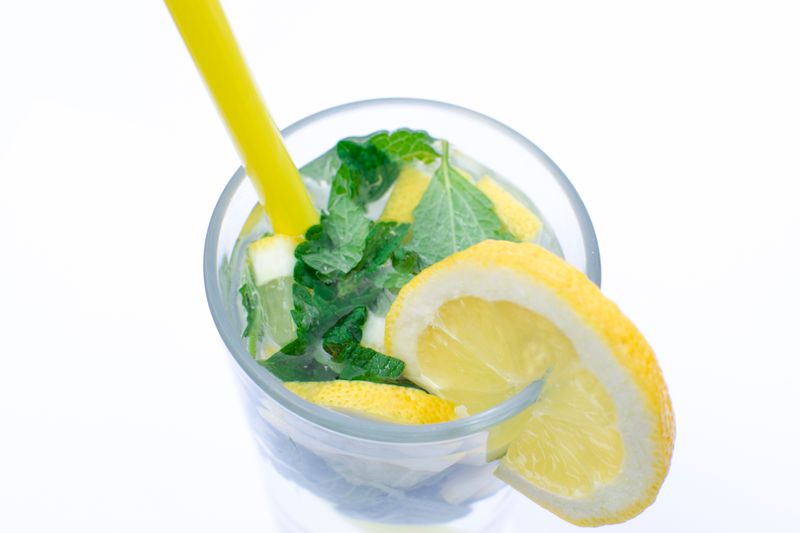
Fresh leaves can simply be added to cold water with lemon slices for a refreshing summer drink.
Lemon Balm in Desserts
Its mild citrus flavor works surprisingly well in desserts.
Consider adding fresh lemon balm to:
- fruit salads,
- cheesecake,
- yogurt,
- custard,
- berry desserts,
- sorbet,
- ice cream.
Finely chopped leaves also make an attractive edible garnish.
Can You Cook Lemon Balm Like Mint?
Yes, but there is one important difference.
Lemon balm is more delicate than mint.
Long cooking times reduce its aroma because many essential oils evaporate when exposed to heat.
For the best flavor, add lemon balm:
- at the end of cooking,
- immediately before serving,
- or use it fresh whenever possible.
Can You Freeze Fresh Lemon Balm?
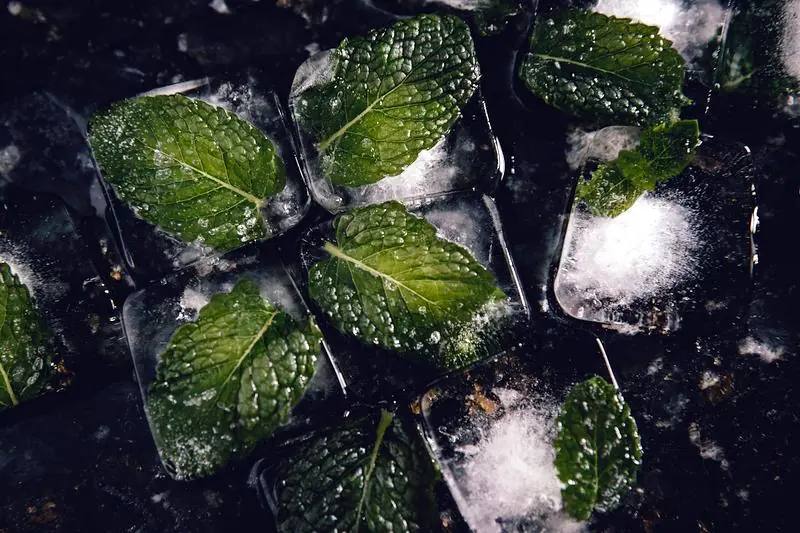
Yes.
Freezing is often a better way to preserve flavor than drying.
You can freeze:
- whole leaves,
- chopped leaves,
- or leaves frozen in ice cubes with water or olive oil.
Although frozen leaves lose some texture after thawing, they usually retain more aroma than herbs stored for long periods at room temperature.
When Should You Add Lemon Balm During Cooking?
Late.
Whether making soup, vegetables, or sauces, lemon balm should generally be added during the last few minutes of cooking.
This helps preserve:
- aroma,
- flavor,
- and volatile oils.
Adding it too early may leave very little of its characteristic lemon fragrance.
What Herbs Go Well With Lemon Balm?
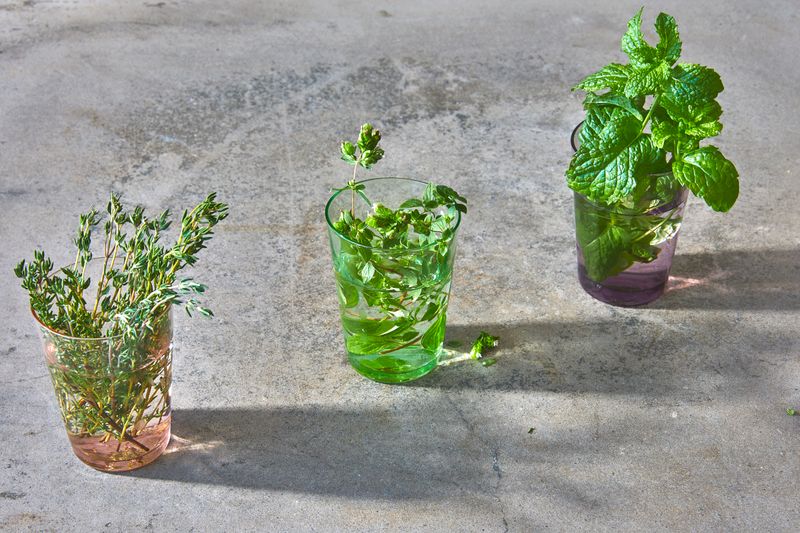
Lemon balm combines well with many herbs.
Some of the best companions include:
- mint,
- basil,
- parsley,
- thyme,
- dill,
- lemon verbena,
- chamomile,
- lavender.
These combinations are common in herbal teas, salads, and Mediterranean-inspired dishes.
For example, lemon balm and chamomile are frequently blended in relaxing evening teas. You can learn more in our guide: Lemon Balm and Chamomile for Sleep: Can This Herbal Tea Help You Relax Before Bed?
Common Mistakes When Cooking With Lemon Balm
Cooking It for Too Long
Heat causes delicate essential oils to evaporate.
Buying Poor-Quality Dried Herbs
Old, dusty herbs often have very little aroma.
Using Too Much
Lemon balm has a gentle flavor, but excessive amounts can overwhelm delicate dishes with herbal notes.
Ignoring Fresh Leaves
Fresh lemon balm usually offers the best balance of flavor, aroma, and natural volatile oils.
Readers Also Enjoyed
Frequently Asked Questions
What does lemon balm taste like?
Lemon balm tastes mildly lemony with gentle minty and slightly sweet herbal notes.
Is lemon balm the same as mint?
No. Lemon balm belongs to the mint family but has a much softer citrus flavor.
Can you eat fresh lemon balm?
Yes. Fresh lemon balm is edible and is often considered the best form for salads, cold drinks, and garnishes.
Does dried lemon balm taste the same as fresh?
Not quite. Dried lemon balm has a milder aroma and flavor because some volatile oils are naturally lost during drying.
What foods go well with lemon balm?
Lemon balm pairs well with fruit, vegetables, fish, poultry, yogurt, desserts, and herbal drinks.
Can you cook lemon balm?
Yes, but it is usually best added near the end of cooking to preserve its delicate aroma.
Can you freeze lemon balm?
Yes. Freezing helps preserve much of its flavor and aroma and is a good alternative to drying.
Sources
- National Center for Complementary and Integrative Health (NCCIH)
- European Medicines Agency (EMA) Herbal Monograph on Melissa officinalis
- PubMed Scientific Database
- USDA FoodData Central
- Journal of Ethnopharmacology
- Molecules
- Frontiers in Pharmacology
- Phytotherapy Research
- Herbal Medicine: Biomolecular and Clinical Aspects
Pingback: Is Lemon Balm Related to Lemons? Why It Smells Like Lemon but Isn't Citrus