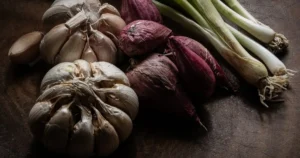
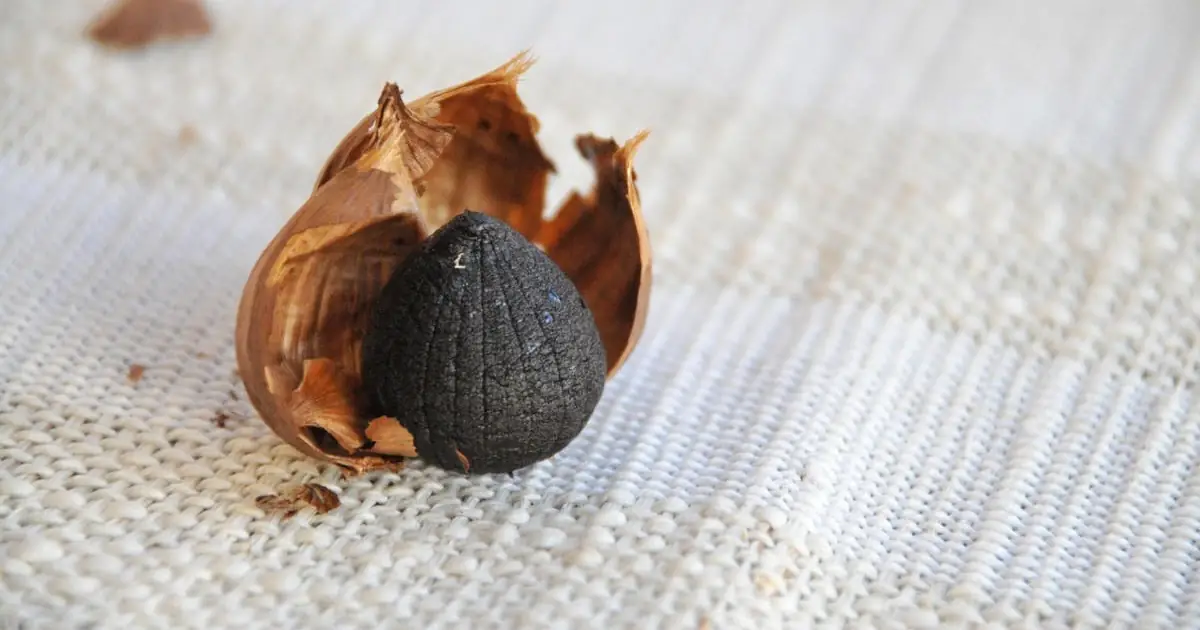
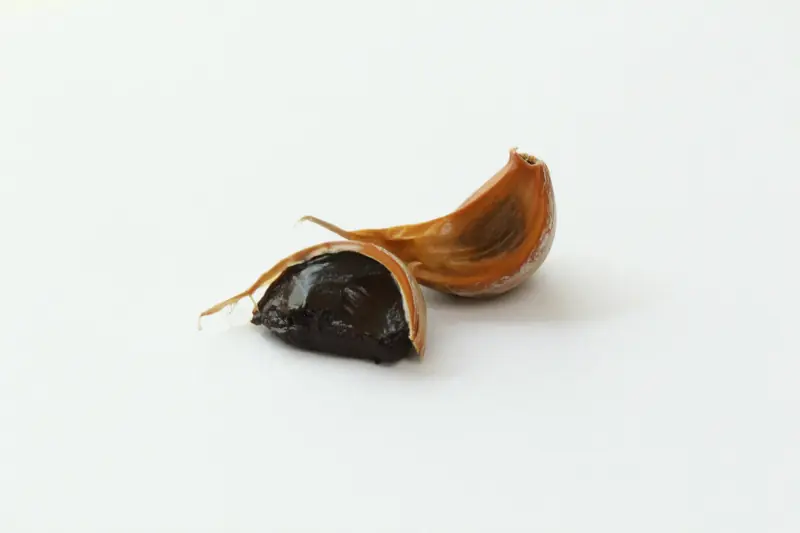
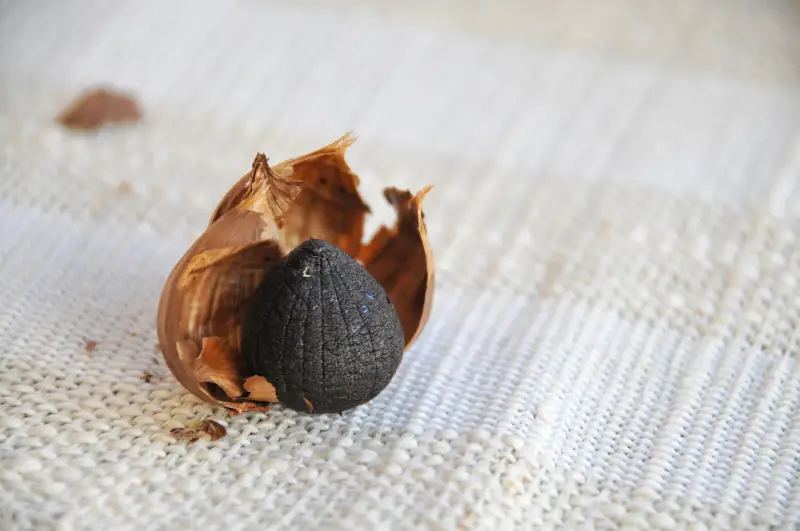
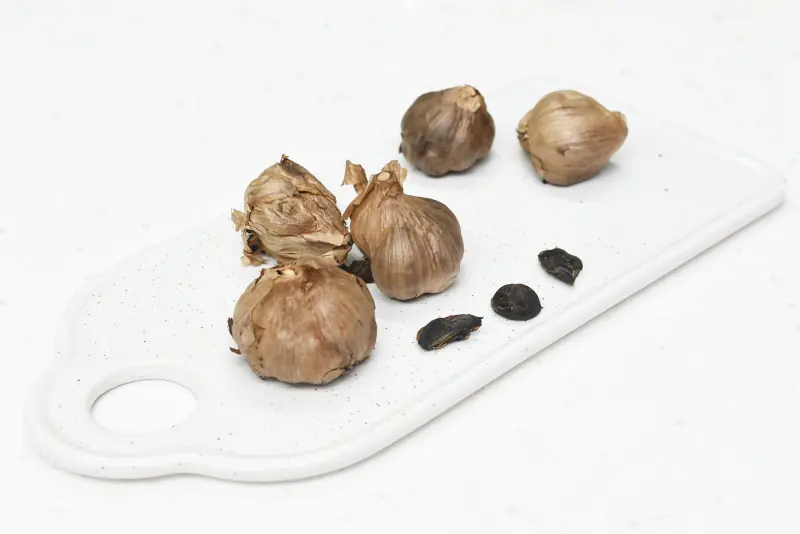
Black garlic and regular garlic come from the same plant, but they differ in taste, texture, and chemical composition. Black garlic is made by keeping whole garlic bulbs under controlled temperature and humidity for an extended period. The cloves gradually turn dark, become soft, and develop a sweet, tangy flavor.
Regular garlic has a sharper taste and contains compounds that form when the cloves are chopped or crushed, including allicin. Black garlic has a different profile of sulfur-containing compounds and often contains higher levels of certain antioxidants, depending on how it is produced.
So, is black garlic better than regular garlic? Not necessarily. Black garlic is a good choice if you prefer a milder flavor or want to experiment with different ingredients. Regular garlic remains a versatile option for everyday cooking, and both have compounds that researchers are investigating for their potential health effects.
This article is part of our complete guide to garlic. For a full overview, see Garlic: Nutrition, Health Benefits and Bioactive Compounds.
Black Garlic vs Regular Garlic: What’s the Difference?
The biggest difference is how the garlic is processed. Regular garlic is typically used fresh, while black garlic undergoes prolonged controlled heating and humidity. This process changes its color, texture, flavor, and chemical composition.
Black garlic is not a separate garlic variety. It is made from ordinary garlic bulbs that have undergone this transformation.
| Feature | Black Garlic | Regular Garlic |
|---|---|---|
| Production | Prolonged heating under controlled conditions | Used fresh or after ordinary cooking |
| Color | Dark brown to black | White or cream |
| Texture | Soft, sticky, sometimes chewy | Firm and crisp |
| Taste | Sweet, tangy, slightly acidic, umami-like | Sharp, pungent, and spicy |
| Smell | Usually milder | Stronger, especially when crushed |
| Allicin | Generally much lower after processing | Forms when garlic is crushed or chopped |
| Other compounds | Contains compounds such as S-allyl cysteine (SAC) | Contains a different profile of sulfur compounds |
| Best uses | Sauces, dressings, spreads, and purees | Everyday cooking, marinades, and raw sauces |
| Health research | Promising findings, but human evidence is limited for many claims | Studied extensively, although results depend on the preparation |
One important distinction is that cooking regular garlic in a pan does not produce black garlic. The dark color and characteristic flavor develop through a much longer, controlled process.
The exact composition of black garlic also varies. Processing time, temperature, humidity, and the starting garlic can all influence the final product.
Black Garlic vs Regular Garlic: Taste and Texture
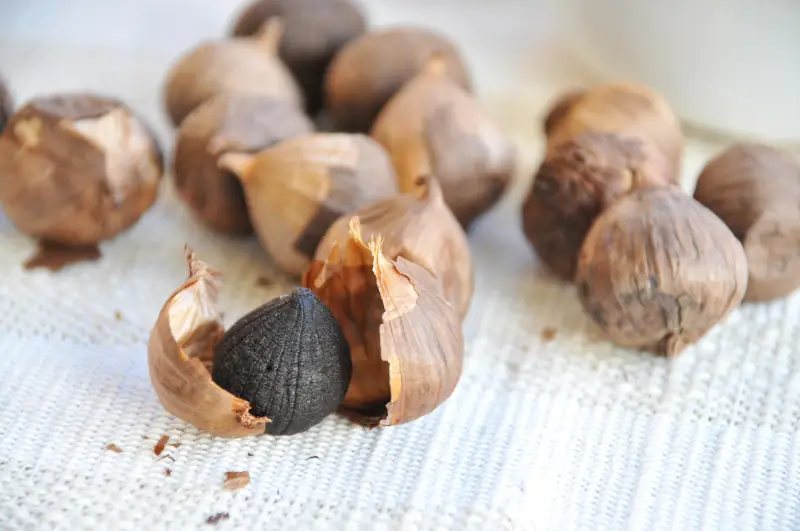
For many people, taste is the most noticeable difference between black garlic and regular garlic.
Fresh garlic has a sharp, pungent flavor. When you crush or chop it, its characteristic aroma becomes stronger. Raw garlic can also leave a lingering taste in your mouth.
Black garlic is different. Its flavor is often described as sweet, tangy, and savory, with notes reminiscent of balsamic vinegar, molasses, dried fruit, or caramel. Some people also notice an umami flavor.
Its texture is softer and sometimes sticky or chewy, making it easy to mash into a paste.
What Does Black Garlic Taste Like?
Black garlic does not have the same sharp bite as fresh garlic. The prolonged processing changes its flavor and reduces the intensity of some compounds associated with the pungency of fresh garlic.
It can taste slightly sweet and acidic at the same time. This combination makes it useful in dishes where ordinary garlic might be too strong.
Black garlic is especially good in sauces, salad dressings, compound butter, marinades, and vegetable purees. It can also be mashed and spread on bread.
Regular garlic is generally the better choice when you want that familiar, strong garlic flavor in a dish.
Is Black Garlic Stronger Than Regular Garlic?
Not in the usual sense of garlic pungency. Black garlic generally has a milder aroma and lacks much of the sharp, spicy bite associated with fresh garlic.
However, it has a concentrated, distinctive flavor of its own. Its sweetness and umami notes can stand out in a dish even when the typical garlic smell is less noticeable.
If you want a strong, unmistakable garlic flavor, fresh garlic is usually the better option. If you want something sweeter and more complex, black garlic is worth trying.
Black Garlic vs White Garlic: Nutritional Differences
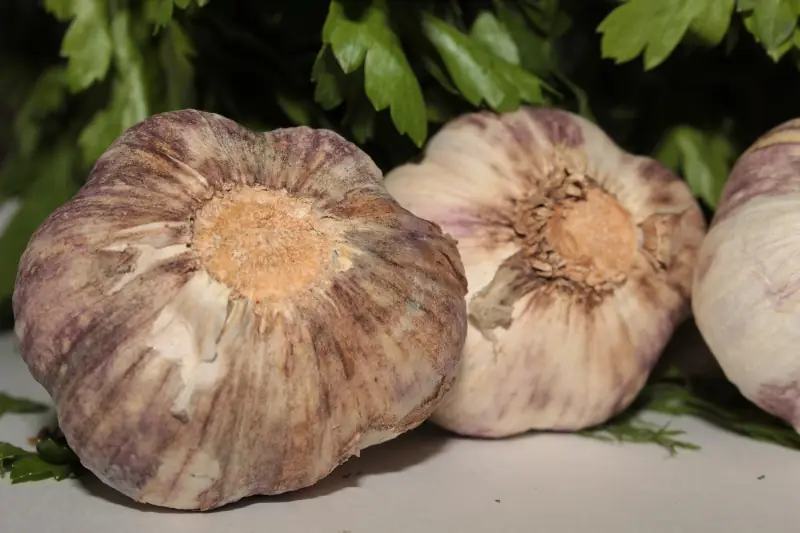
Black garlic and white garlic share the same botanical origin, but their nutritional and chemical profiles are not identical.
The processing used to make black garlic changes several compounds naturally present in fresh garlic. Some decrease, while others increase or become more concentrated.
It is worth separating ordinary nutrients, such as carbohydrates and minerals, from bioactive compounds that researchers study for their potential biological effects.
Allicin and Other Sulfur Compounds
Fresh garlic contains alliin, a sulfur-containing compound. When a clove is chopped, crushed, or chewed, the enzyme alliinase helps convert alliin into allicin.
Allicin contributes to the characteristic smell and pungency of freshly crushed garlic. It is also one of the compounds studied for its potential antimicrobial and other biological activities.
Black garlic undergoes prolonged heating, which changes this chemistry. Allicin is generally much lower in the finished product, while other sulfur-containing compounds, including S-allyl cysteine (SAC), may become more prominent.
This does not mean that one form is universally better. They simply have different chemical profiles.
If you are interested in allicin specifically, fresh garlic prepared by crushing or chopping it is more relevant than black garlic.
Does Black Garlic Have More Antioxidants?
Some studies have found increased antioxidant activity in black garlic compared with fresh garlic. Processing can change the levels of certain polyphenols and other compounds that contribute to antioxidant activity.
A study published in Journal of Agricultural and Food Chemistry in 2014 also examined changes associated with garlic sprouting and found increased antioxidant activity under the conditions studied. Other research has investigated changes in antioxidant activity during black garlic processing.
However, the results depend on how antioxidant activity is measured and how the garlic is produced. A higher result in a laboratory test does not automatically mean that eating the food provides greater health benefits.
It is also important to distinguish antioxidant activity from actual clinical outcomes. Researchers need human studies to determine whether these chemical differences lead to meaningful improvements in health.
Black Garlic vs Regular Garlic: Health Benefits
Both black garlic and regular garlic contain biologically active compounds that researchers have studied for potential health effects. However, the evidence differs depending on the preparation and the outcome being investigated.
Regular garlic has been studied in relation to cardiovascular health, cholesterol, and blood pressure. Black garlic research has explored antioxidant activity, inflammatory markers, metabolic health, and other potential effects.
Some findings are encouraging, but many studies are small, use specific extracts, or rely on laboratory and animal experiments. Neither form of garlic should be treated as a replacement for medical treatment.
Antioxidant Activity
Black garlic is particularly interesting to researchers because its processing changes the concentration of several antioxidant compounds.
S-allyl cysteine, for example, is a water-soluble sulfur-containing compound found in black garlic and certain aged garlic preparations. It has been investigated for its antioxidant properties.
Regular garlic also contains compounds with antioxidant activity. Its chemical profile changes when it is chopped, crushed, cooked, or otherwise processed.
The important point is that black garlic may have greater activity in some laboratory antioxidant tests, but this does not establish that it is better for preventing disease or improving longevity.
Does Black Garlic Have the Same Health Benefits as Fresh Garlic?
Not exactly. Black garlic and fresh garlic contain different proportions of bioactive compounds, so their effects may not be identical.
Fresh garlic is particularly relevant to research on allicin and other compounds formed when garlic tissue is damaged. Black garlic, meanwhile, has been investigated for compounds that develop or become more prominent during processing.
Research on one preparation cannot automatically be applied to another. For example, a clinical trial involving aged garlic extract does not prove that eating black garlic produces the same result.
This distinction matters when interpreting claims about immunity, heart health, inflammation, or antioxidant protection.
Is Black Garlic Better for Blood Pressure?
There is not enough evidence to conclude that black garlic is better than regular garlic for lowering blood pressure.
Some studies have investigated black garlic or specific black garlic preparations for cardiovascular effects. Research on ordinary garlic and certain garlic supplements has also examined blood pressure, with results varying by preparation, dosage, and study population.
The evidence for garlic supplements should not be confused with evidence for eating garlic as a food. The same applies to black garlic.
If you have high blood pressure, black garlic can be part of your diet if you enjoy it, but it should not replace prescribed medication or medical advice. If you take blood pressure medication or blood-thinning drugs, discuss concentrated garlic supplements with your healthcare professional.
Is Black Garlic Better Than Regular Garlic?
Neither black garlic nor regular garlic is the clear winner in every situation. The better choice depends on what you want from it.
Choose regular garlic if:
- You enjoy its strong, pungent flavor.
- You want an ingredient for everyday cooking.
- You are interested in allicin, which forms when fresh garlic is crushed or chopped.
- You prefer an inexpensive ingredient that is widely available.
Choose black garlic if:
- You prefer a sweet, tangy, less pungent flavor.
- You want to add umami to sauces, dressings, or spreads.
- You enjoy experimenting with different ingredients.
- You want to explore a food with a distinct profile of sulfur-containing compounds and other bioactive substances.
From a nutritional perspective, it is difficult to declare one universally healthier than the other. Their composition differs, and the health effects depend on the compounds involved, the amount consumed, and the available clinical evidence.
You also do not have to choose one exclusively. Both can fit into a varied diet.
Is Black Garlic the Same as Aged Garlic?
No. Black garlic and aged garlic extract are different products, even though their names may sound similar.
Black garlic is generally made by keeping whole garlic bulbs under controlled heat and humidity for an extended period. This produces dark cloves with a soft texture and a sweet, complex flavor.
Aged garlic extract, often abbreviated as AGE, is made by aging garlic in a liquid, commonly over an extended period. The resulting extract has a different composition from black garlic.
| Feature | Black Garlic | Aged Garlic Extract |
|---|---|---|
| Form | Whole cloves or a food ingredient | Concentrated liquid extract or supplement |
| Production | Prolonged controlled heating and humidity | Long-term aging in a liquid |
| Typical use | Cooking and eating as food | Often used as a dietary supplement |
| Research | Studies examine the processed cloves and their compounds | Clinical research often investigates the specific extract |
| Can the evidence be interchanged? | No | No |
This distinction is especially important when comparing health claims.
For example, research investigating aged garlic extract and blood pressure does not necessarily tell us how eating black garlic affects blood pressure. The compounds, concentrations, and amounts consumed may differ substantially.
The same caution applies to garlic oil, garlic powder, and other supplements.
How to Use Black Garlic vs Regular Garlic in Cooking
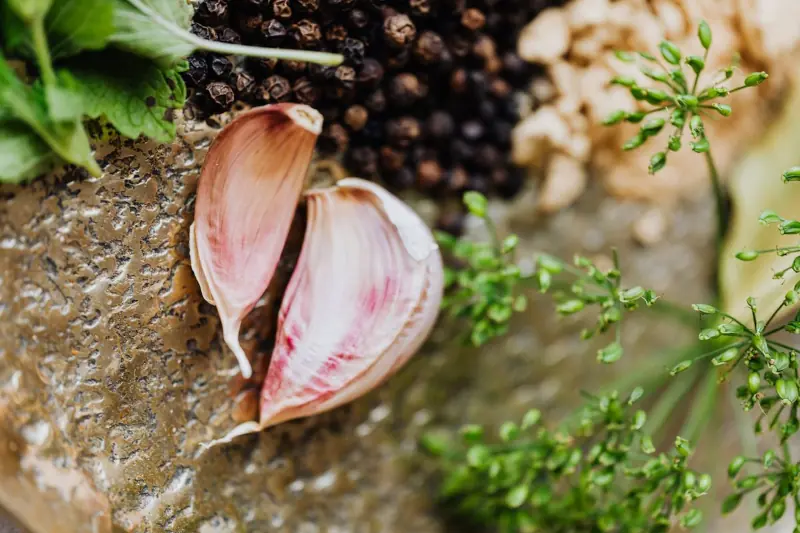
Both types of garlic are useful in the kitchen, but they serve different purposes.
Regular garlic works well when you want a sharp, recognizable garlic flavor. Black garlic is better suited to dishes where sweetness, depth, and umami are welcome.
Best Uses for Regular Garlic
Fresh garlic is a good choice for:
- Pasta sauces and tomato-based dishes
- Garlic butter and marinades
- Stir-fries and roasted vegetables
- Salad dressings and dips
- Soups and stews
- Recipes that call for raw, crushed garlic
Its flavor can become milder and sweeter during cooking, depending on the method and duration.
Best Uses for Black Garlic
Black garlic works especially well in:
- Aioli and mayonnaise-based sauces
- Salad dressings and vinaigrettes
- Mashed potatoes and vegetable purees
- Compound butter and spreads
- Marinades for vegetables, meat, or tofu
- Sauces that benefit from a sweet, savory flavor
Because black garlic is soft, you can mash it into a paste with a fork. It can then be mixed with olive oil, vinegar, mayonnaise, or butter.
You can also add a small amount to a sauce and adjust to taste. Its flavor is distinctive, so it is often better to start with less and add more if needed.
Black garlic is not always a direct substitute for fresh garlic in equal amounts. If a recipe depends on the sharpness of raw garlic, replacing it entirely with black garlic will produce a noticeably different result.
You may be interested in another articles from our comparison series:
- Comparison of the Nutritional Values of Garlic and Onion.
- Comparison of the Garlic vs Garlic Chives: What’s the Difference?
- Comparison of the Garlic Powder vs Fresh Garlic: Nutrition, Allicin, and Health Differences
- Comparison of the Garlic and Ginger: 10 Benefits, Nutrition, Uses, and What Research Shows
- Comparison of the Raw vs Cooked Garlic: Nutritional Differences, Bioactive Compounds, and Health Effects
Readers Also Enjoyed
Frequently Asked Questions
Is black garlic good for you?
Black garlic contains bioactive compounds that have been studied for antioxidant activity and other potential health effects. It can be part of a balanced diet, but evidence is still limited for many specific health claims in humans.
Is black garlic better than regular garlic?
Not necessarily. Black garlic has a sweeter flavor and a different chemical profile, while regular garlic provides the sharp flavor and compounds associated with freshly crushed garlic. Neither has been established as universally superior for health.
Is black garlic good for high blood pressure?
Some studies have investigated black garlic preparations for cardiovascular effects, but the evidence is not sufficient to establish that black garlic is better than regular garlic for lowering blood pressure. Do not replace prescribed treatment with garlic.
Is black garlic good for your kidneys?
There is not enough reliable human evidence to recommend black garlic specifically for kidney health. It can be eaten as a food if it suits your diet, but it should not be treated as a kidney treatment. People with kidney disease or specific dietary restrictions should follow their healthcare professional’s advice.
Is black garlic dangerous?
Black garlic is generally eaten as a food. However, concentrated garlic supplements may cause digestive side effects and can interact with some medications, including blood-thinning drugs. If you have a medical condition or take medication, seek professional advice before using concentrated supplements.
Is black garlic supposed to be soft?
Yes. Black garlic is typically soft, sticky, and sometimes chewy because of the prolonged processing it undergoes. Its texture is very different from the firm texture of fresh garlic. However, an unusual rotten smell or signs of mold should not be dismissed as a normal feature.
Is black garlic extract the same as black garlic?
No. Black garlic extract is a preparation derived from black garlic, and its composition depends on how it is produced. It should not automatically be considered equivalent to whole black garlic or aged garlic extract.
Summary
Black garlic vs regular garlic is not a simple choice between a healthier and a less healthy food. Both come from the same plant, but prolonged processing changes black garlic’s taste, texture, and chemical composition.
Regular garlic is sharper and more pungent, making it a natural choice for everyday cooking. Black garlic is softer, sweeter, and more complex, which makes it especially useful in sauces, dressings, and spreads.
Research suggests that black garlic may contain higher levels of certain antioxidant compounds, including S-allyl cysteine, depending on how it is produced. But these differences do not prove that black garlic provides greater health benefits in people.
If you enjoy both, there is no reason to limit yourself to one. Use regular garlic when you want its characteristic bite and black garlic when you want a sweeter, richer flavor.
Sources
- Kimura S, et al. Black Garlic: A Critical Review of Its Production, Bioactivity, and Application. Journal of Food and Drug Analysis, 2017.
- Zhang X, et al. Black Garlic and Its Bioactive Compounds on Human Health Diseases. Molecules, 2021.
- Physicochemical Properties, Biological Activity, Health Benefits, and General Limitations of Aged Black Garlic. Molecules, 2017. Read on PubMed Central
- Comparative Studies of Bioactivities and Chemical Components in Fresh and Black Garlics. Molecules, 2024.
- Ried K. Garlic Lowers Blood Pressure in Hypertensive Individuals, Regulates Serum Cholesterol, and Stimulates Immunity: An Updated Meta-analysis and Review. Journal of Nutrition, 2016. Search the publication on PubMed