
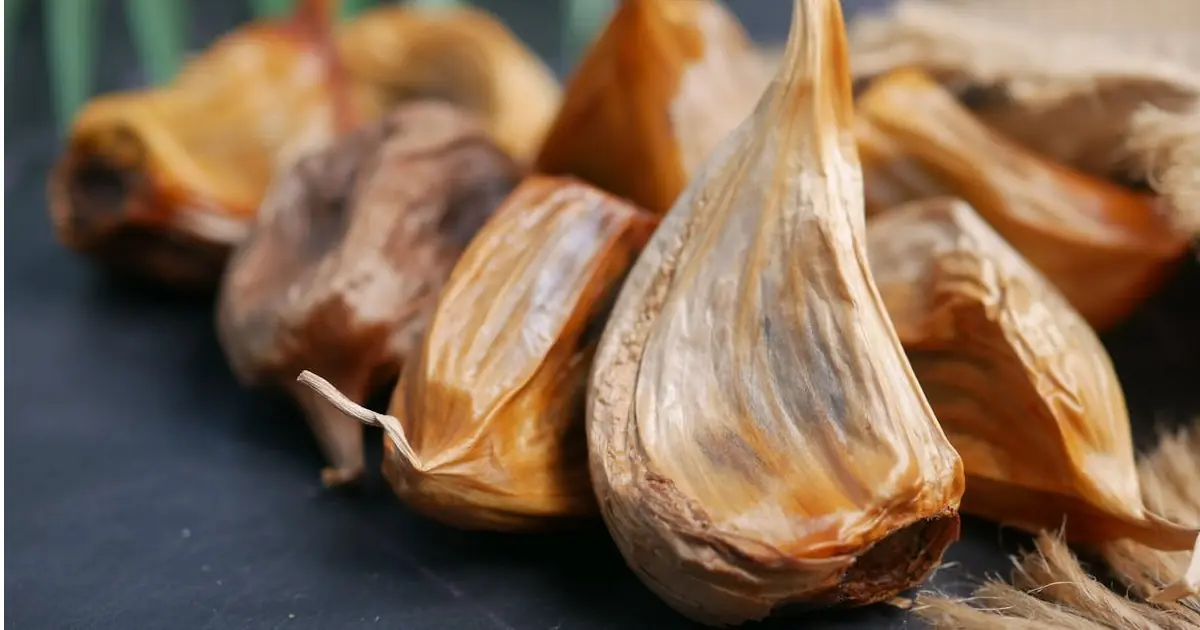
Garlic is low in calories but rich in essential nutrients, including vitamin B6, vitamin C, manganese, and selenium. It also contains bioactive compounds like allicin, which are responsible for many of its unique properties.
Although garlic is typically eaten in small amounts, it provides a concentrated mix of vitamins, minerals, and plant compounds that contribute to overall dietary quality.
Beyond these well-known nutrients, garlic also contains unique plant compounds that are rarely found in other foods.
One of the most notable of these compounds is allicin, which is formed when garlic is chopped or crushed. Allicin and other sulfur-containing compounds are responsible for garlic’s distinctive aroma, but they are also widely studied in nutrition science for their potential interaction with normal physiological processes.
Garlic has been used for centuries in traditional diets across many cultures. While it should not be considered a medicinal product, its regular inclusion in a balanced diet may support overall health as part of a whole-food, nutrient-rich eating pattern.
This article explores the nutritional value of garlic in detail — including its macronutrients, vitamins, minerals, and bioactive compounds — based on reliable scientific data, including the United States Department of Agriculture (USDA) FoodData Central database.
This article is part of our complete guide to garlic. For a full overview, see Garlic: Nutrition, Health Benefits and Bioactive Compounds.
Garlic Nutritional Value (Per 100 g)
Garlic is considered a nutrient-dense food, meaning it provides a wide range of nutrients relative to its calorie content.
Macronutrients (per 100 g)
- Calories: 143–149 kcal
- Protein: 6.3–6.6 g
- Carbohydrates: 28–33 g
- Fiber: 2.1–2.7 g
- Fat: 0.4–0.5 g
- Water: ~58–63 g
These values come from USDA FoodData Central and related databases.
Garlic is naturally low in fat and relatively low in calories, while providing small amounts of plant-based protein and dietary fiber.
Detailed Vitamin Content of Garlic
Garlic contains several vitamins, particularly from the B-group, which play a role in metabolism and normal body function.
Vitamins in Garlic (per 100 g)
| Vitamin | Amount |
|---|---|
| Vitamin C | 31.2 mg |
| Vitamin B6 (Pyridoxine) | 1.23 mg |
| Vitamin B1 (Thiamine) | 0.20 mg |
| Vitamin B2 (Riboflavin) | 0.11 mg |
| Vitamin B3 (Niacin) | 0.70 mg |
| Vitamin B5 (Pantothenic acid) | 0.60 mg |
| Folate (Vitamin B9) | 3 µg |
| Vitamin E | 0.01 mg |
Source: USDA FoodData Central
Key Observations
- Garlic is particularly rich in vitamin B6, which supports normal metabolism and nervous system function
- It contains a moderate amount of vitamin C, which contributes to immune system function
- Other B vitamins are present in smaller amounts but still contribute to overall nutrient intake
Mineral Content of Garlic
Garlic is also a valuable source of several essential minerals.
Minerals in Garlic (per 100 g)
| Mineral | Amount |
|---|---|
| Calcium | 181 mg |
| Potassium | 401 mg |
| Phosphorus | 153 mg |
| Magnesium | 25 mg |
| Manganese | 1.67 mg |
| Iron | 1.7 mg |
| Zinc | 1.16 mg |
| Copper | 0.30 mg |
| Selenium | 14 µg |
| Sodium | 17 mg |
Source: USDA FoodData Central
Key Observations
- Garlic is especially high in manganese, which plays a role in antioxidant processes
- It provides a meaningful amount of selenium, important for cellular protection
- It contributes to intake of potassium, calcium, and phosphorus, which support normal physiological functions
Garlic Nutrition Per Clove
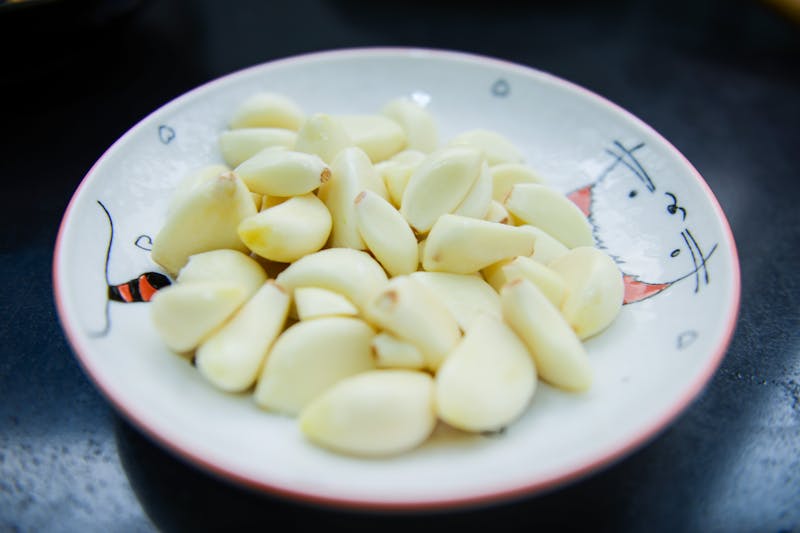
Garlic is rarely consumed in 100 g portions. A typical serving is 1–2 cloves.
One clove (≈3–5 g) contains:
- Calories: ~4–7 kcal
- Carbohydrates: ~1 g
- Protein: ~0.2 g
- Fiber: ~0.1 g
Although the nutrient amounts per clove are small, regular consumption can contribute to overall dietary intake over time.
Bioactive Compounds in Garlic
Beyond vitamins and minerals, garlic contains unique plant compounds that are often discussed in nutrition research.
Allicin
Allicin is formed when garlic is:
- chopped
- crushed
- or chewed
This compound is not present in intact garlic — it is created through enzymatic reactions after tissue damage.
The allicin content makes garlic a natural antibiotic.
Other Sulfur Compounds
Garlic also contains:
- Diallyl disulfide
- S-allyl cysteine
- Ajoene
These compounds are not classified as essential nutrients but are frequently studied in the context of diet and health.
Antioxidants and Polyphenols
Garlic contains plant-based antioxidants, including:
- Flavonoids
- Phenolic compounds
These compounds contribute to the antioxidant potential of foods, which is one reason garlic is often included in discussions about functional foods and plant-based diets.
Learn more about Bioactive Compounds in Garlic
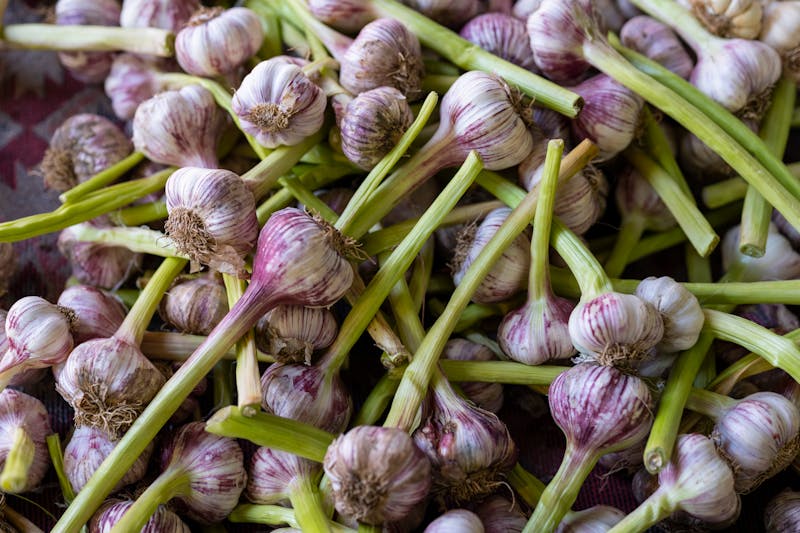
Macronutrient Profile: Why Garlic Is Low in Calories
Garlic is composed mainly of:
- Carbohydrates (primarily complex carbs)
- Water
- Small amounts of protein
It contains:
- No cholesterol
- Almost no fat
- Very little sugar
Because of this, garlic is often used to enhance flavor without significantly increasing calorie intake.
Garlic in Dietary Patterns
Garlic is commonly included in:
- Mediterranean-style diets
- Plant-based diets
- Whole-food diets
It is often used together with vegetables, legumes, and whole grains, contributing to overall dietary diversity.
Raw garlic is great for your health, but it can leave you with an unpleasant smell on your breath. Not everyone finds that appealing. Rather than cutting it out of your diet, it’s worth checking our guide: How to Get Rid of Garlic Breath Fast
Practical Ways to Include Garlic in Your Diet
Garlic can be added to:
- Soups and broths
- Vegetable dishes
- Legume-based meals
- Whole grain recipes
- Salad dressings and sauces
Using fresh garlic is generally preferred for both flavor and nutrient preservation.
But it’s important to remember that not everyone can eat garlic, especially fresh garlic.
You can read more about the nutritional differences between Raw and Cooked Garlic
You may also like:
FAQ – Nutritional Value
Is garlic healthy?
Garlic contains vitamins, minerals, and plant compounds that contribute to a balanced diet. It is best viewed as part of an overall healthy eating pattern rather than a standalone “superfood.”
How much garlic should you eat daily?
Does cooking garlic destroy its nutrients?
Is garlic a good source of vitamins?
What happens if you eat garlic every day?
Eating garlic regularly may support several aspects of health. Research suggests it may help support cardiovascular health, immune function, and normal inflammatory responses.
In everyday dietary practice, people who regularly cook with garlic tend to include more whole foods overall—vegetables, legumes, and home-prepared meals. That combination, not just garlic itself, often contributes to better nutrition habits.
What nutrients are found in garlic?
Garlic is low in calories but surprisingly rich in micronutrients. A small clove provides small amounts of vitamin C, vitamin B6, manganese, selenium, and fiber.
While the quantities are modest, garlic’s real value comes from its bioactive sulfur compounds, particularly allicin, diallyl sulfides, and S-allyl cysteine. These compounds are what researchers often associate with garlic’s potential health effects.
Conclusion
Garlic is far more than a simple seasoning. While it is typically consumed in small amounts, it provides a wide range of nutrients, including vitamins, minerals, and biologically active compounds such as allicin.
Its nutritional value lies not only in its micronutrient content but also in its role as part of a balanced, whole-food-based diet. Regular inclusion of garlic in meals can contribute to dietary variety and nutrient intake without significantly increasing calories.
Understanding garlic’s nutritional profile helps highlight why this small ingredient continues to be valued in both traditional diets and modern nutrition research.
Before you continue, it’s a good idea to understand the basics: Garlic: Nutrition and Health Benefits
Sources
- U.S. Department of Agriculture (USDA) – FoodData Central (Garlic, raw)
- USDA National Nutrient Database
- National Institutes of Health – Office of Dietary Supplements
- World Health Organization nutrition reports
- Harvard T.H. Chan School of Public Health – The Nutrition Source


Pingback: Garlic: Nutrition, Health Benefits and Bioactive Compounds – Nutrition From Food
Pingback: Garlic and Ginger: 10 Benefits, Nutrition, Uses, and Research