
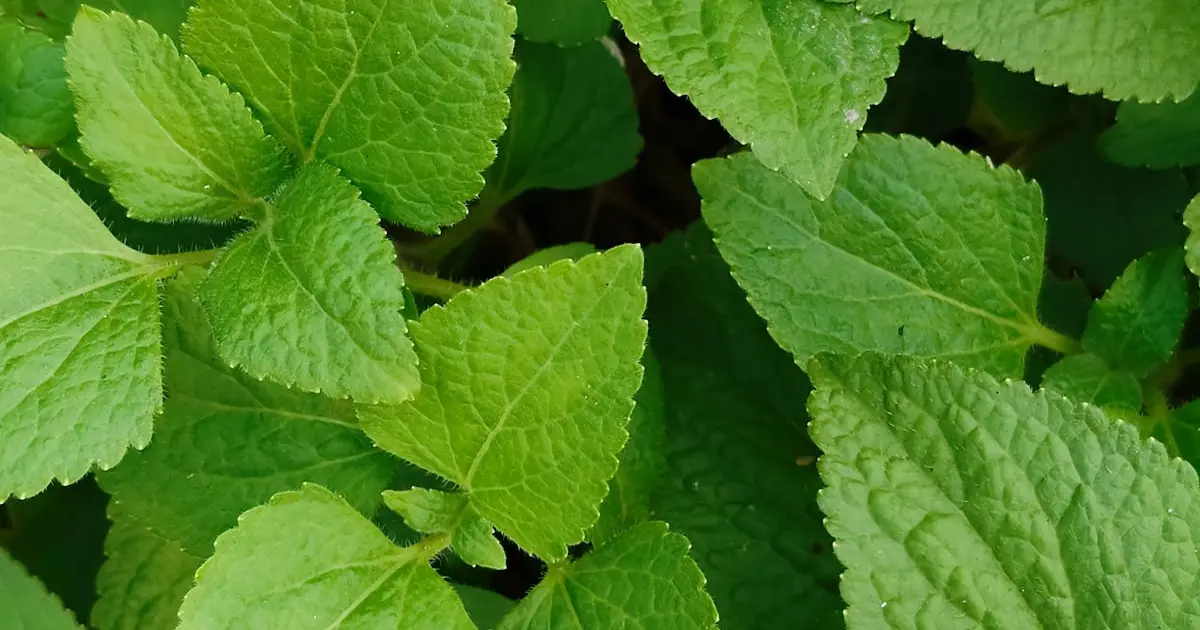
Lemon balm (Melissa officinalis) is one of the most popular calming herbs used in traditional herbal medicine. Its fresh lemon-like aroma, mild taste, and relaxing properties have made it a favorite ingredient in teas, herbal blends, tinctures, and home remedies for centuries. Today, lemon balm is widely used to support relaxation, sleep, digestion, and overall well-being.
What makes lemon balm especially interesting is that it does much more than simply “help you relax.” The plant contains a wide range of biologically active compounds, including rosmarinic acid, flavonoids, and aromatic essential oils that may influence the nervous system, digestion, inflammation, and even certain viruses in laboratory settings.
Fresh lemon balm leaves are particularly valued because they naturally contain more volatile oils responsible for the plant’s aroma and many of its herbal properties. Dried lemon balm is also widely used, especially for herbal teas, although proper drying and storage play a major role in preserving its quality.
In this guide, you’ll learn about:
- lemon balm health benefits,
- active compounds,
- tea and culinary uses,
- possible side effects,
- growing and drying lemon balm,
- antiviral and immune-related properties,
- and the best ways to use fresh and dried leaves.
What Is Lemon Balm (Melissa officinalis)?
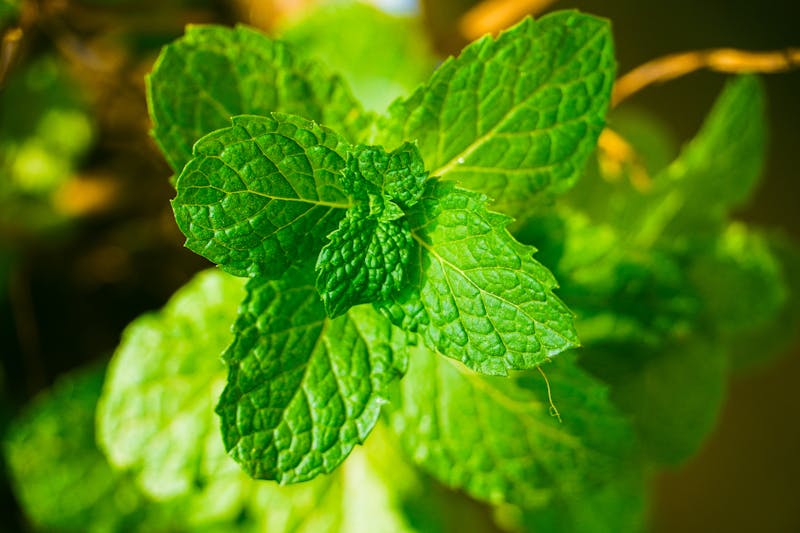
Lemon balm is a perennial herb from the mint family (Lamiaceae). It is native to parts of Europe, the Mediterranean region, and Western Asia, but today it is cultivated around the world both commercially and in home gardens.
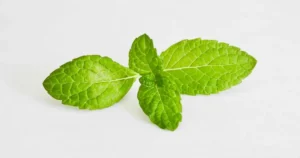
The plant is easy to recognize by:
- its bright green leaves,
- soft texture,
- and refreshing lemon scent released when the leaves are crushed.
Unlike strong medicinal herbs with bitter flavors, lemon balm has a mild and pleasant taste, which is one reason why it became popular as both a culinary herb and a relaxing tea ingredient.
Traditionally, lemon balm has been used for:
- stress and nervous tension,
- sleep support,
- digestive discomfort,
- headaches related to tension,
- calming herbal blends,
- and general relaxation.
Modern herbal preparations may include:
- dried leaves,
- fresh leaves,
- herbal teas,
- extracts,
- capsules,
- tinctures,
- and essential oils.
Lemon Balm Nutrition Facts and Bioactive Compounds
Lemon balm is low in calories but rich in plant compounds that contribute to its aroma and herbal properties. While it is not usually consumed in large quantities like vegetables, it still provides small amounts of nutrients and a significant concentration of phytochemicals.
Fresh lemon balm contains:
- vitamin C,
- small amounts of vitamin A,
- calcium,
- potassium,
- magnesium,
- iron,
- and polyphenolic compounds.
However, the most important components are its bioactive compounds rather than its macronutrient profile.
Key Active Compounds in Lemon Balm
Lemon balm contains many naturally occurring compounds, including:
- rosmarinic acid,
- caffeic acid,
- flavonoids,
- luteolin,
- quercetin,
- tannins,
- citral,
- citronellal,
- geraniol,
- eugenol.
These compounds contribute to the plant’s:
- antioxidant activity,
- aroma,
- calming properties,
- and possible antimicrobial effects.
Why Rosmarinic Acid Is Important
Rosmarinic acid is considered one of the most studied compounds in lemon balm. It is a polyphenol naturally found in several herbs from the mint family.
Research suggests that rosmarinic acid may help:
- reduce oxidative stress,
- support nervous system balance,
- modulate inflammatory pathways,
- and contribute to the calming effects associated with lemon balm.
Because of its antioxidant properties, rosmarinic acid is often discussed in relation to aging, stress, and cellular protection.
Health Benefits of Lemon Balm
Lemon balm has traditionally been used as a calming and soothing herb. Modern research continues to explore its potential effects on the nervous system, digestion, mood, and immune-related processes.
While herbal remedies are not substitutes for medical treatment, lemon balm may support overall well-being when used as part of a healthy lifestyle.
Lemon Balm for Stress and Anxiety
One of the best-known uses of lemon balm is stress relief.
Many people drink lemon balm tea in the evening because it may help promote relaxation and mental calmness without causing excessive sedation. Some studies suggest that compounds in lemon balm may interact with pathways related to GABA, a neurotransmitter involved in relaxation and nervous system balance.
People commonly use lemon balm for:
- mild nervous tension,
- emotional stress,
- restlessness,
- irritability,
- and difficulty unwinding after stressful days.
Lemon balm is often combined with herbs such as chamomile, valerian, lavender, and passionflower in calming herbal formulas.
Lemon Balm for Sleep and Insomnia
Lemon balm tea is frequently used before bed as part of a relaxing nighttime routine.
Its calming properties may help:
- reduce mental overstimulation,
- support relaxation,
- and improve sleep quality in some individuals.
Unlike stronger sedative herbs, lemon balm is usually considered relatively gentle. Some people find that it helps them fall asleep more easily when stress or racing thoughts interfere with rest.
Warm lemon balm tea may also create a psychological relaxation ritual that supports better sleep habits.
In our article we describe in detail lemon balm for sleep, its benefits and the best time to drink it.
Lemon Balm for Digestion and Bloating
In traditional herbal medicine, lemon balm has long been associated with digestive comfort.
It is commonly used for:
- bloating,
- mild stomach discomfort,
- gas,
- digestive tension,
- and occasional cramping.
Warm herbal infusions may help relax the digestive tract and provide soothing effects after meals.
Lemon balm is often included in digestive herbal blends together with:
- peppermint,
- fennel,
- ginger,
- or chamomile.
Lemon Balm for Headaches and Tension
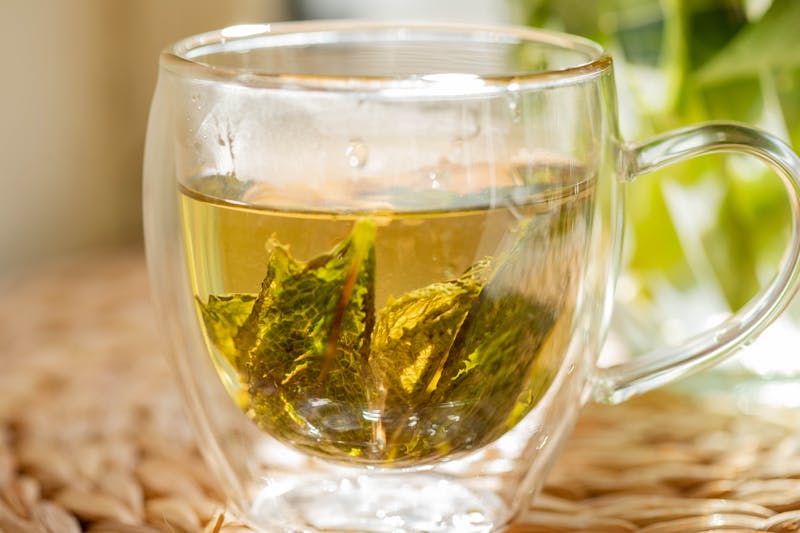
Stress and muscular tension can contribute to headaches in some people. Because lemon balm is associated with relaxation, it is traditionally used as part of calming herbal routines for tension-related discomfort.
Although research is still limited, the herb may indirectly help by supporting relaxation and reducing stress-related tension.
Lemon Balm for Mood and Mental Well-Being
Lemon balm is sometimes used during periods of emotional fatigue, nervousness, or mental exhaustion.
Its pleasant aroma alone may contribute to relaxation. Many people also enjoy the calming ritual of preparing herbal tea, which can become part of a healthy self-care routine.
Some preliminary research suggests that lemon balm may support cognitive performance and mood in certain situations, though more studies are needed.
Does Lemon Balm Help the Immune System?
Lemon balm contains antioxidant compounds that may help protect cells from oxidative stress. Polyphenols and flavonoids found in the plant are often studied for their potential role in supporting normal immune function.
Herbs rich in antioxidants are commonly used in wellness routines because oxidative stress and chronic inflammation may affect overall health.
Although lemon balm should not be viewed as an immune “cure,” it may contribute to general wellness as part of a balanced diet and healthy lifestyle.
Does Lemon Balm Have Antiviral Properties?
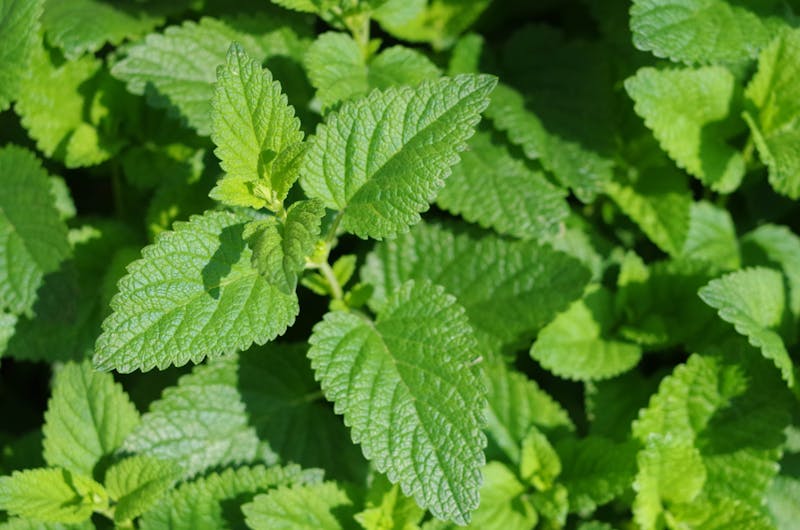
Lemon balm is widely discussed for its possible antiviral activity, especially in laboratory studies involving herpes simplex virus (HSV).
Researchers believe that:
- rosmarinic acid,
- essential oils,
- and certain polyphenols
may contribute to these effects.
Topical preparations containing lemon balm have been studied for cold sores caused by HSV-1. Some evidence suggests that lemon balm extracts may help reduce discomfort or shorten symptom duration in certain cases.
However, laboratory findings do not automatically mean that lemon balm can prevent or cure viral infections in humans.
You can read more about the antiviral properties of lemon balm and what scientific research says in our article
Not only herbs possess antiviral properties—certain vegetables can also help support the body’s natural defenses.
One of the best examples is garlic, which is known for its antiviral activity. In addition, garlic is often referred to as a natural antibiotic and has antifungal properties as well.
To learn more, read our detailed article on the antibacterial properties of garlic.
You may also find it helpful to explore our comprehensive pillar article covering the essential facts about garlic, its nutritional value, and its potential health benefits.
Is Lemon Balm Good for Colds, Flu, and Sore Throat?
Warm lemon balm tea is often consumed during colds and seasonal illnesses because it may provide:
- warmth,
- hydration,
- relaxation,
- and soothing comfort.
Its pleasant aroma and calming properties may also help support rest during illness.
Some people combine lemon balm with:
- ginger,
- honey,
- thyme,
- or chamomile in homemade herbal teas.
Although lemon balm is commonly used in traditional herbal medicine during colds, it should not replace appropriate medical care when necessary.
Lemon Balm and the Nervous System
One reason lemon balm receives so much attention is its relationship with the nervous system.
Researchers have explored whether compounds in lemon balm may influence:
- GABA activity,
- neurotransmitter balance,
- stress pathways,
- and nervous system signaling.
This may partly explain why the herb is associated with:
- calmness,
- relaxation,
- and reduced nervous tension.
Because chronic stress affects both physical and mental well-being, herbs traditionally used for relaxation continue to attract scientific interest.
Can Lemon Balm Help With Brain Fog and Focus?
Interestingly, lemon balm is not always associated with drowsiness. Some people report that it helps them feel calmer while maintaining mental clarity.
Stress and anxiety can worsen concentration problems and mental fatigue. By supporting relaxation, lemon balm may indirectly help improve focus in certain individuals.
Some small studies have explored possible effects on:
- attention,
- memory,
- and cognitive performance,
though more evidence is still needed.
Lemon Balm for Hair and Scalp Health

Lemon balm is sometimes used in natural hair care routines because of its aromatic oils and antioxidant compounds.
Homemade herbal rinses containing lemon balm may help:
- refresh the scalp,
- reduce oiliness,
- soothe irritation,
- and add a pleasant herbal scent to hair.
Fresh or dried lemon balm can be infused into water for herbal rinses, often together with rosemary or chamomile.
While evidence remains limited, lemon balm continues to be used in traditional botanical hair care.
Lemon Balm for Skin Health
The antioxidant compounds found in lemon balm are also of interest in natural skincare.
Lemon balm extracts are sometimes included in:
- creams,
- balms,
- facial mists,
- and herbal washes.
Because of its soothing reputation, lemon balm is occasionally used for irritated or sensitive skin.
Essential oil preparations should always be used carefully and diluted properly, as concentrated oils may irritate the skin.
Garlic can also be effective for scalp health. Thanks to its bioactive compounds, it has anti-inflammatory properties that may help soothe the scalp and promote healthier hair growth.
Lemon Balm Tea Benefits
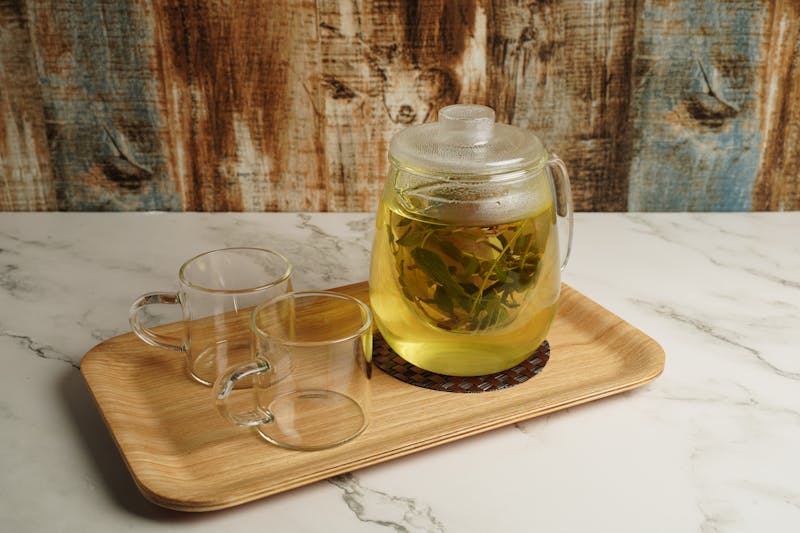
Lemon balm tea remains one of the simplest and most popular ways to use the herb.
People drink lemon balm tea for:
- relaxation,
- evening routines,
- digestive comfort,
- hydration,
- stress relief,
- and mild sleep support.
The tea has a mild lemony flavor with subtle mint-like notes, making it easy to combine with other herbs.
Lemon balm tea can be prepared using:
- fresh leaves,
- dried leaves,
- or herbal tea blends.
Fresh lemon balm usually produces a brighter aroma because it naturally contains more volatile essential oils.
Fresh vs Dried Lemon Balm: Which Is Better?
Fresh lemon balm is generally considered more aromatic because it contains higher amounts of volatile oils responsible for the plant’s characteristic scent.
Fresh leaves are often preferred for:
- fresh herbal teas,
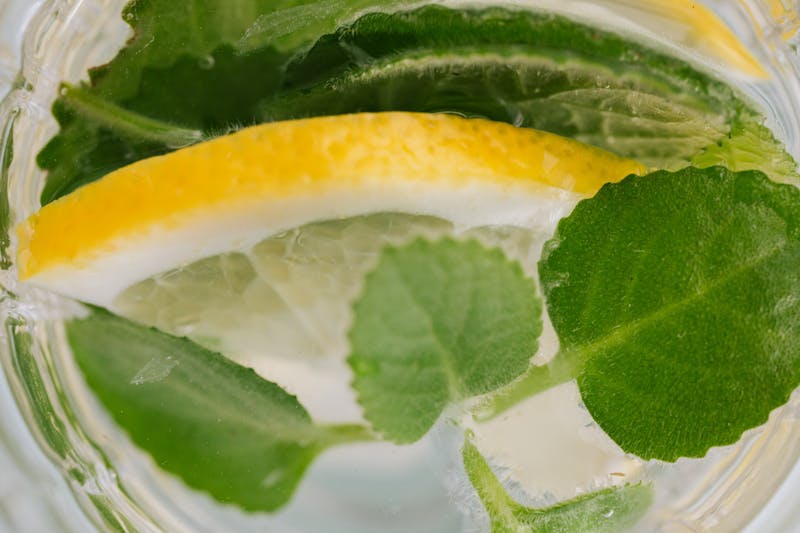
- infused water,
- salads,
- desserts,
- and culinary use.
Dried lemon balm is more convenient for:
- long-term storage,
- herbal tea blends,
- and year-round use.
However, some essential oils gradually decrease during drying and storage. Proper drying methods can help preserve aroma and quality.
Learn more about the differences between fresh and dried lemon balm. In our article we describe in detail the benefits, uses and differences in aroma.
How to Dry Lemon Balm Properly
Drying lemon balm correctly helps preserve its flavor and aromatic compounds.
For best results:
- harvest healthy leaves before flowering,
- dry them in shade,
- ensure good airflow,
- avoid excessive heat,
- and protect the leaves from direct sunlight.
One very important detail is to keep the leaves whole after drying.
Crushing dried lemon balm too early may cause volatile oils to escape faster, reducing aroma and overall quality. Whole dried leaves generally retain their scent better during storage.
How to Store Lemon Balm Without Losing Aroma
Proper storage is essential if you want dried lemon balm to maintain its flavor and herbal properties.
For best quality:
- store leaves in airtight containers,
- keep them away from heat and sunlight,
- protect them from moisture,
- and avoid crushing them unnecessarily.
Glass jars stored in cool, dark places usually work well for dried herbs.
Over time, even properly stored lemon balm gradually loses some potency and aroma.
How to Use Lemon Balm
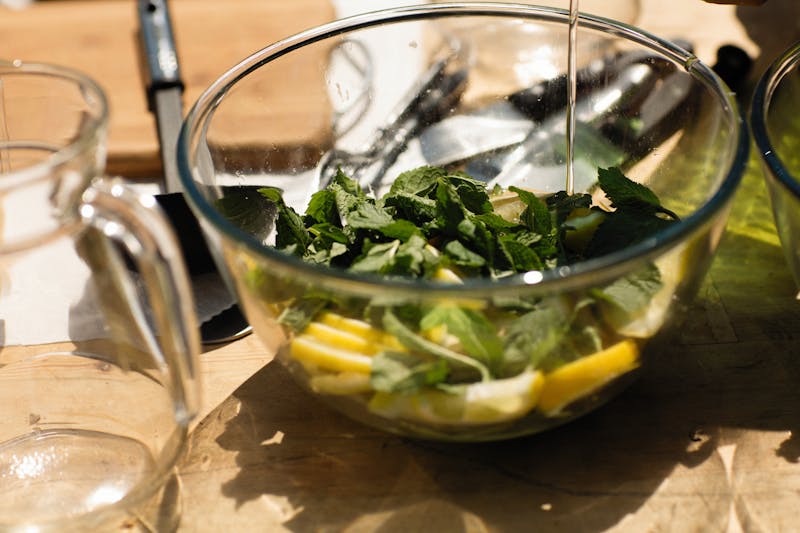
Lemon balm is versatile and can be used in many ways.
Fresh Lemon Balm Uses
Fresh leaves can be added to:
- tea,
- infused water,
- lemonade,
- salads,
- smoothies,
- desserts,
- fruit dishes,
- and herbal syrups.
The fresh leaves provide the strongest aroma.
Dried Lemon Balm Uses
Dried lemon balm is commonly used for:
- herbal teas,
- calming evening blends,
- sleep-support teas,
- and digestive herbal infusions.
It also combines well with chamomile and peppermint.
Lemon Balm in Cooking
Lemon balm works surprisingly well in the kitchen.
It can be added to:
- fish dishes,
- fruit salads,
- yogurt,
- homemade ice cream,
- herbal butter,
- sauces,
- and summer drinks.
Its mild citrus-like flavor pairs especially well with berries and honey.
Lemon Balm in Herbal Blends and Synergistic Effects
Lemon balm is often combined with other herbs because herbal mixtures may provide complementary effects.
Popular combinations include:
- lemon balm and chamomile,
- lemon balm and valerian,
- lemon balm and lavender,
- lemon balm and peppermint,
- lemon balm and passionflower.
These blends are commonly used for:
- relaxation,
- sleep support,
- digestion,
- and stress relief.
Many herbal traditions emphasize synergy, meaning that multiple herbs together may provide broader effects than individual herbs alone.
Learn more about Lemon Balm and Chamomile for Sleep, Dosage and Herbal Mixture Proportions.
You may also be interested in our articles which includes:
- Comparison of Lemon Balm and Lemon Verbena, Benefits and Taste.
- Combination of Lemon Balm and Valerian Root and Its Calming Effect
- Lemon Balm vs Lemongrass: Differences in Aroma, Health Benefits and Wchich is Better for You?
How to Grow Lemon Balm at Home
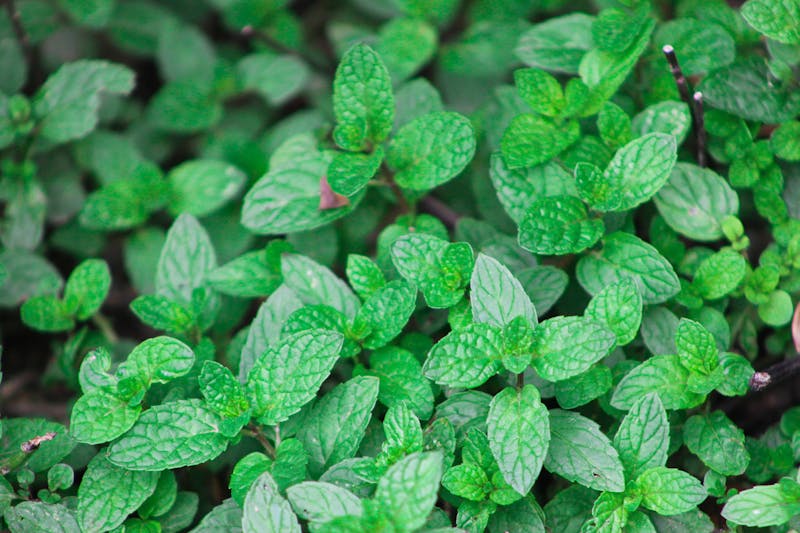
Lemon balm is relatively easy to grow, making it popular among home gardeners.
It grows well:
- in gardens,
- containers,
- raised beds,
- and even indoors.
The plant prefers:
- moderate sunlight,
- well-drained soil,
- and regular watering.
Because lemon balm belongs to the mint family, it can spread quickly under favorable conditions.
Read more about:
- How to Grow Lemon Balm Effectively and Correctly
- How to Harvest Lemon Balm Properly and What Mistakes to Avoid
Is Lemon Balm Invasive in the Garden?
Lemon balm can spread aggressively if not controlled.
The plant self-seeds easily and may take over garden beds over time.
Many gardeners prefer growing lemon balm in containers or trimming flowers before seeds develop.
Regular pruning also helps encourage fresh leaf growth.
How to Harvest Lemon Balm for the Best Flavor and Aroma
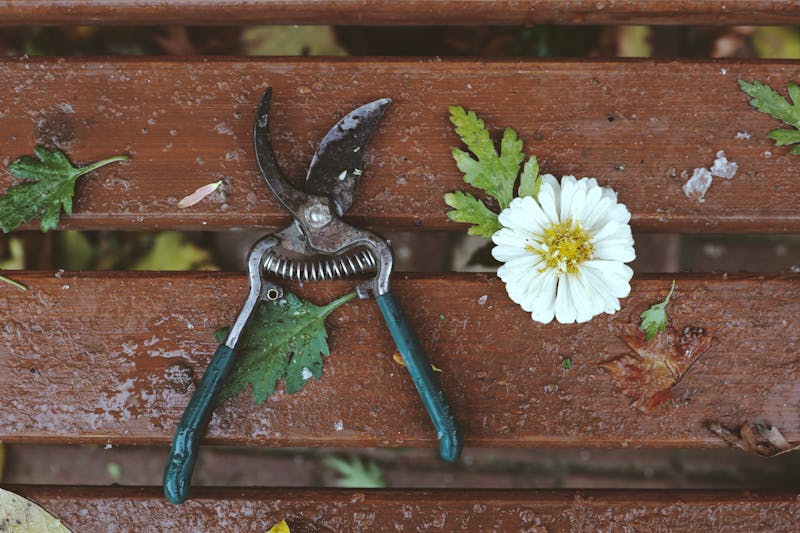
Harvest timing affects both flavor and aroma.
For best quality:
- harvest leaves before flowering,
- collect them in the morning after dew evaporates,
- and choose healthy young leaves.
Essential oil levels are often highest before the plant flowers.
Freshly harvested lemon balm usually has the strongest fragrance.
Lemon Balm Side Effects and Safety
Lemon balm is generally considered safe for most healthy adults when consumed in moderate amounts.
Possible side effects may include:
- drowsiness,
- digestive discomfort,
- nausea,
- or allergic reactions in sensitive individuals.
Highly concentrated extracts may produce stronger effects than herbal tea.
Because lemon balm may promote relaxation, caution is advised before driving or operating machinery if you feel sleepy after use.
Learn more about Lemon Balm Side Effects, Who Should Avoid It and What Research Says.
Who Should Avoid Lemon Balm?
Some individuals should use extra caution with lemon balm.
This may include people who:
- take sedative medications,
- have certain thyroid conditions,
- are pregnant or breastfeeding,
- or use medications that affect the nervous system.
If you have medical conditions or take prescription medications, speaking with a healthcare professional before using concentrated herbal supplements is a good idea.
Can Babies And Toddlers Drink Lemon Balm?
Small amounts of mild lemon balm tea may occasionally be offered to older babies and toddlers. However, parents should exercise caution and consult a pediatrician before making herbal teas a regular part of an infant’s diet.
Learn more about Can Babies Drink Lemon Balm? Safety and Age in our complete guide.
But what is the situation with older children?
For many healthy older children, weak lemon balm tea in moderate amounts is generally considered low risk when used occasionally.
In our article you will find information on the safe use of Lemon Balm For Kids, Dosage and Side Effects.
Common Myths About Lemon Balm
Myth: Lemon Balm Works Instantly Like a Sedative
Lemon balm is generally much gentler than pharmaceutical sedatives. Effects may vary depending on the individual and preparation used.
Myth: More Lemon Balm Means Better Sleep
Using excessive amounts does not necessarily improve results and may increase side effects.
Myth: Dried Lemon Balm Is Useless
Properly dried lemon balm can still retain valuable compounds and aroma, especially when stored correctly.
Myth: Lemon Balm Can Cure Viral Infections
Although laboratory research on antiviral properties is promising, lemon balm is not a cure for viral diseases.
Frequently Asked Questions
Can You Drink Lemon Balm Tea Every Day?
Many people drink lemon balm tea regularly in moderate amounts. However, it is best to monitor how your body responds.
Is Lemon Balm Better Fresh or Dried?
Fresh lemon balm usually contains more aromatic oils, while dried lemon balm is more practical for storage and tea preparation.
Does Lemon Balm Make You Sleepy?
Some people feel relaxed or sleepy after consuming lemon balm, especially in larger amounts or before bed.
Can Lemon Balm Help With Anxiety?
Lemon balm is traditionally used to support relaxation and reduce nervous tension, though responses vary between individuals.
What Does Lemon Balm Taste Like?
It has a mild lemony flavor with subtle mint-like herbal notes.
Can Lemon Balm Be Frozen?
Yes. Fresh leaves can be frozen for later culinary or tea use.
Does Lemon Balm Lose Potency Over Time?
Yes. Aroma and volatile compounds gradually decrease during storage.
Sources
- National Center for Complementary and Integrative Health (NCCIH)
- European Medicines Agency (EMA) herbal monographs
- PubMed scientific database
- Journal of Ethnopharmacology
- Phytomedicine
- Molecules
- Frontiers in Pharmacology
- Herbal Medicine: Biomolecular and Clinical Aspects
- USDA FoodData Central

Pingback: Is Garlic a Natural Antibiotic? What Science Really Says
Pingback: Is Lemon Balm Related to Lemons? Why It Smells Like Lemon but Isn't Citrus
Pingback: Lemon Balm vs Lemongrass: What's the Difference and Which Should You Choose?