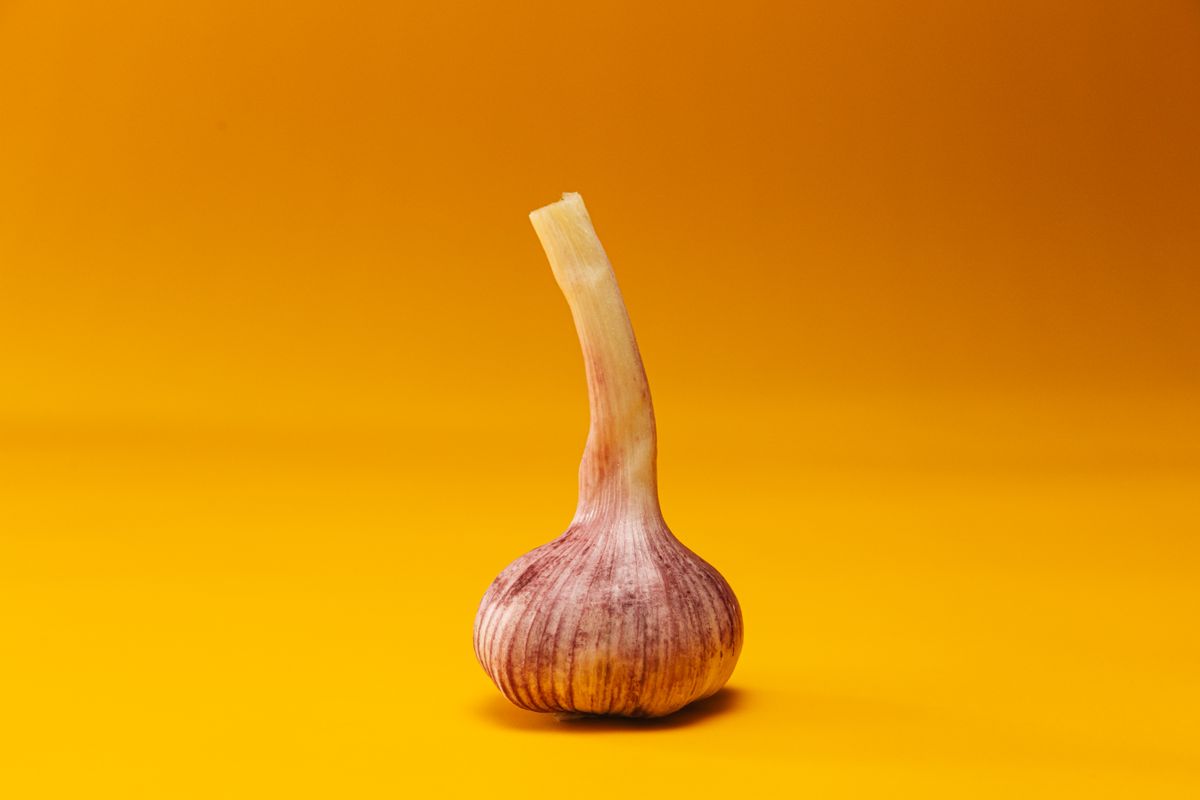
Garlic is generally safe for most children when served in normal food amounts, especially when cooked and introduced gradually. However, very large amounts of raw garlic, concentrated supplements, or strong garlic remedies may irritate a child’s digestive system and are not always appropriate for young kids.
Many parents add garlic to meals because it is widely used in cooking and contains natural compounds associated with antioxidant and antimicrobial activity. Garlic is also popular in home cooking because of its flavor and nutritional value.
Still, questions about:
- garlic safety for kids,
- raw vs cooked garlic,
- side effects,
- age recommendations,
- and how much garlic children can eat
are extremely common.
In this guide, you’ll learn:
- whether garlic is safe for kids,
- possible benefits and risks,
- safe ways to serve garlic,
- raw vs cooked garlic differences,
- and what parents should know before giving garlic regularly to children.
If you want to learn more about garlic itself, including its nutrients, bioactive compounds, and traditional uses, read our complete guide to Garlic Nutrition, Health Benefits, and Bioactive Compounds.
Is Garlic Safe for Children?
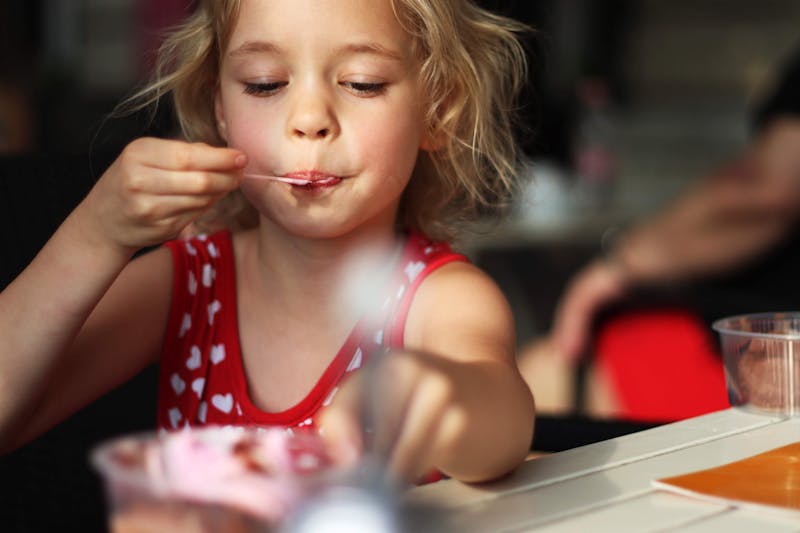
For most healthy children, garlic is considered safe in moderate food amounts.
Cooked garlic is usually easier for children to tolerate than raw garlic because cooking softens:
- the flavor,
- pungency,
- and some irritating sulfur compounds.
Garlic has been used in traditional diets around the world for centuries, including in meals prepared for families and children.
However, children can react differently depending on:
- age,
- portion size,
- sensitivity,
- and whether the garlic is raw, cooked, or concentrated.
At What Age Can Kids Eat Garlic?
Many babies are introduced to small amounts of cooked garlic during the transition to solid foods.
Garlic is commonly added to:
- soups,
- vegetable purees,
- pasta sauces,
- and family meals.
However, preparation and portion size matter.
Garlic for Babies Under 6 Months
Babies under 6 months generally should not consume solid foods, including garlic, unless specifically advised by a pediatrician.
Breast milk or formula should remain the primary source of nutrition during this stage. You can read details about: Can Babies Eat Garlic At 6 Months and is it Safe it in our article
Garlic for Babies Starting Solids
Once babies begin eating solid foods, small amounts of cooked garlic are commonly introduced in many cuisines.
Mild cooked garlic is generally easier to tolerate than:
- raw garlic,
- garlic juice,
- or concentrated garlic preparations.
If you want more detailed information about infants and garlic introduction, read our article Can Babies Eat Garlic at 6 Months?
Garlic for Toddlers
Toddlers can usually tolerate moderate amounts of cooked garlic in food.
At this age, garlic is often included in:
- rice dishes,
- soups,
- roasted vegetables,
- pasta sauces,
- and meat dishes.
Parents should still avoid giving toddlers:
- excessive raw garlic,
- garlic supplements,
- or highly concentrated garlic remedies.
Learn more about: Is garlic safe for toddlers, dosage, and what parents should know.
Raw Garlic vs Cooked Garlic for Kids
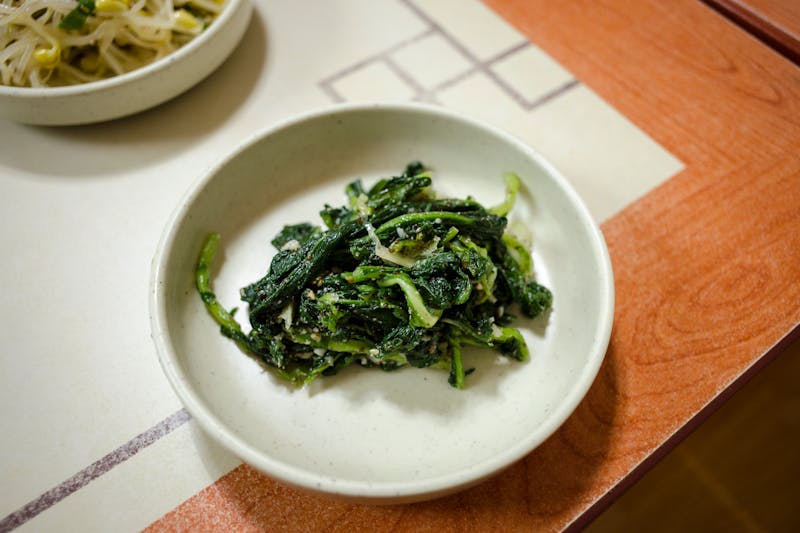
One of the biggest questions parents ask is whether raw garlic is safe for children.
Cooked Garlic
Cooked garlic is generally:
- milder,
- easier to digest,
- and less irritating.
Cooking changes some sulfur compounds responsible for garlic’s sharp taste and pungency.
This is why many children tolerate cooked garlic well in normal meals.
Raw Garlic
Raw garlic is much stronger.
Large amounts may cause:
- stomach irritation,
- burning sensation,
- bad breath,
- nausea,
- or digestive discomfort.
Young children are usually more sensitive to raw garlic than adults.
Learn more about differences between raw and cooked garlic and health effect in our article.
Is a Raw Garlic Good for Kids?
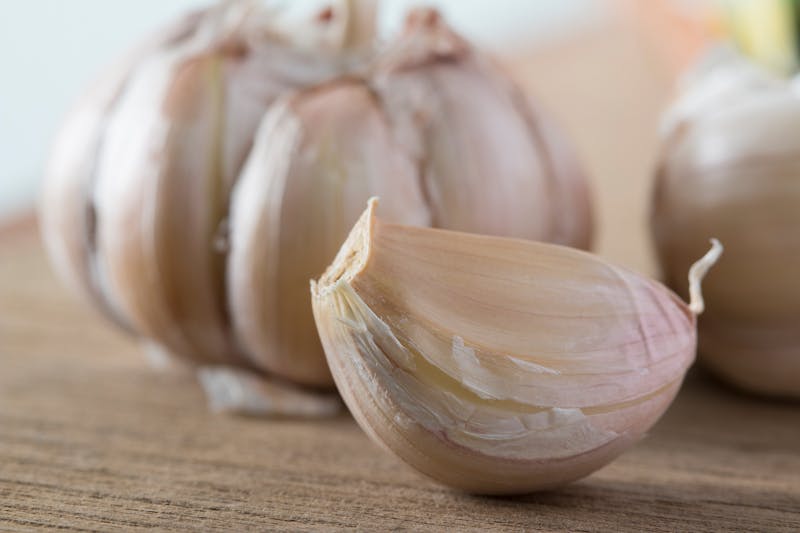
Some parents search for raw garlic because of its traditional reputation for supporting immunity and fighting infections.
Garlic contains compounds such as:
- allicin,
- sulfur compounds,
- flavonoids,
- and antioxidants.
However, raw garlic should not be viewed as a cure or replacement for medical treatment.
Very strong raw garlic preparations may also irritate children’s mouths and stomachs.
Moderation is important.
Garlic and Kids Immune System
Garlic is often associated with immune support because it contains biologically active sulfur compounds.
Research has explored garlic’s:
- antioxidant properties,
- antimicrobial activity,
- and potential effects on immune function.
However, no food alone can “boost” immunity in a magical way.
Healthy habits remain far more important, including:
- balanced nutrition,
- sleep,
- hydration,
- physical activity,
- and proper medical care.
Can Garlic Help Kids During Colds?
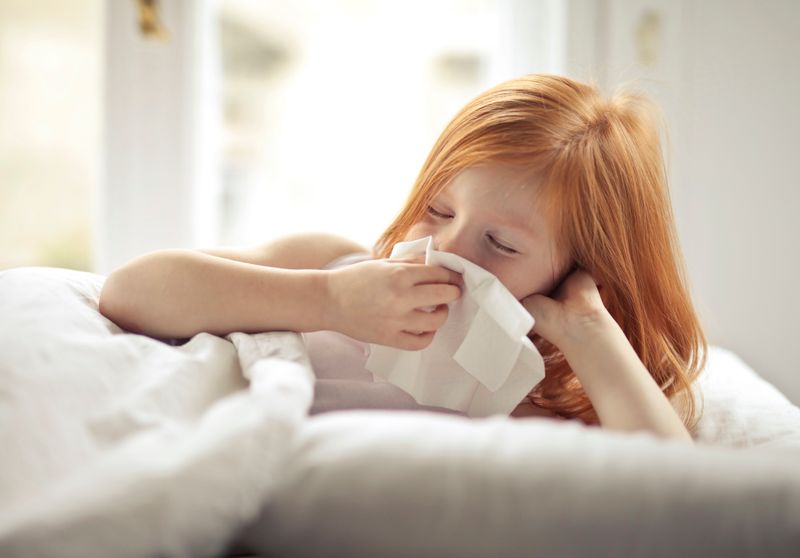
Warm foods containing garlic are commonly consumed during:
- colds,
- seasonal illness,
- and winter months.
Many families include garlic in:
- soups,
- broths,
- and home-cooked meals during illness.
Warm meals themselves may provide:
- hydration,
- comfort,
- and nourishment.
Still, garlic should not replace medical care when a child is seriously ill.
Does Garlic Have Antimicrobial Properties?
Garlic has been studied for possible antimicrobial activity due to compounds such as allicin.
Laboratory research suggests garlic compounds may affect:
- bacteria,
- fungi,
- and some microorganisms under certain conditions.
If you want to explore this topic further, see our article does garlic kill parasites and what science says.
However, laboratory studies are not the same as proven treatments in humans.
Possible Benefits of Garlic for Kids
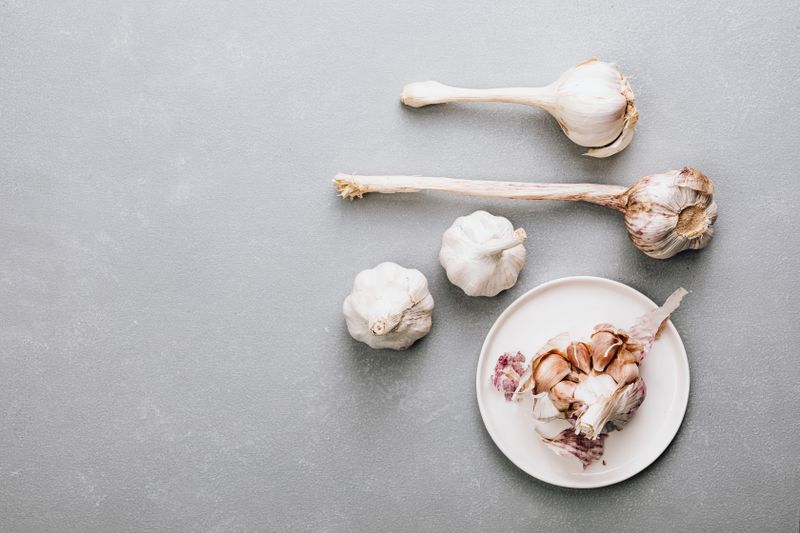
When included as part of a balanced diet, garlic may provide:
- flavor variety,
- antioxidants,
- small amounts of vitamins and minerals,
- and plant compounds associated with overall wellness.
Garlic may also help children become familiar with:
- savory flavors,
- herbs,
- and diverse foods from an early age.
Possible Side Effects of Garlic in Children
Even normal foods can cause side effects in some children.
Possible garlic-related issues may include:
- stomach discomfort,
- gas,
- heartburn,
- strong breath odor,
- or mouth irritation.
Raw garlic is more likely to cause irritation than cooked garlic.
You can read about who should avoid garlic and about the side effects in our article
Can Kids Be Allergic to Garlic?
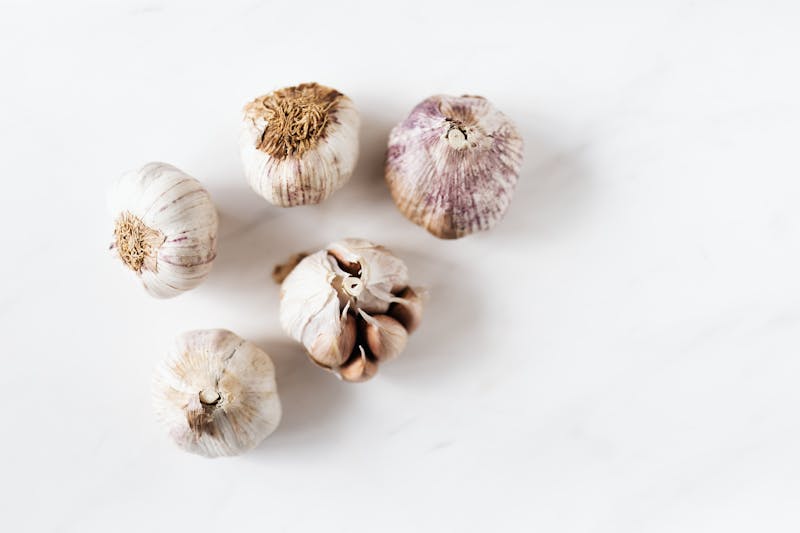
Yes, although garlic allergy is considered relatively uncommon.
Possible symptoms may include:
- rash,
- itching,
- digestive symptoms,
- or swelling.
Some people may also have garlic intolerance rather than true allergy.
You can read more in our guide Garlic Intolerance vs Allergy: Symptoms and Differences.
Can Too Much Garlic Be Bad for Kids?
Yes.
Very large amounts of garlic may increase the risk of:
- digestive irritation,
- nausea,
- stomach pain,
- or discomfort.
Children should not consume:
- large quantities of raw garlic,
- concentrated garlic extracts,
- or strong garlic remedies without medical guidance.
Are Garlic Supplements Safe for Kids?
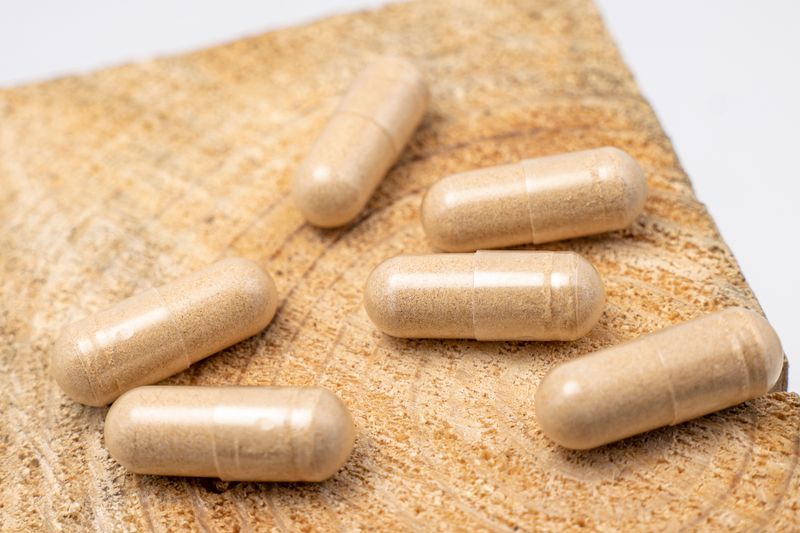
Garlic supplements are very different from normal culinary garlic.
Many supplements contain concentrated compounds that may not be appropriate for children.
Parents should speak with a healthcare professional before using:
- garlic capsules,
- garlic extracts,
- or highly concentrated products.
Best Ways to Serve Garlic to Kids
Add Garlic to Soups
Cooked garlic becomes milder and blends well into soups.
Mix Garlic Into Pasta Sauces
This is one of the easiest child-friendly options.
Use Roasted Garlic
Roasting makes garlic:
- softer,
- sweeter,
- and less pungent.
Combine Garlic With Vegetables
Garlic pairs well with:
- potatoes,
- carrots,
- zucchini,
- and rice dishes.
Fresh Garlic vs Garlic Powder for Kids
Fresh garlic generally contains more active sulfur compounds and stronger flavor.
Garlic powder is often:
- milder,
- more convenient,
- and easier to use in small amounts.
However, quality varies greatly between products.
You can read more about the differences between raw and powdered garlic in our article.
Common Mistakes Parents Make With Garlic
Giving Too Much Raw Garlic
Strong raw garlic may irritate children’s stomachs.
Using Garlic as a Medical Replacement
Garlic should not replace proper medical treatment.
Assuming Natural Means Risk-Free
Even natural foods may cause reactions in some children.
Giving Concentrated Garlic Supplements Without Guidance
Supplements may be much stronger than normal food garlic.
Readers Also Enjoyed
FAQ About Garlic for Kids
Is garlic safe for kids?
For most healthy children, garlic is considered safe in moderate food amounts.
Can toddlers eat garlic?
Yes, many toddlers tolerate cooked garlic well in meals.
Is raw garlic safe for children?
Small amounts may be tolerated, but raw garlic is more likely to irritate the digestive system than cooked garlic.
Can garlic help kids during colds?
Garlic is commonly included in warm meals during illness, but it should not replace medical care.
Can kids be allergic to garlic?
Yes, although garlic allergy is relatively uncommon.
Are garlic supplements safe for children?
Parents should speak with a healthcare professional before giving concentrated garlic supplements to children.
Sources
- American Academy of Pediatrics (AAP)
- National Center for Complementary and Integrative Health (NCCIH)
- World Health Organization (WHO)
- PubMed scientific database
- Journal of Nutrition
- Molecules
- Frontiers in Nutrition
- Journal of Ethnopharmacology
- USDA FoodData Central


Pingback: Garlic Nutrition, Health Benefits & Bioactive Compounds