
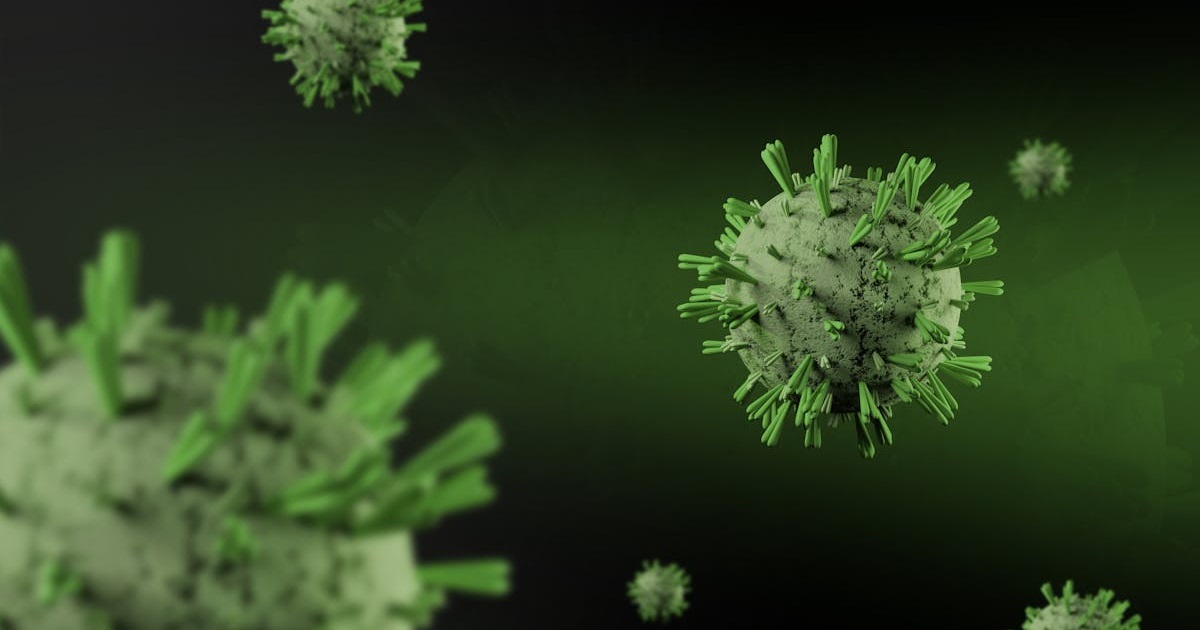
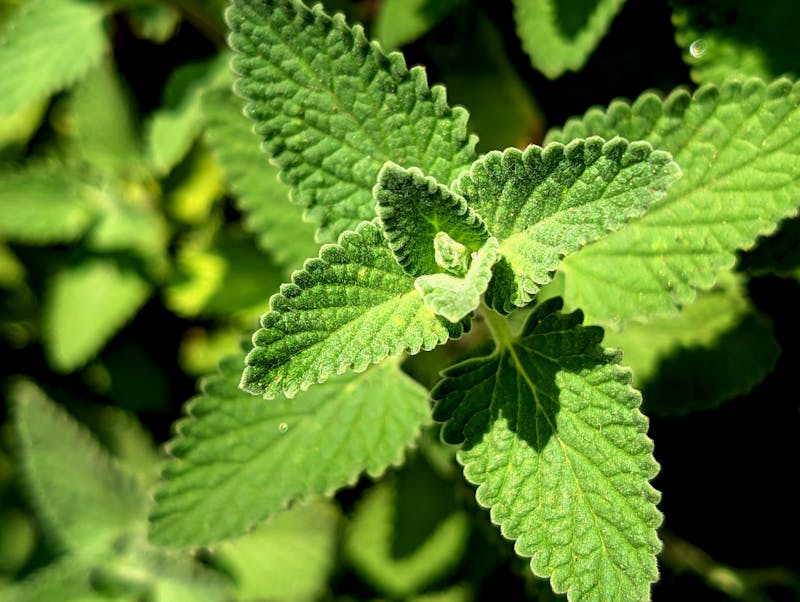
Lemon balm may have antiviral properties, especially against certain viruses studied in laboratory research, including herpes simplex virus (HSV). Scientists believe that compounds found in lemon balm (Melissa officinalis), such as rosmarinic acid, polyphenols, and essential oils, may help interfere with viral activity and support the body during infections.
Viral infections are extremely common. Colds, flu-like illnesses, herpes viruses, and other viral infections affect millions of people every year. While herbs are not a replacement for medical treatment, many people use plants like lemon balm as part of supportive wellness routines aimed at relaxation, immune support, and general recovery.
Lemon balm has attracted scientific attention because of:
- its traditional medicinal use,
- antioxidant compounds,
- aromatic essential oils,
- and possible antiviral activity observed in research settings.
In this guide, you’ll learn:
- whether lemon balm really has antiviral properties,
- how it may work,
- which compounds are involved,
- what research says,
- and whether fresh, dried, or essential oil forms may differ in potency.
To learn more about the health benefits, active compounds, uses, and potential side effects of Lemon Balm, read our comprehensive guide.
What Is Lemon Balm Traditionally Used For?
Lemon balm is a member of the mint family and has been used in herbal medicine for centuries.
Traditionally, it has been associated with:
- relaxation,
- sleep support,
- digestive comfort,
- nervous tension,
- and seasonal wellness.
In many traditional herbal systems, lemon balm was also used during:
- colds,
- mild infections,
- feverish conditions,
- and cold sores.
Today, researchers continue to study the herb because of its biologically active compounds.
Does Lemon Balm Really Have Antiviral Properties?
Research suggests that lemon balm may demonstrate antiviral activity in laboratory studies.
Most research has focused on:
- herpes simplex virus (HSV),
- especially HSV-1 associated with cold sores.
Some studies suggest that compounds in lemon balm may:
- interfere with viral attachment,
- reduce viral activity,
- or affect viral replication under laboratory conditions.
However, it is important to understand that:
- laboratory studies are not the same as clinical cures,
- and herbal remedies should not replace proper medical treatment.
Still, the findings are interesting enough that lemon balm continues to be widely studied.
What Compounds in Lemon Balm May Have Antiviral Effects?
Several natural compounds found in lemon balm are believed to contribute to its antiviral potential.
These include:
- rosmarinic acid,
- caffeic acid,
- flavonoids,
- tannins,
- citral,
- citronellal,
- and essential oil components.
Many of these compounds are also associated with:
- antioxidant activity,
- protection from oxidative stress,
- and interactions with inflammatory pathways.
How Lemon Balm May Work Against Viruses
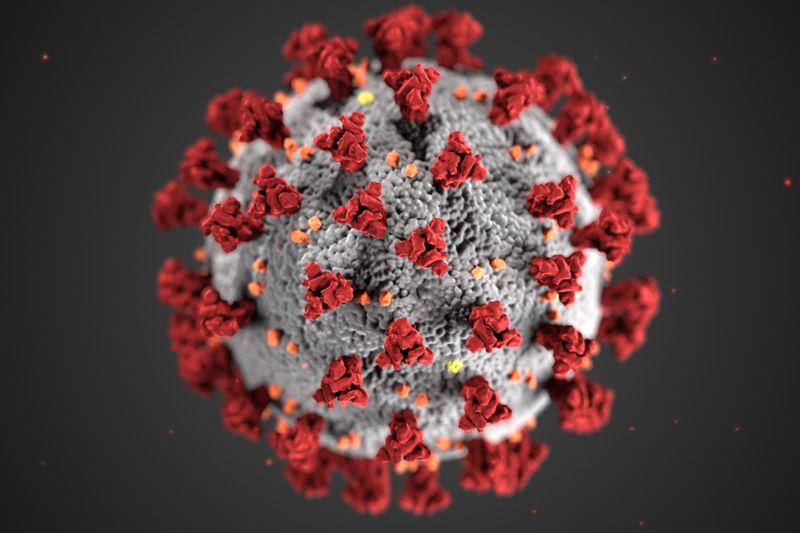
Researchers believe lemon balm may influence viruses through several possible mechanisms.
Interfering With Viral Attachment
Some compounds may make it harder for viruses to attach to cells.
This is important because viruses must attach to host cells before replication can occur.
Affecting Viral Replication
Laboratory studies suggest certain plant compounds may interfere with viral activity and replication processes.
Antioxidant and Cellular Protection
Oxidative stress often increases during infections.
Lemon balm contains antioxidants that may help support cellular defense systems during periods of physical stress.
Supporting Relaxation and Recovery
Stress can affect sleep quality and overall well-being during illness.
Because lemon balm is traditionally associated with relaxation, many people use it in evening teas or herbal blends during periods of stress or seasonal illness.
Lemon Balm and Cold Sores (HSV-1)
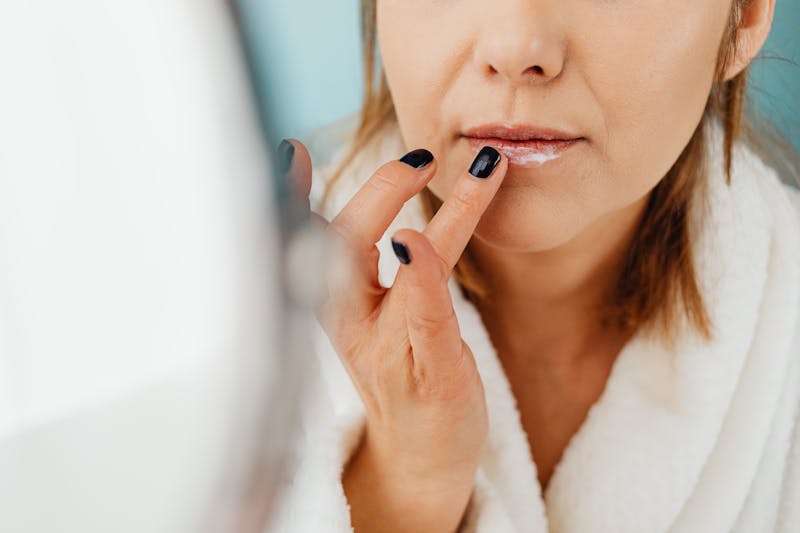
One of the most researched areas involves lemon balm and herpes simplex virus type 1 (HSV-1), which commonly causes cold sores.
Several topical products containing lemon balm extract have been studied for:
- cold sore discomfort,
- symptom duration,
- and skin support.
Some research suggests that topical lemon balm preparations may help support recovery in certain cases.
This is one reason lemon balm is frequently included in:
- herbal lip balms,
- creams,
- and topical botanical products.
Scientific Study on Lemon Balm and Antiviral Activity
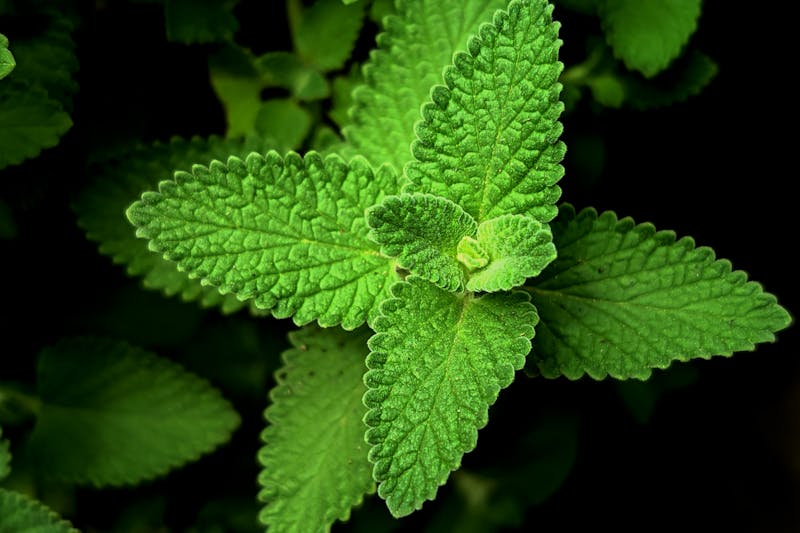
One frequently cited area of research involves lemon balm extracts tested against herpes simplex viruses in laboratory settings.
A study published in Phytomedicine investigated the antiviral effects of lemon balm extracts against HSV. Researchers observed that certain extracts appeared to reduce viral activity under laboratory conditions, particularly during early stages of viral infection.
The researchers suggested that polyphenols and other active compounds may contribute to these effects.
Although these findings are promising, laboratory studies do not prove that lemon balm can prevent or cure viral diseases in humans. More clinical research is still needed.
Can Lemon Balm Help Prevent Viral Infections?
There is currently no strong evidence proving that lemon balm can prevent viral infections in humans.
However, some people use lemon balm as part of:
- wellness routines,
- immune-support habits,
- and stress management practices.
Supporting:
- sleep,
- relaxation,
- hydration,
- and overall well-being
may indirectly help the body function more effectively during stressful periods.
Is Lemon Balm Good for Colds and Flu?

Warm lemon balm tea is commonly consumed during:
- colds,
- sore throats,
- and seasonal illnesses.
People often drink it because it may provide:
- warmth,
- hydration,
- relaxation,
- and soothing comfort.
The pleasant aroma may also support relaxation when feeling unwell.
Lemon balm is commonly combined with:
- ginger,
- honey,
- thyme,
- peppermint,
- or chamomile in homemade herbal teas.
Fresh Lemon Balm vs Dried Lemon Balm for Antiviral Properties
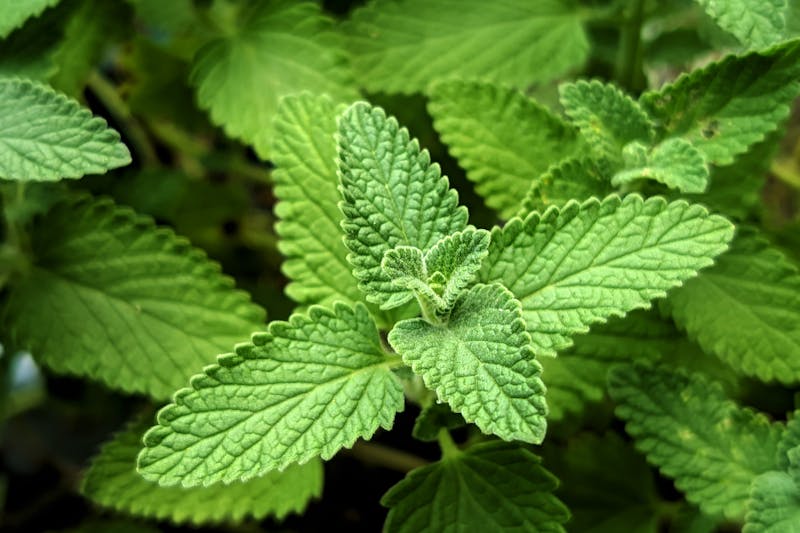
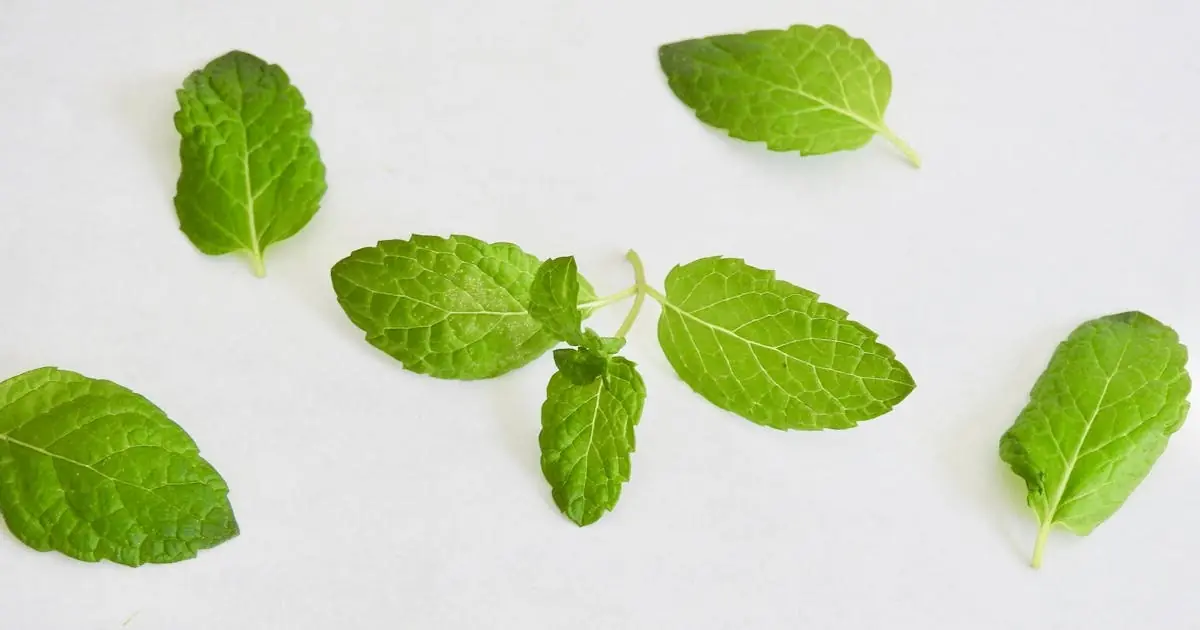
Fresh lemon balm generally contains higher amounts of volatile aromatic oils.
These oils contribute to:
- aroma,
- flavor,
- and some of the plant’s biologically active properties.
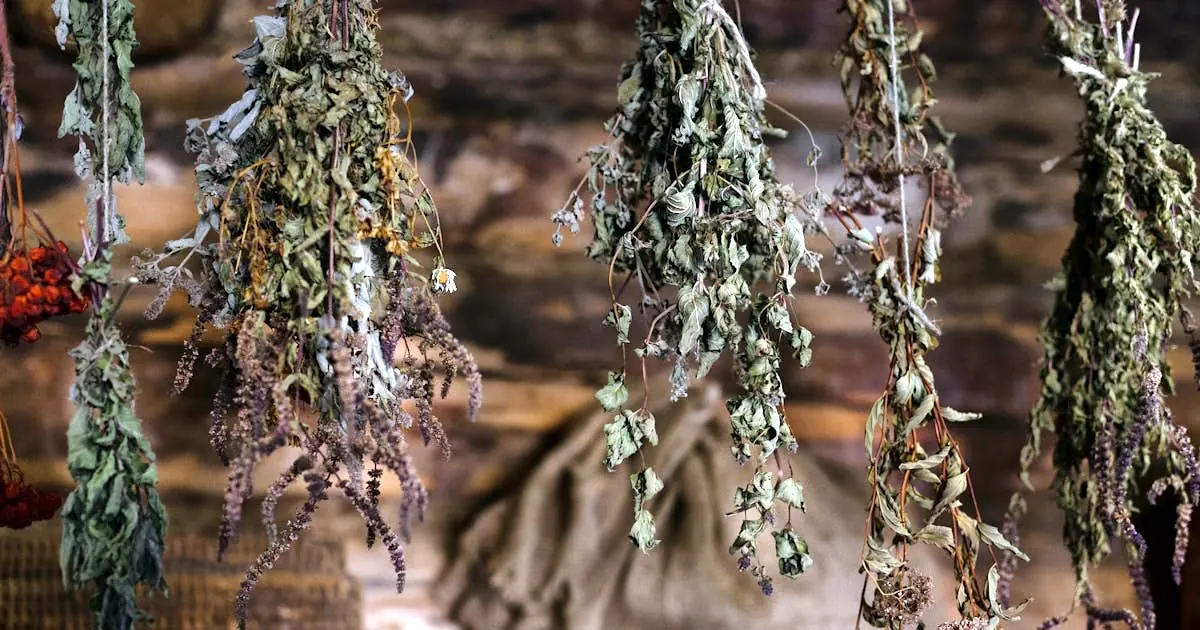
However, properly dried whole leaves can still retain many beneficial compounds.
Read our guide on Fresh vs Dried Lemon Balm Compared to learn which form best suits your needs.
Why Quality Matters
Low-quality dried lemon balm often loses aroma because volatile oils gradually evaporate during:
- crushing,
- prolonged storage,
- excessive heat,
- and exposure to air.
Whole dried leaves usually preserve quality better than finely powdered herbs.
Fresh lemon balm often has:
- stronger scent,
- brighter flavor,
- and more noticeable aromatic oils.
Does Lemon Balm Essential Oil Have Antiviral Activity?
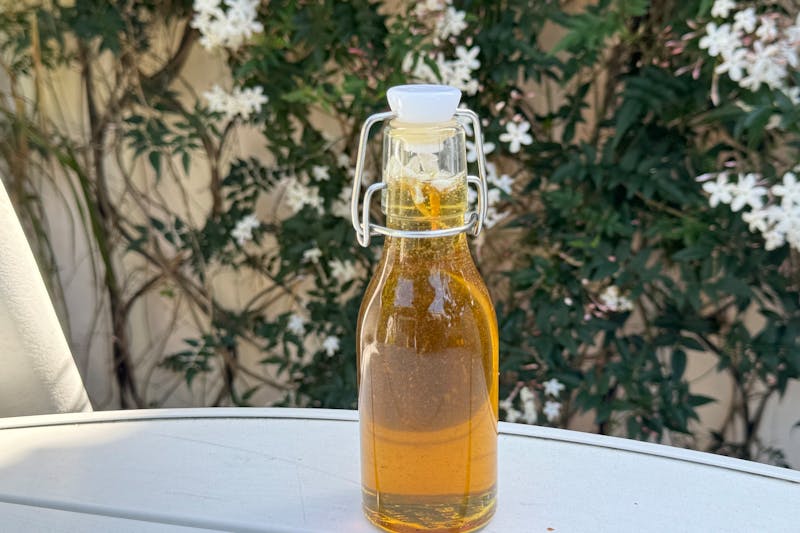
Lemon balm essential oil is highly concentrated and contains many aromatic compounds studied for antimicrobial and antiviral activity.
Some laboratory studies suggest that essential oil components may influence certain microorganisms.
However:
- essential oils are highly concentrated,
- should be used carefully,
- and may irritate skin if not diluted properly.
Pure essential oils should never be viewed as a cure for viral diseases.
Can Lemon Balm Support the Immune System?
Lemon balm contains antioxidants and plant compounds associated with protection from oxidative stress.
Because chronic stress and poor sleep may negatively affect immune function, herbs traditionally used for relaxation continue to attract attention in wellness research.
Lemon balm may support:
- rest,
- relaxation,
- hydration,
- and general well-being during periods of stress.
Best Ways to Use Lemon Balm During Seasonal Illness
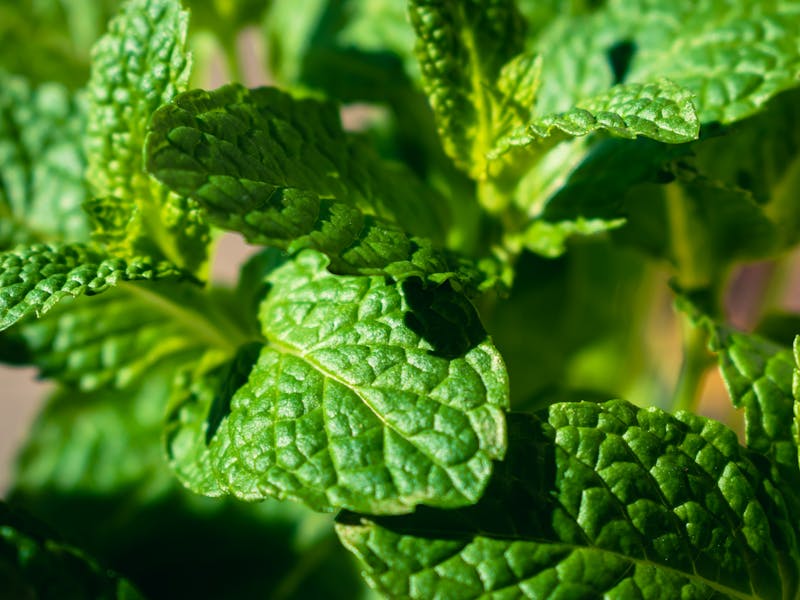
Lemon Balm Tea
The most traditional and popular method.
Warm tea may provide:
- hydration,
- soothing warmth,
- and calming effects.
Fresh Lemon Balm Infusions
Fresh leaves provide:
- stronger aroma,
- brighter flavor,
- and more volatile oils.
Herbal Blends
Lemon balm is often combined with:
- thyme,
- ginger,
- chamomile,
- elderflower,
- and peppermint.
Topical Preparations
Some people use lemon balm creams or balms for cold sores and irritated skin.
Common Myths About Lemon Balm and Viruses
Myth: Lemon Balm Cures Viral Infections
There is no evidence that lemon balm cures viral diseases.
Myth: Fresh Lemon Balm Always Works Better Than Dried
Fresh leaves contain more volatile oils, but properly dried high-quality lemon balm can still retain many useful compounds.
Myth: More Lemon Balm Means Stronger Antiviral Effects
Using excessive amounts does not necessarily improve outcomes.
Myth: Essential Oils Are Automatically Safe Because They Are Natural
Essential oils are highly concentrated and require careful use.
You May Also Like
FAQ About Lemon Balm and Antiviral Properties
Does lemon balm have antiviral properties?
Laboratory studies suggest lemon balm may show antiviral activity against certain viruses, especially HSV-1.
Can lemon balm help cold sores?
Some topical lemon balm products have been studied for cold sore support and symptom relief.
Is lemon balm good for colds?
Many people drink lemon balm tea during colds because it may provide warmth, hydration, and relaxation.
Which form of lemon balm is best?
Fresh lemon balm usually contains more aromatic oils, while properly dried whole leaves remain practical and effective for tea.
Can lemon balm replace antiviral medications?
No. Lemon balm should not replace prescribed medical treatment.
Is lemon balm essential oil antiviral?
Some laboratory studies suggest antiviral activity, but essential oils should be used carefully and are not medical treatments.
Sources
- National Center for Complementary and Integrative Health (NCCIH)
- European Medicines Agency (EMA) herbal monographs
- PubMed scientific database
- Phytomedicine
- Journal of Ethnopharmacology
- Molecules
- Frontiers in Pharmacology
- Herbal Medicine: Biomolecular and Clinical Aspects
- Phytochemistry Reviews

Pingback: Is Garlic a Natural Antibiotic? What Science Really Says