
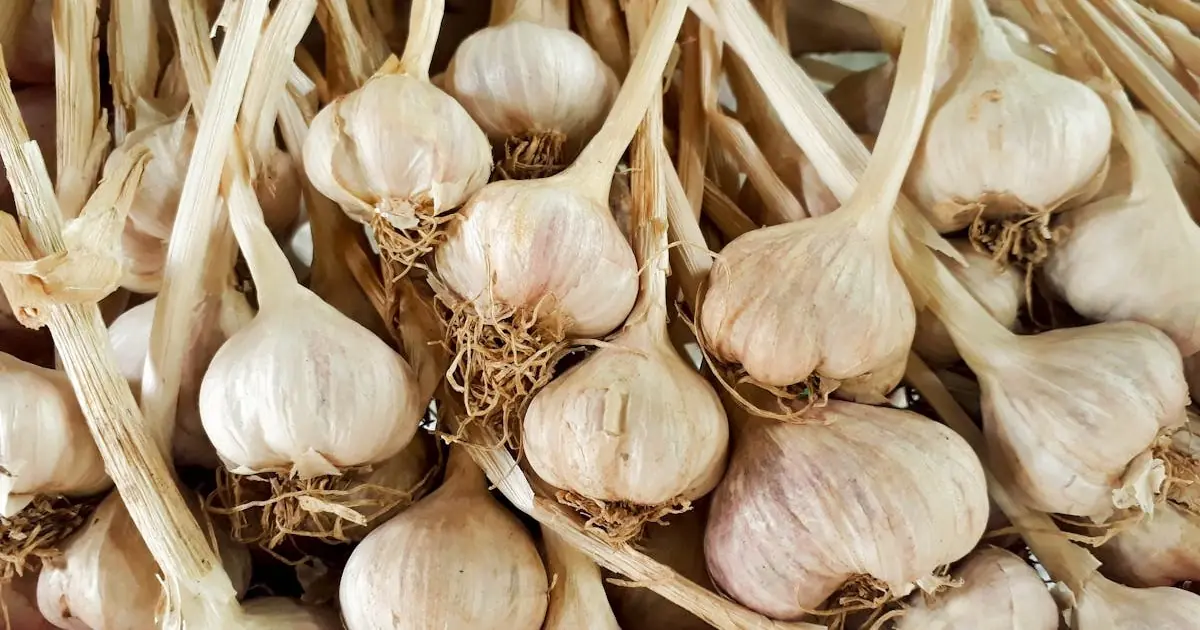
Garlic contains bioactive compounds such as allicin, diallyl sulfides, and S-allyl cysteine, which are responsible for many of its biological effects. These compounds are formed or activated when garlic is chopped, crushed, or processed.
Unlike vitamins and minerals, these substances are not essential nutrients, but they may influence various processes in the body.
Interestingly, the way garlic is prepared — whether raw, cooked, or aged — can significantly influence both the presence and absorption of these compounds.
This article explores the key bioactive compounds found in garlic, how they work, and how preparation methods affect their availability.
This is part of our complete guide to garlic. For a full overview, see Garlic: Nutrition, Health Benefits and Bioactive Compounds.
What Are Bioactive Compounds?
Bioactive compounds are naturally occurring substances in foods that can influence biological processes.
They are commonly found in:
- fruits
- vegetables
- herbs and spices
In garlic, these compounds are mainly organosulfur compounds, which are responsible for its:
- strong aroma
- distinctive taste
- biological activity
Allicin: The Most Famous Garlic Compound
How Allicin Is Formed
Allicin is not present in whole garlic cloves.
It is created when garlic is:
- chopped
- crushed
- or chewed
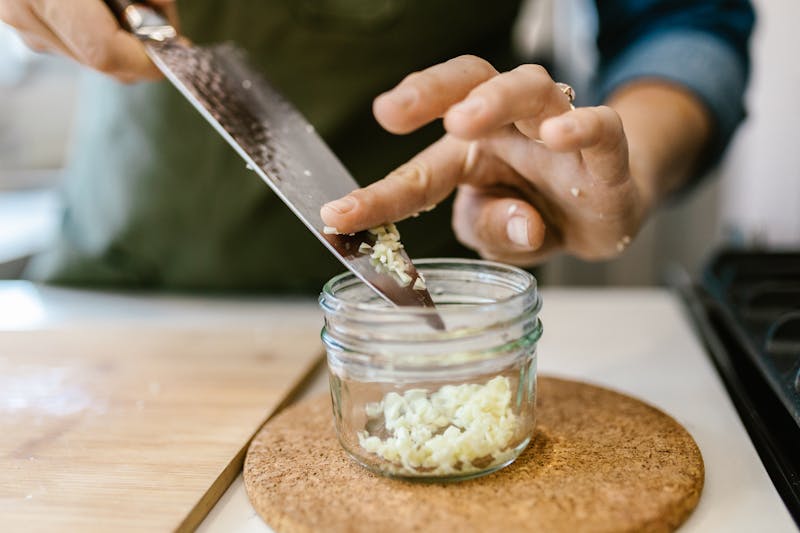
This process activates an enzyme called alliinase, which converts alliin into allicin.
Why Allicin Matters
Allicin is widely studied for its:
- antimicrobial properties
- antioxidant activity
- role in supporting normal cardiovascular function
- can fight bacteria, fungi and parasites
However, allicin is:
- highly unstable
- sensitive to heat
- short-lived
Learn more about Antifungal Properties of Garlic and How it Works
You might also be interested in the Anti-Parasitic Effects of Garlic and Allicin.
This means its presence depends heavily on how garlic is prepared.
The allicin content in garlic makes it a natural antibiotic. You can read more about this in our article:
Is Garlic a Natural Antibiotic, How Does it Work, And What Research Says.
Other Important Sulfur Compounds
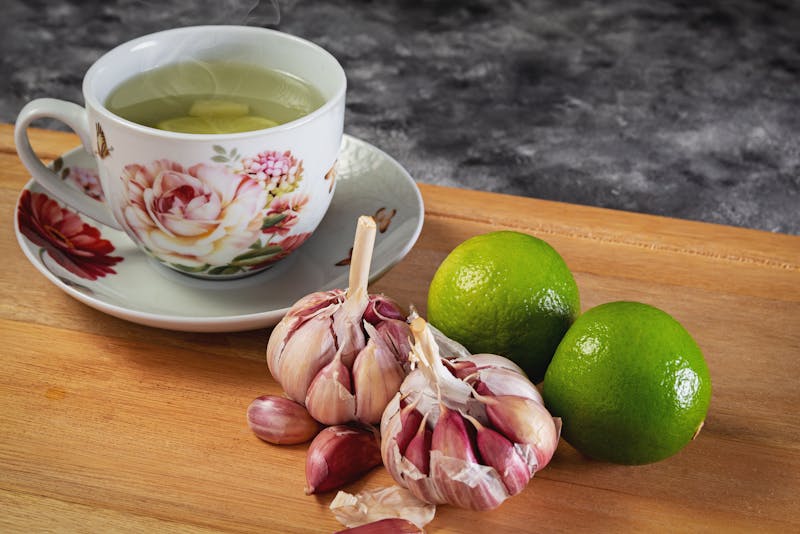
After allicin is formed, it can break down into other compounds, many of which are more stable.
Key Compounds in Garlic
- Diallyl disulfide (DADS)
- Diallyl trisulfide (DATS)
- S-allyl cysteine (SAC)
- Ajoene
These compounds are:
- more stable than allicin
- still biologically active
- often responsible for long-term effects associated with garlic consumption
Water-Soluble vs Fat-Soluble Compounds
One important but often overlooked aspect is how garlic compounds dissolve.
Water-Soluble Compounds
- S-allyl cysteine (SAC)
- Some antioxidant components
These are:
- easier to absorb
- commonly found in aged garlic preparations
Fat-Soluble Compounds
- Diallyl sulfides (DADS, DATS)
- Ajoene
These compounds are better absorbed when garlic is consumed with:
- healthy fats (e.g., olive oil)
- fat-containing meals
Practical Insight
This means that:
- Adding garlic to dishes with olive oil or other fats may improve absorption of certain compounds
- Some traditional preparations may unintentionally enhance bioavailability
Garlic and Alcohol-Based Extraction
Some garlic compounds are also more effectively extracted in alcohol-based solutions.
This is why:
- garlic tinctures
- certain extracts
may contain different profiles of bioactive compounds compared to raw garlic.
These preparations are sometimes used in research settings to isolate specific compounds.
Aged Garlic Extract (AGE): A Different Profile
Aged garlic extract (AGE) is produced by storing garlic in controlled conditions over time.
What Changes During Aging?
- Allicin disappears
- Stable compounds like S-allyl cysteine (SAC) increase
Why This Matters
Aged garlic extract is:
- more stable
- odorless or milder
- often used in clinical studies
It has been studied for:
- cardiovascular support
- antioxidant effects
You can learn more about: Aged Garlic Extract, Health Benefits and Why is Better Than Raw Garlic For Some People
Raw vs Cooked Garlic: Impact on Bioactive Compounds
Raw Garlic
- Highest allicin potential
- Strongest immediate bioactivity
- may irritate the digestive system
Cooked Garlic
- Reduced allicin
- Increased stability of other compounds
- Still beneficial
- gentler for the digestive system
Key Takeaway
Even though cooking reduces some compounds, garlic does not lose all its beneficial properties. Many stable compounds remain active.
You can read more about the Differences in Nutritional Value Between Raw and Cooked Garlic.
Even though raw garlic is very healthy, it can leave an unpleasant smell on your breath, which not everyone likes. Instead of avoiding it, check out our guide: How to Get Rid of Garlic Breath Fast-Our Proven Methods
Traditional Preparations and Bioavailability
Across cultures, garlic has often been combined with other ingredients — sometimes in ways that improve absorption.
Garlic with Fat (e.g., Olive Oil)
- Improves absorption of fat-soluble compounds
- Enhances flavor and digestibility
Garlic with Milk – A Traditional Remedy
A well-known traditional method used for generations is garlic with milk, especially during colds.
How It Works
- Warm milk acts as a gentle medium
- Helps extract certain compounds
- Makes garlic easier to tolerate
Preparation Method
- Lightly heat milk (do not boil)
- Add crushed garlic
- Let it sit for several minutes to infuse
- Allow it to cool slightly
- Add honey
- Drink warm or lukewarm
Why This May Help
- Improves palatability
- May support compound availability
- Gentler on the digestive system
While this is a traditional remedy rather than a medical treatment, it reflects practical knowledge passed down through generations.
Garlic with Milk – A Traditional Remedy
A well-known traditional method used for generations is garlic with milk, especially during colds.
How It Works
- Warm milk acts as a gentle medium
- Helps extract certain compounds
- Makes garlic easier to tolerate
Preparation Method
- Lightly heat milk (do not boil)
- Add crushed garlic
- Let it sit for several minutes to infuse
- Allow it to cool slightly
- Add honey
- Drink warm or lukewarm
Why This May Help
- Improves palatability
- May support compound availability
- Gentler on the digestive system
While this is a traditional remedy rather than a medical treatment, it reflects practical knowledge passed down through generations.
Bioactive Compounds and Health Effects
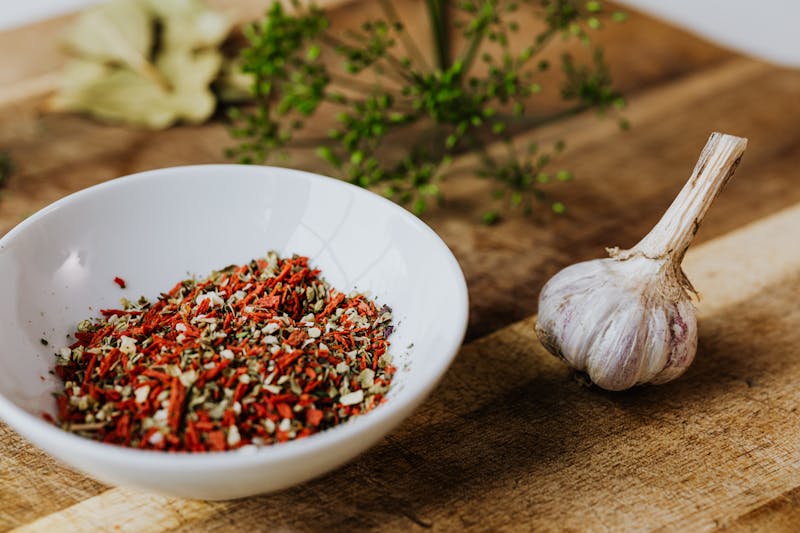
Garlic’s Bioactive Compounds Like Allicin have been studied in relation to:
1. Antimicrobial Activity
- Allicin and related compounds can interact with bacteria and fungi
- May support the body during mild infections
2. Cardiovascular Support
Compounds such as DATS and SAC may:
- support normal blood pressure
- influence cholesterol metabolism
- support circulation
Learn more in our article about: How Garlic May Support Blood Pressure, Dosage & Timing
3. Antioxidant Activity
Garlic compounds may:
- help neutralize free radicals
- support cellular balance
4. Anti-Inflammatory Effects
Some compounds in garlic may help regulate inflammatory processes, which are relevant for overall health.
5. Anti-Parasitic Effect
Garlic may help fight parasites in the human digestive system, such as pinworms, Giardia, and roundworms. It also creates an unfavorable environment for parasites, making it difficult for them to develop and thrive.
Find out how Garlic Kills Parasites in Humans and What Research Says in our article.
How to Maximize Garlic’s Benefits
1. Crush and Wait
- Chop or crush garlic
- Let it sit for 5–10 minutes
- This allows allicin to form
2. Combine With Fats
- Use garlic with olive oil or other healthy fats
- Improves absorption of fat-soluble compounds
3. Avoid High Heat
- High temperatures destroy delicate compounds
- Can also create a bitter taste
4. Use Different Forms
- Raw → high allicin
- Cooked → better tolerance
- Aged → stable compounds
If you are interested in this topic, you can read more in our article: How to Eat Garlic for Maximum Health Benefits
You may also like:
FAQ – Bioactive Compounds in Garlic
What is the main active compound in garlic?
Does cooking destroy garlic’s beneficial compounds?
Are garlic compounds better absorbed with fat?
What is aged garlic extract?
Is garlic with milk effective?
Can garlic replace medicine?
No. Garlic can support health but should not replace medical treatment.
What is the active ingredient in garlic?
Garlic contains several biologically active compounds, but allicin is one of the best known. It forms when fresh garlic is chopped, crushed, or chewed and the enzyme alliinase converts alliin into allicin. Garlic also contains other sulfur compounds that contribute to its biological activity.
Is garlic anti-inflammatory?
Garlic has anti-inflammatory properties that are mainly associated with its sulfur-containing compounds and other bioactive substances. Research suggests that some garlic compounds may influence pathways involved in inflammation and oxidative stress. However, these effects depend on the compound, dose, and form of garlic, and eating garlic should not be considered a treatment for inflammatory diseases.
Is garlic antibacterial?
Yes, garlic contains compounds with antibacterial activity, particularly allicin, which can affect a range of bacteria in laboratory studies. However, results from laboratory research do not mean that eating garlic can treat a bacterial infection in humans. Garlic can be part of a healthy diet, but it should not replace appropriate medical treatment for an infection.
What Vitamins and Minerals Are in Garlic?
Garlic provides vitamin C, vitamin B6, manganese, and smaller amounts of calcium, iron, magnesium, phosphorus, potassium, and folate. The exact amounts depend on the serving size and form of garlic.
Conclusion
Garlic contains a complex mix of bioactive compounds, especially sulfur-containing molecules that contribute to its unique properties. While allicin often gets the most attention, many other compounds play important roles, particularly after cooking or aging.
The way garlic is prepared — whether raw, cooked, combined with fats, or used in traditional remedies — can significantly influence how these compounds are absorbed and utilized.
Understanding these differences allows you to use garlic more effectively as part of a balanced, whole-food-
Before you continue, it’s a good idea to understand the basics: Garlic: Nutrition and Health Benefits and Basic Knowledge
Sources
- Amagase, H. (2006). Clarifying the real bioactive constituents of garlic. Journal of Nutrition
- Iciek, M. et al. (2009). Biological properties of garlic compounds. Environmental and Molecular Mutagenesis
- Lawson, L.D. (1998). Garlic: a review of its medicinal effects. Phytomedicine
- National Institutes of Health (NIH) – Dietary Supplements
- Banerjee, S.K., Maulik, S.K. (2002). Effect of garlic on cardiovascular disorders. Nutrition Journal
- Rivlin, R.S. (2001). Historical perspective on garlic. Journal of Nutrition
Pingback: Garlic vs Onion: Which Is Healthier? (Benefits, Nutrition & Science)