Vegetables are an important part of a balanced diet and provide a wide range of vitamins, minerals, fiber, and beneficial plant compounds. This section explores the nutritional value of common vegetables and how they can contribute to a varied and nutrient-rich way of eating.
Many vegetables are naturally low in calories but rich in essential nutrients that support normal body functions. They often contain antioxidants, fiber, and a variety of micronutrients that play a role in everyday nutrition. Including different types of vegetables in meals helps create a more diverse and balanced dietary pattern.
Vegetables can also be surprisingly interesting from a nutritional perspective. For example, did you know that potatoes contain more potassium than bananas? Facts like this show that familiar foods can still hold many nutritional surprises. Articles in this section explore such insights while explaining the nutrients found in vegetables and how they fit into a healthy diet.
From leafy greens and root vegetables to colorful seasonal produce, vegetables have long been valued in cuisines around the world. In this category, you can learn more about their nutritional profiles, the nutrients they contain, and simple ways to include them in everyday meals.
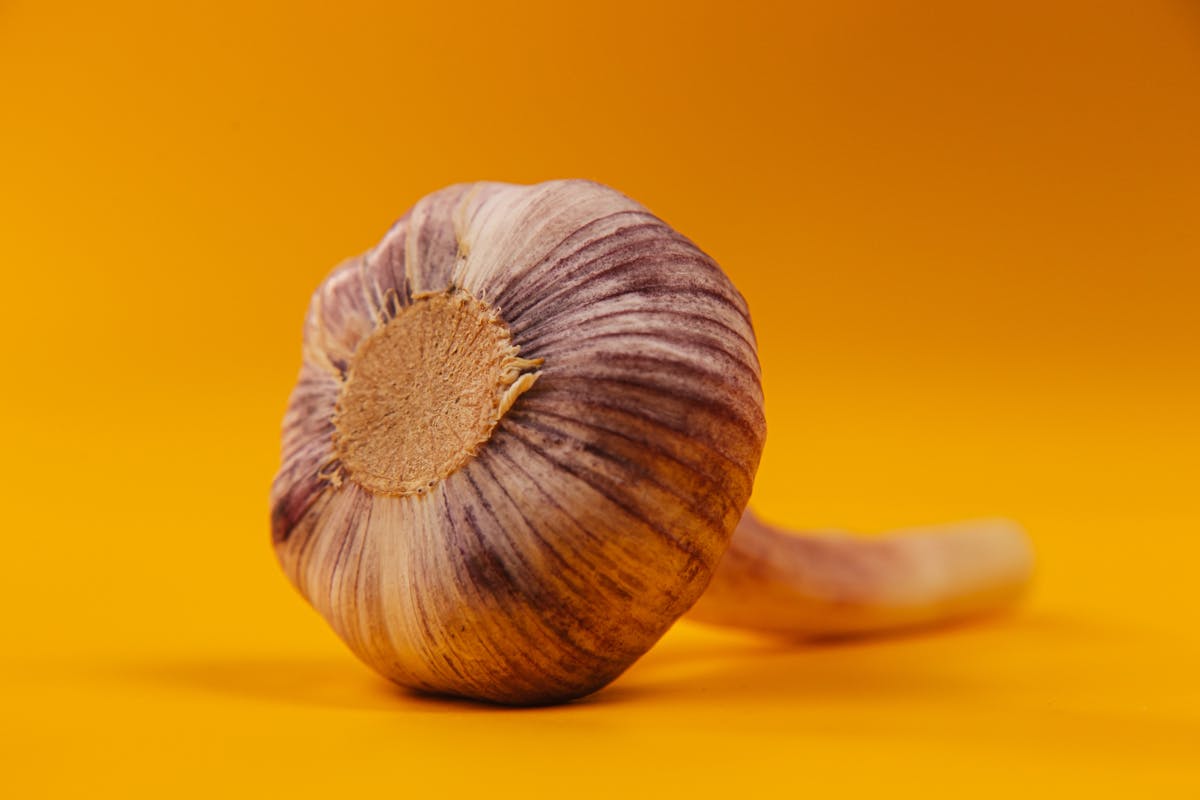
Garlic contains sulfur compounds that may help inhibit fungal growth.
Garlic is commonly used as a natural remedy for fungal infections affecting the skin and nails. Some research suggests that garlic contains compounds with antifungal properties that may help slow…
Garlic intolerance and garlic allergy are often confused, but they are not the same. A garlic allergy involves the immune system and can cause reactions like rashes or swelling. Garlic…
Garlic may help support the immune system and reduce inflammation, which is why some people use it as a natural remedy for allergies. However, there is no strong evidence that…
Yes, you can be allergic to garlic, although it is relatively rare. A garlic allergy happens when your immune system reacts to compounds in garlic as if they were harmful.…
Garlic does not directly stop hot flashes, but it may help support the body during menopause by improving circulation, reducing inflammation, and supporting overall balance. While it won’t eliminate symptoms…
Garlic does not increase estrogen levels directly. It does not act like estrogen or replace it in the body. However, garlic may support hormonal balance by influencing inflammation, metabolism, and…
Fermented garlic and honey is one of the most searched natural remedies for immunity, colds, and overall wellness — and for good reason. This simple combination may support immune function,…
Both garlic and onion are extremely healthy — but garlic is more potent medicinally, while onion is better for everyday, larger consumption. Garlic delivers stronger antibacterial and cardiovascular effects, while…
Quick answer:Garlic can help reduce a pimple overnight thanks to its antibacterial and anti-inflammatory properties — but applying it directly to the skin can also cause irritation or even burns…
Yes — garlic may support hair growth thanks to its sulfur compounds, allicin, and antimicrobial properties. It can help improve scalp health, stimulate hair follicles, and support regrowth — but…