Yes, you can be allergic to garlic, although it is relatively rare. A garlic allergy happens when your immune system reacts to compounds in garlic as if they were harmful. Symptoms can range from mild issues like skin irritation or stomach discomfort to more serious reactions in rare cases.
Because garlic is used in so many foods, even a mild reaction can be frustrating and difficult to manage.
This article is included in our complete guide to garlic. See our main article: Garlic: Nutrition, Health Benefits and Bioactive Compounds.
What Is a Garlic Allergy?
A garlic allergy is an immune response to proteins found in garlic. When someone with this allergy eats or comes into contact with garlic, their immune system mistakenly treats it as a threat.
This triggers a reaction that can affect:
- the skin
- the digestive system
- the respiratory system
Garlic is part of the allium family (which also includes onions, leeks, and chives), so some people may react to more than one of these foods.
Garlic Allergy Symptoms

Symptoms of a garlic allergy can vary depending on the person and the severity of the reaction.
Common symptoms
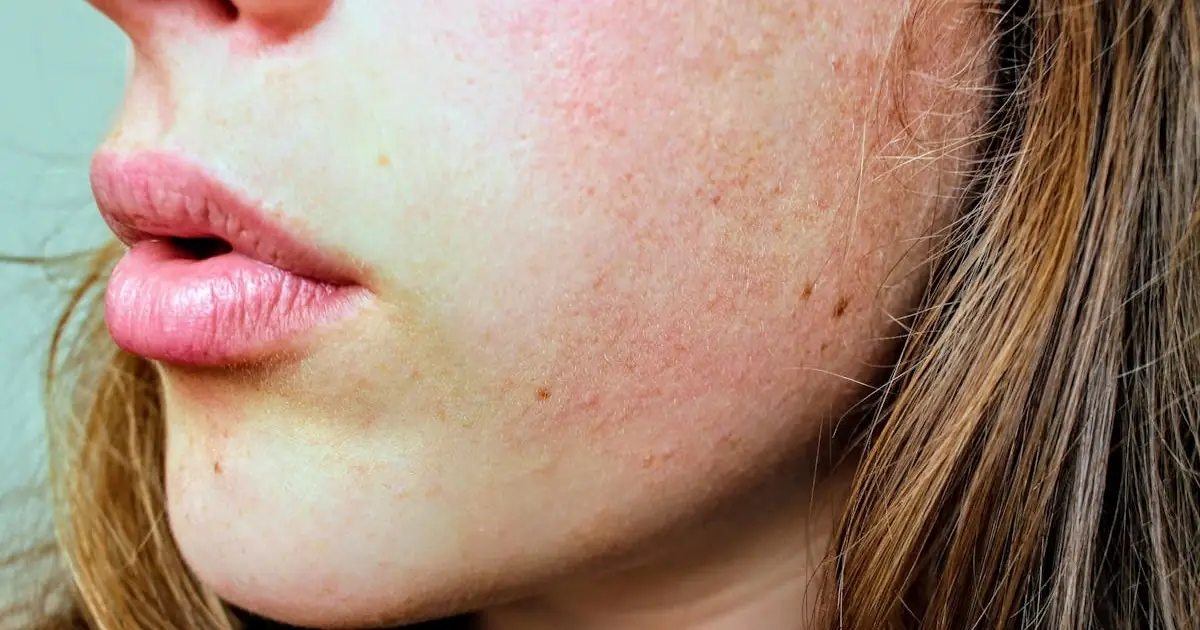
- skin rash or redness
- itching or hives
- swelling (especially lips, face, or throat)
- stomach pain
- nausea or vomiting
- diarrhea
Less common but more serious symptoms
- difficulty breathing
- wheezing
- tightness in the throat
- dizziness
In rare cases, a severe allergic reaction (anaphylaxis) can occur, which requires immediate medical attention.
What Does a Garlic Allergy Reaction Feel Like?
Many people describe symptoms appearing shortly after eating garlic or food containing garlic.
You might notice:
- itching in the mouth or throat
- a rash developing within minutes or hours
- digestive discomfort soon after eating
The timing can vary, but reactions often happen relatively quickly compared to food intolerances.
Garlic Allergy vs Intolerance: What’s the Difference?

This is one of the most common points of confusion.
Garlic allergy
- involves the immune system
- can cause skin, breathing, or systemic symptoms
- may be serious
Garlic intolerance
- does not involve the immune system
- usually affects digestion
- causes symptoms like:
- bloating
- gas
- stomach pain
In our article we describe in detail the difference between garlic intolerance and allergy.
Key difference
If your symptoms are limited to digestion, it is more likely intolerance.
If you have skin reactions, swelling, or breathing issues, it may be an allergy.
Can You Suddenly Become Allergic to Garlic?

Yes, it is possible to develop a garlic allergy later in life.
Even if you have eaten garlic for years without problems, your immune system can change over time. New allergies can appear due to:
- changes in immune function
- repeated exposure
- other environmental factors
This is why new symptoms should not be ignored.
What Causes a Garlic Allergy?
The exact cause is not always clear, but several factors may play a role:
- genetic predisposition to allergies
- sensitivity to allium vegetables
- repeated exposure over time
- cross-reactivity with other allergens
Some people who are allergic to garlic may also react to onions or similar foods.
How Is a Garlic Allergy Diagnosed?
If you suspect a garlic allergy, it’s important to get a proper diagnosis.
A healthcare provider may recommend:
- a review of your symptoms and diet
- an elimination diet
- skin prick testing
- blood tests
Self-diagnosing can be misleading, especially when trying to distinguish between allergy and intolerance.
What to Do If You Are Allergic to Garlic
The main approach is avoiding garlic and foods that contain it.
Practical steps
- read ingredient labels carefully
- ask about ingredients when eating out
- avoid sauces, spice blends, and processed foods that may contain garlic
Managing symptoms
For mild reactions:
- antihistamines may help
For severe allergies:
- a doctor may prescribe emergency medication
Is Garlic a Common Allergen?
Garlic allergy is considered uncommon compared to major food allergens like nuts or dairy.
However, because garlic is widely used in cooking, even a rare allergy can have a noticeable impact on daily life.
Can Garlic Cause Skin Reactions Without Eating It?

Yes. Some people experience contact dermatitis when handling raw garlic.
This can lead to:
- redness
- itching
- skin irritation
This type of reaction is more common in people who handle garlic frequently, such as in cooking.
How Long Does a Garlic Allergy Reaction Last?
The duration depends on the severity of the reaction.
- mild symptoms may resolve within a few hours
- skin reactions may last longer
- severe reactions require immediate medical care
Avoiding exposure is the best way to prevent repeated symptoms.
When to See a Doctor
You should seek medical advice if:
- symptoms happen repeatedly after eating garlic
- you experience swelling or breathing difficulties
- reactions are getting worse over time
Severe symptoms should always be treated as an emergency.
Allergies aren’t the only contraindication to consuming garlic. There’s also a group of people who should avoid it, including:
- People who frequently use paracetamol
- People taking blood-thinning medications
- People with reflux
- People taking blood-thinning medications
Quick Summary
| Question | Answer |
|---|
| Can you be allergic to garlic? | Yes, but it is rare |
| What are common symptoms? | Rash, itching, stomach issues |
| Is it the same as intolerance? | No |
| Can it be serious? | In rare cases, yes |
Are you interested in the health benefits of garlic? I recommend reading the basic information.
You May Also Like:
FAQ ( Frequently Asked Questions )
Can garlic cause an allergic reaction?
Yes. In some people, garlic can trigger an immune response that leads to symptoms like rash, swelling, or digestive issues.
How do you know if you are allergic to garlic?
If you experience symptoms like skin reactions, swelling, or breathing issues after eating garlic, it may be an allergy. A proper diagnosis is recommended.
Can garlic cause a rash?
Yes. Garlic allergy or contact with raw garlic can lead to skin irritation or rash.
Why does garlic upset my stomach?
This is more likely due to intolerance rather than an allergy.
Can you be allergic to cooked garlic but not raw?
Reactions can vary, but most allergies are triggered by both forms.
Final Thoughts
You can be allergic to garlic, even though it is not very common. The symptoms can range from mild to more serious, and they can sometimes be confused with intolerance.
If you suspect a reaction, it’s worth paying attention to patterns and seeking medical advice if needed. Garlic is found in many foods, so understanding how your body reacts can make a big difference in managing your health safely.
Sources
This article is based on medical and scientific sources, including:
- National Institutes of Health – Information on food allergies and immune system responses
- American College of Allergy, Asthma & Immunology – Food allergy symptoms, diagnosis, and treatment
- Mayo Clinic – Overview of food allergies and differences between allergy and intolerance
- Cleveland Clinic – Food allergy reactions, symptoms, and when to seek medical help
- Food Allergy Research & Education – Common allergens, reactions, and management strategies
- National Health Service – Food allergy symptoms and diagnosis guidelines
- PubMed – Studies on garlic allergy and contact dermatitis