Vegetables are an important part of a balanced diet and provide a wide range of vitamins, minerals, fiber, and beneficial plant compounds. This section explores the nutritional value of common vegetables and how they can contribute to a varied and nutrient-rich way of eating.
Many vegetables are naturally low in calories but rich in essential nutrients that support normal body functions. They often contain antioxidants, fiber, and a variety of micronutrients that play a role in everyday nutrition. Including different types of vegetables in meals helps create a more diverse and balanced dietary pattern.
Vegetables can also be surprisingly interesting from a nutritional perspective. For example, did you know that potatoes contain more potassium than bananas? Facts like this show that familiar foods can still hold many nutritional surprises. Articles in this section explore such insights while explaining the nutrients found in vegetables and how they fit into a healthy diet.
From leafy greens and root vegetables to colorful seasonal produce, vegetables have long been valued in cuisines around the world. In this category, you can learn more about their nutritional profiles, the nutrients they contain, and simple ways to include them in everyday meals.
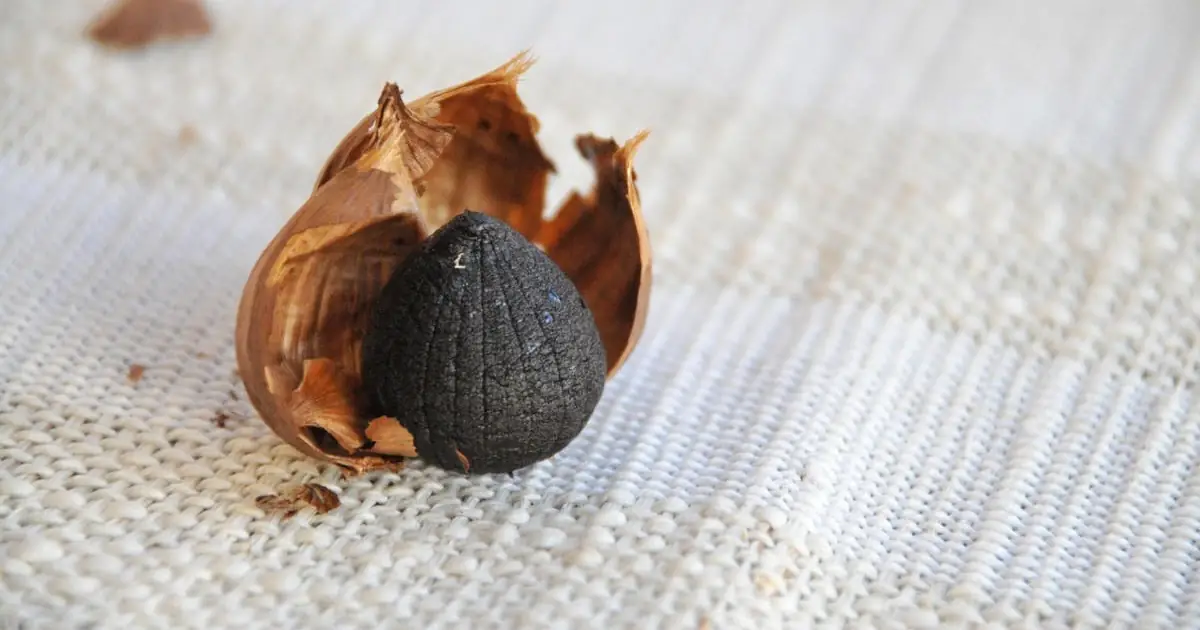
Black garlic and regular garlic come from the same plant, but they differ in taste, texture, and chemical composition. Black garlic is made by keeping whole garlic bulbs under controlled…
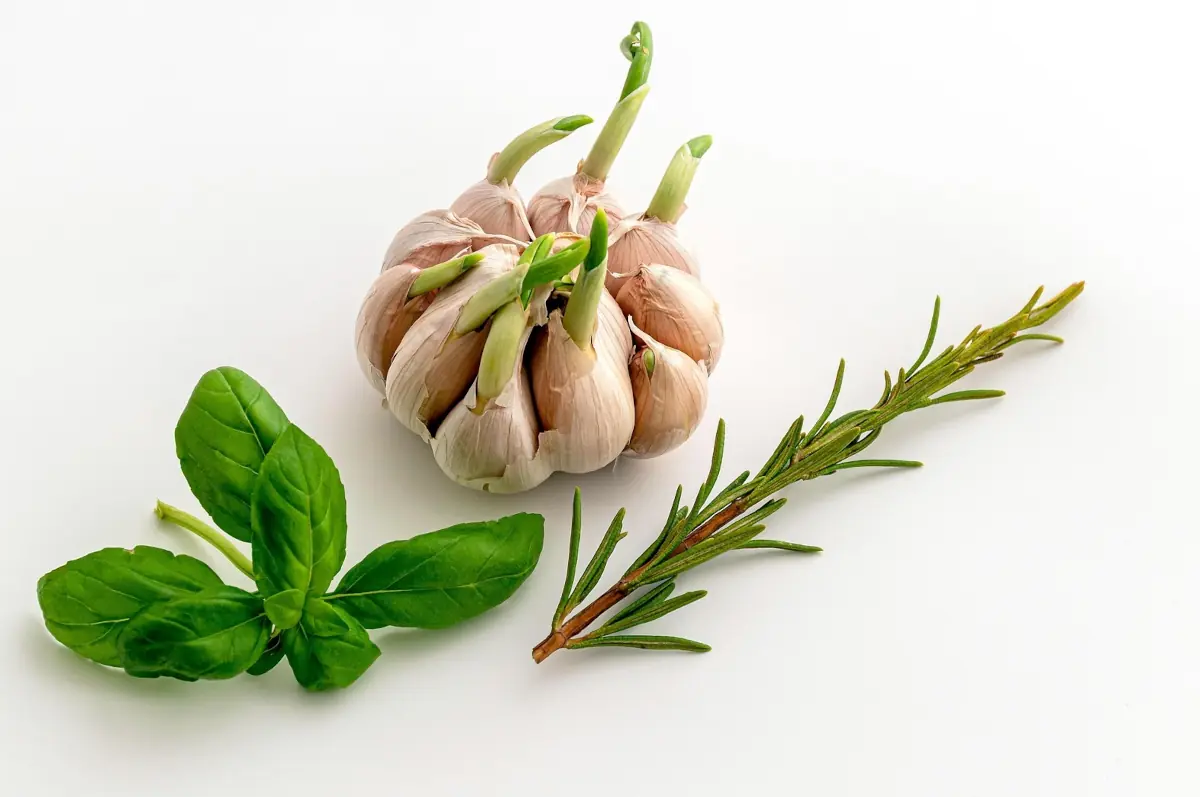
Yes, you can eat sprouted garlic. A green shoot growing from the center of a garlic clove is usually a sign that the garlic has started to grow again, not…
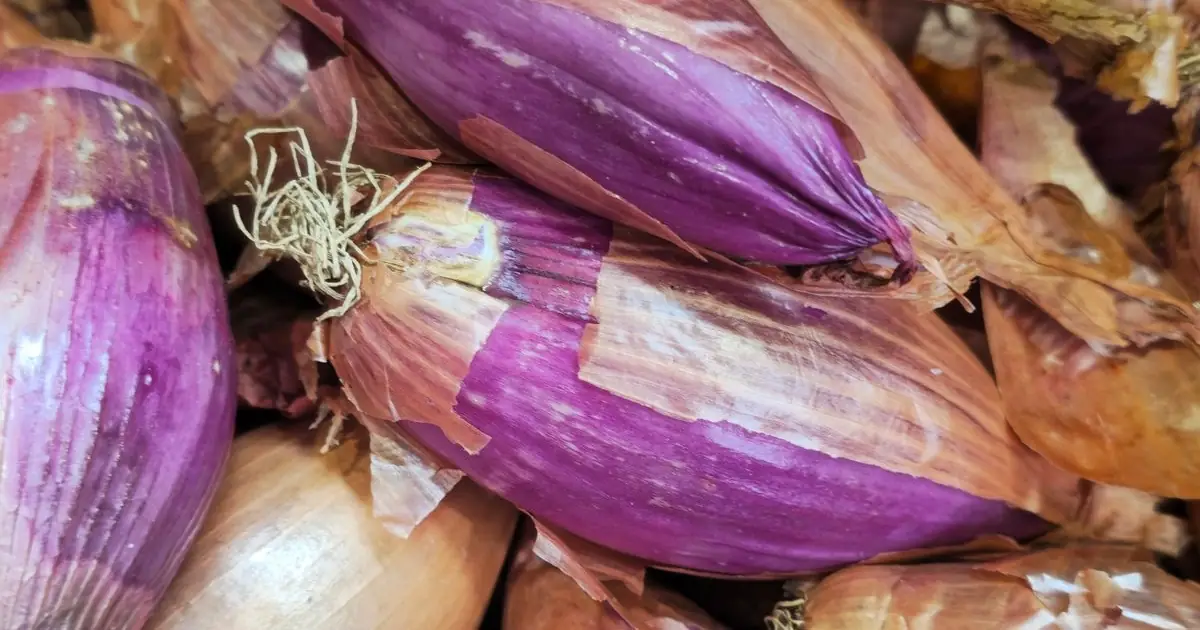
Garlic and shallots are closely related members of the Allium family, but they have quite different flavors, nutrient profiles, and bioactive compounds. Garlic has been studied much more extensively for…
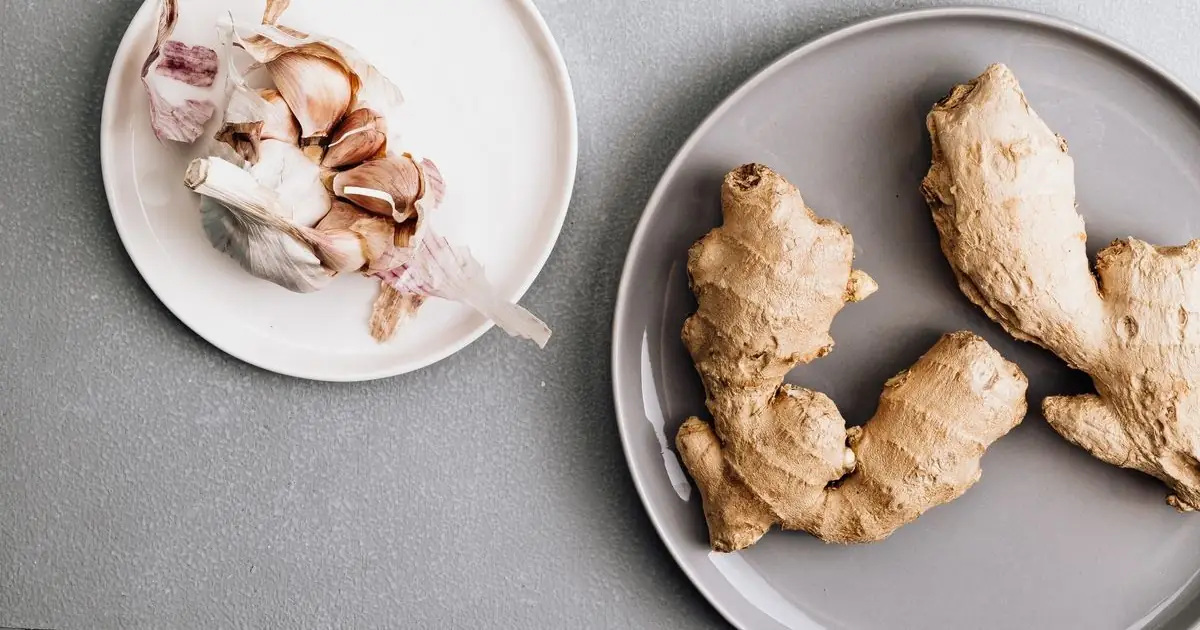
Garlic and ginger benefits are mainly linked to their natural bioactive compounds, including sulfur compounds in garlic and gingerols and related compounds in ginger. Research suggests that both may support…
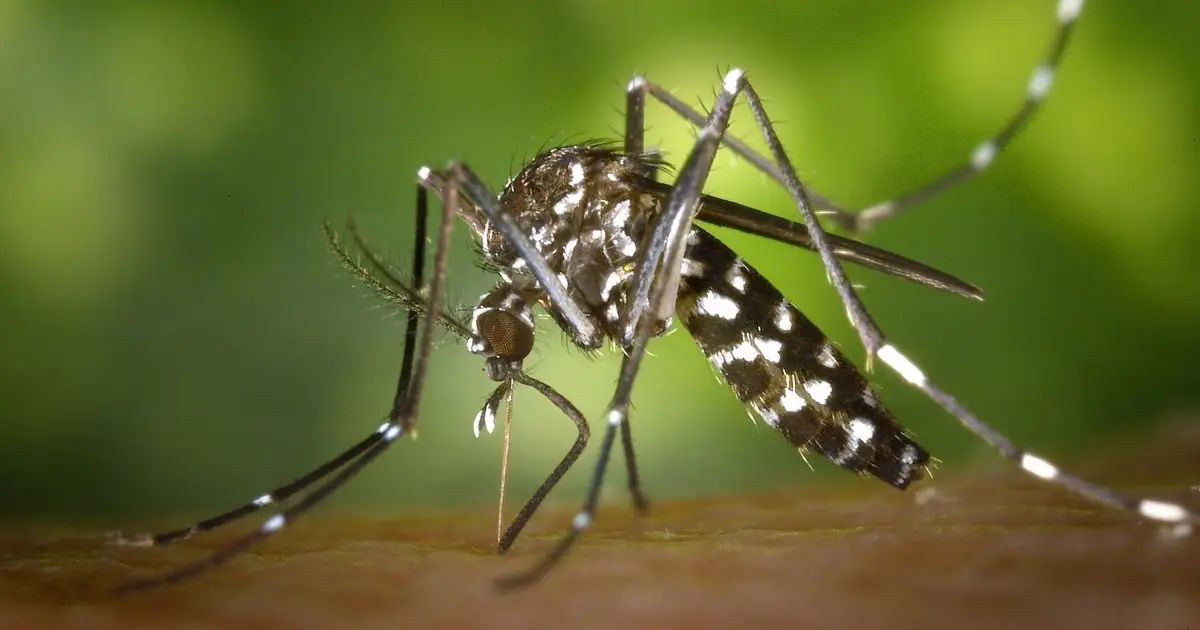
Garlic may repel mosquitoes in certain forms, but eating garlic has not been shown to reliably keep mosquitoes away. The strongest evidence comes from laboratory and experimental studies using garlic…
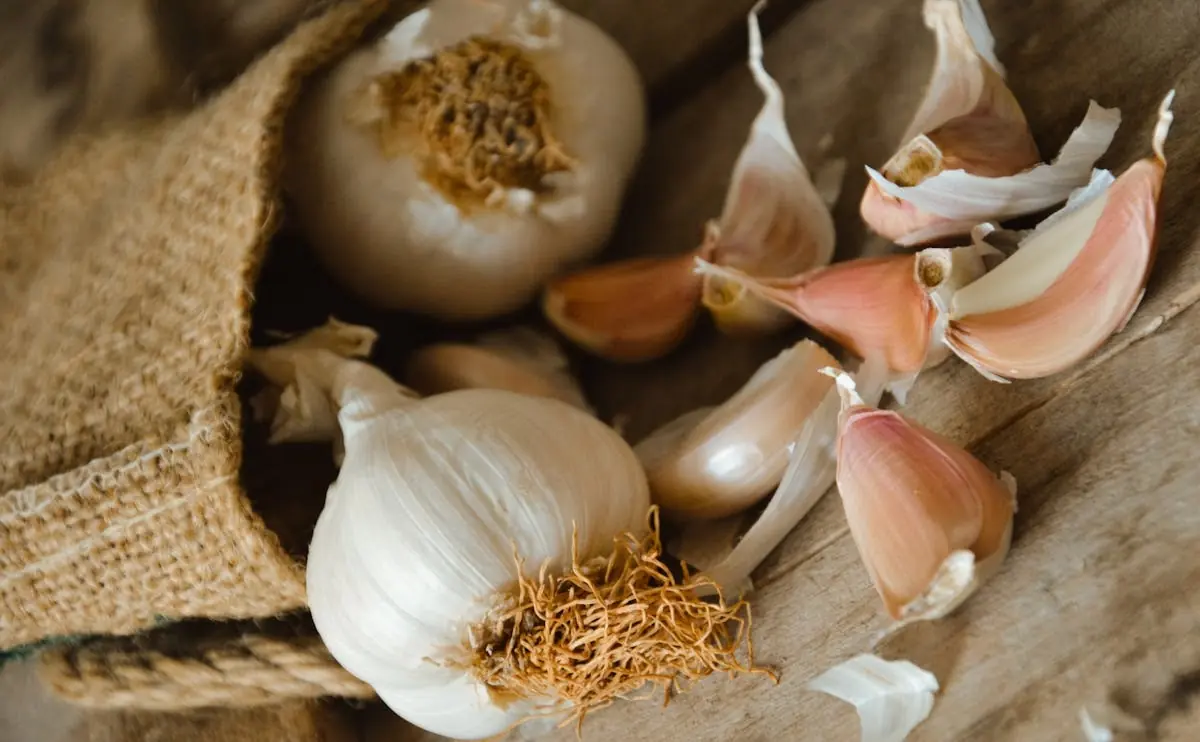
Garlic (Allium sativum) is one of the most widely used culinary ingredients in the world. Beyond its distinctive flavor, garlic is valued for its nutritional profile and its unique bioactive…
Yes, most toddlers can eat garlic in moderate food amounts, especially when it is cooked and introduced gradually. Cooked garlic is usually easier for toddlers to tolerate than raw garlic…
Garlic is generally safe for most children when served in normal food amounts, especially when cooked and introduced gradually. However, very large amounts of raw garlic, concentrated supplements, or strong…
Garlic and garlic chives may sound similar, but they are not the same plant. Garlic is known for its strong cloves and intense flavor, while garlic chives are leafy herbs…
Garlic may help with nail fungus because it contains compounds with antifungal properties, including allicin and ajoene. Some laboratory studies suggest these compounds can slow fungal growth and damage fungal…