Garlic may help support the immune system and reduce inflammation, which is why some people use it as a natural remedy for allergies. However, there is no strong evidence that garlic directly treats or cures allergies. In some cases, garlic may even trigger allergic reactions or worsen symptoms in sensitive individuals.
For most people, garlic can be part of a healthy diet during allergy season, but it should not replace medical treatment for serious allergies.
This article is included in our Complete Guide to Garlic.
Does Garlic Help with Allergies?
Garlic has long been used in traditional remedies for colds, inflammation, and immune support. Because allergies involve the immune system, many people wonder whether garlic can help reduce symptoms like:
- sneezing
- congestion
- itchy eyes
- sinus pressure
Garlic contains sulfur compounds and antioxidants that may support the body’s inflammatory response. This is one reason why it is often described as a natural remedy for seasonal allergies.
Still, the evidence is limited. Garlic may support overall health, but it is not a proven allergy treatment.
How Garlic May Affect Allergy Symptoms
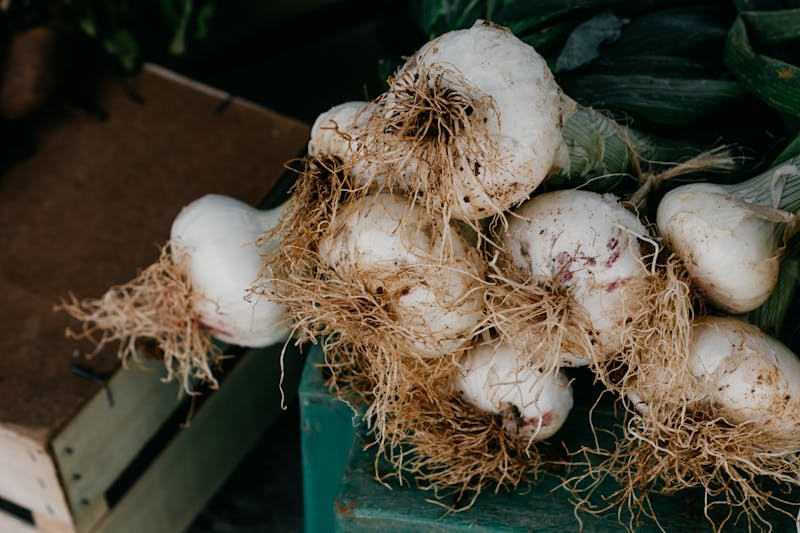
Garlic may help indirectly by supporting processes linked to inflammation and immune function.
Anti-inflammatory effects
Some allergy symptoms are connected to inflammation in the nasal passages and airways. Garlic contains compounds such as allicin, which have been studied for anti-inflammatory properties.
Reducing inflammation may help some people feel better during allergy season, especially when symptoms are mild.
Immune system support
Garlic is often associated with immune health. While this does not mean it “boosts” the immune system in a dramatic way, it may help support normal immune function as part of a balanced diet.
Antioxidant compounds
Garlic also contains antioxidants, which help protect cells from oxidative stress. This may be relevant because chronic inflammation and oxidative stress can contribute to overall discomfort during allergy season.
Is Garlic a Natural Antihistamine?
Garlic is sometimes called a natural antihistamine, but the evidence for this is limited.
Antihistamines work by blocking histamine, the chemical responsible for many allergy symptoms. Some natural compounds found in garlic may influence inflammatory responses, but garlic does not work the same way as allergy medication.
This means:
- garlic may provide mild support for some people
- it should not be expected to work like antihistamine drugs
Garlic for Seasonal Allergies
Seasonal allergies are one of the most common reasons people try natural remedies.
Some people report feeling better when adding garlic to their diet during allergy season. Possible reasons include:
- improved overall diet quality
- anti-inflammatory effects
- placebo effect
- general immune support
However, scientific research specifically linking garlic to relief from seasonal allergies is still limited.
Can Garlic Reduce Allergy Symptoms?
Possibly, but results vary.
Garlic may help some people with:
- mild congestion
- sinus discomfort
- inflammation-related symptoms
But there is no guarantee of noticeable improvement.
It’s also important to remember that allergies can have many triggers and causes. A single food is unlikely to solve symptoms on its own.
Can Garlic Make Allergies Worse?
Yes, in some cases.
Although garlic is often discussed as a natural remedy, some people are allergic or sensitive to garlic itself.
Symptoms of garlic allergy may include:
- skin rash
- itching
- swelling
- stomach discomfort
- breathing difficulties (rarely)
People with garlic intolerance may experience:
- bloating
- gas
- stomach pain
If garlic consistently makes symptoms worse, it may be better to avoid it.
Garlic Allergy vs Seasonal Allergies

This is an important distinction.
Seasonal allergies
These are usually triggered by:
- pollen
- dust
- mold
- pet dander
Garlic allergy
This is a food allergy involving an immune response to garlic itself.
Some people searching for “garlic for allergies” are actually reacting to garlic without realizing it.
What Science Says About Garlic and Allergies
Research on garlic and allergies is still limited.
Some studies suggest garlic compounds may have:
- anti-inflammatory properties
- antimicrobial effects
- antioxidant activity
These effects may help support overall health and immune function.
However:
- there is no strong evidence that garlic directly treats allergies
- most studies are small or indirect
- more research is needed
Overall, garlic may support the body during allergy season, but it should not be viewed as a replacement for medical treatment.
How to Use Garlic for Allergies
If you want to try garlic during allergy season, moderation is usually best.
Raw garlic
Raw garlic contains stronger active compounds, but it may also irritate the stomach.
Cooked garlic
Cooked garlic is easier to tolerate and still provides nutritional benefits.
Garlic supplements
Supplements are available, but quality and dosage vary. Whole garlic is often the safer starting point unless advised otherwise by a healthcare provider.
If raw garlic irritates your stomach, aged garlic extract is a safe and effective option.
How Much Garlic Should You Take For Allergies?
There is no official dosage for allergies.
For most people:
- 1–2 cloves per day is a common amount used in food
Taking very large amounts is unlikely to provide extra benefits and may increase side effects.
Risks and Side Effects
Garlic is safe for most people, but there are some possible downsides.
Digestive symptoms
Too much garlic may cause:
- bloating
- gas
- stomach discomfort
- heartburn
Medication interactions
Garlic may affect blood clotting and interact with some medications.
Allergic reactions
Although uncommon, garlic allergy is possible.
Natural Ways to Support Allergy Symptoms
Because garlic alone is unlikely to fully relieve allergies, it works best as part of a broader approach.
Other strategies may include:
- reducing allergen exposure
- using air filters
- staying hydrated
- eating a balanced diet
- using medically approved allergy treatments when needed
Quick Summary
| Question | Answer |
|---|
| Does garlic help with allergies? | Possibly, indirectly |
| Is garlic a natural antihistamine? | Not in the same way as medication |
| Can garlic reduce inflammation? | It may help |
| Can garlic make allergies worse? | Yes, in sensitive people |
You May Also Like:
FAQ ( Frequently Asked Questions )
Is garlic good for allergies?
Garlic may support the body through anti-inflammatory and antioxidant effects, but evidence is limited.
Can garlic help with seasonal allergies?
Possibly, though it is not a proven treatment.
Can garlic make allergies worse?
Yes. Some people are allergic or sensitive to garlic.
Is raw garlic better for allergies?
Raw garlic contains stronger compounds, but it can also irritate digestion.
Does garlic work like antihistamines?
No. Garlic does not work the same way as allergy medication.
Final Thoughts
Garlic may offer some indirect support during allergy season because of its anti-inflammatory and antioxidant properties. For some people, it can be a useful addition to a healthy diet.
At the same time, garlic is not a proven allergy treatment, and it can even cause problems in sensitive individuals. If symptoms are persistent or severe, proper medical treatment is still the safest approach.
Sources
This article is based on medical and scientific sources, including:”
- National Institutes of Health – Research on garlic compounds, inflammation, and immune function
- National Center for Biotechnology Information – Studies on garlic’s antioxidant and anti-inflammatory properties
- Cleveland Clinic – Seasonal allergies, immune responses, and natural remedies
- American Academy of Allergy, Asthma & Immunology – Allergy symptoms and treatment information
- Food Allergy Research & Education – Food allergy reactions and management
- PubMed – Research on garlic and inflammatory responses