Garlic is commonly used as a natural remedy for fungal infections affecting the skin and nails. Some research suggests that garlic contains compounds with antifungal properties that may help slow the growth of certain fungi. Because of this, many people use garlic for problems like nail fungus, athlete’s foot, ringworm, and other fungal skin infections.
At the same time, garlic is not a guaranteed cure, and severe or persistent infections may still require medical treatment. Still, its long history of traditional use and growing scientific interest make it one of the most discussed natural antifungal remedies.
This article is included in our complete guide to garlic. See our main article about Garlic: Nutrition & Health Benefits
Does Garlic Help with Fungal Infections?
Garlic may help with some fungal infections because it contains sulfur compounds that can interfere with fungal growth. Studies suggest that garlic has antifungal, antibacterial, and anti-inflammatory properties, which may support the body when dealing with certain skin or nail infections.
People commonly use garlic for:
- nail fungus
- athlete’s foot
- fungal skin infections
- ringworm
- yeast overgrowth
The strongest evidence exists for garlic’s antimicrobial and antifungal activity in laboratory settings. Human studies are more limited, but the results are promising enough that garlic continues to attract attention as a natural remedy.
Why Garlic Has Antifungal Properties
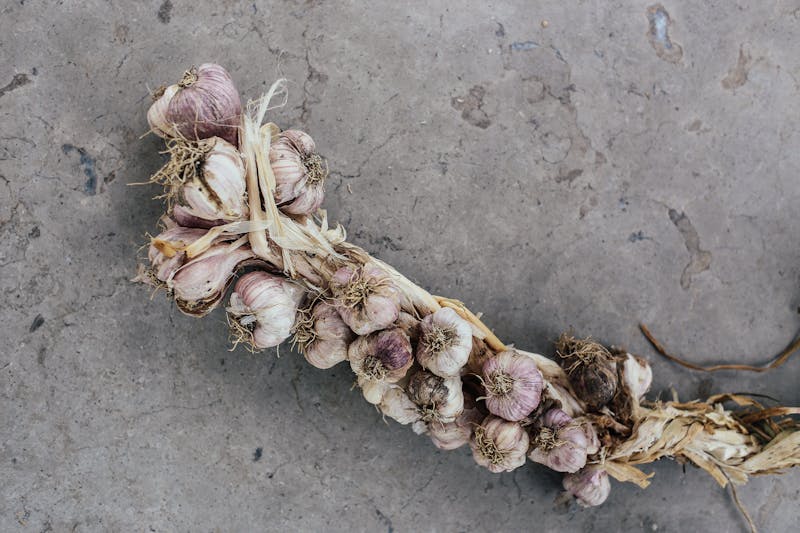
The antifungal effects of garlic are mainly linked to sulfur-containing compounds that are released when garlic is crushed or chopped.
Allicin
Allicin is the most well-known active compound in garlic. It forms when fresh garlic is cut or crushed.
Research suggests that allicin may:
- damage fungal cell membranes
- interfere with fungal growth
- reduce the ability of fungi to spread
This is one reason raw garlic is often considered more potent than cooked garlic for antimicrobial effects.
Ajoene
Garlic also contains ajoene, another sulfur compound that has shown antifungal activity in studies.
Some research suggests ajoene may be especially active against fungi affecting:
- the skin
- nails
- feet
Because of this, ajoene has attracted interest in research on athlete’s foot and fungal nail infections.
Other Antioxidants and Sulfur Compounds
Garlic also contains:
- selenium
- flavonoids
- antioxidants
These compounds may help support immune function and reduce inflammation, which can be helpful when the body is fighting infection.
Can Garlic Kill Fungus?
Garlic has shown the ability to inhibit or damage certain fungi in laboratory studies. However, real-world results vary depending on:
- the type of fungus
- the severity of infection
- how garlic is used
- how long the infection has been present
Mild fungal infections may respond better than advanced infections that have spread deeply into the nails or skin.
Garlic for Nail Fungus
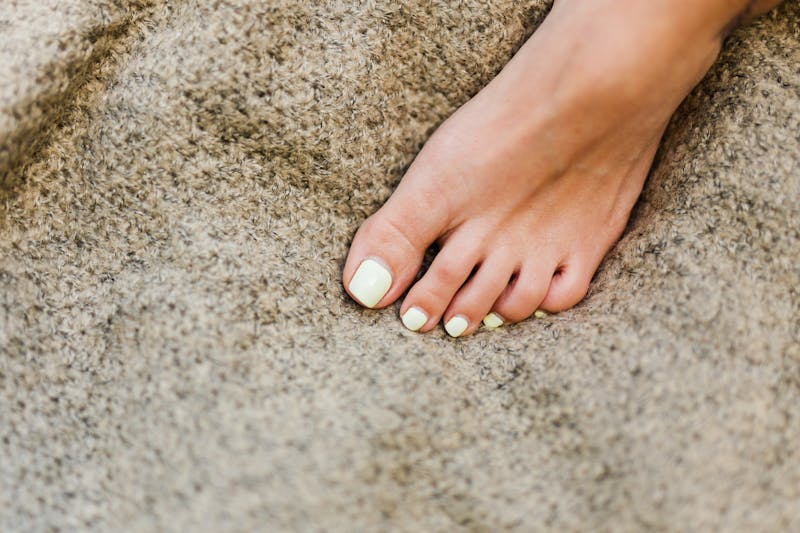
Toenail fungus is one of the most common reasons people try garlic remedies.
Fungal nail infections are often difficult to treat because fungi can live deep under the nail, where creams and natural remedies may not reach easily.
Some people apply crushed garlic directly to affected nails, while others increase garlic intake through food.
Can garlic kill nail fungus?
Garlic may help slow fungal growth because of its antifungal compounds, but evidence in humans is still limited. Mild infections may respond better than severe or long-standing nail fungus.
Nail fungus often requires patience because nails grow slowly, and improvement can take months.
Can Garlic Help with Skin Fungus?
Garlic is also commonly used for fungal skin infections such as:
- athlete’s foot
- ringworm
- fungal rashes
Its antifungal and antimicrobial properties may help reduce fungal activity on the skin surface.
However, raw garlic can irritate sensitive skin if applied directly for too long.
Garlic for Athlete’s Foot
Athlete’s foot is caused by fungi that thrive in warm, moist environments.
Garlic may help because:
- it has antifungal properties
- it may reduce microbial growth
- it may support skin healing
Keeping the feet dry and maintaining good hygiene is still essential, even when using natural remedies.
How to Use Garlic for Fungal Infections
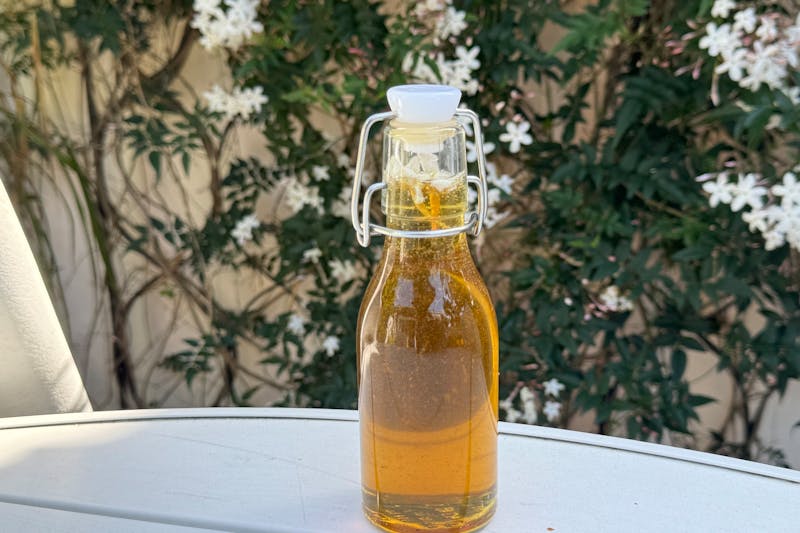
There are several ways people use garlic for fungal infections.
Raw garlic
Fresh crushed garlic contains the highest amount of allicin.
Some people:
- apply crushed garlic carefully to affected areas
- consume raw garlic in food
Raw garlic is potent, but it can also irritate the skin or stomach.
Garlic oil
Garlic-infused oil is sometimes used on fungal skin infections because it may be less irritating than raw garlic.
Garlic in the diet
Eating garlic regularly may help support immune function and overall health, which may indirectly help the body resist infections.
Does Cooking Garlic Reduce Its Antifungal Effects?
Yes, cooking can reduce allicin levels because heat breaks down some active compounds.
Raw garlic generally contains stronger antimicrobial activity, although cooked garlic still provides antioxidants and nutritional benefits.
Scientific Research on Garlic and Fungal Infections
Several laboratory studies have shown that garlic compounds can inhibit fungal growth.
One study published in PubMed found that ajoene, a sulfur compound derived from garlic, showed significant antifungal activity against fungi responsible for athlete’s foot and other skin infections. In some cases, ajoene-based treatments performed similarly to conventional antifungal medications in mild infections.
Other studies have shown that allicin may disrupt fungal cell membranes, making it harder for fungi to survive and spread.
While these findings are promising, more large-scale human studies are still needed.
Who Is More Vulnerable to Fungal Infections?
Some people are more likely to develop fungal infections because their immune defenses are weaker or their body is under stress.
This includes:
- people with weakened immune systems
- individuals with diabetes
- older adults
- people taking antibiotics frequently
- those with poor circulation
A weakened immune system makes it easier for fungi to grow and spread.
Copper Deficiency and Fungal Infections
One lesser-known factor linked to immune health is copper deficiency.
Copper plays an important role in:
- immune function
- enzyme activity
- defense against microbes
Low copper levels may weaken the body’s ability to fight infections, including fungal overgrowth.
Copper deficiency can happen because of:
- poor diet
- digestive disorders
- excessive zinc supplementation
Taking too much zinc for long periods may reduce copper absorption and create an imbalance. In some cases, this may weaken immune defenses and increase susceptibility to infections.
Maintaining balanced nutrition is important for long-term immune health.
Garlic, Immunity, and Fungal Defense
A healthy immune system is one of the most important defenses against fungal infections and their recurrence.
Garlic may help support immunity because it contains:
- antioxidants
- sulfur compounds
- nutrients that support immune function
While garlic is not a replacement for medical treatment, including it regularly in a balanced diet may support the body’s natural defenses.
How to Prevent Fungal Infections from Coming Back
Preventing fungal infections often requires more than just treating symptoms. Hygiene and lifestyle habits play a major role.
Good hygiene habits
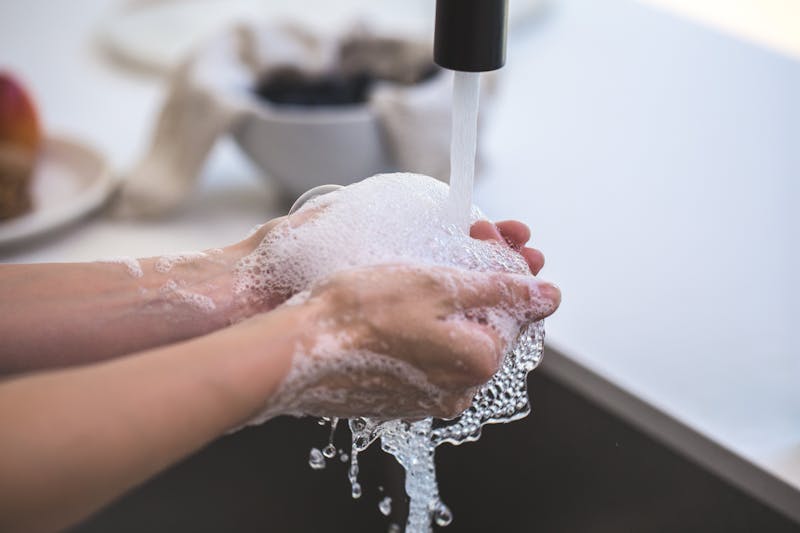
To reduce the risk of fungal growth:
- keep the skin dry
- change socks regularly
- avoid walking barefoot in public wet areas
- wash and dry feet carefully
- avoid sharing towels or nail tools
Fungi thrive in warm and moist environments, so reducing moisture is important.
Support the immune system
Long-term prevention also involves supporting the immune system through:
- balanced nutrition
- enough sleep
- stress management
- avoiding nutrient deficiencies
Including foods like garlic in the diet may help support overall immune health, especially when combined with healthy lifestyle habits.
Risks and Side Effects of Garlic
Garlic is safe for most people when used in normal dietary amounts, but some people may experience side effects.
Possible issues include:
- skin irritation
- burning sensation on the skin
- stomach discomfort
- bloating
- allergic reactions
- garlic intolerance
Raw garlic should never be left on the skin for long periods because it can sometimes cause burns or irritation.
When to See a Doctor
Medical attention may be necessary if:
- the infection spreads
- symptoms worsen
- the nail becomes severely damaged
- pain develops
- home remedies are not helping
Persistent fungal infections sometimes require prescription antifungal treatment.
Quick Summary
| Question | Answer |
|---|---|
| Does garlic help with fungal infections? | It may help because of antifungal compounds |
| What compounds are responsible? | Mainly allicin and ajoene |
| Can garlic kill nail fungus? | Possibly in mild cases, but evidence is limited |
| Is raw garlic stronger? | Yes, raw garlic contains more allicin |
| Can garlic replace medical treatment? | Not always |
You May Also Like

FAQ ( Frequently Asked Questions )
Does garlic have antifungal properties?
Yes. Garlic contains compounds like allicin and ajoene that have shown antifungal activity in laboratory studies.
Can garlic help with nail fungus?
Garlic may help slow fungal growth in mild nail infections, though results vary.
Is raw garlic better for fungal infections?
Raw garlic contains higher levels of active sulfur compounds, especially allicin.
Can garlic burn the skin?
Yes. Applying raw garlic directly to the skin for too long may cause irritation or burns.
Why do fungal infections keep coming back?
Poor hygiene, moisture, weakened immunity, and nutrient deficiencies may increase the risk of recurring fungal infections.
Final Thoughts
Garlic has attracted attention as a natural antifungal remedy because of compounds like allicin and ajoene, which may interfere with fungal growth. It may help support the body when dealing with mild fungal infections affecting the skin or nails.
At the same time, garlic is not a miracle cure, and severe infections may still require proper medical treatment. The best long-term approach combines good hygiene, immune support, balanced nutrition, and appropriate treatment when needed.
Sources
- PubMed – Research on allicin, ajoene, and garlic’s antifungal activity
- National Center for Biotechnology Information – Studies on garlic compounds and fungal growth inhibition
- National Institutes of Health – Information on immune health and nutritional deficiencies
- Mayo Clinic – Fungal nail infections and athlete’s foot information
- Cleveland Clinic – Skin fungal infections, nail fungus, and prevention strategies
- American Academy of Dermatology – Fungal skin infections and hygiene recommendations
- World Health Organization – Nutrition, immune health, and micronutrient balance