Fermented garlic and honey is one of the most searched natural remedies for immunity, colds, and overall wellness — and for good reason. This simple combination may support immune function, heart health, digestion, and recovery during cold season.
But there is a problem.
Most online recipes ignore the most important part: safety.
This guide explains how fermented garlic and honey works, how to make it properly, how to avoid fermentation mistakes, and how to keep the mixture safe.
This article is included in our complete guide to garlic. For a full overview, see Garlic: Nutrition, Health Benefits and Bioactive Compounds.
What is Fermented Garlic and Honey?
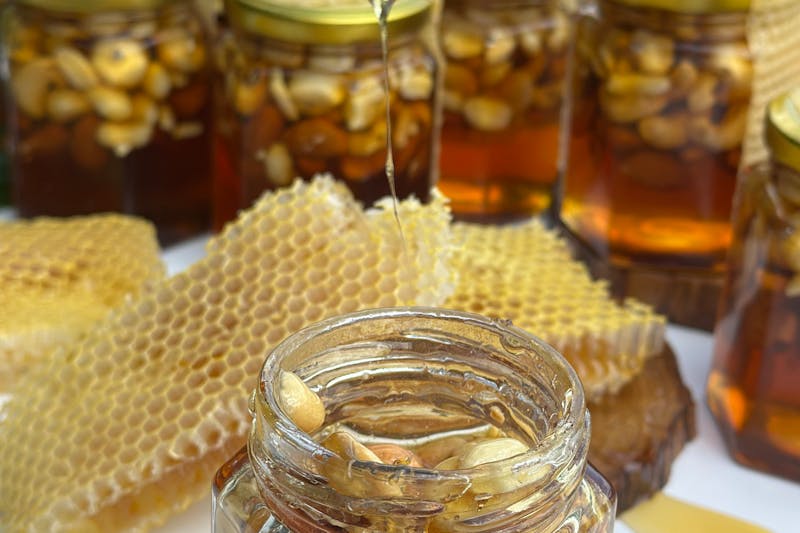
Fermented garlic and honey is made by submerging fresh garlic cloves in raw honey and allowing natural fermentation to develop over time.
As garlic releases moisture, natural yeasts and bacteria become active inside the jar. The mixture slowly turns thinner, slightly tangy, and more complex in flavor.
Many people use fermented garlic and honey as a traditional wellness remedy during cold and flu season.
The Science of Lacto-Fermentation in Honey
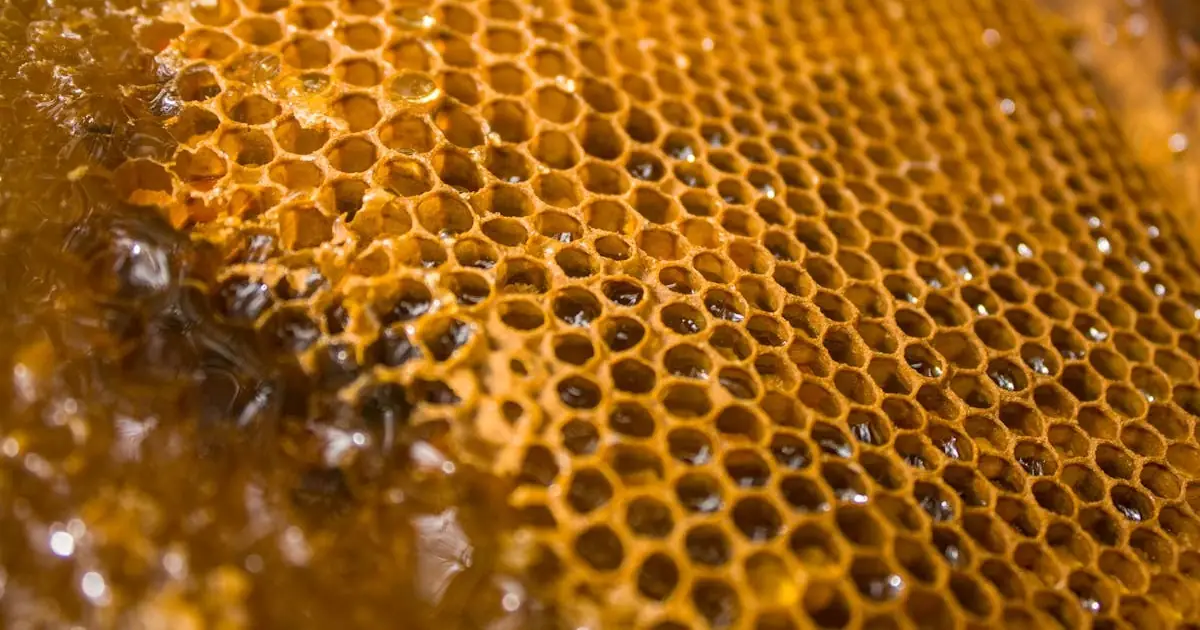
Fermentation happens when microorganisms consume sugars and produce beneficial compounds like lactic acid and enzymes.
Raw honey naturally contains wild yeasts and beneficial microbes. Once garlic releases water into the honey, fermentation can begin.
Studies suggest fermented garlic preparations may have increased antioxidant activity compared to fresh garlic alone.
Garlic is especially rich in sulfur compounds like allicin, which have been studied for antimicrobial and cardiovascular benefits.
Why This Combination is More Potent Than Raw Garlic
Garlic and honey both contain bioactive compounds.
Garlic provides sulfur compounds associated with antimicrobial and anti-inflammatory effects. Raw honey contains antioxidants, enzymes, and natural antibacterial properties.
Fermentation may help:
- Improve digestibility
- Increase antioxidant activity
- Support beneficial microbes
- Preserve active compounds naturally
Many people also find fermented garlic easier on the stomach than raw garlic.
Health Benefits of Garlic and Honey Infusion
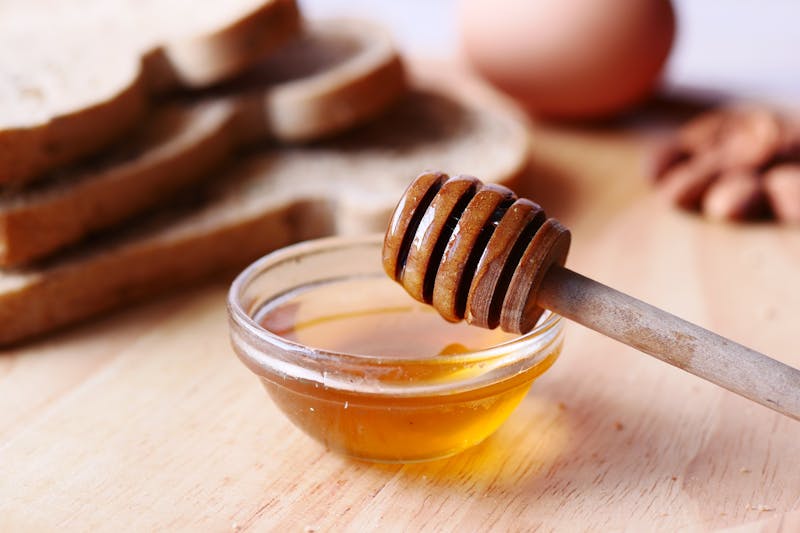
Fermented garlic and honey is widely used as a natural wellness tonic.
Although it is not a medical treatment, research supports several potential benefits.
Natural Immunity Boost and Cold Prevention
Garlic has long been studied for immune support.
Some research suggests garlic supplementation may reduce cold frequency and shorten symptom duration.
Honey may also help soothe sore throats and nighttime coughing.
Together, fermented garlic and honey is commonly used during:
- Cold and flu season
- Sore throats
- Seasonal immune stress
- Early cold symptoms
Cardiovascular Health: Blood Pressure and Cholesterol
Research suggests garlic may help support:
- Healthy blood pressure
- Cholesterol balance
- Blood vessel function
- Circulation
These effects are linked to garlic’s sulfur compounds and antioxidant activity.
Honey also contains polyphenols that may support cardiovascular wellness.
Digestive Health and Probiotic Properties
Fermented foods may support gut health by encouraging beneficial microbial activity.
Garlic also contains prebiotic compounds that help feed healthy gut bacteria.
Some people report improved digestion and reduced bloating when consuming fermented garlic regularly.
Essential Safety Guide: Understanding the Botulism Risk
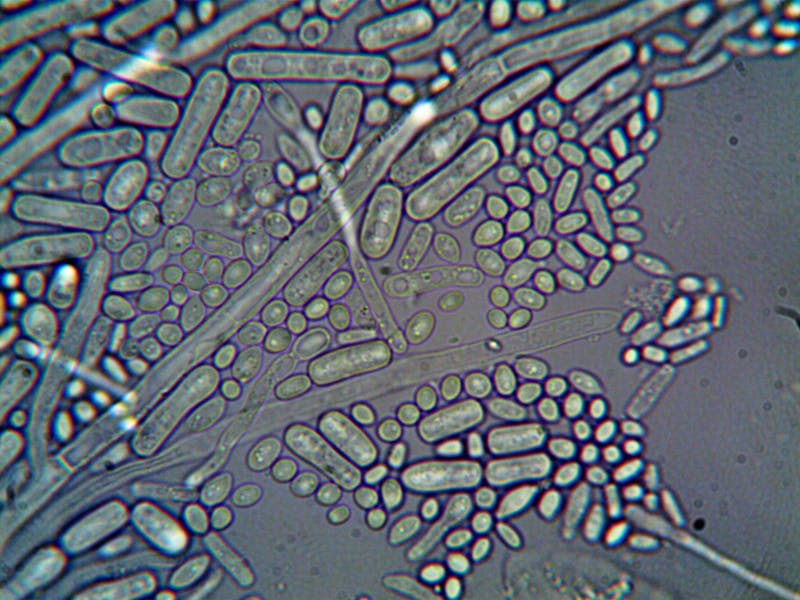
The Science of Safety: Understanding Botulism and pH Levels
When garlic is stored in an oxygen-free environment like honey, proper acidity becomes extremely important.
Without the right conditions, Clostridium botulinum spores could potentially grow.
Why pH Levels Matter (pH<4.6)
The main protection against botulism is acidity.
To ensure safety, the mixture must maintain a acidity level of:
pH<4.6
This environment inhibits the growth of harmful spores.
Raw honey is naturally acidic, but garlic releases moisture that can affect pH levels.
For this reason, many fermenters monitor acidity carefully.
How to Safely Acidify Your Honey (The Apple Cider Vinegar Trick)
Adding a small amount of apple cider vinegar or lemon juice may help maintain safe acidity.
For beginners, pH strips are highly recommended.
Safe fermentation tips:
- Use raw, unpasteurized honey
- Keep garlic submerged
- Burp the jar daily during active fermentation
- Use clean jars and utensils
- Keep the pH below 4.6
Visible bubbles are usually a good sign because active fermentation produces carbon dioxide and protective acids.
Who Should Avoid This Remedy? (Infant Botulism Warning)
Never give honey — raw or fermented — to infants under 12 months old.
Their digestive systems are not developed enough to safely handle natural spores that may occur in honey.
People taking blood-thinning medication should also speak with a healthcare professional before consuming large amounts of garlic regularly.
How to Make Fermented Garlic and Honey (Step-by-Step Recipe)
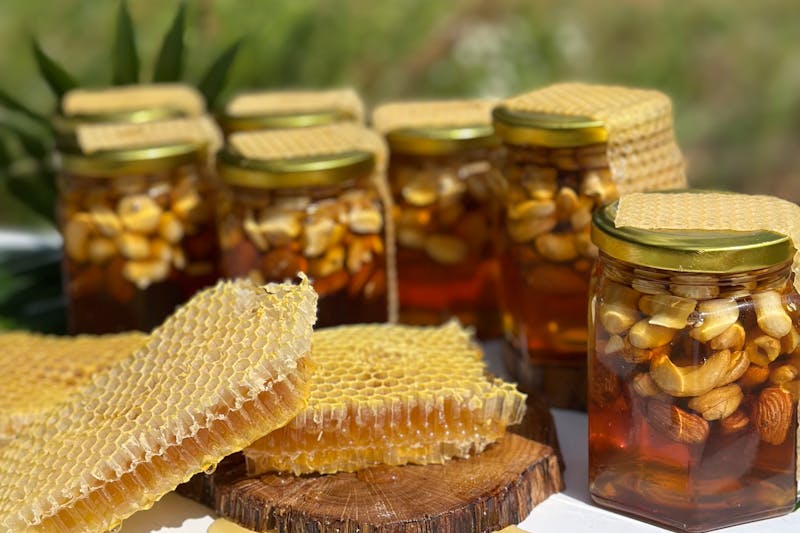
Making fermented garlic and honey is simple, but preparation matters.
Ingredients and Equipment Needed
Ingredients:
- 1 cup peeled garlic cloves
- 1–1.5 cups raw honey
- 1 teaspoon apple cider vinegar (optional)
Equipment:
- Sterilized glass jar
- Lid
- Knife or garlic press
- pH strips (recommended)
The Preparation Process: Crushing vs. Whole Cloves
Lightly crushing garlic activates allicin, one of garlic’s most studied compounds.
Whole cloves ferment more slowly and create a milder flavor.
Lightly crushed cloves are usually the best option.
Step 1: Preparing the Garlic
Peel the garlic cloves and lightly crush them.
Let the garlic rest for 10 minutes before adding honey. This helps maximize allicin formation.
Place the garlic into a sterilized jar.
Step 2: Choosing the Right Honey (Raw vs. Pasteurized)
Always choose raw, unpasteurized honey.
Raw honey contains natural enzymes, yeasts, and beneficial microbes that help drive fermentation.
Pour the honey over the garlic until fully submerged.
Add apple cider vinegar if desired.
Step 3: The Fermentation Timeline (What to Expect)
Seal the jar loosely.
During the first week:
- Burp the jar daily
- Flip or stir occasionally
- Watch for bubbles
Typical fermentation stages:
- Days 1–3: Honey becomes thinner
- Days 3–7: Bubbles appear
- Weeks 2–4: Flavor deepens
- After 1 month: Fully developed taste
Useful Products for Fermented Garlic and Honey
- Glass jar — See on Amazon (paid link)
- Garlic press — See on Amazon (paid link)
- Quality honey — See on Amazon (paid link)
Troubleshooting: Is My Fermented Garlic Safe?
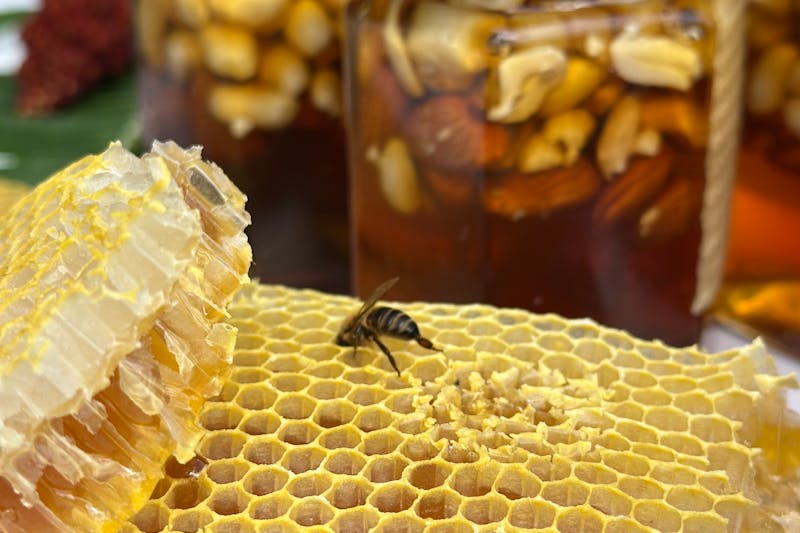
Some fermentation changes look unusual but are completely normal.
Why is My Garlic Turning Blue or Green? (The Anthocyanin Explanation)
Blue or green garlic is usually harmless.
This color change happens because sulfur compounds in garlic react with amino acids in an acidic environment.
It is not mold or spoilage.
Blue garlic is still safe to eat and keeps its beneficial properties.
Why Are There Bubbles in My Jar? (Signs of Active Fermentation)
Bubbles in fermented garlic and honey are usually a healthy sign.
Natural yeasts consume sugars and release carbon dioxide during fermentation.
Normal fermentation signs include:
- Small bubbles
- Thinner honey
- Slight pressure in the jar
- Mild sour aroma
Burp the jar daily during active fermentation to release excess gas.
How to Tell if the Batch Has Gone Bad
Discard the batch if you notice:
- Fuzzy mold
- Rotten smells
- Pink, black, or orange spots
- Visible contamination
A fermented smell is normal.
A rotten smell is not.
Dosage and How to Use It Daily
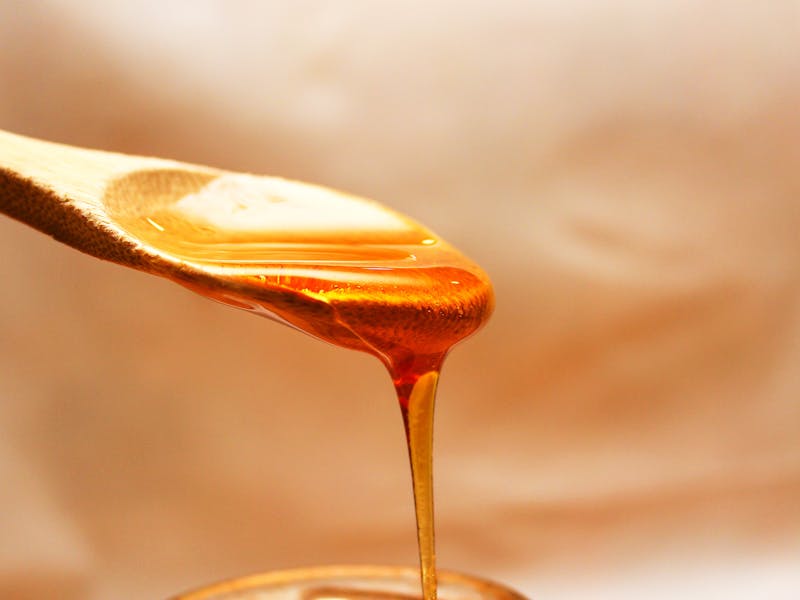
Fermented garlic and honey is usually consumed in small amounts.
Many people take:
- 1 garlic clove daily
- 1 teaspoon of honey
- Up to 1 tablespoon per day
Consistency matters more than large doses.
Can You Eat the Garlic Cloves and the Honey?
Yes — both the garlic and honey are edible.
The cloves become softer and milder during fermentation.
Popular ways to use fermented garlic and honey include:
- Eating a clove directly
- Adding honey to tea
- Mixing into dressings
- Using in marinades
Avoid excessive heat, which may reduce some active compounds.
Best Time to Take Garlic and Honey for Maximum Absorption
Many people prefer taking fermented garlic and honey in the morning on an empty stomach.
Others use it at night during cold season.
There is limited research on exact timing, but regular use appears more important.
If garlic irritates your stomach, consume it with food.
You May Be Interested in:
Frequently Asked Questions (FAQ)
Does fermented garlic and honey need refrigeration?
Not necessarily. Many people store it at room temperature during active fermentation and later move it to the refrigerator to slow the process.
How long does fermented garlic honey last?
When properly prepared and stored, it may last for several months or longer.
Can fermented garlic and honey go bad?
Yes. Mold, rotten smells, or visible contamination are signs to discard it.
Why did my honey become watery?
Garlic naturally releases moisture into the honey, thinning the consistency.
Can I use regular supermarket honey?
Raw, unpasteurized honey is strongly recommended because it supports natural fermentation.
Is blue garlic dangerous?
No. Blue or green garlic is a harmless chemical reaction caused by sulfur compounds and acidity.
Are bubbles in fermented garlic and honey normal?
Yes. Bubbles are usually a sign of active fermentation and carbon dioxide production.
Can I ferment whole garlic cloves?
Yes, but lightly crushed cloves typically ferment faster and release more flavor.
How much fermented garlic and honey should I take daily?
Most people consume one clove or one teaspoon daily.
Sources
Scientific and educational references used in this article:
- Ried K. Garlic lowers blood pressure in hypertensive individuals, regulates serum cholesterol, and stimulates immunity: an updated meta-analysis and review. The Journal of Nutrition.
- Bayan L, Koulivand PH, Gorji A. Garlic: a review of potential therapeutic effects. Avicenna Journal of Phytomedicine.
- Borlinghaus J et al. Allicin: chemistry and biological properties. Molecules.
- National Center for Complementary and Integrative Health (NCCIH) — Garlic overview.
- World Health Organization (WHO) food safety guidance regarding botulism.
- United States Department of Agriculture (USDA) Complete Guide to Home Canning.
- Research on fermented garlic and antioxidant activity published in Journal of Functional Foods.
- Harvard T.H. Chan School of Public Health resources on fermented foods and gut health.

Pingback: Garlic for Heart Health: Blood Pressure, Cholesterol & Benefits