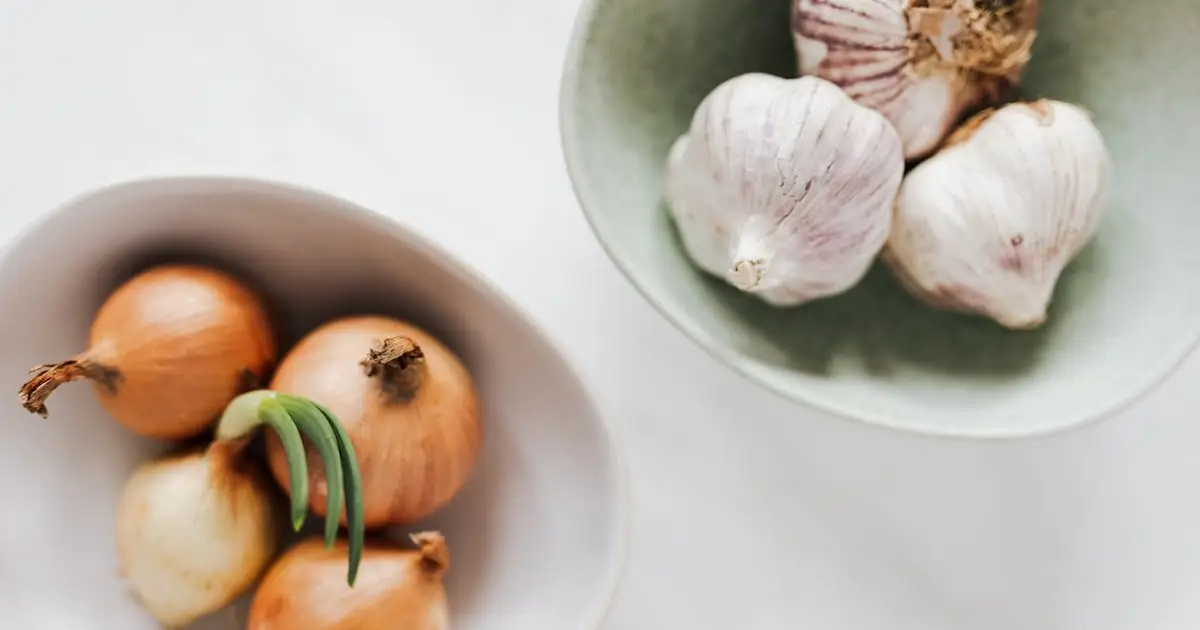
Both garlic and onion are extremely healthy — but garlic is more potent medicinally, while onion is better for everyday, larger consumption. Garlic delivers stronger antibacterial and cardiovascular effects, while onions provide gentler, long-term support for overall health.
Garlic vs Onion – Quick Comparison (Which Is Better?)
- Garlic → stronger medicinal effects (antibacterial, blood pressure support)
- Onion → better for daily use, gut health, and antioxidants
- Both → support immunity and overall health
In simple terms:
Garlic = stronger, Onion = more balanced
This is part of our complete guide to garlic. For a full overview, see Garlic: Nutrition, Health Benefits and Bioactive Compounds.
Garlic vs Onion Nutrition (Detailed Comparison)
Below is a side-by-side comparison (per 100g):
| Nutrient | Garlic | Onion |
|---|---|---|
| Calories | 149 kcal | 40 kcal |
| Carbohydrates | 33 g | 9 g |
| Protein | 6.4 g | 1.1 g |
| Fiber | 2.1 g | 1.7 g |
| Vitamin C | High | Moderate |
| Vitamin B6 | Very high | Low |
| Folate | Low | High |
| Minerals (iron, zinc, magnesium) | Much higher | Lower |
| Water content | ~59% | ~89% |
Key takeaway:
- Garlic is more nutrient-dense
- Onion is lighter and easier to consume in larger amounts
Garlic vs Onion Health Benefits (What Does Science Say?)
Garlic Benefits
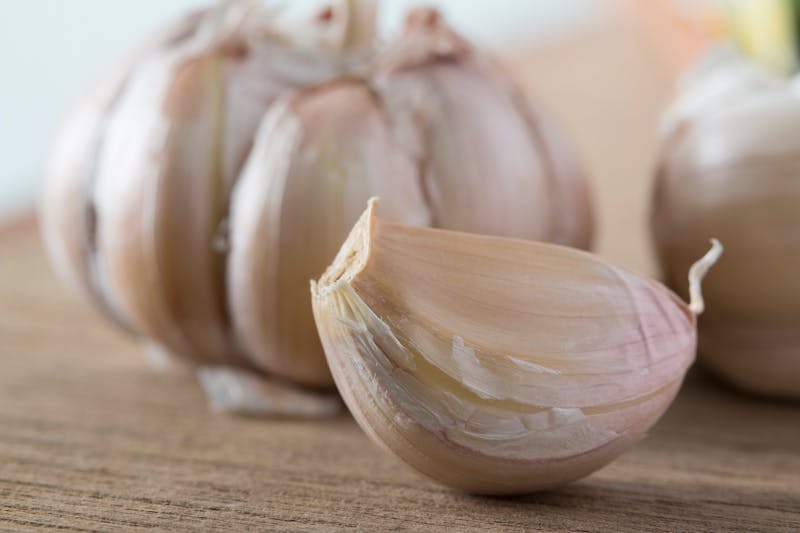
- rich in sulfur compounds like allicin
- strong antibacterial and antiviral effects
- may support blood pressure and cholesterol
- more “medicinal” in nature
- may help with skin conditions
- may help with hair loss
Onion Benefits
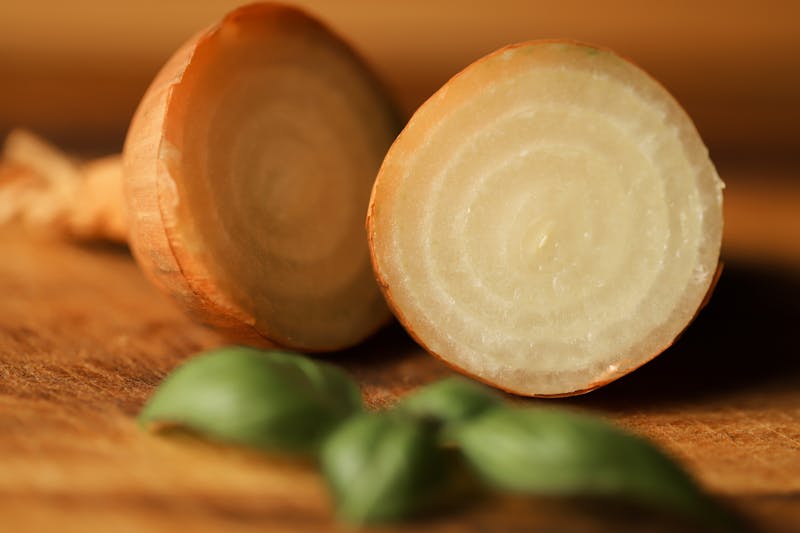
- high in quercetin (powerful antioxidant)
- supports heart health and inflammation reduction
- contains prebiotics → improves gut health
- milder but broader daily benefits
Conclusion:
Garlic acts stronger — onion acts longer
Garlic vs Red Onion: Which Is Healthier?
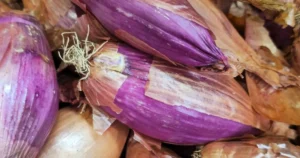
Red onions contain anthocyanins, the pigments responsible for their red-purple color, along with quercetin and other plant compounds. Garlic is particularly notable for its sulfur-containing compounds, including allicin, which forms when fresh garlic is chopped or crushed.
Both foods provide beneficial plant compounds, but their composition differs. Garlic may be especially interesting for research on sulfur compounds and cardiovascular health, while red onions provide anthocyanins alongside other antioxidants. Neither is universally healthier; the comparison depends on the nutritional outcome being considered.
Garlic vs White Onion: Which Is Healthier?
Garlic and white onion both belong to the Allium genus and contain sulfur-containing compounds that contribute to their distinctive flavors and potential health benefits. Garlic is particularly known for allicin, which forms when fresh garlic is crushed or chopped. White onions also contain beneficial plant compounds, but their flavonoid content differs from that of other onion varieties.
White onions generally contain less quercetin than yellow and red onions. Yellow onions tend to have higher quercetin levels, while red onions provide additional anthocyanins, the pigments responsible for their red-purple color. The exact amounts vary by variety and growing conditions.
Garlic may be a better choice for people interested in research on allicin and other sulfur compounds, while white onions still provide useful nutrients and phytochemicals. Neither is universally healthier; both can contribute to a balanced diet.
Allicin vs Quercetin: Know The Difference
This is the most important distinction.
Garlic → Allicin
- forms when garlic is crushed
- strong antimicrobial compound
- responsible for garlic’s “medicinal power”
Onion → Quercetin
- antioxidant flavonoid
- supports heart and immune health
- less aggressive, more stable
Did you know that quercetin can be even more potent than vitamins C and E combined? Additionally, heat treatment does not degrade quercetin the way it does vitamin C. So keep this in mind and include onions in your diet both when you’re sick and in your everyday routine.
Bottom line:
Garlic = stronger immediate effect
Onion = long-term antioxidant support
Garlic vs Onion for Immunity
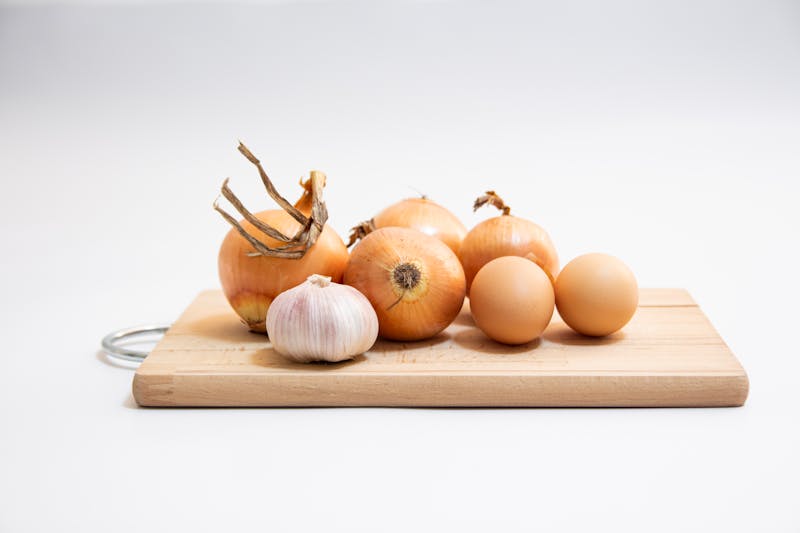
- Garlic → stronger direct antimicrobial action
- Onion → supports immune system through antioxidants
Best approach:
use both together
You may be interested in another article from our comparison series. This time, it’s an interesting comparison of the nutritional values of raw and cooked garlic.
Garlic vs Onion for Heart Health and Blood Pressure
Both support cardiovascular health, but differently:
- Garlic:
- Onion:
- supports cholesterol balance
- reduces inflammation
Together, they create a synergistic effect
Garlic vs. Onion for Digestive Health (Which is Better)
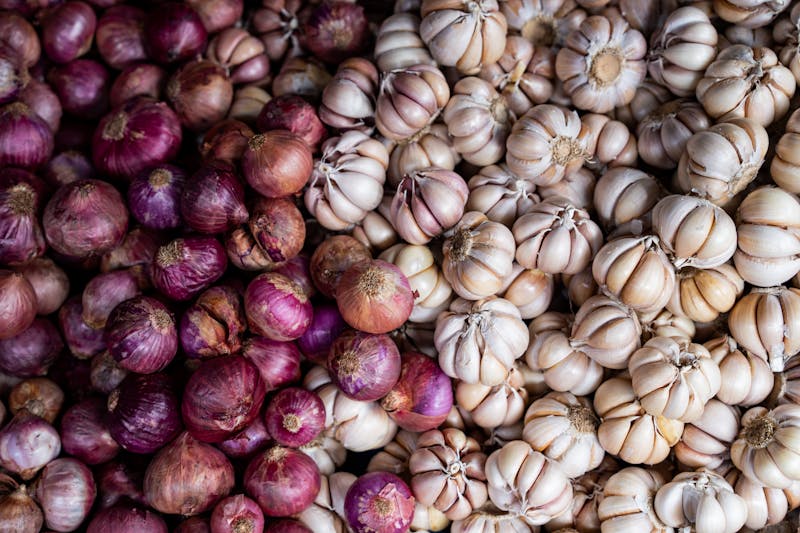
This is where many people notice differences.
Both garlic and onion belong to the Allium family and contain compounds that can affect digestion.
Benefits:
- onion contains prebiotics → feeds good gut bacteria
- both may support gut health in moderate amounts
But also:
Raw garlic and onion can cause:
- bloating
- gas
- stomach irritation
- acid reflux
especially in people with:
- IBS
- sensitive digestive systems
Important difference:
- Garlic is more irritating than onion, especially raw
- onion is usually better tolerated
Raw, concentrated intake may cause digestive discomfort and irritation
Which Is Stronger Medicinally?
Garlic wins — clearly.
- higher concentration of active compounds
- stronger antimicrobial effect
- more noticeable short-term effects
Onion is:
- milder
- safer for daily use
Which Should You Eat Daily?
- Garlic → 1–2 cloves daily
- Onion → can be eaten freely in meals
Best strategy:
use garlic in small amounts + onion regularly
Raw vs Cooked – Does It Change the Benefits?
Garlic:
- raw → much stronger (allicin active)
- cooked → milder, fewer active compounds
Onion:
- still beneficial when cooked
- easier to digest
Balance:
- raw garlic occasionally
- cooked onion regularly
It is worth learning more about the differences in nutritional values between cooked and raw garlic.
Are There Any Side Effects?
Garlic:
- can irritate stomach
- may cause heartburn
- strong effect on sensitive people
Onion:
- may cause gas or bloating
- generally milder
Both are safe — but dose matters.
If you plan to eat garlic in larger amounts or on an empty stomach, you should learn more about who should avoid consuming garlic. Safety is the most important thing.
Garlic vs Onion: When to Use Each (Real-Life Guide)
Use garlic when:
- you want stronger health effects
- you need antimicrobial support
Use onion when:
- you want daily health support
- you need something gentler
Use BOTH when:
- cooking meals
- building a healthy diet
You May Be Interested in:


Read Other Interesting Comparisons
- comparison of the Nutritional Value of Garlic and Onion
- differences between Raw and Cooked Garlic.
- Garlic and Ginger: 10 Benefits, Nutrition, Uses, and What Research Shows
- Garlic vs Garlic Chives Whats The Difference
FAQ ( Frequently Asked Questions )
Is garlic healthier than onion?
Garlic is more potent, but both are healthy in different ways.
Can I eat garlic and onion together?
Yes — they complement each other and enhance benefits.
Which is better for immunity?
Garlic is stronger short-term, onion supports long-term immunity.
Which is better for digestion?
Onion is usually easier to tolerate.
Is raw garlic better than onion?
Raw garlic is stronger, but also more irritating.
Are Onions Good for You?
Yes. Onions are a nutritious vegetable and provide vitamin C, fiber, and various plant compounds, including quercetin. Like garlic, onions are part of the Allium family and can contribute to a healthy, varied diet.
Are Garlic and Onion Related?
Yes, garlic and onion are closely related plants that belong to the Amaryllidaceae family and the Allium genus. Other members of this group include shallots, leeks, chives, and scallions. Garlic and onion share some sulfur-containing compounds and other plant chemicals, but their nutritional profiles and health effects differ. Garlic is particularly known for allicin, which forms when fresh garlic is crushed or chopped, while onions contain flavonoids such as quercetin.
Summary
Garlic and onion are both powerful health foods from the same family.
Garlic is more concentrated and has stronger medicinal properties, mainly due to allicin.
Onion is milder, rich in antioxidants like quercetin, and better suited for daily consumption.
Both support heart health, immunity, and overall well-being.
The best approach is not choosing one — but using both regularly in a balanced diet.
Sources
- National Center for Biotechnology Information – Research on garlic compounds and health effects
- National Institutes of Health – Garlic nutrition and bioactive compounds
- American Heart Association – Diet and heart health recommendations
- Allium vegetables – Overview of garlic and onion compounds