Honeyberries and blueberries are both dark blue berries rich in plant compounds, but they differ in taste, nutritional composition, and vitamin C content. Haskap berries, also known as honeyberries, can contain around three times as much vitamin C as blueberries, based on reported values from specific studies. However, the exact difference depends on the variety and growing conditions.
Blueberries are more widely available and have been studied extensively for their potential health benefits. Honeyberries are less familiar to many consumers, but research suggests that they are a promising source of anthocyanins and other polyphenols.
So, which berry is better for you? Here is how honeyberries compare with blueberries in nutrition, taste, and potential health benefits.
What Is a Honeyberry?
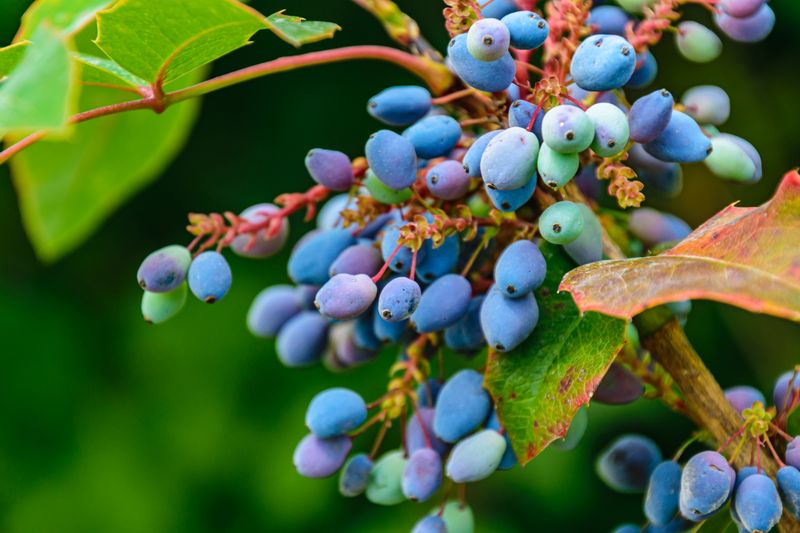
Honeyberry is the common name for the edible fruit of Lonicera caerulea, a species of honeysuckle also known as haskap or blue honeysuckle. The berries are native to regions of northern Asia and other cool-climate areas and are increasingly cultivated elsewhere.
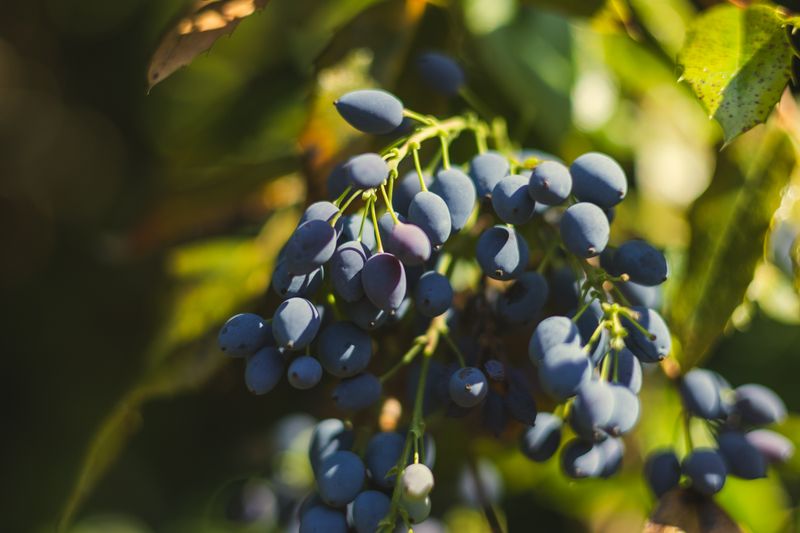
Honeyberries are usually elongated, dark blue or purple fruits with a soft texture. Their shape can resemble a small, stretched blueberry, although the two fruits belong to different plant groups.
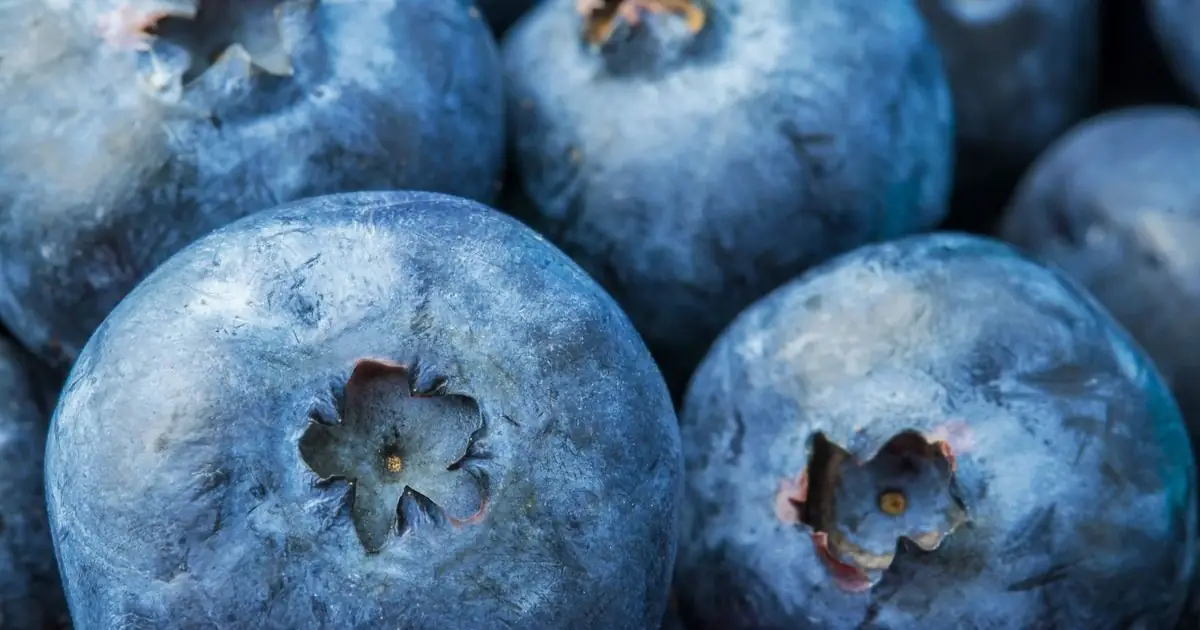
Blueberries belong to the genus Vaccinium. They are generally round, with a mild, sweet flavor and a characteristic waxy coating on the skin.
Honeyberries are often described as more tart and complex in flavor. Depending on the cultivar and ripeness, they may have notes reminiscent of blueberries, raspberries, blackberries, or other dark berries.
Both fruits can be eaten fresh or frozen and used in smoothies, yogurt, oatmeal, jams, and baked goods.
Honeyberry vs Blueberry: Nutritional Differences
Both berries provide carbohydrates, fiber, vitamins, and plant compounds. The most notable potential difference is vitamin C: research on haskap has reported considerably higher concentrations than those found in conventional blueberries.
The table below compares typical nutrition information for raw blueberries with selected findings from research on honeyberries. Because the available honeyberry studies often focus on specific cultivars rather than a standardized food composition, not every nutrient can be compared directly.
| Nutrient or feature | Honeyberry (haskap) | Blueberry |
|---|---|---|
| Vitamin C | About 34.3 mg/100 g in one study of 11 cultivars | About 9.7 mg/100 g |
| Anthocyanins | Often abundant; content varies considerably by cultivar | Rich in anthocyanins |
| Other polyphenols | Includes phenolic acids, flavonols, and other compounds | Includes anthocyanins and other polyphenols |
| Fiber | Varies; standardized comparison data are limited | About 2.4 g/100 g |
| Calories | Depends on variety and composition; comparable standardized data are limited | About 57 kcal/100 g |
| Carbohydrates | Depends on cultivar and ripeness | About 14.5 g/100 g |
| Flavor | Often tart, tangy, and complex | Generally mild and sweet |
Sources: research on Lonicera caerulea cultivars and USDA FoodData Central data for raw blueberries. Values are approximate and should not be interpreted as a universal comparison between every honeyberry and blueberry variety.
Vitamin C: Honeyberries May Have a Clear Advantage
Vitamin C supports normal immune function, collagen formation, wound healing, and iron absorption. It also acts as an antioxidant in the body.
In a study evaluating 11 cultivars of Lonicera caerulea, researchers reported an average vitamin C concentration of approximately 34.3 mg per 100 g of fresh fruit. Individual cultivars differed considerably.
For comparison, raw blueberries provide approximately 9.7 mg of vitamin C per 100 g according to USDA food composition data.
Based on these figures, the studied honeyberries contained roughly three and a half times as much vitamin C as raw blueberries. This is a useful nutritional difference, although it does not mean every honeyberry will contain more vitamin C than every blueberry.
Cultivar, growing conditions, ripeness, storage, and processing can all affect the final vitamin C content.
Fiber, Carbohydrates, and Calories
Blueberries provide about 2.4 g of fiber per 100 g, along with naturally occurring sugars and other carbohydrates. Fiber helps support normal digestion and can contribute to satiety.
Honeyberries also contain carbohydrates and sugars, but their exact nutritional composition varies among cultivars. Direct comparisons should use data collected under comparable conditions rather than figures taken from unrelated studies.
Neither fruit needs to be considered a replacement for the other. Both can contribute to a varied diet, and the better choice for an individual may depend on availability, taste, and how the berries are eaten.
Anthocyanins and Other Plant Compounds
The dark blue and purple colors of honeyberries and blueberries come largely from anthocyanins, a group of plant pigments belonging to the polyphenol family.
Honeyberry research has identified anthocyanins, phenolic acids, flavonols, and other bioactive compounds. One study of 11 cultivars found substantial variation in total phenolic and anthocyanin content between varieties.
Blueberries are also rich in anthocyanins and have been studied extensively for their potential effects on cardiovascular and metabolic health.
Although both fruits contain valuable plant compounds, it is difficult to name a universal winner. Their composition varies by cultivar, and laboratory measurements of antioxidant activity do not directly establish which fruit produces greater health benefits in humans.
Honeyberry vs Blueberry: Taste and Texture
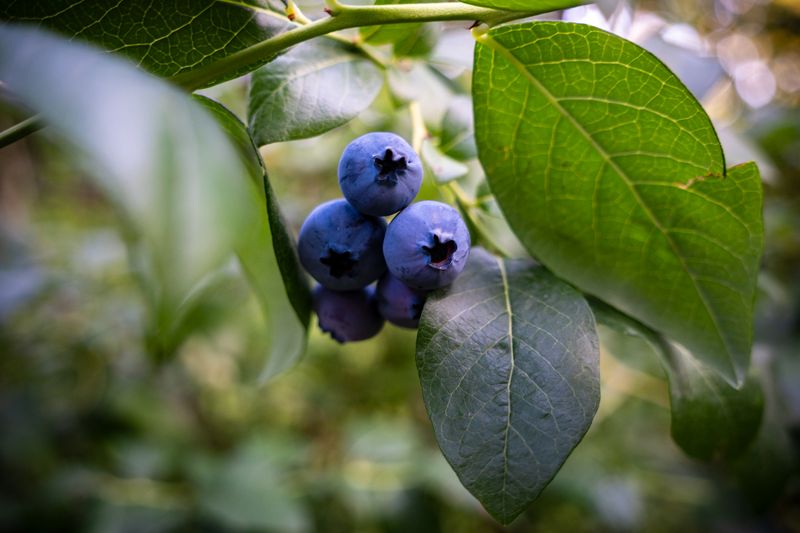
Taste is one of the most noticeable differences between the two fruits.
Blueberries are usually sweet and mild, especially when fully ripe. They have a juicy texture and work well in recipes where a gentle berry flavor is preferred.
Honeyberries tend to have a more pronounced sweet-tart flavor. Some varieties are pleasantly sweet, while others are quite tangy. Their elongated shape and soft flesh also distinguish them from round blueberries.
What Do Honeyberries Taste Like?
People often compare honeyberry flavor to a combination of blueberry and raspberry, with a sharper, more acidic finish. The exact flavor depends on the variety and how ripe the fruit is when harvested.
If you enjoy tart berries, honeyberries may be particularly appealing. If you prefer a milder, sweeter fruit, blueberries may be more to your taste.
Are Honeyberries Sweeter or More Tart Than Blueberries?
There is no single answer because both fruits vary by cultivar and ripeness. In general, honeyberries are known for their more tangy flavor, while blueberries are often milder and sweeter.
If possible, try a small amount before buying a large quantity. This is especially useful when purchasing a new honeyberry cultivar or a frozen product.
Health Benefits of Honeyberries vs Blueberries
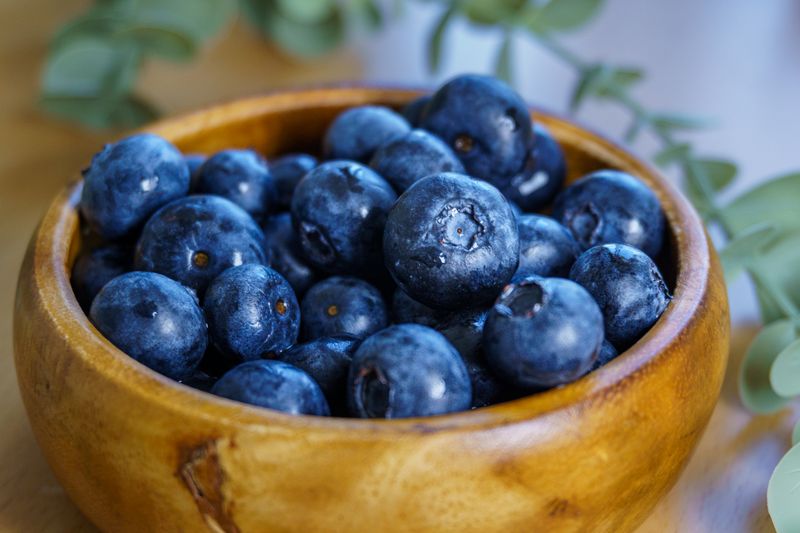
Both fruits can contribute useful nutrients and plant compounds to a balanced diet. However, their potential health effects should be considered in light of the available research.
Antioxidants and Anthocyanins
Honeyberries have attracted scientific interest because of their anthocyanin and polyphenol content. These compounds can show antioxidant activity in laboratory tests, where they help neutralize certain reactive molecules.
Blueberries also contain anthocyanins and have been investigated in human studies examining outcomes such as vascular function and markers of cardiometabolic health.
A review of research on Lonicera caerulea describes the berry’s diverse bioactive compounds and summarizes findings from laboratory, animal, and human research. Much of the evidence for specific health effects remains preliminary, so the presence of these compounds should not be interpreted as proof that eating honeyberries prevents or treats disease.
Vitamin C and Immune Function
Vitamin C is needed for normal immune system function. Because some honeyberry cultivars contain considerably more vitamin C than blueberries, they can be a useful option for people looking to include more of this vitamin in their diet.
However, eating a vitamin C-rich fruit does not guarantee protection from infections. Overall dietary intake, health status, and other factors matter too.
Blueberries remain a nutritious choice, particularly when eaten regularly as part of a varied diet. Their lower vitamin C content compared with the average reported in some honeyberry studies does not make them unhealthy.
Cardiovascular Health
Anthocyanins and other polyphenols are being studied for their possible role in cardiovascular health. Research on blueberries includes human trials investigating measures related to vascular function and cardiometabolic health.
Haskap berries have also shown promising results in laboratory and preclinical research. Some studies have examined their antioxidant activity and the biological effects of their extracts.
The important distinction is that evidence from test tubes or animal studies cannot automatically be applied to people eating whole berries. More well-designed human studies are needed to determine whether honeyberries provide specific cardiovascular benefits beyond those expected from a nutritious diet.
Are Honeyberries Healthier Than Blueberries?
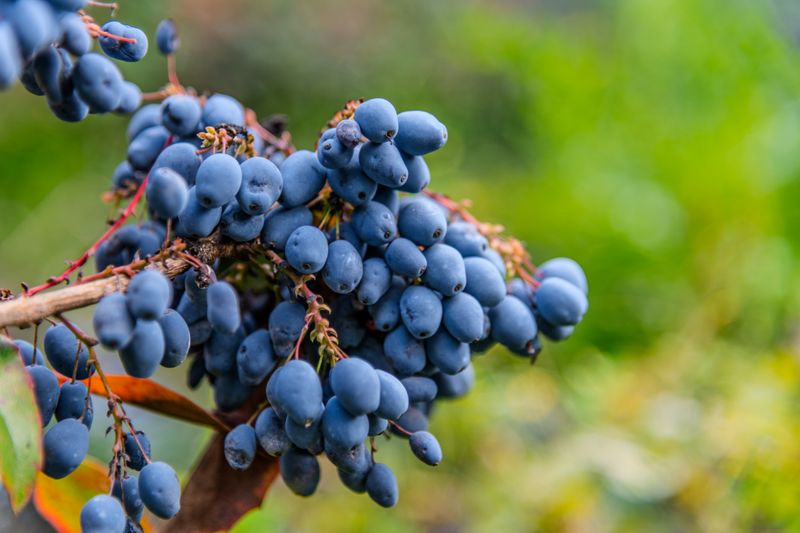
Neither fruit is automatically healthier in every respect.
Honeyberries may offer more vitamin C than blueberries, depending on the cultivar. They are also a promising source of anthocyanins and other polyphenols. Blueberries provide fiber, vitamin C, and a range of plant compounds, and their potential health effects have been studied more extensively in humans.
The best choice depends on what you are looking for. If vitamin C content is your main consideration, some honeyberry varieties may have an advantage. If you want an accessible, versatile fruit with a substantial body of nutritional research behind it, blueberries are an excellent option.
You can also eat both. Including different berries in your diet is a practical way to obtain a broader range of nutrients and plant compounds without relying on a single food.
How to Eat Honeyberries and Blueberries
Both fruits are easy to incorporate into everyday meals.
- Fresh: Eat them on their own as a snack or add them to a fruit salad.
- With breakfast: Mix them into oatmeal, yogurt, or overnight oats.
- In smoothies: Blend them with milk or a plant-based drink, yogurt, and other fruit.
- In baking: Use them in muffins, pancakes, or fruit-based desserts.
- Frozen: Add frozen berries to smoothies or thaw them for use in yogurt and porridge.
Frozen berries can be a convenient option when fresh honeyberries are difficult to find. If vitamin C content is important to you, remember that storage and processing conditions may affect the final amount.
For everyday eating, choose the berries you enjoy and can obtain regularly. There is no need to buy expensive or unfamiliar fruit solely because it has a higher concentration of a particular compound.
Readers Also Enjoyed
Frequently Asked Questions
Are honeyberries the same as blueberries?
No. Honeyberries, also called haskap or blue honeysuckle berries, come from Lonicera caerulea. Blueberries belong to the genus Vaccinium. They look somewhat similar but differ in shape, taste, and nutritional composition.
Can you eat honeyberries raw?
Yes. Edible varieties of honeyberry can be eaten fresh when ripe. They can also be frozen, cooked into sauces, or added to smoothies, yogurt, and baked goods.
Do honeyberries have more vitamin C than blueberries?
Some honeyberry cultivars do. One study of 11 cultivars reported an average of approximately 34.3 mg of vitamin C per 100 g, compared with about 9.7 mg per 100 g for raw blueberries in USDA data. The difference varies with cultivar and growing conditions.
Which berry has more antioxidants?
There is no universal answer. Both fruits contain anthocyanins and other polyphenols, and their measured concentrations vary between cultivars. Laboratory antioxidant measurements alone cannot establish which berry offers greater health benefits in humans.
Can you substitute honeyberries for blueberries in recipes?
Usually, yes. Honeyberries can be used in many of the same recipes, including smoothies, muffins, pancakes, jams, and yogurt bowls. Their more tangy flavor may change the taste of a dish, so you may want to adjust the amount of sweetener to suit your preferences.
Sources
- Celli et al. — Bioactive Compounds, Antioxidant, and Antibacterial Properties of Lonicera caerulea Berries: Evaluation of 11 Cultivars. Plants, 2021.
- Health Properties and Composition of Honeysuckle Berry Lonicera caerulea L.: An Update on Recent Studies. Molecules, 2020.
- Evaluation of genetic diversity in some hybrid individuals of honeyberry (Lonicera caerulea L.). BMC Plant Biology, 2024.
- USDA FoodData Central — food composition database.