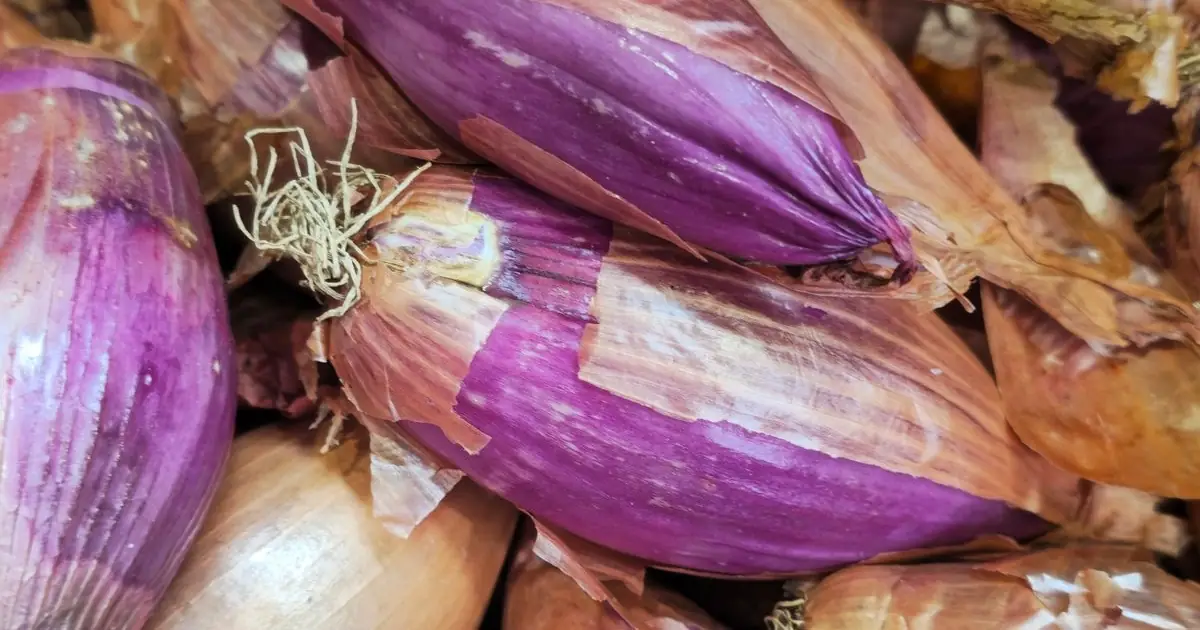
Garlic and shallots are closely related members of the Allium family, but they have quite different flavors, nutrient profiles, and bioactive compounds. Garlic has been studied much more extensively for potential health benefits, particularly blood pressure and cholesterol, while shallots provide flavonoids, sulfur compounds, and other plant compounds that may also support health. So, is garlic healthier than shallot? There is no simple winner. Both can be valuable additions to a varied diet, but they offer somewhat different nutritional and phytochemical profiles.
If you are deciding between garlic and shallot, the best choice depends on what you are looking for. Garlic has the stronger body of clinical research, while shallots are a useful source of plant compounds and have a milder flavor that works well in many dishes.
If you want to learn more about garlic, its nutrients, sulfur compounds, and the differences between fresh, cooked, and processed garlic, see our complete guide to Garlic: Nutrition, Health Benefits and Bioactive Compounds
Garlic vs Shallot: What’s the Difference?
Garlic and shallot belong to the same botanical family as onions, leeks, and chives. They share some chemical characteristics, including the presence of sulfur-containing compounds, but they are not interchangeable in every respect.
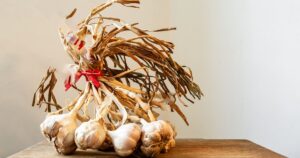
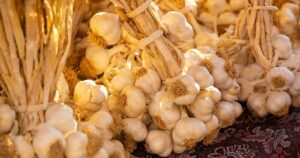
Garlic develops a bulb made up of individual cloves. Its flavor is usually much stronger, especially when eaten raw or freshly crushed. Shallots form smaller bulbs or clusters and have a flavor that is generally milder and slightly sweeter than onion or garlic.
There is also a difference in their bioactive compounds. Garlic is particularly well known for compounds formed when its cloves are crushed, including allicin and other organosulfur compounds. Shallots contain sulfur compounds too, along with flavonoids and phenolic compounds such as quercetin.
This difference is one reason garlic has attracted so much attention in nutritional and medical research.
Garlic vs Shallot Nutrition
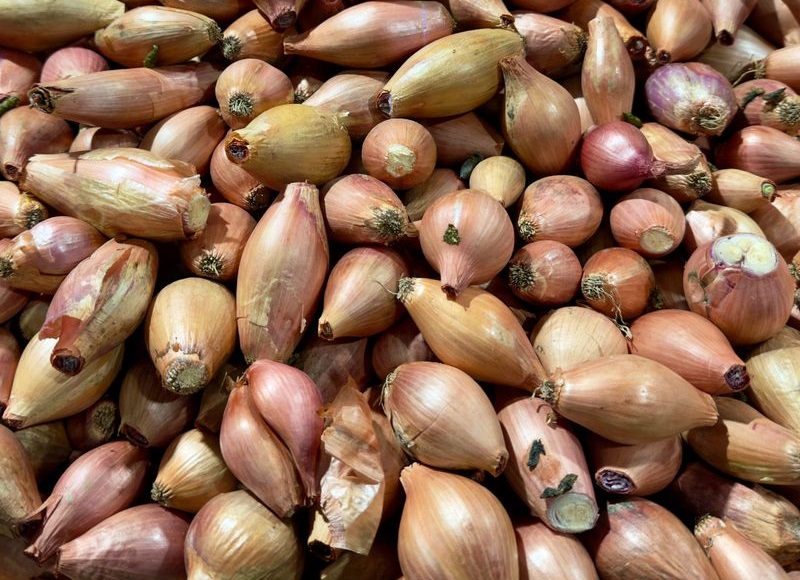
When comparing garlic and shallot nutrition, the first thing to remember is that both are normally eaten in relatively small amounts. They are not major sources of protein or calories in a typical meal.
Their value comes from a combination of vitamins, minerals, fiber, and naturally occurring plant compounds.
Garlic vs Shallot Nutrition Comparison
The following table gives a general comparison per 100 g of raw food. Exact values can vary depending on variety and growing conditions.
| Nutrient | Garlic | Shallot |
|---|---|---|
| Calories | ~149 kcal | ~72 kcal |
| Carbohydrates | ~33 g | ~17 g |
| Fiber | ~2.1 g | ~3.2 g |
| Protein | ~6.4 g | ~2.5 g |
| Vitamin C | ~31 mg | ~8 mg |
| Vitamin B6 | ~1.2 mg | ~0.3 mg |
| Folate | ~3 mcg | ~34 mcg |
| Potassium | ~401 mg | ~334 mg |
| Calcium | ~181 mg | ~37 mg |
| Magnesium | ~25 mg | ~21 mg |
| Manganese | ~1.7 mg | ~0.3 mg |
The numbers become less important when you consider how these foods are actually eaten. Nobody is likely to consume 100 grams of garlic with dinner, while a larger amount of shallot may be used in a sauce, salad, or cooked dish.
Garlic stands out for its vitamin B6, vitamin C, manganese, and several minerals. Shallots provide less of many of these nutrients per 100 g but contain a useful amount of fiber and folate.
Neither should be viewed simply as a vitamin or mineral supplement. Their bioactive plant compounds are a major reason both foods are interesting from a health perspective.
Garlic vs Shallot: Which Is Healthier?
If the question is whether garlic or shallot is healthier, the answer depends on what you mean by “healthier.”
Garlic has the stronger evidence for several specific health effects, particularly blood pressure and cholesterol. It has also been studied extensively for its sulfur compounds and potential effects on oxidative stress and inflammation.
Shallots are not nutritionally insignificant just because garlic has more research behind it. They contain flavonoids, phenolic compounds, sulfur compounds, and other substances with antioxidant activity.
The biggest difference is really the amount and type of research available.
Garlic has been the subject of numerous human clinical trials and systematic reviews. Research on shallots is considerably smaller and includes more laboratory and experimental studies.
So if the question is:
Which has more evidence for health benefits?
Garlic has the clear advantage.
If the question is:
Which is better to eat?
There is no reason to choose only one. Using both gives you a wider range of plant compounds and flavors.
Garlic Health Benefits
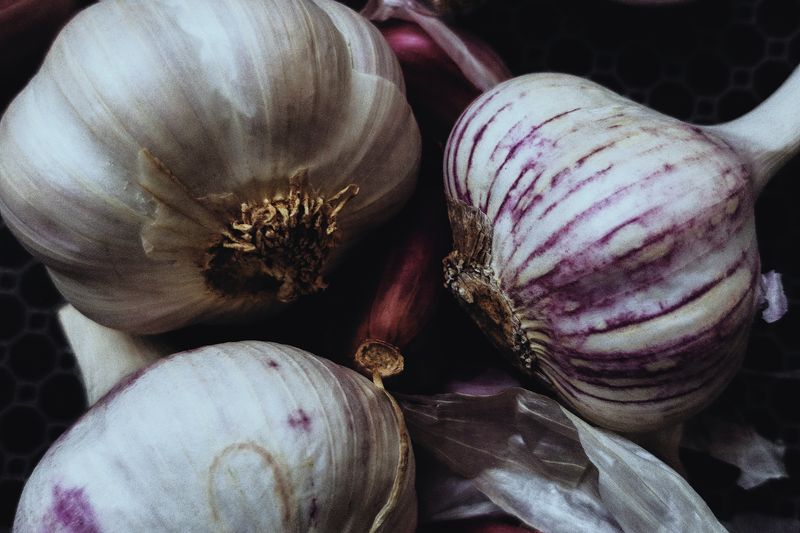
Garlic has been used as both food and traditional medicine for thousands of years. Modern research has focused particularly on its sulfur-containing compounds and their possible effects on cardiovascular and metabolic health.
Garlic and Heart Health
One of the most researched areas is garlic and cardiovascular health.
Clinical studies and meta-analyses have examined garlic preparations in relation to blood pressure, cholesterol, triglycerides, and other cardiovascular risk factors.
A large 2025 systematic review and meta-analysis of randomized controlled trials found that garlic supplementation was associated with modest improvements in several cardiovascular and metabolic markers, including blood pressure, total cholesterol, LDL cholesterol, triglycerides, and fasting blood glucose.
The effects are generally modest rather than dramatic, but the consistency of research makes garlic one of the more interesting foods in this area.
You can find more information on this topic in our guide: Garlic and Heart Health
Garlic and Blood Pressure
Garlic has particularly strong research behind its potential effect on blood pressure.
Several randomized controlled trials and meta-analyses have found that certain garlic preparations can produce a modest reduction in blood pressure, especially in people with hypertension.
The exact effect depends on the preparation, dose, and duration of use. Research often uses aged garlic extract or standardized supplements rather than ordinary garlic cloves.
That distinction matters. A supplement used in a clinical trial should not automatically be treated as equivalent to eating one clove of garlic.
Garlic can be part of a heart-healthy diet, but it should not replace prescribed blood-pressure medication.
You can read more about: How Much Garlic Per Day to Lower Blood Pressure Dosage &Timing
Garlic and Cholesterol
Garlic has also been studied for cholesterol.
Research suggests that some garlic preparations may modestly reduce total cholesterol and LDL cholesterol, with smaller or less consistent effects on other lipid measures.
This is another area where the evidence is stronger for concentrated preparations than for ordinary culinary amounts.
Still, adding garlic to meals is an easy way to increase the variety of plant foods in the diet.
Garlic and Antioxidant Compounds
Fresh garlic contains sulfur compounds that can change when the clove is cut, crushed, or heated.
Crushing garlic activates enzymes involved in the formation of allicin, a short-lived compound that contributes to the characteristic smell and biological activity of fresh crushed garlic.
Garlic also contains other sulfur compounds that continue to attract research because of their antioxidant and cellular effects.
This is one reason garlic is much more than simply a flavoring ingredient.
Read more about: Bioactive Compounds in Garlic: Allicin, Sulfur Compounds, and Their Effects
Garlic and Blood Sugar
Garlic has also been studied for its potential effects on glucose metabolism.
Clinical research suggests that some garlic preparations may modestly improve fasting blood glucose and other markers of metabolic health. The evidence is promising, but garlic should not be considered a treatment for diabetes.
Its more realistic role is as one small part of a dietary pattern that includes vegetables, legumes, whole grains, nuts, seeds, and other minimally processed foods.
You can read more in our topic: Can Garlic Lower Blood Sugar? (What Science Says + How to Use It)
Shallot Health Benefits
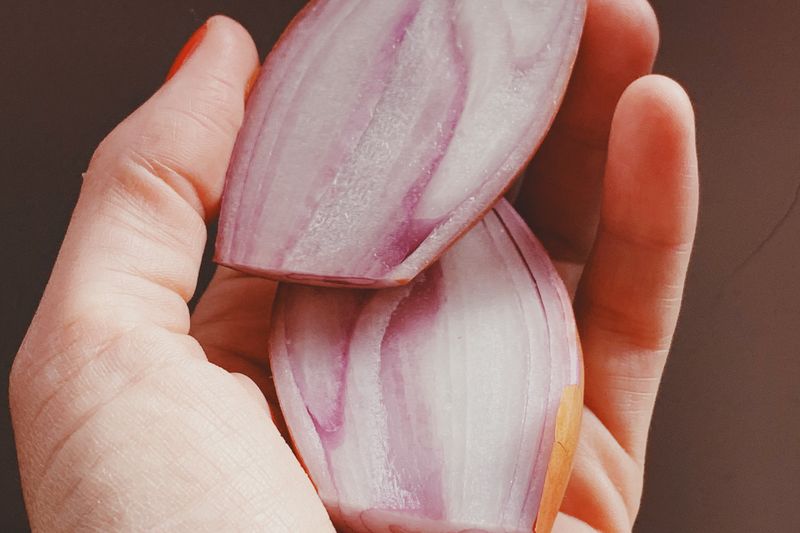
Shallots have received less clinical attention than garlic, but they contain several compounds that make them interesting from a nutritional perspective.
Their flavonoids and phenolic compounds contribute to antioxidant activity, while sulfur-containing compounds give them some similarities to garlic and onions.
Shallots and Antioxidants
Shallots contain flavonoids such as quercetin as well as other phenolic compounds.
These substances have antioxidant activity in laboratory studies and may help explain why Allium vegetables are frequently investigated for their potential protective effects.
But there is an important distinction between antioxidant activity measured in a laboratory and a proven health benefit in humans.
Research on shallots is still not extensive enough to make strong claims about disease prevention.
Shallots and Heart Health
The plant compounds found in shallots have attracted interest because oxidative stress and inflammation are involved in cardiovascular disease.
Some experimental research suggests that shallot extracts may influence antioxidant and cardiovascular-related pathways.
However, the human evidence is much more limited than it is for garlic.
If your main reason for eating an Allium vegetable is the cardiovascular research, garlic currently has the stronger evidence.
Shallots and Metabolic Health
Researchers have also investigated shallot extracts and their potential effects on glucose and lipid metabolism.
Some experimental studies are encouraging, but much of the evidence comes from laboratory or animal research rather than large human clinical trials.
For that reason, it is better to think of shallots as a nutritious vegetable containing potentially useful plant compounds rather than as a food with a proven therapeutic effect.
Garlic vs Shallot: Antioxidants and Bioactive Compounds
This is where the comparison becomes particularly interesting.
Garlic and shallot both contain sulfur compounds, but garlic is especially rich in compounds associated with its distinctive chemistry.
Garlic contains:
- allicin
- alliin
- other organosulfur compounds
- sulfur-containing metabolites
- flavonoids and phenolic compounds
Shallots contain:
- quercetin
- other flavonoids
- phenolic compounds
- sulfur-containing compounds
- other antioxidant compounds
The exact composition can vary considerably depending on variety, growing conditions, storage, and preparation.
Which has more antioxidants?
There is no simple answer.
Different studies use different methods to measure antioxidant activity, and laboratory antioxidant capacity does not necessarily predict what happens in the human body.
Rather than asking which vegetable “wins,” it makes more sense to recognize that garlic and shallot provide different mixtures of bioactive compounds.
Garlic has a particularly interesting sulfur profile, while shallots are notable for their flavonoids and phenolic compounds.
Garlic vs Shallot for Blood Pressure
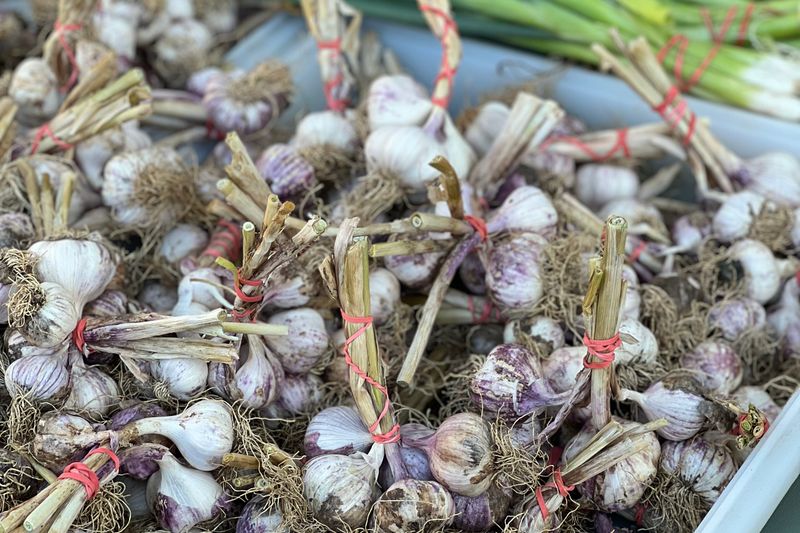
If blood pressure is your main concern, garlic has the stronger evidence.
Multiple clinical trials and systematic reviews have examined garlic preparations in people with elevated blood pressure. The results suggest that some preparations can produce modest reductions.
Research on shallots and blood pressure is much more limited.
That does not mean shallots are bad for cardiovascular health. It simply means that we cannot make the same evidence-based claim about shallots that we can make about certain garlic preparations.
For someone trying to support healthy blood pressure through diet, both can fit into a pattern rich in vegetables, fruits, legumes, whole grains, nuts, seeds, and other minimally processed foods.
Garlic vs Shallot for Cholesterol
Garlic also has the advantage when it comes to cholesterol research.
Studies of garlic preparations have reported modest reductions in total and LDL cholesterol in some groups.
There is far less human research on shallots specifically.
This makes garlic the more evidence-supported choice if you are comparing the two specifically for cholesterol. Even so, the effect of garlic is not large enough to replace medication when cholesterol treatment is medically necessary.
Shallot vs Onion: What’s the Difference?
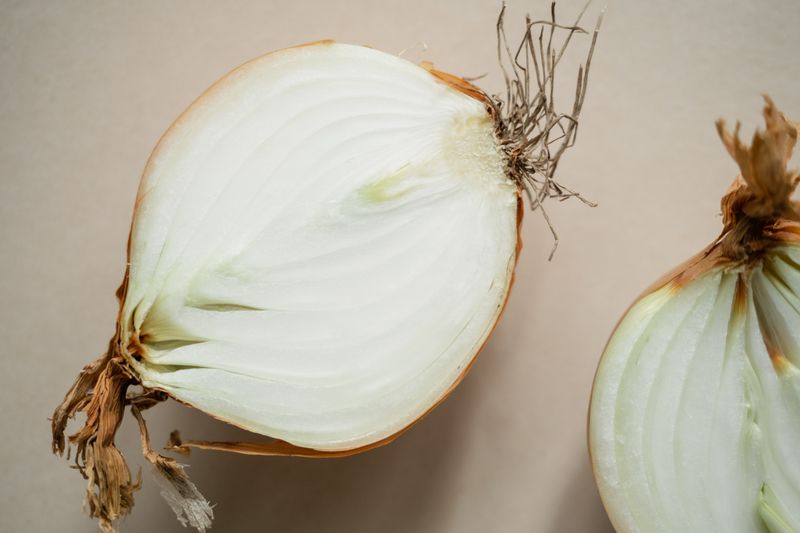
Shallots and onions are both members of the Allium family, but they differ in size, flavor, texture, and some of their plant compounds. Shallots are usually smaller, milder, and slightly sweeter, while regular onions tend to have a stronger, sharper flavor.
| Feature | Shallot | Onion |
|---|---|---|
| Size | Usually small | Usually larger |
| Flavor | Mild, slightly sweet | Stronger and sharper |
| Texture | Fine and delicate | More substantial |
| Raw use | Dressings, vinaigrettes, salads | Salads, sandwiches, salsas |
| Cooked use | Sauces, sautéing, roasting | Soups, stews, sauces, roasting |
| Plant family | Allium | Allium |
Both provide fiber, vitamin C, folate, potassium, sulfur compounds, and other phytochemicals. The main nutritional difference is less important than eating a variety of vegetables regularly.
Shallot vs Red Onion
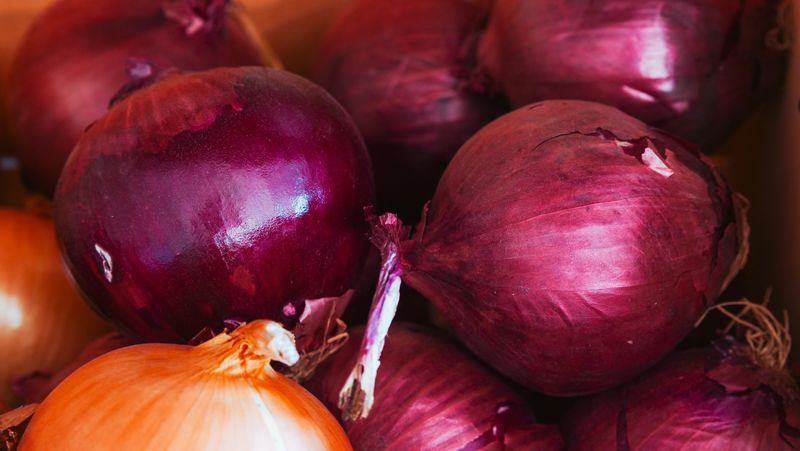
Shallots and red onions have different flavors and appearances, although both can be used raw or cooked.
Red onions are usually larger and have a stronger flavor. Their red-purple color comes from plant pigments called anthocyanins.
Shallots are generally smaller, milder, and slightly sweeter. They are particularly useful in sauces, vinaigrettes, dressings, and dishes where a strong onion flavor would be too much.
| Feature | Shallot | Red onion |
|---|---|---|
| Flavor | Mild and slightly sweet | Stronger and sharper |
| Color | Usually brown, gray, pink, or purple depending on variety | Red-purple |
| Size | Usually smaller | Usually larger |
| Raw use | Dressings, sauces, salads | Salads, sandwiches, salsas |
| Plant compounds | Flavonoids, sulfur compounds | Flavonoids, anthocyanins, sulfur compounds |
Both can be healthy additions to a varied diet, and there is no clear evidence that one is universally better.
Shallot vs Onion Nutrition
Shallots and onions are both relatively low-calorie vegetables with useful amounts of nutrients and plant compounds.
Shallots contain flavonoids and sulfur compounds, while onions are also well known for flavonoids such as quercetin. Their exact nutritional composition varies depending on the variety and growing conditions.
| Nutritional aspect | Shallots | Onions |
|---|---|---|
| Calories | Low | Low |
| Fiber | Provides fiber | Provides fiber |
| Vitamin C | Provides vitamin C | Provides vitamin C |
| Folate | Provides folate | Provides folate |
| Potassium | Provides potassium | Provides potassium |
| Flavonoids | Yes | Yes |
| Sulfur compounds | Yes | Yes |
There is no clear nutritional winner for everyday eating. Using both can give you a wider range of plant compounds.
Shallot vs Onion: Taste and Flavor
Flavor is one of the easiest ways to tell shallots and onions apart.
Shallots usually have a milder, sweeter taste with a delicate savory character. Raw shallots can also have a subtle garlic-like note.
Regular onions are generally sharper and more intense, especially when eaten raw. Cooking makes both sweeter and softer, although onions can develop a particularly deep flavor when cooked for a long time.
Choose shallots when you want a delicate onion flavor. Choose onions when you want a stronger, more noticeable flavor.
Shallot vs Green Onion
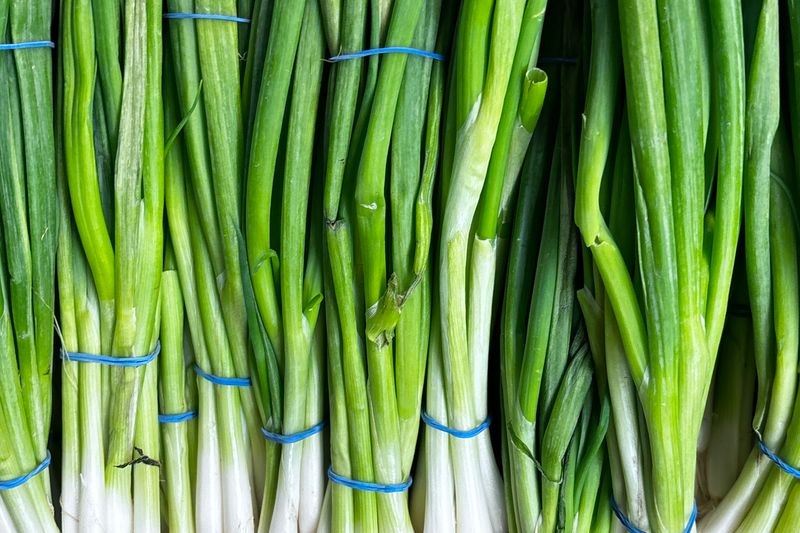
Shallots and green onions are quite different. Green onions, also called scallions, are harvested while the plant is young and have long green leaves with a small white bulb.
Shallots develop into mature bulbs and have a stronger, sweeter flavor than green onions.
| Feature | Shallot | Green onion |
|---|---|---|
| Appearance | Small mature bulb | Long green leaves with a small bulb |
| Flavor | Mild, sweet, savory | Fresh and mild |
| Texture | Firm bulb | Crisp and juicy |
| Best raw | Dressings, vinaigrettes | Garnishes, salads |
| Best cooked | Sauces, roasting, sautéing | Stir-fries, soups, finishing dishes |
If you want a fresh and light onion flavor, green onions are a good choice. For sauces, dressings, roasting, or sautéing, shallots are usually more suitable.
Shallot vs Onion vs Garlic
Garlic, shallots, and onions are closely related, but their flavors and sulfur compounds differ.
Garlic has the strongest and most distinctive flavor, particularly when raw. Shallots are milder and sweeter, while onions usually provide a stronger savory flavor without the intensity of raw garlic.
| Feature | Garlic | Shallot | Onion |
|---|---|---|---|
| Flavor | Strong, pungent | Mild, slightly sweet | Strong, savory |
| Main plant compounds | Sulfur compounds, including allicin | Sulfur compounds, flavonoids | Sulfur compounds, flavonoids |
| Raw intensity | High | Low–moderate | Moderate–high |
| Common use | Seasoning, sauces, marinades | Sauces, dressings, roasting | Soups, stews, sauces |
| Human research | Extensive | More limited | More limited |
Garlic has been studied much more extensively in human research, particularly for areas such as blood pressure and cholesterol. Shallots and onions also provide potentially beneficial plant compounds, but the clinical evidence is not as extensive.
For nutrition, there is no need to choose only one. Using garlic, shallots, onions, red onions, and green onions gives your diet a wider variety of flavors and plant compounds.
Garlic vs Shallot: Raw or Cooked?
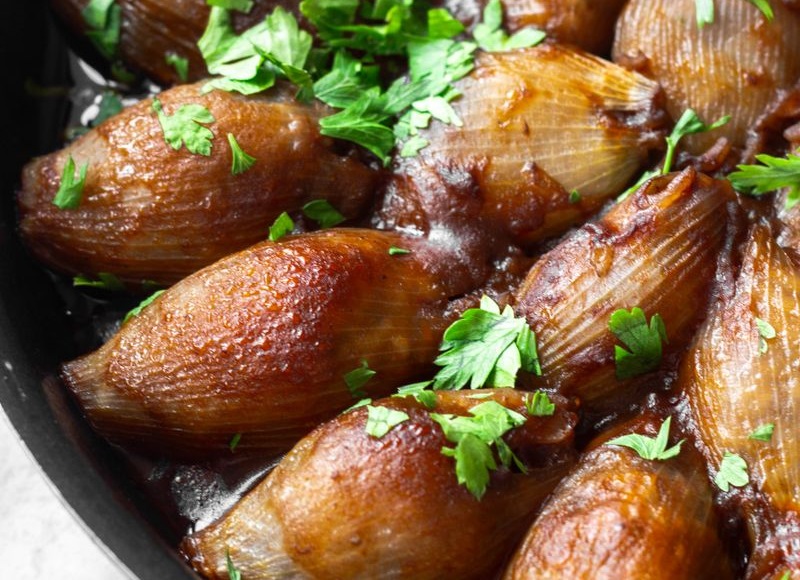
Preparation changes both the flavor and chemistry of Allium vegetables.
Raw garlic
Freshly crushed garlic is particularly interesting because crushing activates the enzymatic process that produces allicin.
Raw garlic also has a much stronger flavor and can cause heartburn, stomach irritation, or digestive discomfort in some people.
Cooked garlic
Cooking produces a milder, sweeter flavor and changes the profile of sulfur compounds.
That does not make cooked garlic nutritionally useless. It can actually make garlic much easier to include regularly in meals.
Raw shallot
Raw shallots are milder than raw garlic but still have a noticeable sharpness. They work well in salads, dressings, salsas, and vinaigrettes.
Cooked shallot
Cooking softens shallots and brings out their natural sweetness. They work particularly well in sauces, soups, roasted vegetables, and other dishes where a strong garlic flavor would be too intense.
Read more about Differences Between Raw and Cooked Garlic & Health Benefits
Can You Use Garlic and Shallots Together?
Yes. Garlic and shallots work very well together in cooking.
The combination gives you the stronger, more pungent flavor of garlic along with the sweeter and more delicate character of shallots.
You can use both in:
- soups
- sauces
- stir-fries
- roasted vegetables
- meat and fish dishes
- rice and grain dishes
- pasta sauces
- homemade dressings
There is currently not enough human research to say that eating garlic and shallots together creates a special health effect. Their combination makes sense from a culinary and nutritional perspective, but it should not be presented as a proven therapeutic formula.
Can You Substitute Shallots for Garlic?
Sometimes, but the result will taste different.
Shallots are much milder and sweeter than garlic, so they are not a perfect one-for-one substitute when garlic is an important part of a recipe.
Shallots work particularly well when you want a more delicate Allium flavor. Garlic is the better choice when you want strong pungency and a pronounced savory character.
You can also use both together. In many dishes, garlic provides the stronger base flavor while shallots add sweetness and depth.
Garlic vs Shallot: Which One Should You Choose?
There is no need to pick a permanent winner.
Choose garlic if you are particularly interested in:
- sulfur-containing compounds
- allicin
- cardiovascular research
- blood pressure
- cholesterol
- the strongest garlic flavor
Choose shallots if you want:
- a milder Allium flavor
- flavonoids such as quercetin
- a sweeter taste when cooked
- a versatile ingredient for delicate sauces and dressings
And if you enjoy both, there is no reason not to eat both.
The biggest advantage of including a variety of Allium vegetables is that they provide different combinations of nutrients and plant compounds.
Readers Also Enjoyed


Frequently Asked Questions
Is garlic healthier than shallot?
Garlic has more extensive human research behind several potential health effects, particularly blood pressure and cholesterol. Shallots also provide flavonoids, sulfur compounds, and other plant compounds. It is more accurate to say that garlic is better studied than to say that it is universally healthier.
What is the difference between garlic and shallots?
Garlic forms a bulb made up of individual cloves and has a strong, pungent flavor. Shallots form smaller bulbs or clusters and generally have a milder, sweeter flavor. Their nutrient and bioactive compound profiles also differ.
Which has more antioxidants, garlic or shallot?
There is no simple answer because antioxidant activity depends on the compounds measured and the method used to measure them. Garlic and shallots contain different antioxidant compounds, including sulfur compounds in garlic and flavonoids such as quercetin in shallots.
Which has more nutrients, garlic or shallot?
It depends on the nutrient. Garlic generally provides more vitamin C, vitamin B6, manganese, calcium, and protein per 100 g, while shallots provide more folate and slightly more fiber per 100 g. Because both are normally eaten in small amounts, their bioactive compounds are also important to consider.
Is garlic or shallot better for blood pressure?
Garlic has considerably more human clinical research supporting a possible modest blood-pressure-lowering effect. Shallots have interesting plant compounds but do not have the same level of clinical evidence.
Can you use shallots instead of garlic?
Yes, in some recipes, but the flavor will be milder and sweeter. Shallots are not a perfect substitute when a dish depends on the strong flavor of garlic.
Can you use garlic and shallots together?
Yes. They complement each other well in soups, sauces, roasted vegetables, stir-fries, meat, fish, and other dishes. There is not enough human research to claim that combining them produces a special health benefit, though.
Is a Shallot an Onion?
Yes. A shallot is a type of Allium bulb closely related to onions and is commonly classified as a member of the onion family. Shallots are generally smaller and have a milder, sweeter flavor than many common onions.
Is a Shallot the Same as an Onion?
No. Shallots and onions are closely related but are different types of Allium. Shallots are usually smaller, milder, and more delicate in flavor, while common onions tend to have a stronger and more pungent taste.
Is a Shallot an Onion or Garlic?
A shallot is more closely related to an onion than to garlic. Both shallots and onions belong to the Allium genus, as does garlic, but they are different plants with distinct flavors, appearances, and culinary uses.
Garlic: Comparison Articles and Interesting Pairings
We recommend reading the articles in which we compare garlic with other natural products in terms of nutritional value and health benefits:
- comparison of the Nutritional Value of Garlic and Onion
- differences between Raw and Cooked Garlic.
- Garlic and Ginger: 10 Benefits, Nutrition, Uses, and What Research Shows
- Garlic vs Garlic Chives Whats The Difference
- Garlic Powder vs Fresh Garlic Nutritional Differences
Summary
Garlic and shallot are both nutritious Allium vegetables, but they have different strengths.
Garlic has a much larger body of human research, especially regarding blood pressure, cholesterol, cardiovascular health, and its sulfur-containing compounds such as allicin. Shallots provide their own mix of flavonoids, phenolic compounds, sulfur compounds, fiber, and micronutrients, but research on their health effects is less developed.
So, is garlic healthier than shallot? Not necessarily in every respect. Garlic is better studied, while shallots offer a different nutritional and phytochemical profile.
For everyday eating, there is no need to choose one. Using both garlic and shallots gives you different flavors and a wider range of plant compounds, which is a good reason to keep both in your kitchen.
This article is for general nutrition information and does not replace medical advice or prescribed treatment.