Lemon balm and mint are related herbs, but they are not the same plant. Lemon balm (Melissa officinalis) has a mild lemon scent and is traditionally used in teas for relaxation and sleep, while mint (Mentha species), especially peppermint, has a stronger, cooling flavor and is commonly used for digestive complaints. They also differ in leaf appearance, taste, growing habits, and the scientific evidence behind their potential health benefits.
If you are choosing between lemon balm and mint, the best option depends on whether you want a calming herbal tea, a refreshing flavor, or a plant for your garden.
For a closer look at lemon balm’s nutrients, bioactive compounds, and traditional uses, see Lemon Balm (Melissa officinalis): Health Benefits, Uses, and Bioactive Compounds.
Lemon Balm vs Mint: What’s the Difference?
The biggest difference is their aroma and typical use. Lemon balm smells like lemon with a mild herbal note, while mint usually has a more pronounced minty scent. Peppermint is particularly noticeable because of its cooling menthol flavor.
Both belong to the mint family, Lamiaceae, but they belong to different botanical genera.
| Feature | Lemon Balm | Mint |
|---|---|---|
| Botanical name | Melissa officinalis | Mentha species |
| Plant family | Lamiaceae | Lamiaceae |
| Leaf appearance | Oval, wrinkled, toothed edges | Usually toothed, often more elongated, depending on species |
| Aroma | Fresh, lemon-like | Minty, sometimes strongly mentholated |
| Taste | Mild, citrusy, herbal | Refreshing, sweet, or peppery |
| Common tea use | Relaxation and winding down before bed | Refreshing drink and digestive comfort |
| Notable compounds | Rosmarinic acid, citral and other volatile compounds | Menthol in peppermint, along with other volatile compounds and polyphenols |
| Garden growth | Spreads by seed and can form clumps | Many types spread vigorously through underground or surface runners |
The word mint can refer to several different plants, including spearmint (Mentha spicata) and peppermint (Mentha × piperita). Their flavor and chemical composition are not identical, so the type of mint matters when comparing their uses.
Lemon Balm vs Mint Leaves: How to Identify Them
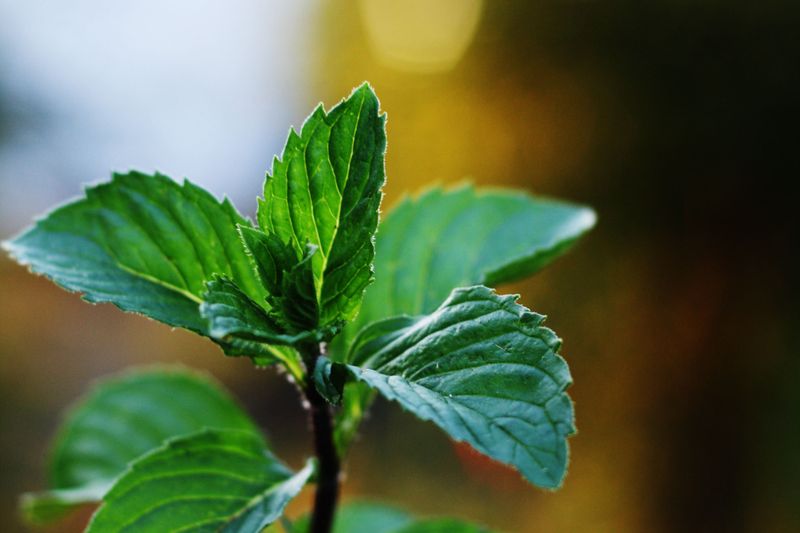
Lemon balm and mint leaves can look similar at first glance. Both have green, toothed leaves and grow on square stems, a common feature of plants in the mint family.
The easiest way to tell them apart is to look closely at the leaves and gently smell them.
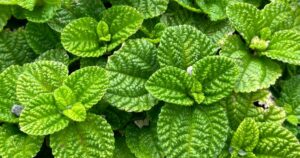
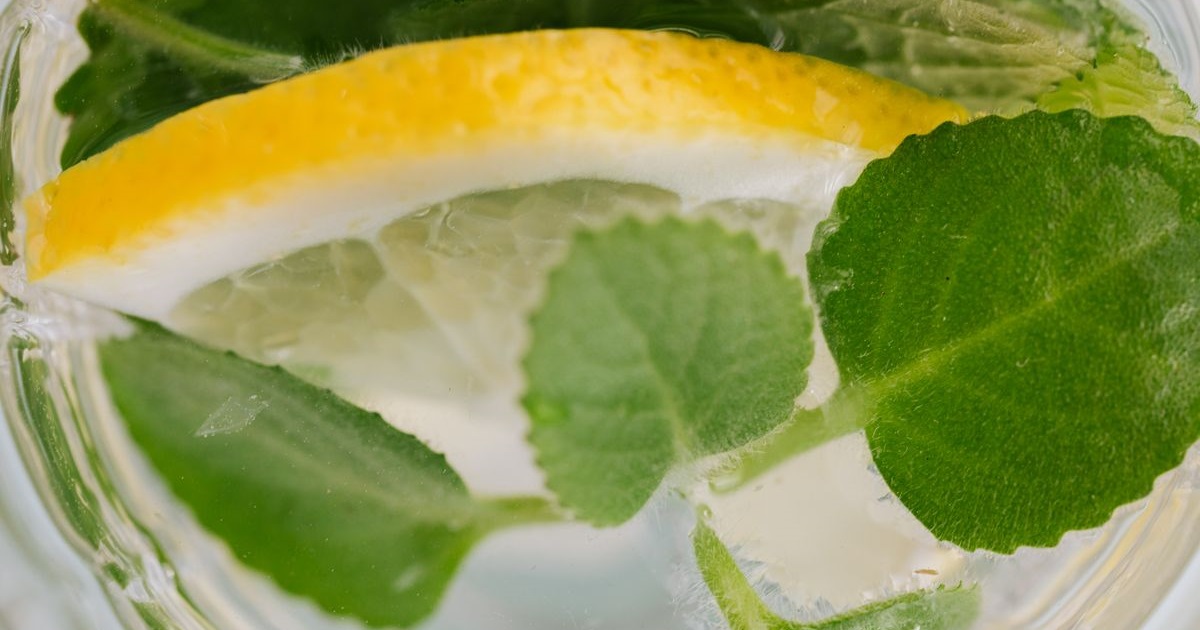
Lemon balm leaves are usually broad, oval, and noticeably wrinkled, with a soft, textured surface. Crush a leaf gently between your fingers and you will notice a fresh lemon-like scent.
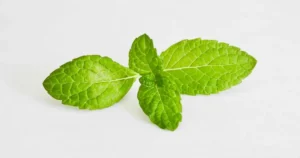
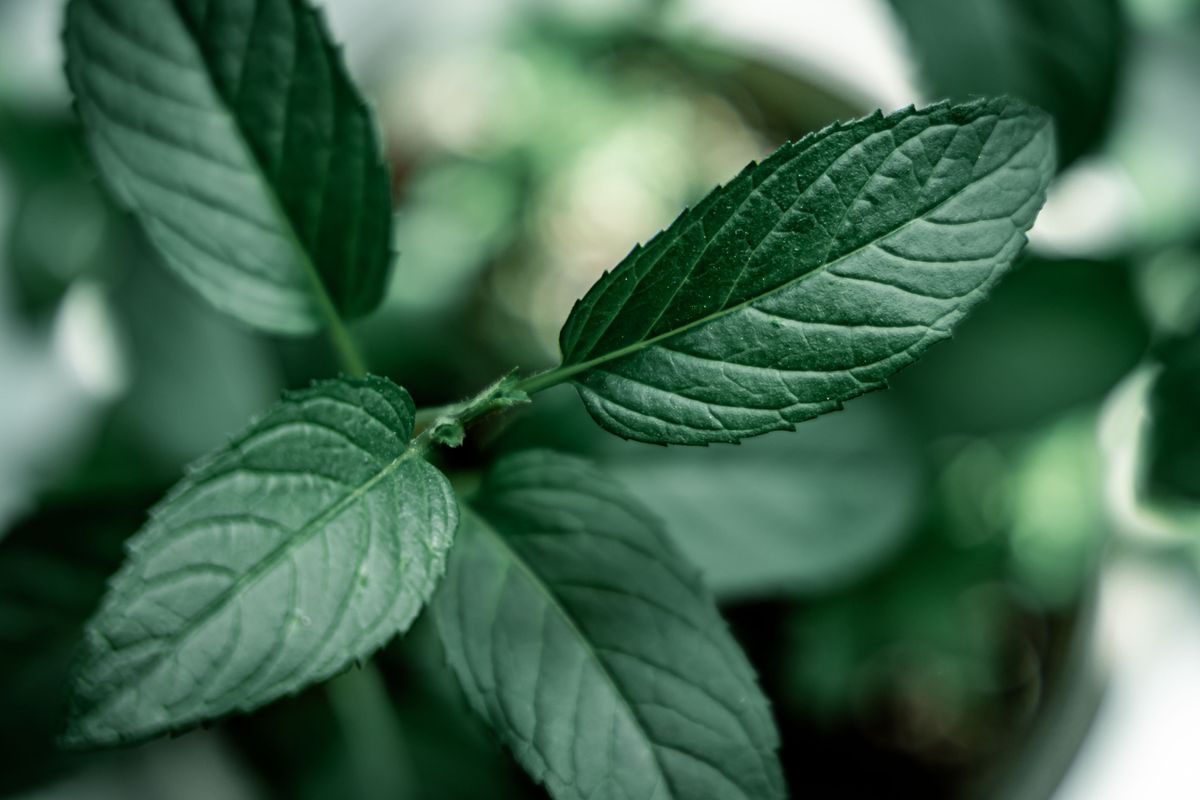
Mint leaves vary by species. Spearmint often has elongated, pointed leaves with a recognizable sweet mint aroma. Peppermint leaves are also toothed and aromatic, but their scent tends to be sharper and more cooling.
Here are a few practical clues:
- Shape: Lemon balm leaves are often broader and more rounded.
- Texture: Lemon balm commonly has a more puckered appearance.
- Smell: Lemon balm smells citrusy; mint smells distinctly minty.
- Growth: Mint often spreads quickly through runners, although growth habits vary among species.
Smell is usually the quickest clue, but it should not be the only way to identify an unfamiliar plant. If you are collecting herbs outdoors, confirm the plant’s identity before eating it.
Lemon Balm vs Peppermint: What’s the Difference?
Peppermint is one particular type of mint, not a synonym for all mint plants. It is a hybrid of spearmint and watermint and is known for its strong, cooling aroma.
Lemon balm has a different chemical profile. Its characteristic lemon scent comes partly from volatile compounds such as citral and citronellal, while rosmarinic acid is one of its best-known polyphenols.
Peppermint contains menthol, which creates its familiar cooling sensation. The amounts of menthol and other aromatic compounds vary with the plant material and preparation.
Their everyday uses reflect these differences. Lemon balm is traditionally used in calming herbal preparations, while peppermint is widely used in products intended to ease certain digestive symptoms.
Neither herb is automatically better than the other. Lemon balm may be more appealing if you prefer a mild, lemony tea, whereas peppermint may suit you if you enjoy a strong, refreshing flavor.
Lemon Balm vs Mint: Health Benefits
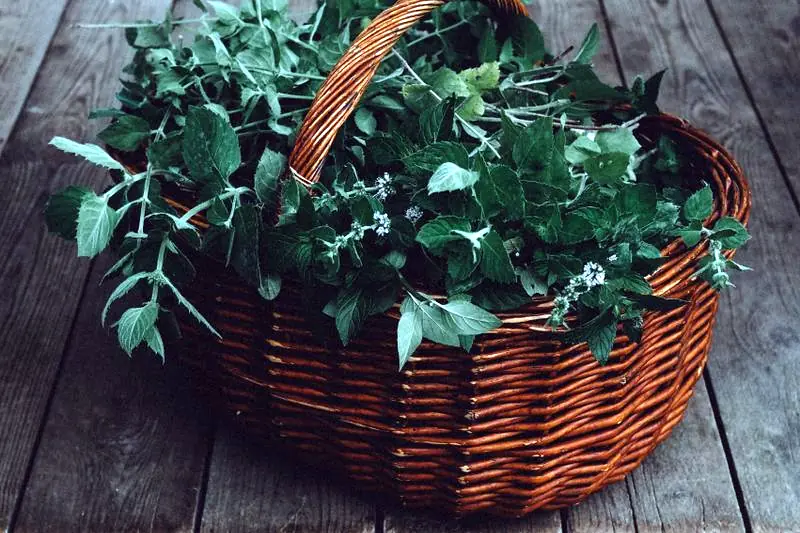
Both lemon balm and mint contain naturally occurring plant compounds that have attracted scientific interest. However, the amount of research and the strength of the evidence differ depending on the plant, preparation, and health outcome.
It is also important to distinguish studies of concentrated extracts or essential oils from studies of ordinary herbal tea. Their chemical composition and exposure levels can be quite different.
Lemon Balm Benefits
Lemon balm has a long history of traditional use for mild stress, sleep support, and digestive discomfort.
The European Medicines Agency recognizes its traditional use for relieving mild symptoms of stress, aiding sleep, and easing mild digestive complaints such as bloating and flatulence. These uses are based mainly on long-standing experience rather than strong clinical proof.
Research has also investigated lemon balm extracts for anxiety and mood. A systematic review and meta-analysis published in 2021 reported improvements in anxiety and depressive symptom scores in clinical trials, although the studies varied in their design and preparations.
Lemon balm contains several bioactive compounds, including rosmarinic acid, flavonoids, and volatile substances. Laboratory research has explored their antioxidant and anti-inflammatory properties, but these findings do not establish that drinking lemon balm tea prevents or treats chronic disease.
For most everyday users, lemon balm is best viewed as a traditional herbal option that may help with relaxation, rather than a proven treatment for anxiety or insomnia.
Mint Benefits
Mint also has a long history of use in food and herbal preparations. Its potential benefits depend on which species you use.
Peppermint has received particular attention for digestive symptoms. Research on peppermint oil, especially enteric-coated capsules, suggests that it may help relieve abdominal pain and other symptoms in some people with irritable bowel syndrome (IBS).
That evidence does not mean that peppermint tea has the same effects. Tea contains a different concentration and mixture of compounds, and its benefits have not been established to the same extent as those of some standardized peppermint oil products.
Peppermint’s menthol content contributes to its cooling sensation and characteristic aroma. Mint species also contain polyphenols and other plant compounds studied for antioxidant activity.
Peppermint may aggravate heartburn or reflux in some people, so it is not always the best choice for digestive discomfort.
Which Herb Is Better for Health?
There is no single winner in the lemon balm vs mint comparison.
| Your main interest | Herb worth considering | What to know |
|---|---|---|
| Relaxation before bed | Lemon balm | Traditionally used for mild stress and sleep support |
| A lemony, mild herbal tea | Lemon balm | Has a gentle citrus-like aroma |
| Strong, refreshing flavor | Peppermint | Contains menthol, which gives a cooling sensation |
| Certain IBS symptoms | Peppermint oil preparations | Evidence applies mainly to studied oil products, not necessarily tea |
| Mild digestive discomfort | Either may be used traditionally | Effects depend on the symptom and preparation |
Neither herb should replace medical care when symptoms are persistent, severe, or unexplained. The evidence for herbal products is also not interchangeable: a result obtained with a concentrated extract cannot automatically be applied to fresh leaves or a homemade infusion.
Lemon Balm and Mint Tea: Benefits and Differences
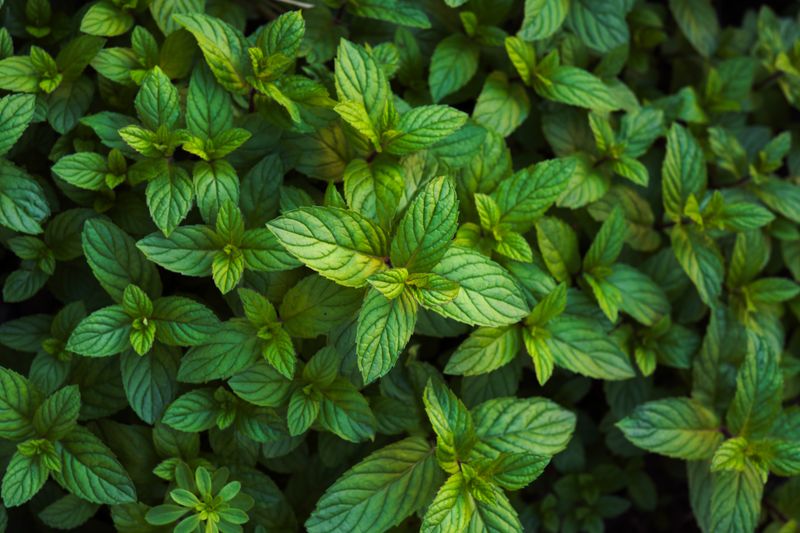
Lemon balm tea and mint tea are both easy to prepare at home, but they offer different flavors and are traditionally used for different purposes.
Lemon balm tea has a light, citrusy, slightly herbal taste. Many people drink it in the evening because the herb is traditionally associated with relaxation and sleep support.
Mint tea is usually more refreshing. Depending on the species, it may taste sweet and mild or have a stronger menthol-like finish. Peppermint tea is also commonly consumed after meals.
Can You Mix Lemon Balm and Mint in Tea?
Yes. Lemon balm and mint can be combined in the same herbal infusion. Their flavors complement each other: lemon balm contributes a gentle citrus note, while mint adds freshness.
For a simple blend:
- Add fresh or dried lemon balm and mint leaves to a cup or teapot.
- Pour hot water over the leaves.
- Cover and steep for about 5–10 minutes.
- Strain and taste before adding anything else.
Adjust the proportions to suit your preference. More lemon balm creates a softer, lemony flavor, while more peppermint gives the tea a stronger, cooler finish.
There is no established evidence that combining the two herbs produces greater health benefits than using either one alone. Treat the blend as a pleasant herbal drink, not a proven therapeutic combination.
If you take medication regularly, have a medical condition, or plan to use concentrated herbal products, ask a healthcare professional about possible interactions and suitability.
Lemon Balm vs Mint: Taste and Aroma
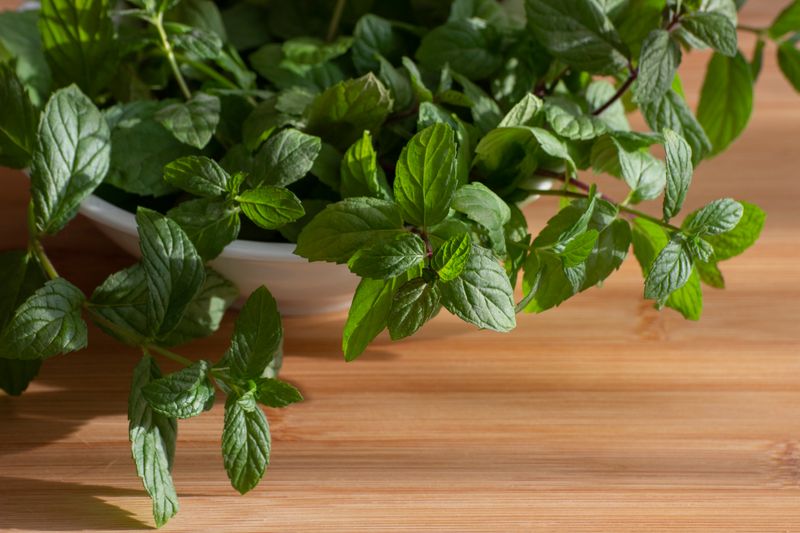
Taste is one of the easiest ways to distinguish these herbs.
Lemon balm has a mild lemon-like aroma and a soft herbal flavor. It is generally less intense than mint, making it a good choice for people who prefer a gentle tea or want to add a subtle citrus note to food.
Mint is more varied. Spearmint tends to taste sweeter and less sharply cooling than peppermint. Peppermint has a pronounced menthol character that can leave a cool sensation in the mouth.
The leaves can be used in similar ways, including herbal teas, salads, fruit drinks, and fresh garnishes. However, they do not taste identical, so substituting one for the other may noticeably change a recipe.
For a calming evening drink, you may prefer lemon balm. For a more refreshing infusion, mint may be the better fit.
Fresh or Dried Lemon Balm and Mint: Which Is Better?
Both fresh and dried leaves can be used to make herbal tea. Fresh leaves often provide a brighter aroma, while dried herbs are convenient to store and use throughout the year. Drying can change the amount of volatile aromatic compounds retained in the leaves, so flavor intensity may differ.
For more detail on preparation and storage, read Fresh vs Dried Lemon Balm.
Whichever form you choose, store dried herbs in an airtight container away from heat, light, and moisture to help preserve their aroma.
Can Lemon Balm and Mint Be Planted Together?
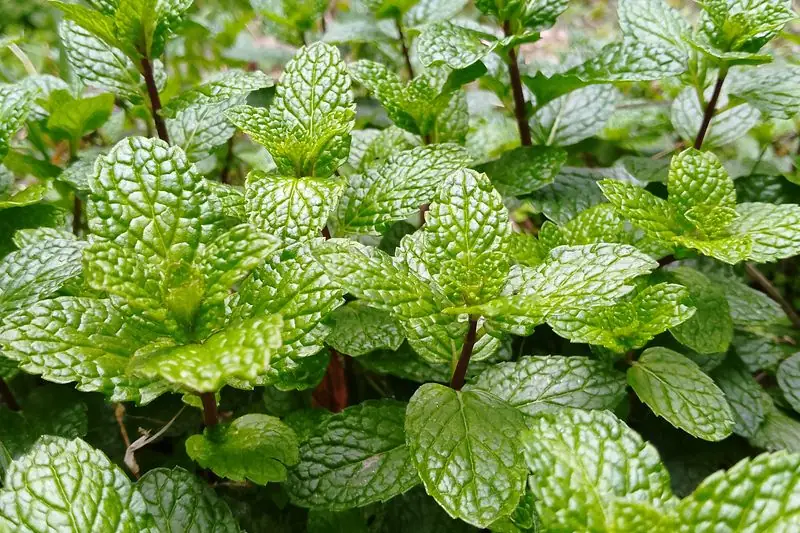
Yes, lemon balm and mint can grow in the same garden, provided they have enough space and their growth is managed.
The main issue is mint’s tendency to spread. Many mint varieties produce runners that allow them to occupy nearby space quickly. Lemon balm can also spread, including through self-seeding, but it often forms a more manageable clump.
Growing the plants in separate pots is a practical solution. It allows you to control their growth, keep the roots apart, and harvest each herb without disturbing the other.
Both generally grow well in reasonably fertile, well-drained soil. Lemon balm tolerates partial shade, while many mint varieties also grow well in partly shaded locations. Watering needs depend on the climate, soil, and growing conditions.
If you want to grow both for tea, label the pots clearly. Their leaves can look similar, especially before you become familiar with their aromas.
You may also be interested in our articles which includes a comparisons of:
- Lemon Balm and Chamomile For Sleep, Benefits and Recipe.
- Combination of Lemon Balm and Valerian Root For Sleep.
- Lemon Balm and Lemon Verbena For Sleep, Differences, and How to Use Them Together.
- Lemon Balm vs Lemongrass: Differences in Aroma, Health Benefits and Wchich is Better for You?
Readers Also Enjoyed
Frequently Asked Questions
Is Lemon Balm Mint?
No. Lemon balm (Melissa officinalis) is a separate plant from mint species in the genus Mentha. Both belong to the same botanical family, Lamiaceae, which explains why they share some physical characteristics.
Are Lemon Balm and Mint Related?
Yes. Lemon balm and mint are members of the Lamiaceae, also known as the mint family. Other familiar plants in this family include rosemary, thyme, basil, and oregano. Being related does not mean they have identical flavors, chemical compositions, or health effects.
Are Lemon Balm and Mint the Same Plant?
No. Lemon balm and mint are different plants with distinct botanical names. Lemon balm has a characteristic lemon-like scent, while mint varieties generally have a minty aroma that can range from mild to strongly mentholated.
Is Lemon Balm Tea Better Than Mint Tea for Sleep?
Lemon balm is traditionally used to support relaxation and sleep, so it may be the more suitable choice if that is your main goal. However, evidence for lemon balm tea specifically remains limited, and there is no strong evidence that it is universally better than mint tea for sleep.
Can You Mix Lemon Balm and Mint in Tea?
Yes. The leaves can be steeped together in hot water to create a citrusy, refreshing herbal tea. You can adjust the ratio according to your preferred flavor. There is not enough clinical evidence to conclude that the combination provides additional health benefits.
Can Lemon Balm and Mint Grow Together?
Yes. They can grow in the same garden, but both need enough room. Mint can spread aggressively, so separate pots are often the easiest way to keep the plants under control.
Summary
Lemon balm and mint are closely related herbs, but their differences matter when choosing one for tea, cooking, or the garden. Lemon balm stands out for its lemony aroma and traditional use for relaxation and sleep support. Mint, particularly peppermint, offers a stronger cooling flavor and has been studied for certain digestive symptoms.
Both can be useful additions to an everyday herbal routine. The best choice depends on your taste, intended use, and the form of the herb you plan to consume. Remember that research on concentrated extracts does not necessarily tell us what to expect from a cup of homemade tea.
Sources
- European Medicines Agency (EMA). Melissae folium – herbal medicinal product. Traditional uses and evidence assessment for lemon balm leaf.
- Shakeri, A., et al. (2016). Melissa officinalis L. – A review of its traditional uses, phytochemistry and pharmacology. Journal of Ethnopharmacology.
- The effects of lemon balm (Melissa officinalis L.) on depression and anxiety in clinical trials: A systematic review and meta-analysis. Phytotherapy Research (2021).
- Khanna, R., et al. (2014). A systematic review of the effectiveness of peppermint oil in the treatment of irritable bowel syndrome. Clinical evidence concerning peppermint oil and IBS symptoms.
- National Center for Complementary and Integrative Health (NCCIH). Peppermint Oil. Overview of research, uses, and safety considerations.