Garlic may help fight parasites in humans — including pinworms (Enterobius vermicularis), roundworms (Ascaris lumbricoides), Giardia (Giardia intestinalis) and even some tapeworms. While it is not a replacement for medical treatment, research and traditional use suggest it can reduce parasite load, limit symptoms, and support the body’s natural defenses.
This is part of our complete guide to garlic. For a full overview, see Garlic: Nutrition, Health Benefits and Bioactive Compounds.
How Garlic Works Against Parasites (Mechanism Explained)
Garlic stands out because of its multi-directional action against intestinal parasites.
Its effectiveness comes mainly from sulfur-containing compounds such as:
- allicin
- ajoene
- diallyl sulfides
What do these compounds do?
After crushing raw garlic, allicin is formed — a compound with strong biological activity.
It can:
- disrupt parasite cell membranes
- damage structural integrity
- interfere with nutrient absorption
- lead to parasite cell death (lysis)
Learn more about: Garlic and Bioactive Compounds in our article.
Effects observed in research
Studies (in vitro and in vivo) suggest garlic may:
- inhibit parasite growth
- disrupt life cycles
- reduce ability to attach to intestinal walls
- limit reproduction
Garlic has shown activity against organisms such as:
- Giardia lamblia
- Entamoeba histolytica
Immune system support
Garlic also works indirectly:
- stimulates macrophages
- increases phagocytosis
- enhances cytokine production
This helps the body eliminate parasites more effectively.
Gut environment and microbiota
Garlic may also:
- modify gut microbiota
- reduce conditions favorable for parasites
- increase mucus production
This creates a less hospitable environment for parasites to survive.
Garlic and Specific Parasites – What We Know
Pinworms (Enterobius vermicularis)
Garlic appears to act in two ways:
- damages parasite egg structure, limiting development
- alters intestinal protein composition, making it harder for adult worms to attach
Giardia (Giardia intestinalis)
Active garlic compounds:
- disrupt cellular metabolism
- interfere with energy production
- lead to rapid protozoa death
Roundworms (Ascaris lumbricoides)
Some observations suggest:
- reduced symptoms (abdominal pain, digestive issues)
- interference with parasite life cycle
- reduced larval migration in the small intestine
Whipworm (Trichuris trichiura) and Tapeworms
While evidence is more limited:
Garlic’s antimicrobial and digestive effects may:
- weaken parasites
- support their removal
How to Use Garlic for Parasites (Prevention & Support)
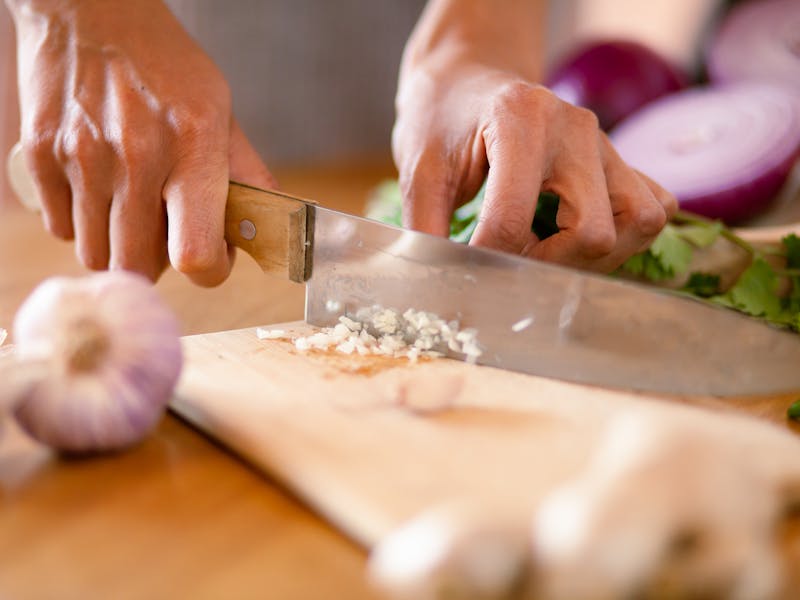
Raw garlic (most potent)
- crush and leave for a few minutes
- activates allicin
- consume 1–2 cloves daily (often on empty stomach)
Learn more about the differences in nutritional values between Raw and Cooked Garlic.
For sensitive digestion
If raw garlic causes discomfort:
- capsules
- garlic oil
- alcohol extracts
Reduce irritation while preserving benefits
Aged garlic extract
- gentler on the stomach
- minimal odor
- still provides bioactive compounds
You can read more about Aged Garlic Extract in our guide.
Garlic with milk (traditional method)
- lightly warm milk
- add crushed garlic
- let it infuse
- drink warm
Improves tolerability and absorption
Combine with other natural agents
Synergistic effects may occur when combining garlic with:
- cloves
- ginger
May enhance antiparasitic activity and reduce reinfection risk
Daily diet inclusion
Adding garlic regularly to meals may:
- reduce parasite transmission
- support gut defense
What Else Helps Fight Parasites? (Diet Support)
Garlic works best as part of a broader dietary strategy.
Foods that may support antiparasitic effects:
- Pineapple
Contains bromelain, which may help break down parasites like tapeworms. - Papaya seeds
Traditionally used for their strong antiparasitic properties. - Coconut (flesh and oil)
May help against Giardia and other parasites. - Apples
Sometimes used in cleansing diets supporting gut function. - Pumpkin seeds
Traditionally used on an empty stomach; may help expel parasites. - Probiotics (fermented foods)
Support gut bacteria, which play a role in parasite defense.
Garlic vs Antiparasitic Drugs – What Works Better?
Garlic vs medication – what do studies suggest?
Garlic is not as fast or complete as pharmaceutical treatments like:
- mebendazole
- albendazole
- praziquantel
- metronidazole
However, garlic has advantages:
- multi-target action
- supports immune system
- improves gut environment
- lower risk of side effects
Garlic works best as a supportive therapy, for prevention, and as recovery support after treatment. It can help strengthen the body and support overall health. However, in severe infections, medical treatment is necessary.
Can Garlic Replace Antiparasitic Medication?
No.
Garlic can support the body during treatment, help prevent parasitic infections, or slow their development. Thanks to compounds such as allicin, it creates an unfavorable environment for parasites in the digestive tract. However, it cannot replace pharmacological treatment (if recommended), which should be preceded by a proper medical diagnosis.
Garlic Side Effects and Safety Warnings

Despite its benefits, garlic is not risk-free.
Possible side effects:
- heartburn
- stomach pain
- nausea
- bloating
- diarrhea
You can read more about side effect of garlic, and Who Should Not Eat Garlic.
Important interactions
Consult a doctor if you are taking:
- antiparasitic drugs (e.g. mebendazole, albendazole)
- blood thinners (e.g. warfarin, aspirin)
What Research Says (garlic & parasites)
One study on garlic extract and protozoa showed:
- reduced viability of Giardia lamblia
- disruption of parasite metabolism
The study involved exposing parasites to garlic compounds in controlled conditions, showing significant reduction in survival.
Does Garlic Really Kill Parasites?
Garlic does not act like a pharmaceutical drug, but:
It can:
- weaken parasites
- reduce their numbers
- support elimination
Don’t forget to read more about garlic:
FAQ – Garlic and Parasites
Can garlic kill parasites in humans?
It may help reduce parasite load and support the body, but it is not a standalone cure.
Does garlic work for pinworms?
Does garlic work for pinworms?
Is garlic effective against Giardia?
Some studies suggest it disrupts protozoa metabolism and reduces survival.
How much garlic should I take?
Typically 1–2 cloves daily, depending on tolerance.
Can I use garlic instead of medication?
No. It can support treatment but should not replace it.
Conclusion: Garlic and Parasites
Garlic is a unique natural compound with broad biological activity. Its ability to act directly on parasites, support the immune system, and influence gut health makes it a valuable addition to strategies aimed at managing intestinal parasites.
However, it works best as a supportive and preventive tool, not a replacement for medical therapy. When used correctly and consistently, garlic may help reduce symptoms, improve gut balance, and support the body’s natural defense mechanisms.
Sources
- Ankri, S., Mirelman, D. (1999). Antimicrobial properties of allicin
- National Institutes of Health (NIH) – Garlic and antimicrobial activity
- Amagase, H. (2006). Garlic and health effects
- World Journal of Gastroenterology – Parasites and natural compounds
- U.S. National Library of Medicine – Garlic research
- Journal of Ethnopharmacology – Garlic and parasitic infections