Garlic does not directly stop hot flashes, but it may help support the body during menopause by improving circulation, reducing inflammation, and supporting overall balance. While it won’t eliminate symptoms on its own, garlic can be a useful addition to a broader approach to managing menopause symptoms.
What Happens During Menopause?
Menopause is caused by a natural decline in estrogen levels, which affects multiple systems in the body. This hormonal shift can lead to symptoms such as:
- hot flashes
- night sweats
- mood changes
- sleep disturbances
- increased cardiovascular risk
Because these symptoms are linked to hormonal changes, many people look for natural ways to support the body, including dietary changes like adding garlic.
This article is included in our complete guide to garlic. See our main article: Garlic: Nutrition, Health Benefits and Bioactive Compounds.
Does Garlic Help with Menopause Symptoms?
Garlic may help with some menopause symptoms indirectly, but it is not a targeted treatment.
It does not replace estrogen or act like hormone therapy. However, it may support the body in ways that make symptoms easier to manage.
Garlic may help by:
- supporting circulation
- reducing inflammation
- improving metabolic health
These effects can make a difference, especially when symptoms are linked to overall health rather than a single cause.
Can Garlic Help with Hot Flashes?
There is no strong scientific evidence that garlic directly reduces hot flashes. However, some of its effects may still be relevant.
Hot flashes are linked to:
- changes in blood vessel dilation
- temperature regulation issues
- hormonal fluctuations
Garlic has been studied for its ability to support blood vessel function and circulation. Better circulation may help the body regulate temperature more efficiently, which could reduce the intensity of hot flashes in some people.
Still, garlic should not be seen as a direct remedy for hot flashes.
Garlic for Hot Flashes: What to Expect

If you include garlic in your diet, results are likely to be gradual and subtle.
You may notice:
- improved overall well-being
- better digestion or circulation
- small improvements in how your body responds to temperature changes
However:
- it will not stop hot flashes completely
- results vary from person to person
- it works best as part of a broader lifestyle approach
How Garlic May Support the Body During Menopause
Garlic works indirectly by supporting systems that are affected during menopause.
Circulation and vascular health
Garlic is known for its role in supporting cardiovascular health. This is especially important during menopause, when lower estrogen levels can affect blood vessel function.
Better circulation may:
- help regulate body temperature
- reduce the intensity of flushing episodes
Anti-inflammatory effects
Inflammation can increase during menopause and affect overall well-being. Garlic contains compounds that may help reduce inflammation and support balance.
Metabolic support
Menopause often affects metabolism, including cholesterol and blood sugar levels. Garlic may help support these processes, which are closely linked to hormonal health.
Does Garlic Affect Estrogen During Menopause?
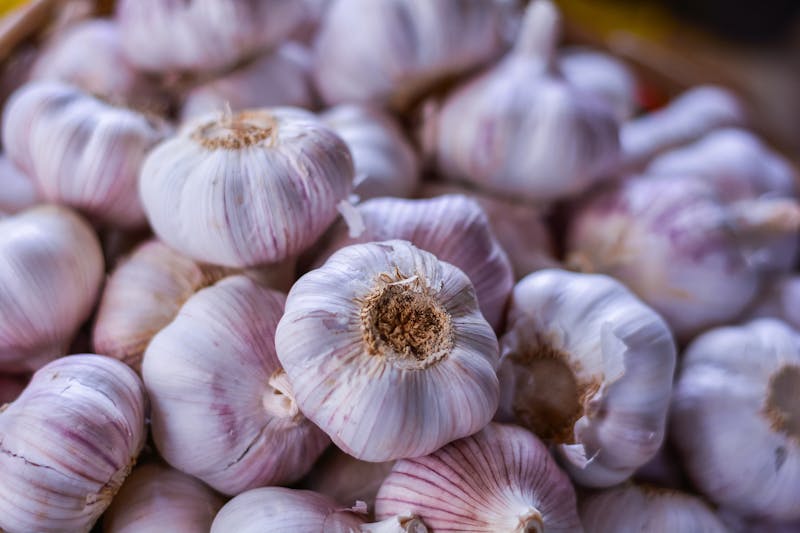
Garlic does not increase estrogen levels during menopause. It does not act like a hormone or replace estrogen in the body.
However, it may help regulate how hormones are processed by supporting liver function and reducing inflammation.
This means garlic may support hormonal balance, even though it does not directly raise estrogen levels.
What Science Says About Garlic and Menopause
Research specifically linking garlic to menopause symptom relief is limited, but there are some useful findings.
Studies on postmenopausal women suggest that garlic supplementation may improve cardiovascular markers, such as cholesterol levels. This is important because menopause and low estrogen are associated with increased cardiovascular risk.
Other research points to garlic’s antioxidant and anti-inflammatory properties, which may help reduce oxidative stress—a factor that increases after menopause and can affect overall health.
However:
- there is no strong evidence that garlic reduces hot flashes directly
- most studies focus on general health rather than specific symptoms
- results vary depending on dosage and population
Overall, garlic may support the body during menopause, but it is not a direct treatment for symptoms like hot flashes.
Is Garlic Good for Hormonal Balance?
Garlic does not increase estrogen, but it may help the body maintain balance.
It supports:
- liver function (important for hormone metabolism)
- inflammation control
- metabolic processes
These systems play a role in how the body adapts to lower estrogen levels.
Benefits of Garlic for Women in Menopause
Garlic may offer several benefits during menopause:
- supports cardiovascular health
- may help lower blood pressure
- helps manage cholesterol levels
- reduces inflammation
- provides antioxidant protection
These effects are especially relevant after estrogen levels decline.
Risks and Side Effects
Garlic is generally safe in normal amounts, but there are some considerations.
Medication interactions
Garlic may affect blood clotting. People taking blood thinners should consult a healthcare provider before increasing intake.
Digestive issues
Large amounts of garlic, especially raw, may cause:
- bloating
- stomach discomfort
- heartburn
Overuse
High doses are not necessary and may lead to side effects without additional benefits.
How to Use Garlic for Menopause Support
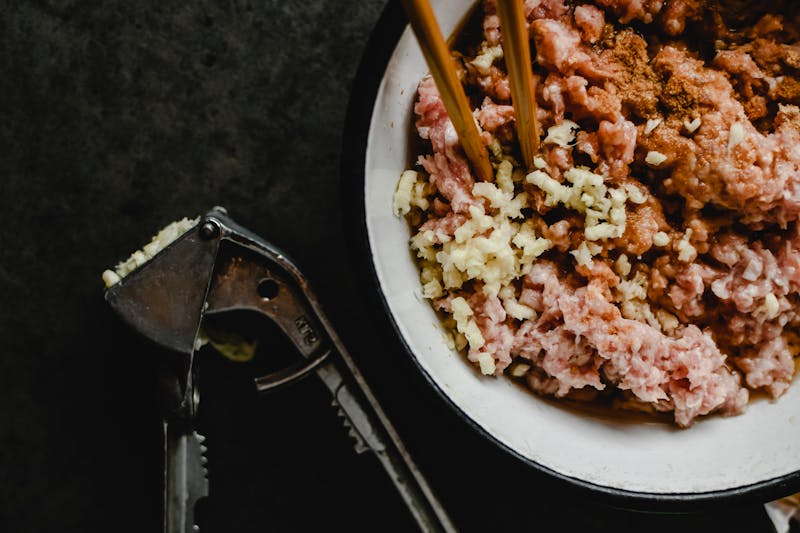
Garlic works best as part of a consistent diet rather than a short-term solution.
Raw vs. cooked garlic
- raw garlic contains more active compounds
- cooked garlic is easier to tolerate
How much garlic per day?
- 1–2 cloves per day is a practical amount
Garlic supplements
Supplements are available, but whole garlic is usually the better starting point.
Natural Ways to Manage Hot Flashes (Beyond Garlic)
Garlic alone is unlikely to solve hot flashes, so it’s best combined with other strategies:
- regular physical activity
- reducing caffeine and alcohol
- managing stress
- staying hydrated
- maintaining a balanced diet
This combined approach is more effective than relying on a single food.
Quick Summary
| Question | Answer |
|---|---|
| Does garlic stop hot flashes? | No |
| Can it help indirectly? | Possibly |
| Does it affect estrogen? | No (directly) |
| Is it safe during menopause? | Yes |
Learn More About Garlic:
FAQ ( Frequently Asked Questions )
Can garlic reduce night sweats?
There is no strong evidence, but improved circulation and overall health may help indirectly.
Does garlic help with menopause symptoms?
It may support the body and make symptoms easier to manage, but it is not a direct treatment.
How much garlic should you take for menopause?
About 1–2 cloves per day is a common and safe amount.
Does garlic increase estrogen during menopause?
No. Garlic does not increase estrogen levels.
How long does it take to see results?
Garlic works gradually as part of long-term dietary habits.
Final Thoughts
Garlic is not a direct solution for menopause symptoms like hot flashes, but it can still play a supportive role. Its benefits come from improving overall health—especially circulation, metabolism, and inflammation control—which become increasingly important during menopause.
If you’re looking for natural ways to manage menopause symptoms, garlic can be part of the plan. Just don’t expect it to work on its own—it’s most effective when combined with other healthy lifestyle changes.
Sources
- National Institutes of Health
- National Center for Biotechnology Information
- Cleveland Clinic
- Harvard T.H. Chan School of Public Health