
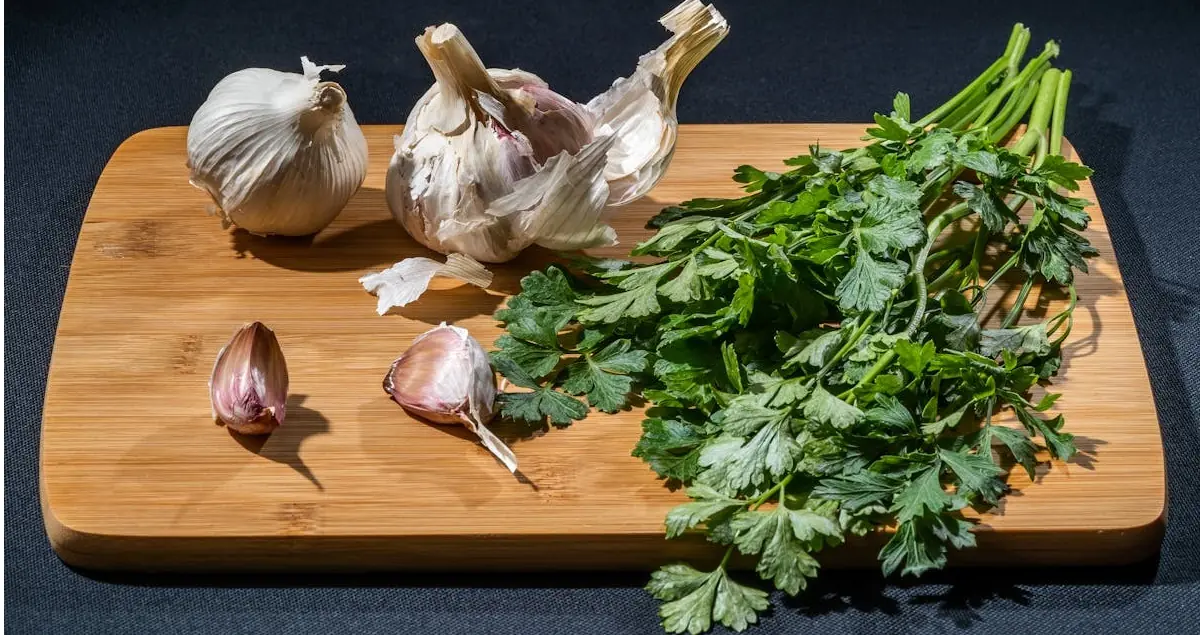
Raw garlic contains higher levels of allicin, while cooked garlic is easier to digest and still provides beneficial compounds. Both forms have unique advantages, depending on how garlic is prepared and consumed.
One of the most common questions is whether raw or cooked garlic is “better.” The answer is not entirely straightforward. Raw garlic is often associated with higher levels of certain active compounds, while cooked garlic offers its own advantages, including improved digestibility and milder taste.
Understanding the differences between raw and cooked garlic can help you use it more effectively in your diet. This article compares their nutritional value, bioactive compounds, and potential effects on the body, based on current scientific knowledge.
This article is part of our complete guide to garlic. For a full overview, see Garlic: Nutrition, Health Benefits and Bioactive Compounds.
Nutritional Value: Raw vs Cooked Garlic
Macronutrients
From a macronutrient perspective, raw and cooked garlic are quite similar.
| Nutrient (per 100 g) | Raw Garlic | Cooked Garlic |
|---|---|---|
| Calories | ~149 kcal | ~130–140 kcal |
| Carbohydrates | ~33 g | ~30 g |
| Protein | ~6.4 g | ~5.5–6 g |
| Fat | ~0.5 g | ~0.3–0.5 g |
| Fiber | ~2.1 g | ~2 g |
Cooking may slightly reduce carbohydrate and protein content due to heat and water loss, but these differences are relatively small.
Vitamins: What Changes During Cooking?
Some vitamins in garlic are sensitive to heat, while others remain relatively stable.
Vitamin Comparison
| Vitamin | Raw Garlic | Cooked Garlic | Stability |
|---|---|---|---|
| Vitamin C | High | Reduced | Heat-sensitive |
| Vitamin B6 | Moderate | Slightly reduced | Partially stable |
| B vitamins (B1, B2, B3) | Present | Slightly reduced | Moderately stable |
Key Insight
- Vitamin C is the most affected by cooking, as it is heat-sensitive
- Vitamin B6 remains relatively stable, meaning cooked garlic still contributes to nutrient intake
Minerals: Largely Stable During Cooking
Minerals are generally resistant to heat.
Mineral Comparison
| Mineral | Raw Garlic | Cooked Garlic |
|---|---|---|
| Manganese | High | Stable |
| Selenium | Moderate | Stable |
| Calcium | Moderate | Stable |
| Potassium | Moderate | Mostly stable |
| Iron | Present | Stable |
What This Means
Even after cooking, garlic remains a good source of essential minerals that support:
- Normal metabolism
- Cellular protection
- Fluid balance
How Cooking Methods Affect Garlic
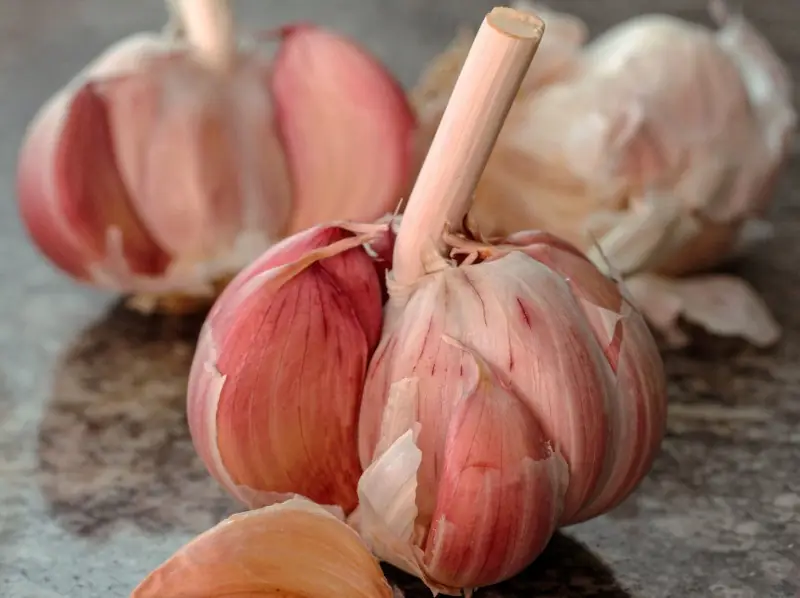
Cooking changes garlic’s compounds, flavor, and texture. The effect depends on the cooking method, temperature, and cooking time.
Boiling: Prolonged boiling can reduce some heat-sensitive and water-soluble compounds. Garlic may also lose some compounds into the cooking water.
Frying: High heat can cause greater changes in garlic’s sulfur compounds, especially when garlic is fried for a long time or at high temperatures.
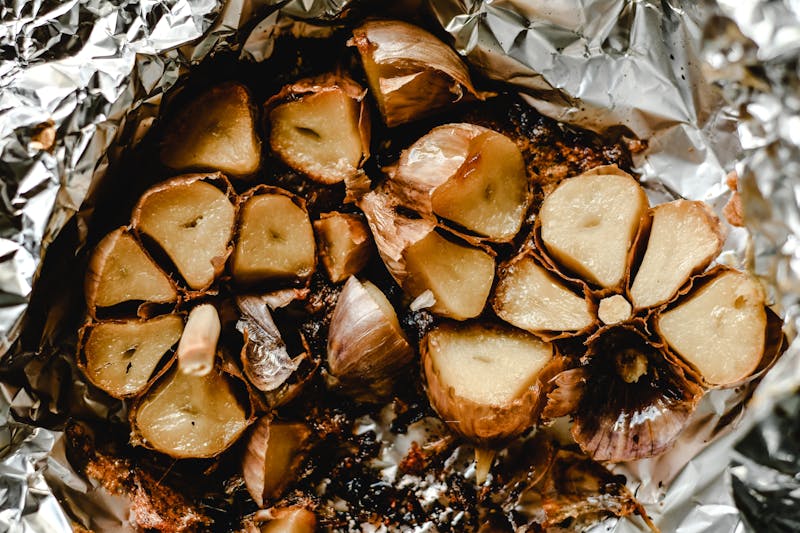
Roasting: Roasting softens garlic and gives it a sweeter, milder flavor. Some heat-sensitive compounds are reduced, but roasted garlic still provides nutrients and other beneficial plant compounds.
Raw: Raw garlic allows the enzyme alliinase to act when the cloves are crushed or chopped, leading to the formation of allicin. Heat can reduce this enzyme’s activity.
For this reason, raw garlic generally preserves more of the conditions needed for allicin formation, while cooked garlic may be easier to tolerate and is still a nutritious food.
Bioactive Compounds: The Difference
The most important difference between raw and cooked garlic lies in its bioactive compounds, especially sulfur-containing substances.
You may be interested in another articles from our comparison series:
- Comparison of the Nutritional Values of Garlic and Onion.
- Comparison of the Garlic vs Garlic Chives: What’s the Difference?
- Comparison of the Garlic Powder vs Fresh Garlic: Nutrition, Allicin, and Health Differences
- Comparison of the Garlic and Ginger: 10 Benefits, Nutrition, Uses, and What Research Shows
- Comparison of the Black Garlic vs Regular Garlic: Taste, Nutrition
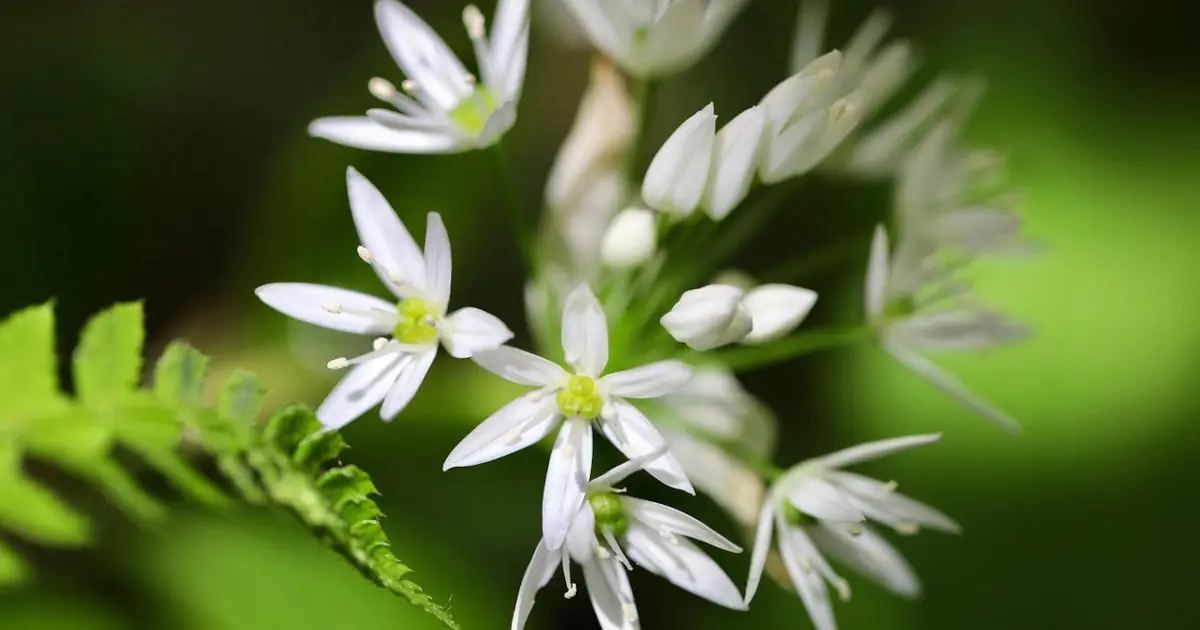
- Comparison of the Wild Garlic vs Wild Onion: How to Tell Them Apart
Allicin: Present Only in Raw or Minimally Processed Garlic
Allicin is formed when garlic is:
- chopped
- crushed
- or chewed
However, it is:
- heat-sensitive
- quickly reduced during cooking
This means raw garlic typically contains more active allicin.
Allicin is a natural antibiotic. You can read more about: Garlic As a Natural Antibiotic, What Science Says
What Happens During Cooking?
When garlic is exposed to heat:
- Allicin decreases
- Other sulfur compounds form, such as:
- Diallyl sulfides
- S-allyl cysteine
These compounds are more stable and still biologically active.
Health Implications of Cooking Garlic
1. Anti-Inflammatory Effects
Even though allicin levels decrease, cooked garlic still contains compounds that may support normal inflammatory balance.
This means that:
- Raw garlic → stronger immediate bioactivity
- Cooked garlic → milder but still beneficial over time
2. Cardiovascular Support
Cooked garlic may still contribute to:
- Supporting normal blood pressure
- Maintaining healthy cholesterol levels
- Supporting circulation
These effects are linked to stable sulfur compounds and antioxidants that remain after cooking.
Learn more about this topic in our article: Garlic and Heart Health, What Science Says
3. Digestive Comfort
One important advantage of cooked garlic is that it is:
- much gentler on the digestive system
- less likely to cause irritation
Because of this, people with:
- sensitive stomachs
- gastric irritation
- or conditions such as stomach or duodenal ulcers
may tolerate cooked garlic better than raw garlic.
Don’t forget to read: Who Should Not Eat Garlic. Our article explains this in detail.
Taste and Practical Use
Raw Garlic
- Strong, sharp flavor
- Intense aroma
- Used in small amounts
Cooked Garlic
- Milder, slightly sweet taste
- Softer texture
- Easier to include in larger quantities
Because of its milder flavor, you can typically eat more cooked garlic, which may compensate for the lower concentration of some compounds.
Cooking Methods Matter
The way garlic is prepared has a major impact on both taste and nutritional quality.
Best Practices
- Crush or chop garlic and let it sit for 5–10 minutes before cooking
- Add garlic toward the end of cooking
- Use low to moderate heat
Avoid High-Heat Frying
Cooking garlic at very high temperatures (especially frying) can:
- Destroy beneficial compounds
- Create a bitter taste
- Reduce overall quality
Recommended Methods
- Light sautéing on low heat
- Simmering in sauces
- Stewing
- Roasting at moderate temperature
These methods help preserve flavor and some beneficial compounds.
Read more in our article about: How to Eat Garlic For Maximum Health Benefits
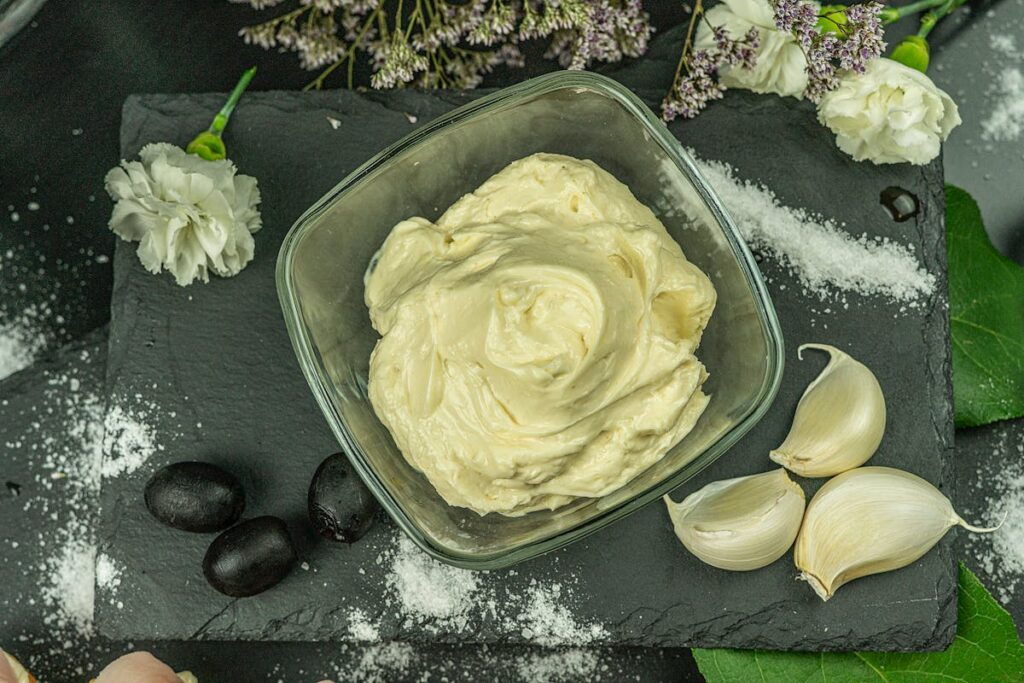
Raw vs Cooked Garlic: Which Is Better?
There is no single “best” option — both forms have advantages.
Raw Garlic – Key Benefits
- Higher allicin content
- More active enzymes
- Stronger bioactive potential
- Can fight parasites such as pinworms
- higher antifungal effect
Cooked Garlic – Key Benefits
- Easier to digest
- Milder taste → can be eaten in larger amounts
- Still contains stable beneficial compounds
- Gentler for people with sensitive stomachs
- Gentler for babies and toddlers
You can read about another form of consuming garlic in our article: Aged Garlic Extract Benefits and Why is Better Than Raw
Useful Products
- Simple Garlic press — See on Amazon (paid link)
- Stainless Steel Garlic Press Rocker Set – Premium Garlic Mincer Garlic Crusher – See on Amazon (paid link)
- Stainless Steel Grater For garlic, Lemon, Parmesan, and Vegetables – See on Amazon (paid link)
Practical Recommendation
For most people, the best approach is to include both raw and cooked garlic in the diet:
- Raw garlic → for maximum bioactive compounds
- Cooked garlic → for regular, comfortable consumption
This balanced approach supports both nutritional intake and practicality.
Raw garlic offers plenty of health benefits, but it often comes with a lingering, unpleasant breath that not everyone appreciates. Instead of giving it up, check out our guide: How to Get Rid of Garlic Breath Fast
You may also like:
FAQ – Raw vs Cooked Garlic
Is raw garlic healthier than cooked garlic?
Does cooking garlic destroy its nutrients?
Can I eat garlic if I have a sensitive stomach?
Why does garlic taste bitter when fried?
High heat can break down compounds in garlic, leading to a bitter flavor. Cooking on lower heat helps prevent this.
Can I eat more cooked garlic than raw?
How should I cook garlic to preserve nutrients?
Chop or crush garlic, let it sit for a few minutes, and cook it gently or add it at the end of cooking.
Does Frying Garlic Destroy Nutrients?
Frying garlic at high temperatures can reduce some heat-sensitive compounds, particularly when the garlic is exposed to heat for a long time. Shorter cooking times and moderate heat can help limit these changes.
Is Roasted Garlic as Healthy as Raw Garlic?
Roasted garlic is still a nutritious food, but it is not chemically identical to raw garlic. Roasting reduces the activity of the enzyme involved in allicin formation, while also changing the flavor and other compounds in the garlic. Raw garlic has an advantage for allicin formation, but roasted garlic can be a milder and easier-to-eat option.
Does Boiling Garlic Destroy Nutrients?
Boiling can reduce some heat-sensitive and water-soluble compounds in garlic, especially with prolonged cooking. However, boiled garlic still contains nutrients and other plant compounds, so it is not nutritionally worthless.
Is It Better to Eat Garlic Raw or Cooked?
Raw garlic has an advantage when it comes to allicin formation because crushing or chopping raw garlic activates the enzyme needed to produce allicin. However, cooked garlic is still nutritious and may be easier to digest. The better choice depends on your tolerance and how you prefer to eat it.
Conclusion
Raw and cooked garlic differ mainly in their content of bioactive compounds, particularly allicin. While raw garlic offers higher levels of certain active substances, cooked garlic remains nutritionally valuable and is often easier to include in everyday meals.
Importantly, cooked garlic retains many minerals and stable compounds that may support overall health, while also being gentler on digestion and more versatile in cooking.
Including both forms in your diet is a practical and balanced way to benefit from garlic’s unique nutritional profile.
Before you continue, it’s a good idea to understand the basics: Garlic: Nutrition and Health Benefits
Sources
- U.S. Department of Agriculture (USDA) – FoodData Central
- National Institutes of Health (NIH)
- Amagase, H. (2006). Clarifying the real bioactive constituents of garlic. Journal of Nutrition
- Iciek, M. et al. (2009). Biological properties of garlic compounds. Environmental and Molecular Mutagenesis
- Lawson, L.D. (1998). Garlic: a review of its medicinal effects. Phytomedicine
- Mayo Clinic – Nutrition and food preparation guidelines

Pingback: How Long Does Garlic Stay in Your System? (Breath, Body & Timeline)
Pingback: Garlic vs Garlic Chives: What’s the Difference?