
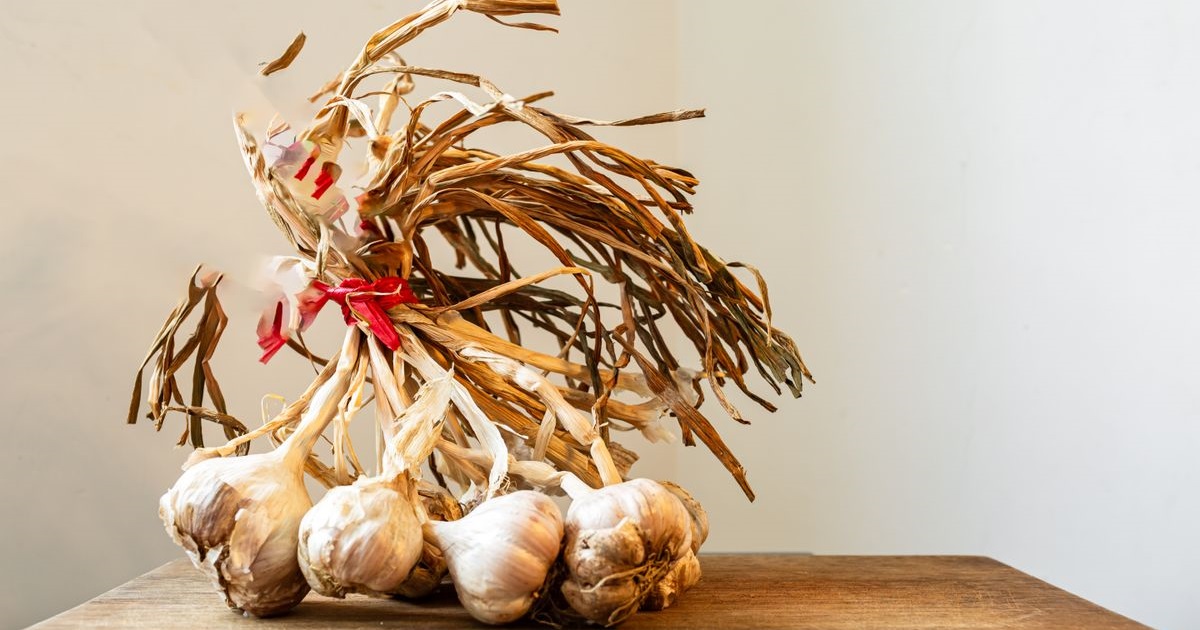
While garlic is generally safe for most people, some individuals should limit or avoid it due to potential side effects or interactions. This includes people with digestive issues, those taking blood-thinning medications, and individuals preparing for surgery.
In certain cases, garlic may cause irritation, increase bleeding risk, or worsen existing conditions.
Some people may experience side effects, while others should limit or avoid garlic due to specific health conditions or medications. In particular, consuming large amounts of raw garlic — especially on an empty stomach — can lead to unwanted digestive issues.
This article explains who should be cautious with garlic, why certain risks exist, and how to consume it more safely.
This article is part of our comprehensive guide to garlic. For a complete overview, check out Garlic: Nutrition, Health Benefits and Bioactive Compounds.
Garlic Side Effects and Warnings You Should Know
Before going into specific cases, it’s important to understand that garlic:
- contains strong sulfur compounds
- may affect blood pressure and circulation
- can irritate the digestive tract
- may interact with certain medications
These effects are usually mild, but in some cases they can become significant.
1. People With Low Blood Pressure

Garlic may contribute to lowering blood pressure.
While this can be beneficial for some, it may be problematic for people who already have:
- naturally low blood pressure
- symptoms like dizziness or fatigue
Excess garlic intake could potentially worsen these symptoms.
People with low blood pressure should especially avoid consuming garlic at night. During the day, it may be consumed, but under supervision. In the case of fainting caused by excessively low blood pressure, garlic should be excluded from the diet.
On the other hand, for people with high blood pressure, consuming garlic can be extremely beneficial. First, it helps lower blood pressure; second, it reduces blood viscosity. You can read more about its positive effects on heart health in our research-based article: Garlic and Heart Health
2. People Taking Blood-Thinning Medications
Garlic has natural blood-thinning (antiplatelet) properties.
This becomes important if someone is taking:
- anticoagulants
- blood-thinning medications
Why it matters
Combining garlic with such medications may:
- increase the risk of bleeding
- prolong bleeding time
This is especially important before surgery or dental procedures.
3. People Who Frequently Use Paracetamol
Paracetamol (acetaminophen) is processed by the liver.
Garlic — especially in large amounts — may:
- also affect liver metabolism
- increase the overall metabolic load on the liver
While moderate intake is generally safe, frequent high doses of both may not be ideal.
It is worth remembering that combinations of compounds that burden the liver should be avoided. A similar liver-stressing effect is caused by alcohol, and combining it with paracetamol is strictly prohibited, as it may lead to liver damage. The above recommendations should be kept in mind by everyone—even those with a healthy liver.
4. People With Sensitive Stomach or Digestive Issues

Garlic, particularly raw garlic, can be irritating to the digestive system.
Possible symptoms include:
- stomach pain
- bloating
- gas
- heartburn
- nausea
These effects are more likely when garlic is eaten in large amounts.
It’s better to consume garlic several times in smaller amounts than to eat a large amount at once.
5. People With Stomach Ulcers or Gastritis

Raw garlic can irritate the lining of the stomach.
For individuals with:
- gastric ulcers
- duodenal ulcers
- gastritis
raw garlic may worsen symptoms.
Important note
This does not necessarily mean avoiding garlic completely.
Better options:
- cooked garlic
- aged garlic extract
These forms are generally milder and easier to tolerate.
You should know that cooked garlic does not lose all of its health benefits. You can read more about this in our guide:raw vs cooked garlic
6. People Who Eat Garlic on an Empty Stomach

Eating garlic on an empty stomach is a common habit, but it may cause problems.
Many people report:
- stomach pain
- irritation
- digestive discomfort
In some cases:
overeating raw garlic on an empty stomach has been associated with:
- prolonged digestive discomfort
- impaired digestion lasting days or even weeks
- persistent bloating and belching
These are not typical effects, but they do occur in sensitive individuals.
There are known cases where consuming a few cloves on an empty stomach has caused severe stomach pain and serious digestive problems lasting up to two weeks. Not everyone can take garlic on an empty stomach.
7. People Prone to Acid Reflux (GERD)
Garlic may:
- relax the lower esophageal sphincter
- increase the likelihood of acid reflux
Symptoms may include:
- burning sensation
- regurgitation
- discomfort after meals
Acid reflux is often not caused solely by individual predispositions. A common contributing factor is an acid-forming diet. Eating vegetables and fruits has an alkalizing effect, and in such cases, consuming garlic does not have to be a problem.
Nevertheless, garlic is healthy, and if there is no need to avoid it, it should be included in the diet. If you’re interested in additional information about the bioactive compounds in garlic, read our article.
8. People With Garlic Intolerance or Sensitivity
Some individuals may have:
- mild intolerance
- sensitivity to garlic compounds
- allergy to garlic
Symptoms may include:
- digestive discomfort
- headaches
- skin reactions (rare)
In such cases, reducing intake or switching to cooked garlic may help.
9. People Before Surgery

Due to its effect on blood clotting:
Garlic should be limited or avoided before surgery
This is commonly recommended:
- about 7–10 days before procedures
to reduce bleeding risk.\
However, the reduction of blood viscosity by garlic is a desirable effect. Its positive impact on the circulatory system is undeniable. It helps prevent blood clots and blockages, reduces inflammation, and also contributes positively to overall human health.
Can You Still Eat Garlic Safely?
For most people, garlic is safe when consumed in moderate amounts as part of meals.
Safer approaches include:
- avoiding large amounts of raw garlic
- not eating garlic on an empty stomach
- combining garlic with food
- choosing cooked forms
Aged Garlic Extract – A Gentler Alternative
For those who experience side effects from raw garlic:
Aged garlic extract (AGE) may be a practical option
Why?
- contains more stable compounds
- does not irritate the stomach as much
- has little to no strong odor
It allows people to include garlic-derived compounds in a milder form.
Read more interesting information about Aged Garlic Extract and how it’s made
You may also like:
FAQ – Garlic Safety
Is garlic safe for everyone?
No. While safe for most people, some individuals should limit or avoid it due to health conditions or medications.
Can garlic cause stomach pain?
Yes. Especially when eaten raw or on an empty stomach.
Should I avoid garlic if I have low blood pressure?
It may be advisable to limit intake and monitor how your body responds.
Does garlic interact with medications?
Yes, particularly with blood thinners and potentially with medications processed by the liver.
Can I eat garlic if I have ulcers?
Raw garlic may irritate the stomach, but cooked garlic or aged garlic extract may be better tolerated.
Is cooked garlic safer than raw garlic?
Yes. Cooked garlic is generally milder and easier on the digestive system.
Is Garlic Toxic to Humans?
Garlic is not generally toxic to humans when eaten in normal food amounts. However, large amounts can cause digestive problems such as stomach pain, nausea, gas, or diarrhea in some people. Garlic supplements and concentrated preparations can also have stronger effects than ordinary culinary amounts.
Conclusion of Garlic Safety
Garlic offers many nutritional and bioactive compounds, but it is not universally suitable in all situations. People with certain conditions — such as low blood pressure, digestive issues, or those taking specific medications — should be mindful of how much and in what form they consume it.
In many cases, simple adjustments — like avoiding raw garlic on an empty stomach or choosing cooked or aged forms — can make a significant difference.
As with most foods, balance and individual response are key.
One thing is certain — if you consume garlic responsibly, your body will thank you.
Sources
- National Institutes of Health (NIH) – Garlic and health
- Mayo Clinic – Herbal supplements and drug interactions
- Amagase, H. (2006). Garlic and its bioactive compounds. Journal of Nutrition
- Iciek, M. et al. (2009). Biological properties of garlic. Environmental and Molecular Mutagenesis
- Banerjee, S.K., Maulik, S.K. (2002). Garlic and cardiovascular effects. Nutrition Journal
- U.S. National Library of Medicine – Garlic safety and interactions
Pingback: Garlic and Ginger: 10 Benefits, Nutrition, Uses, and Research
Pingback: Garlic vs Onion: Which Is Healthier? (Benefits, Nutrition & Science)