
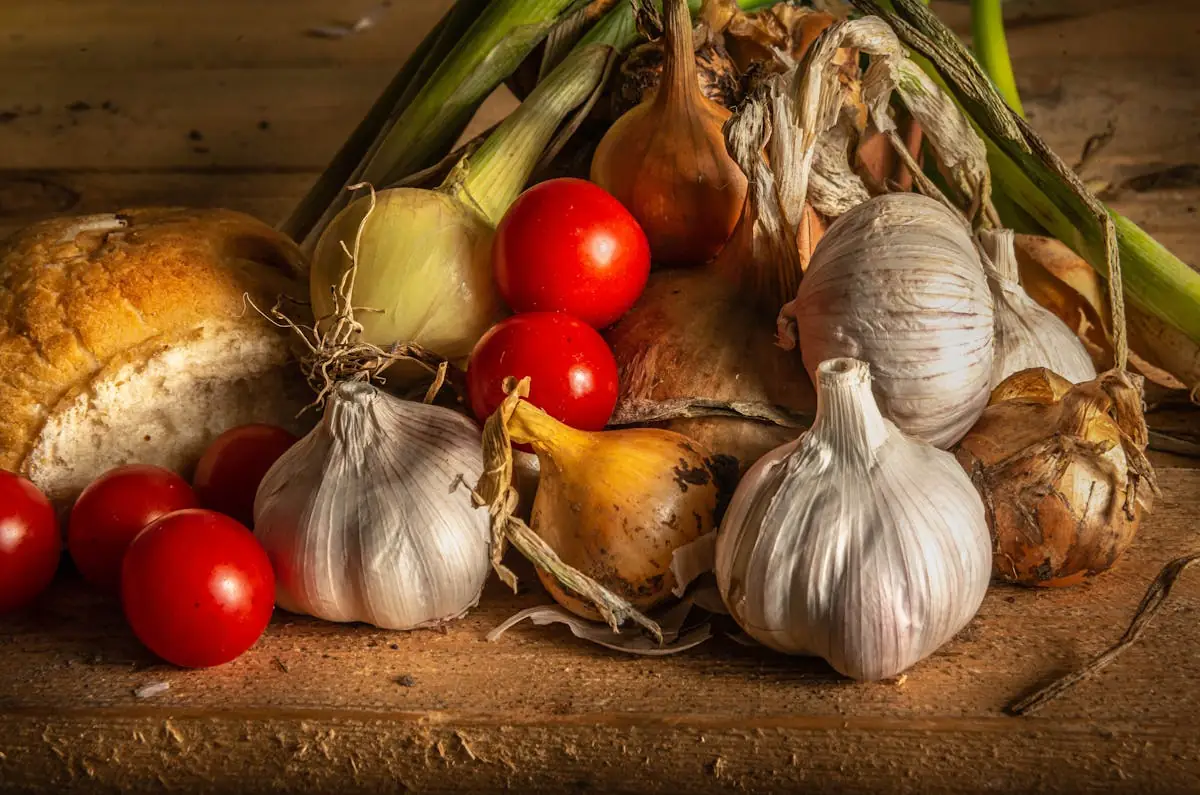
Most studies suggest that 1–2 cloves of raw garlic per day (or 600–1,200 mg of aged garlic extract) may help lower blood pressure over time. However, results depend on consistency, preparation, and individual health factors.
Garlic is often mentioned among natural ways to lower blood pressure, but understanding the right dosage, form, and timing is essential to use it effectively and safely.
How Much Garlic Should You Eat Daily for Blood Pressure?
When it comes to using garlic for hypertension, there is no single “perfect” number — but research provides practical ranges.
Garlic dosage for high blood pressure
- Raw garlic:
about 1–2 cloves per day - Aged garlic extract (supplements):
typically 600–1,200 mg daily, often divided into doses
Cloves vs mg – what’s the difference?
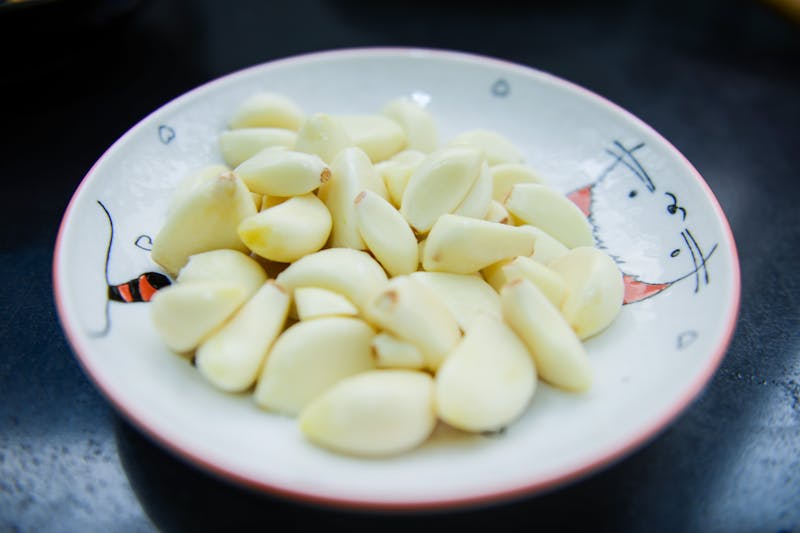
- Fresh garlic provides allicin and other sulfur compounds
- Supplements (like aged garlic extract) provide more stable compounds such as S-allyl cysteine
These forms work differently, which is why dosage is expressed differently.
It’s not about sticking to one exact number of garlic cloves you need to eat each day. What matters more is regularly including garlic in your diet in moderate amounts, so you can benefit from its health properties while staying within a safe range. This way, you support your body without risking irritation or unwanted side effects.
This article is part of our complete guide to garlic. For a full overview, see our article: Garlic: Nutrition, Health Benefits and Bioactive Compounds.
What Is the Best Form of Garlic for Lowering Blood Pressure?
Different forms of garlic may have slightly different effects.
1. Raw Garlic – rapid, immediate blood pressure–lowering effect
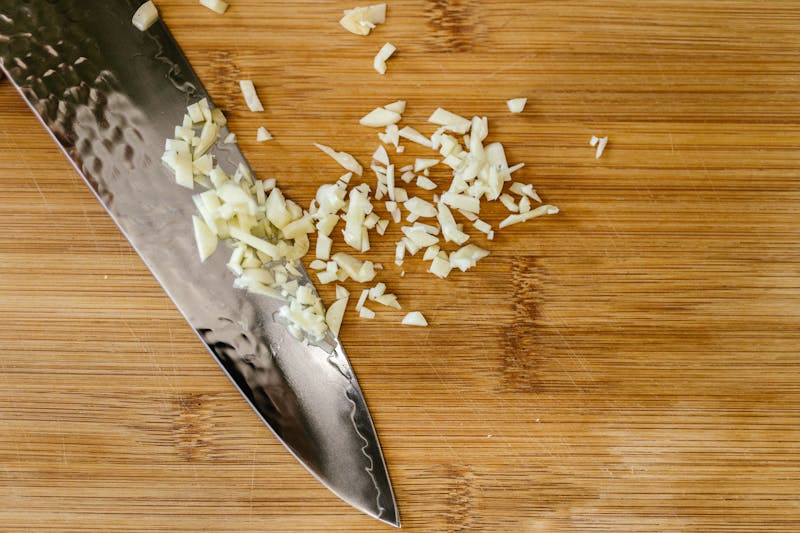
- Contains allicin (formed after crushing)
- Most potent in terms of short-term biological activity
Often considered the most effective natural form.
2. Cooked Garlic (Milder but Still Useful)
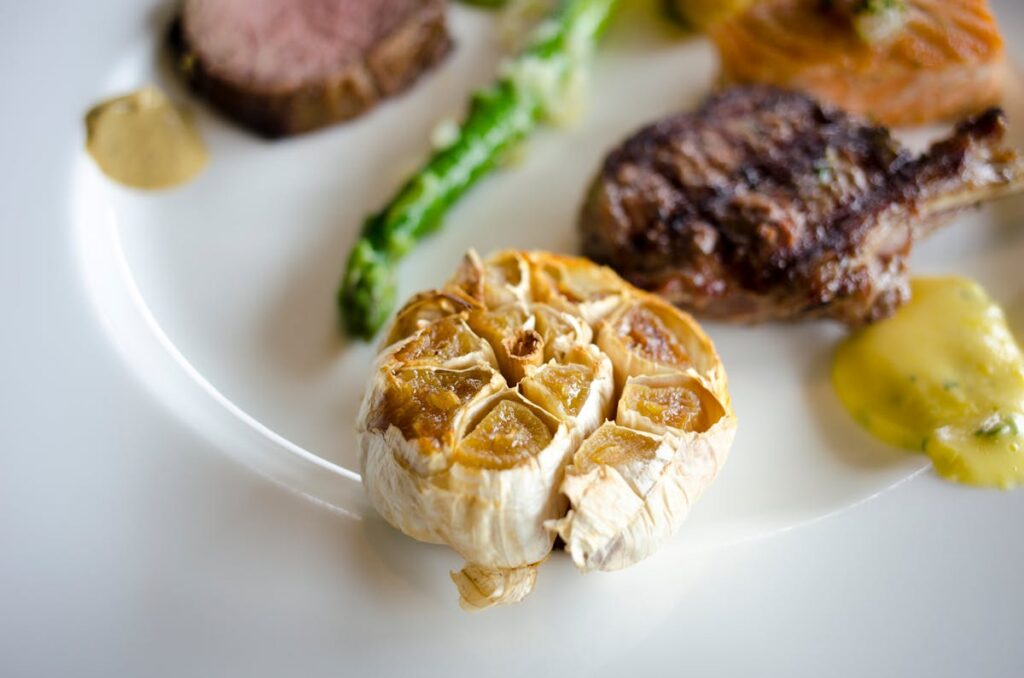
- Lower allicin content
- Gentler on the stomach
- Easier to include in daily meals
Good option for long-term consistency.
3. Aged Garlic Extract (Most Studied in Supplements)
- Standardized dose
- Contains stable compounds
- Widely used in clinical research
Often preferred for:
- consistent intake
- people sensitive to raw garlic
The weakest blood pressure–lowering effect is seen with cooked garlic, whereas both fresh garlic and aged garlic extract produce a good effect supported by research.
You can read more about the differences in nutritional value between Raw and Cooked Garlic.
How Long Does Garlic Take to Lower Blood Pressure?
How fast garlic works for blood pressure
Garlic can act relatively quickly in a short-term, supportive way — some people may notice a temporary drop in blood pressure soon after consuming it.
However, research shows that a lasting blood pressure–lowering effect appears only with regular use, typically after:
2 to 12 weeks of consistent intake
What research suggests:
Gradual, sustained reduction in blood pressure over time
Effects depend on:
- consistency
- dosage
- baseline health
Best Time to Eat Garlic for Blood Pressure

Morning or night?
There is no strict rule, but:
Many people prefer:
- morning (on empty stomach)
- or with meals
Empty stomach vs meals
- Empty stomach:
- may enhance absorption
- but can irritate digestion
- With meals:
- better tolerance
- more sustainable long-term
For most people:
with meals is the safest option
It is a particularly good option for consuming garlic for people who are unsure whether they can eat garlic on an empty stomach, as well as for those who have digestive system conditions (of the stomach and duodenum).
Read more about Who Should not Consume Raw Garlic.
Can I Eat Too Much Garlic?
Yes — more is not always better.
Possible side effects of high intake:
- stomach pain
- bloating
- heartburn
- bad breath
- digestive irritation
In some cases:
Excessive intake (especially raw garlic on an empty stomach) may lead to:
- prolonged digestive discomfort
- temporary impairment of digestion
- belching and irritation
- worsening of symptoms in people suffering from digestive system diseases
Garlic vs Blood Pressure Medication – Can It Replace Drugs?
Garlic instead of medication?
No — garlic should not replace prescribed medication
Natural remedies vs drugs
Garlic may:
- support blood pressure regulation
- complement a healthy lifestyle
But:
it is not a substitute for medical treatment
Practical approach
✔ Use garlic as support
✔ Follow medical advice
✔ Combine with healthy diet and lifestyle
It should be remembered and taken into account that if medications are being taken, additional consumption of garlic may enhance the blood pressure–lowering effect. This is not always a desired outcome. However, in most cases, garlic can be used safely if the medication dose has been appropriately adjusted by a doctor.
How to Use Garlic for Maximum Blood Pressure–Lowering Effect
Best way to eat garlic:
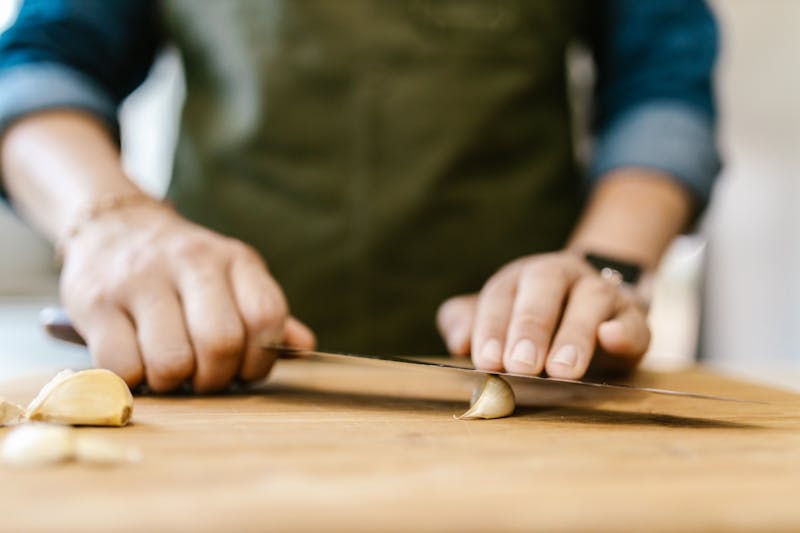
Crush and wait 10 minutes
This allows:
- activation of the enzyme alliinase
- formation of allicin
How to prepare garlic
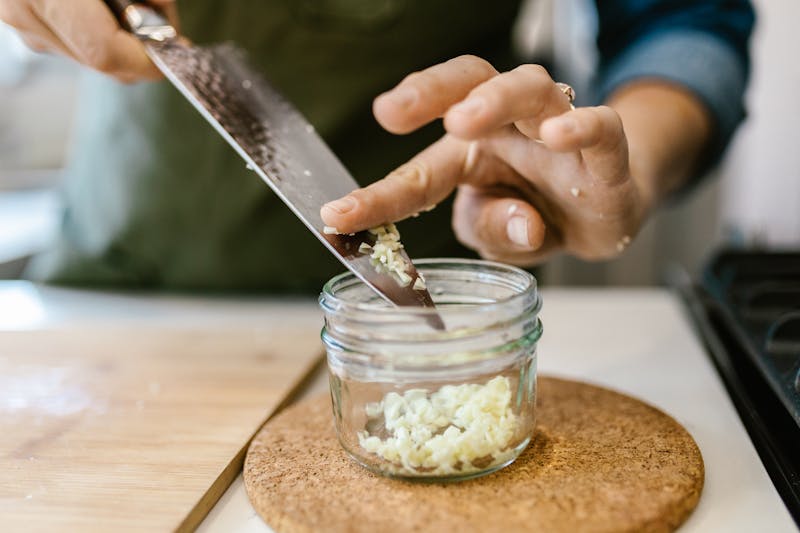
- crush or chop
- wait before eating or cooking
- avoid high heat immediately
Practical forms
- raw garlic (most potent)
- garlic with honey (more palatable)
- capsules / aged garlic extract
Choose what you can use consistently.
A good piece of news is that with advances in technology and medicine, supplements based on plant extracts are effective, and their convenient form of use is an additional benefit.
Does Garlic Really Help With Blood Pressure?
Research suggests that garlic may contribute to:
- modest reductions in blood pressure
- improved vascular function
- support for cardiovascular health
Some studies show effects comparable to mild lifestyle interventions.
However:
- results vary
- effects are moderate
- consistency is key
Apart from lowering blood pressure, garlic has many positive effects on the heart. Learn more in our article: Garlic and Heart Health.
Garlic for Hypertension – Practical Perspective
Garlic is often included among:
- natural ways to lower blood pressure
- home remedies for high blood pressure
But it works best as part of a broader approach:
- balanced diet
- physical activity
- stress management
What About Lemon Balm?
Garlic is not the only food-based option studied in relation to blood pressure. Lemon balm has also been investigated, although the research is much more limited than it is for garlic.
Some clinical studies suggest that concentrated lemon balm preparations may reduce blood pressure, but it is still unclear whether the same effect can be achieved by drinking ordinary lemon balm tea.
For more details, see Can Lemon Balm Lower Blood Pressure? What the Research Says.
Don’t forget to read more about garlic:
FAQ – Garlic and Blood Pressure
How much garlic should I eat daily for blood pressure?
Most commonly, 1–2 cloves of raw garlic or 600–1,200 mg of aged garlic extract per day.
How long does garlic take to lower blood pressure?
Typically 2–12 weeks of regular intake.
What is the best form of garlic for blood pressure?
Raw garlic may have the strongest effect, while aged garlic extract offers consistency and better tolerance.
Can garlic lower blood pressure quickly?
Not immediately. It works gradually over time.
Is it better to eat garlic in the morning or at night?
Both are acceptable, but eating with meals is usually better tolerated.
Can I replace blood pressure medication with garlic?
No. Garlic can support health but should not replace prescribed treatment.
Conclusion – Garlic & Blood Pressure
Garlic can be a useful addition to a heart-healthy lifestyle and may support normal blood pressure over time. The most commonly recommended intake is around 1–2 cloves of raw garlic daily or a standardized dose of aged garlic extract.
However, the effectiveness of garlic depends on consistency, preparation, and individual response. Rather than relying on it as a standalone solution, it is best used as part of a broader approach that includes a balanced diet and healthy habits.
Sources
- Ried, K. (2016). Garlic lowers blood pressure in hypertensive individuals. Journal of Nutrition
- National Institutes of Health (NIH) – Garlic and cardiovascular health
- Banerjee, S.K., Maulik, S.K. (2002). Effect of garlic on cardiovascular disorders. Nutrition Journal
- Amagase, H. (2006). Garlic and its bioactive compounds. Journal of Nutrition
- Mayo Clinic – Garlic and blood pressure
- U.S. National Library of Medicine – Garlic research

Pingback: can lemon balm lower blood pressure? What the Research Says
Pingback: Bioactive Compounds in Garlic: Allicin & Sulfur Compounds
Pingback: Garlic Powder vs Fresh Garlic: Nutrition, Allicin & Health Differences