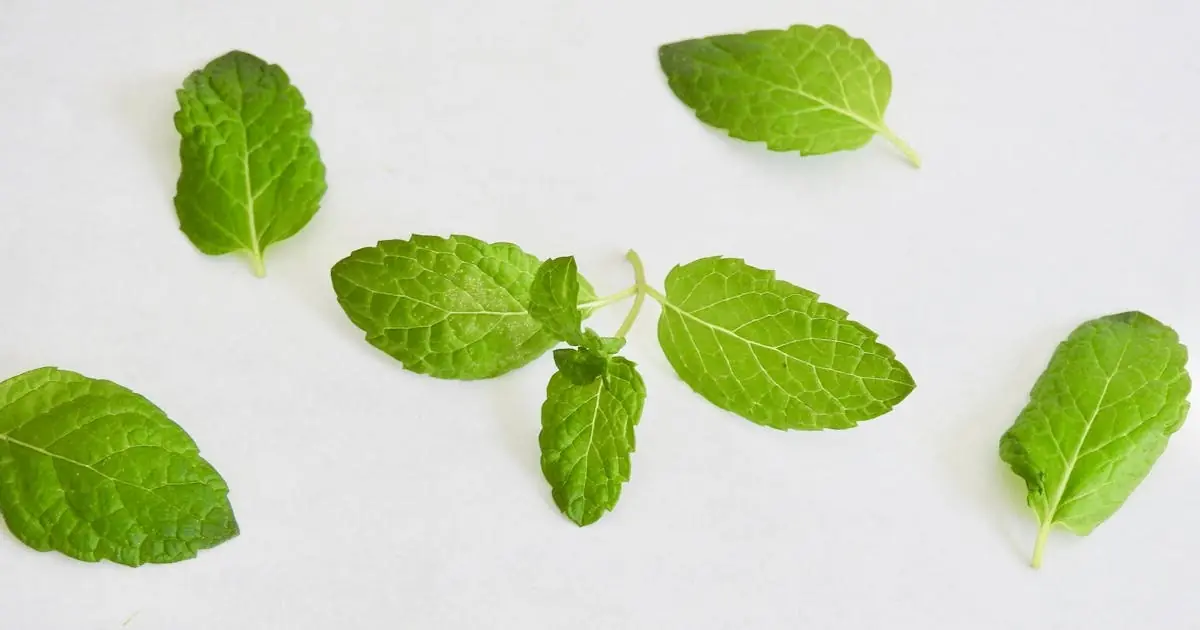
Herbs and spices are widely used in cooking and may provide vitamins, minerals, and plant compounds. This section explores the nutritional value and potential health effects of commonly used herbs and spices.
Beyond enhancing flavor and aroma, many herbs and spices contain natural antioxidants and bioactive compounds that may support overall health. Some are linked to anti-inflammatory properties, improved digestion, or better metabolic health. Even when used in small amounts, they can contribute beneficial nutrients and phytochemicals to everyday meals. From familiar kitchen staples to lesser-known varieties, herbs and spices have long been valued in both culinary traditions and traditional medicine around the world. In this category, we take a closer look at their nutritional profiles, how they may influence health, and simple ways to include them in a balanced, nutrient-rich diet.

Lemon balm has long been studied for its potential antiviral properties and its traditional use in supporting overall wellness
Lemon balm may have antiviral properties, especially against certain viruses studied in laboratory research, including herpes simplex virus (HSV). Scientists believe that compounds found in lemon balm (Melissa officinalis), such…
Small amounts of weak lemon balm tea may sometimes be used for older babies and toddlers, but parents should be cautious and speak with a pediatrician before regularly giving herbal…
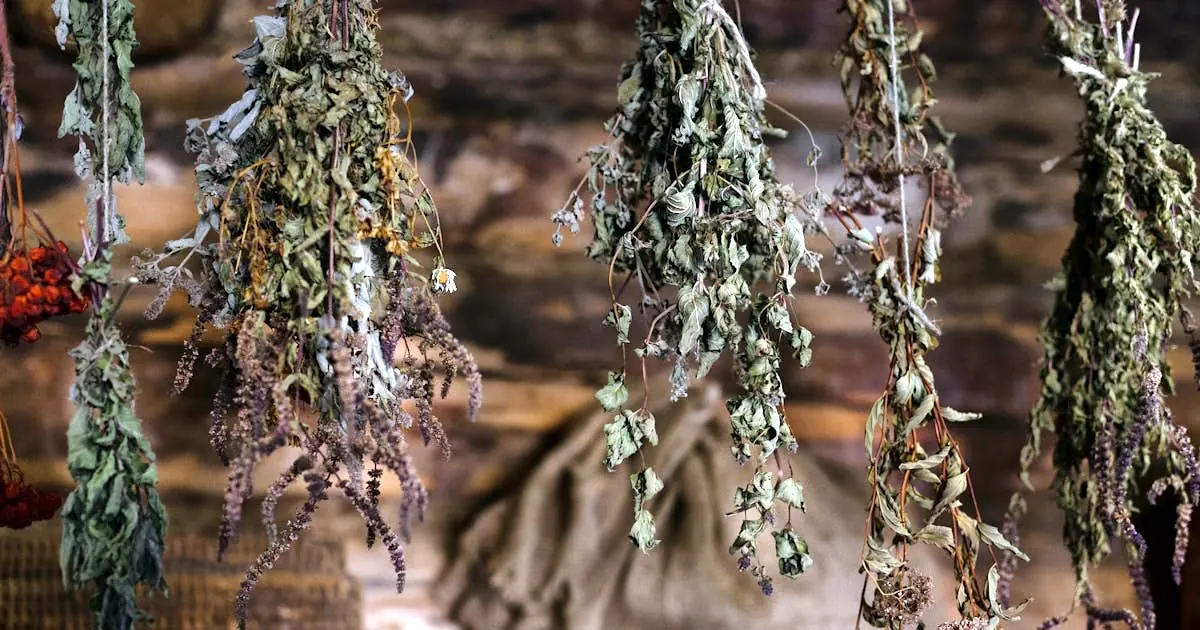
Low drying temperatures help preserve the flavor and aroma of lemon balm leaves.
The best way to dry lemon balm is slowly, in shade, with good airflow and low temperatures. Proper drying helps preserve the herb’s delicate essential oils, fresh lemon aroma, green…
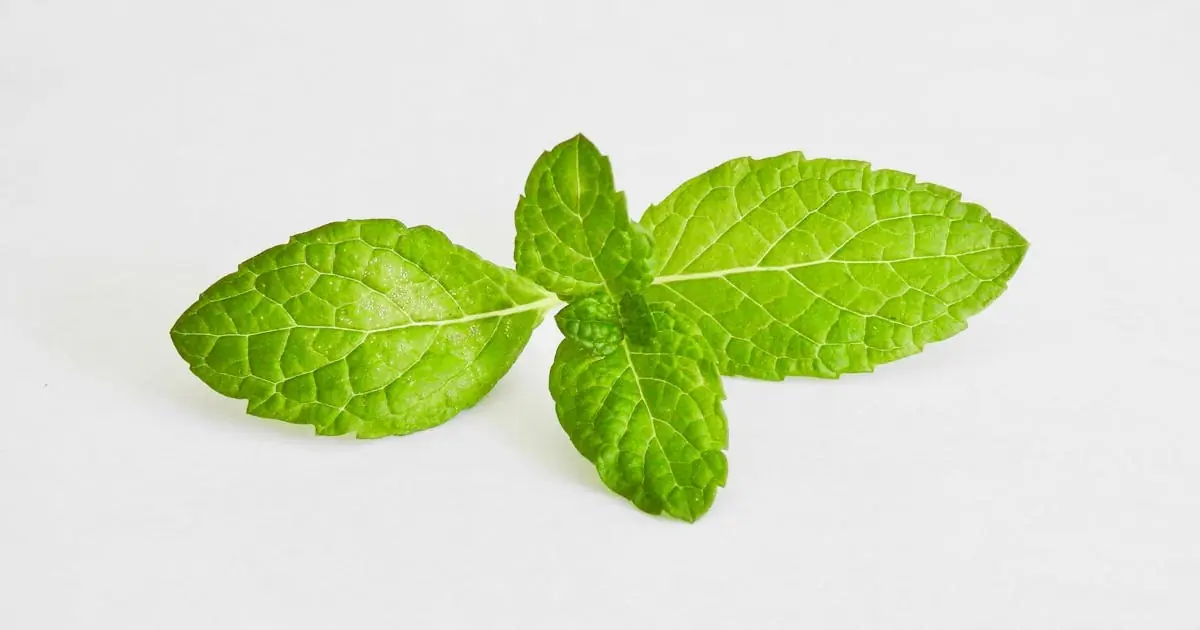
Fresh lemon balm naturally contains more volatile aromatic oils than older crushed dried herbs.
Fresh lemon balm usually contains more aromatic essential oils and a brighter flavor than dried lemon balm, while properly dried whole leaves remain more practical for long-term storage and herbal…
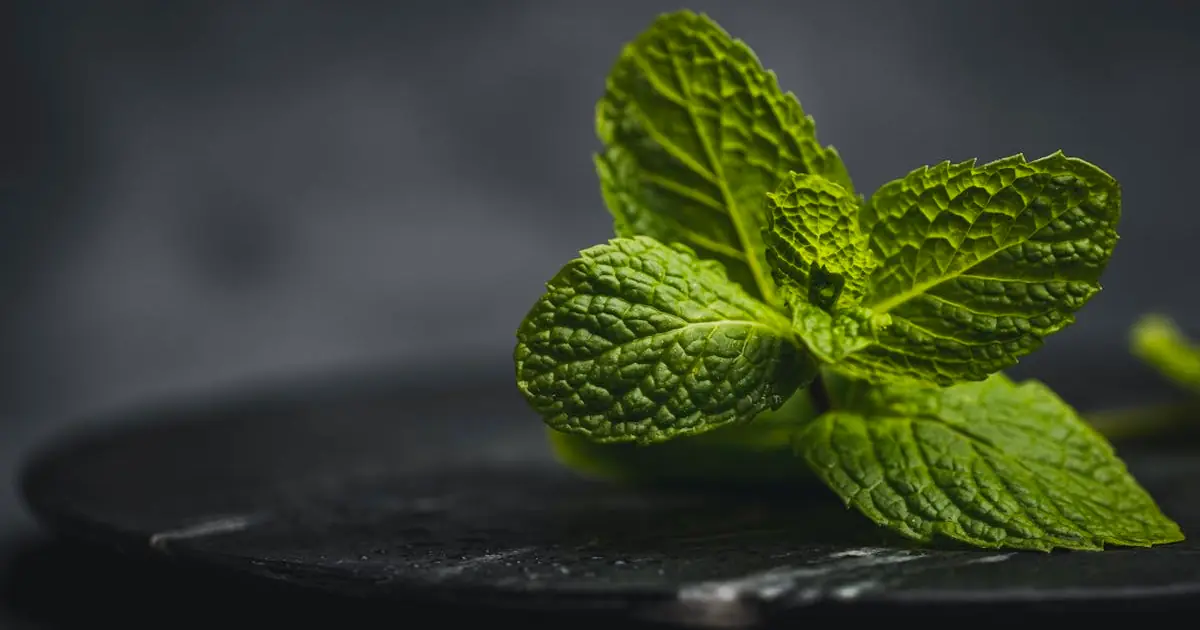
Fresh lemon balm leaves naturally contain aromatic oils associated with calming effects.
Lemon balm may help improve sleep by promoting relaxation, calming nervous tension, and making it easier to unwind before bed. Many people drink lemon balm tea in the evening because…
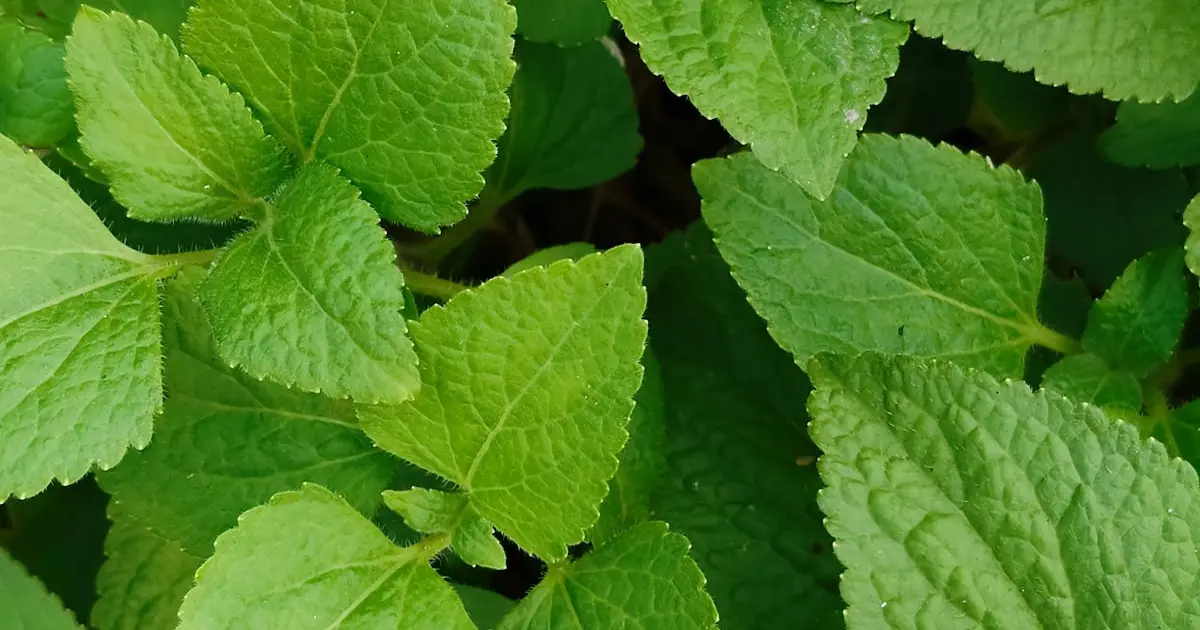
Lemon balm is a traditional calming herb from the mint family.
Lemon balm (Melissa officinalis) is one of the most popular calming herbs used in traditional herbal medicine. Its fresh lemon-like aroma, mild taste, and relaxing properties have made it a…