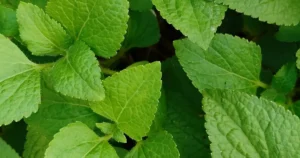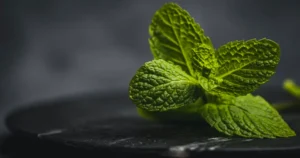
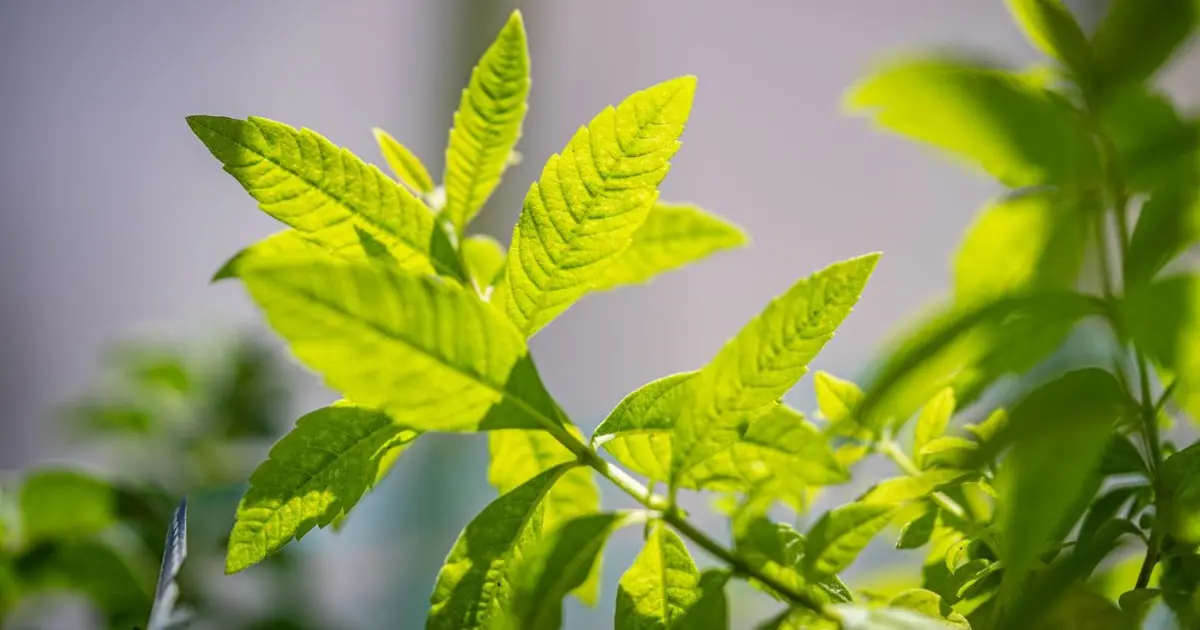
If your main goal is better sleep and relaxation, lemon balm is generally the stronger choice. Lemon balm (Melissa officinalis) has been studied more extensively for its calming effects and is traditionally used to support relaxation, stress management, and healthy sleep. Lemon verbena (Aloysia citrodora), on the other hand, is valued for its refreshing citrus flavor and gentle relaxing properties, making it a popular ingredient in evening herbal teas.
Both herbs can be excellent additions to a bedtime routine, but they are not identical. While lemon balm is often chosen specifically for relaxation, lemon verbena is frequently appreciated for its pleasant taste and versatility in herbal blends.
If you would like to learn more about lemon balm, its active compounds, traditional uses, and health benefits, see our complete guide: Lemon Balm (Melissa officinalis): Health Benefits, Uses, and Bioactive Compounds.
What Is the Difference Between Lemon Balm and Lemon Verbena?
Although both herbs have a lemon-like aroma, they come from different plant families and contain different active compounds.
| Feature | Lemon Balm | Lemon Verbena |
|---|---|---|
| Scientific name | Melissa officinalis | Aloysia citrodora |
| Plant family | Mint family (Lamiaceae) | Verbenaceae |
| Main traditional use | Relaxation and sleep support | Digestive support and herbal teas |
| Flavor | Mild, lemony, slightly minty | Strong citrus, lemon candy-like |
| Essential oils | Citral, citronellal, geraniol | Citral, limonene, verbascoside |
| Common use | Sleep teas and calming blends | Herbal tea blends and culinary uses |
While both herbs share a citrus aroma, their flavor profiles and traditional applications differ significantly.
Which Is Better for Sleep: Lemon Balm or Lemon Verbena?
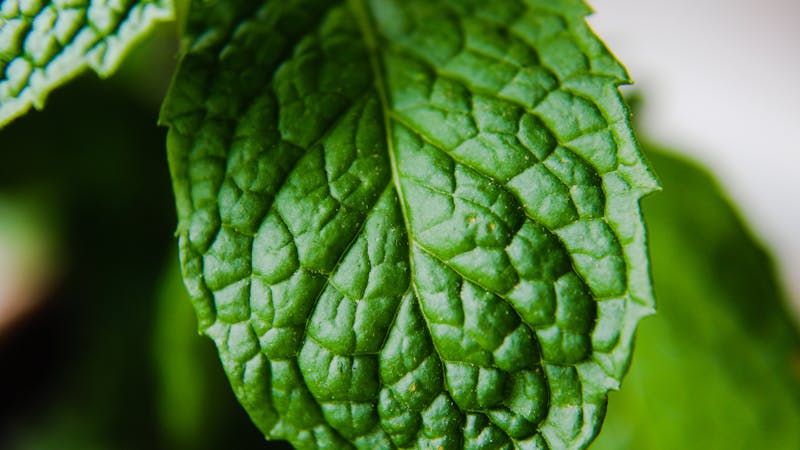
For sleep support, lemon balm usually has the advantage.
Lemon balm contains compounds such as:
- rosmarinic acid,
- flavonoids,
- triterpenes,
- and aromatic essential oils.
Researchers believe some of these compounds may influence neurotransmitter activity associated with relaxation.
Lemon verbena is also traditionally consumed in the evening, but it is generally regarded as a gentler relaxing herb rather than a dedicated sleep-support herb.
For people struggling with:
- difficulty winding down,
- racing thoughts,
- stress-related restlessness,
- or occasional sleep disturbances,
lemon balm is often the preferred option.
How Does Lemon Balm Work for Sleep?
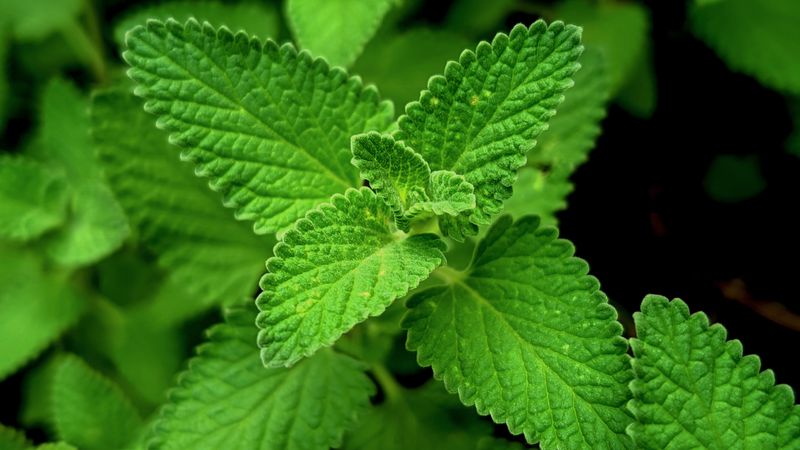
One reason lemon balm is popular for sleep is its interaction with the nervous system.
Research suggests compounds in lemon balm may help support GABA activity, a neurotransmitter associated with relaxation and calmness.
This is one reason lemon balm frequently appears in:
- bedtime teas,
- relaxation supplements,
- and calming herbal blends.
Many people also report that lemon balm helps them unwind after stressful days.
You can learn more about lemon balm for sleep, how it work, and when to drink it.
Does Lemon Verbena Help You Sleep?
Lemon verbena is not traditionally known as a strong sleep herb in the same way as lemon balm or chamomile.
However, many people enjoy drinking lemon verbena tea before bed because it:
- has a naturally soothing aroma,
- contains antioxidant compounds,
- and can promote a calming evening ritual.
Sometimes the relaxing effect comes not only from the herb itself but also from the bedtime routine associated with drinking a warm herbal tea.
Lemon Balm vs Lemon Verbena Taste Comparison
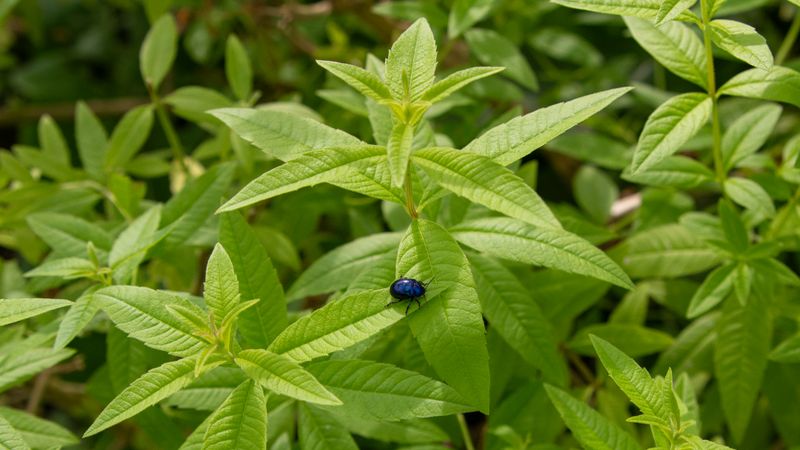
Taste is one of the biggest differences between these herbs.
Lemon Balm Taste
Lemon balm has:
- a mild lemon flavor,
- subtle mint notes,
- gentle sweetness,
- and a soft herbal finish.
Its flavor is delicate and easy to drink.
Lemon Verbena Taste
Lemon verbena has:
- an intense citrus aroma,
- bright lemon flavor,
- stronger herbal character,
- and a slightly sweet finish.
Many people describe it as tasting like fresh lemon peel or lemon candy.
The flavor remains noticeable even after drying.
Which Herb Makes Better Tea?
This depends on your goal.
Choose Lemon Balm If:
- sleep is your priority,
- you want a mild flavor,
- you enjoy relaxing evening teas.
Choose Lemon Verbena If:
- you love strong citrus flavor,
- you want a refreshing herbal tea,
- you enjoy herbal blends.
Many herbal tea enthusiasts actually use both together.
Can You Mix Lemon Balm and Lemon Verbena Together?
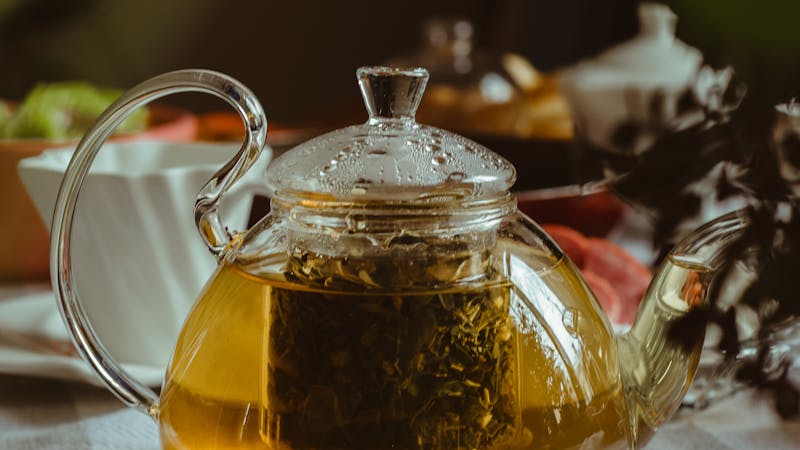
Yes. Lemon balm and lemon verbena are frequently combined in herbal tea blends.
The two herbs complement each other very well because:
- lemon balm contributes relaxation and softness,
- lemon verbena contributes bright citrus flavor,
- both herbs provide aromatic compounds,
- and neither tends to overpower the other when balanced properly.
Many commercial herbal tea blends combine these herbs with:
- chamomile,
- peppermint,
- lavender,
- passionflower,
- or linden flower.
You may also be interested in our articles which includes a comparisons of:
- Lemon Balm and Chamomile For Sleep, Benefits and Recipe.
- Combination of Lemon Balm and Valerian Root For Sleep.
- Lemon Balm and Lemon Verbena For Sleep, Differences, and How to Use Them Together.
- Lemon Balm vs Lemongrass: Differences in Aroma, Health Benefits and Wchich is Better for You?
Best Lemon Balm and Lemon Verbena Tea Ratio
A simple starting ratio is:
For Sleep-Focused Tea
- 2 parts lemon balm
- 1 part lemon verbena
Example:
- 2 teaspoons lemon balm
- 1 teaspoon lemon verbena
This keeps lemon balm as the primary herb while adding pleasant citrus notes.
For Flavor-Focused Tea
- 1 part lemon balm
- 1 part lemon verbena
This creates a balanced and refreshing herbal infusion.
Do Lemon Balm and Lemon Verbena Have Similar Health Benefits?
Both herbs contain antioxidant compounds and have long histories of traditional use.
Potential areas of overlap include:
- relaxation,
- digestive comfort,
- antioxidant activity,
- and general wellness support.
However, lemon balm has received considerably more attention in studies related to:
- stress,
- relaxation,
- sleep quality,
- and nervous system support.
Fresh vs Dried Lemon Balm and Lemon Verbena
Both herbs can be used fresh or dried.
Fresh herbs generally contain:
- more moisture,
- stronger aroma,
- and higher levels of volatile oils.
Properly dried herbs remain useful but quality matters greatly.
Whole leaves typically preserve aromatic oils better than:
- powdered herbs,
- heavily crushed tea bags,
- or finely ground products.
A fragrant herb is usually a good sign that valuable volatile compounds remain intact.
Learn more about fresh vs dried lemon balm, value and benefits.
Which Herb Has a Stronger Aroma?
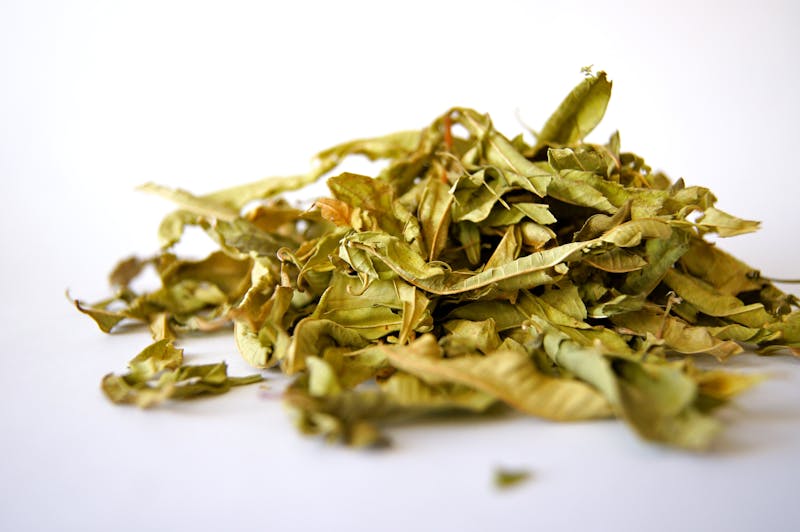
Lemon verbena usually wins in terms of aroma intensity.
Even small amounts of dried lemon verbena often produce a strong citrus fragrance.
Lemon balm has a softer scent that can diminish more quickly if the herb is:
- poorly dried,
- excessively crushed,
- or stored improperly.
Can You Grow Lemon Balm and Lemon Verbena at Home?
Yes.
Both herbs are popular among home gardeners.
Lemon Balm
- easy to grow,
- hardy,
- spreads readily,
- suitable for containers and gardens.
Lemon Verbena
- prefers warmth,
- grows well in pots,
- produces highly aromatic leaves,
- may require protection in colder climates.
Freshly harvested leaves from either plant usually provide the strongest aroma.
Which One Should You Choose?
Choose lemon balm if:
- sleep support is your main goal,
- you prefer mild herbal flavors,
- you want a herb traditionally associated with relaxation.
Choose lemon verbena if:
- you love strong citrus flavor,
- you want a refreshing herbal tea,
- you enjoy aromatic blends.
For many people, the best solution is not choosing one or the other—but combining both.
Readers Also Enjoyed

Frequently Asked Questions
Is lemon balm better than lemon verbena for sleep?
In most cases, yes. Lemon balm has a stronger traditional reputation for relaxation and sleep support.
Can I drink lemon balm and lemon verbena together?
Yes. The two herbs are commonly combined in herbal tea blends.
What is the best ratio of lemon balm to lemon verbena?
A common sleep-focused blend uses 2 parts lemon balm and 1 part lemon verbena.
Which herb tastes better? lemon balm or lemon verbena?
This depends on personal preference. Lemon balm is milder, while lemon verbena has a stronger citrus flavor.
Is lemon verbena calming?
Many people find lemon verbena relaxing, especially as part of an evening tea routine.
Can I grow both herbs at home?
Yes. Both herbs are popular garden plants and can also be grown in containers.
Sources
- European Medicines Agency (EMA) Herbal Monographs
- National Center for Complementary and Integrative Health (NCCIH)
- PubMed Scientific Database
- Journal of Ethnopharmacology
- Frontiers in Pharmacology
- Molecules
- Phytotherapy Research
- Herbal Medicine: Biomolecular and Clinical Aspects