
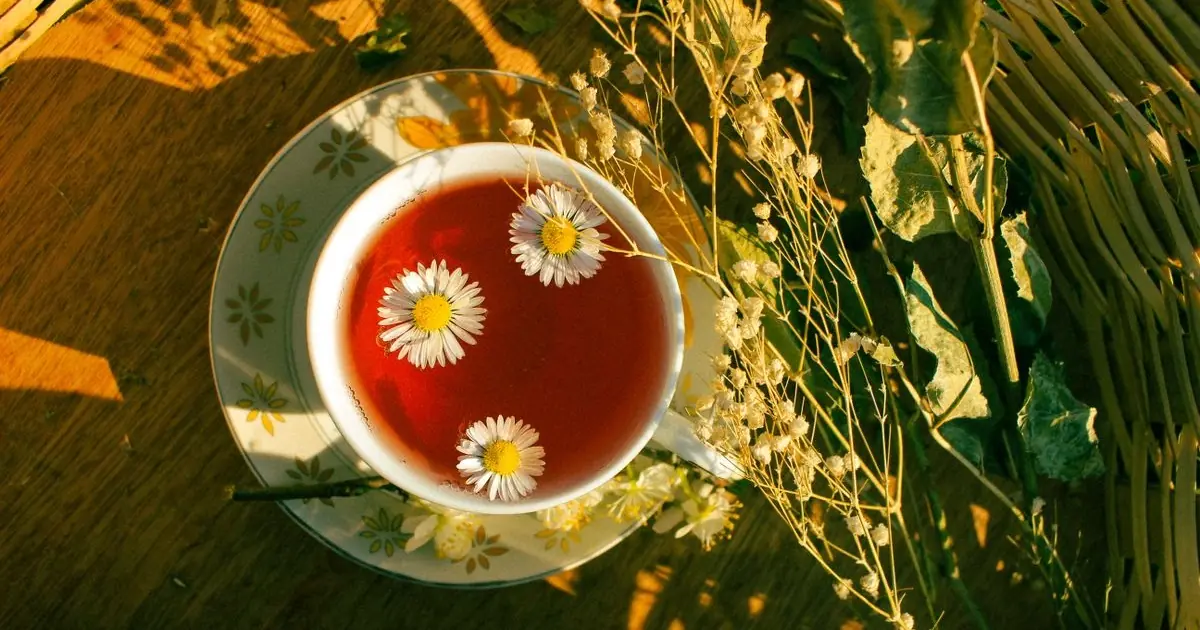
Yes, lemon balm and chamomile tea may help many people relax before bed. Both herbs have a long history of traditional use for calming the mind, supporting relaxation, and promoting healthy sleep habits. While neither herb works like a sleeping pill, their combination is one of the most popular bedtime herbal teas in the world.
Lemon balm (Melissa officinalis) and chamomile (Matricaria chamomilla or Chamomilla recutita) are frequently blended together because they complement each other well. Lemon balm contributes a fresh citrus-mint flavor and compounds associated with relaxation, while chamomile adds a mild floral taste and its own calming properties.
Many commercial sleep teas contain both herbs, often alongside other ingredients such as lavender, passionflower, or linden flower.
If you want to learn more about lemon balm itself, including its active compounds, health benefits, and traditional uses, read our complete guide: Lemon Balm (Melissa officinalis): Health Benefits, Uses, and Bioactive Compounds.
Why Are Lemon Balm and Chamomile Often Used Together?
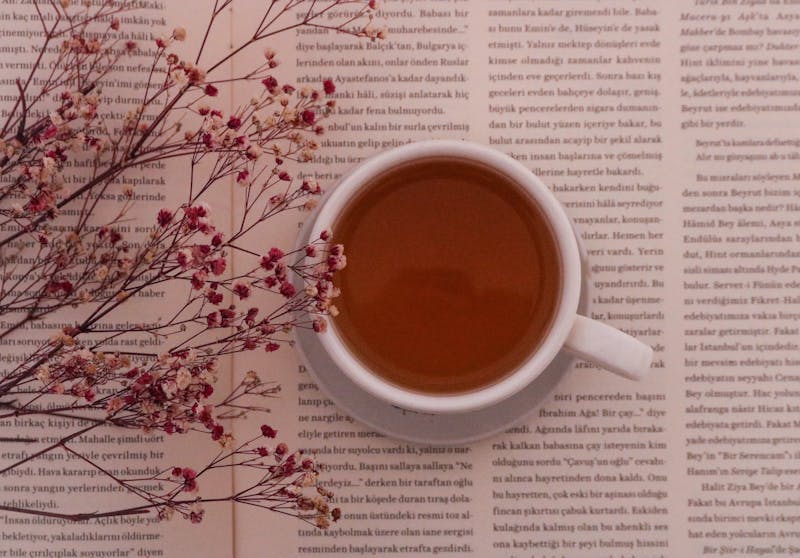
Lemon balm and chamomile are among the most popular herbs for evening teas.
The combination works well because:
- both herbs have calming reputations,
- their flavors complement each other,
- they are generally gentle when consumed as tea,
- and they are commonly included in traditional bedtime herbal blends.
Many people find the combination more pleasant than either herb alone.
How Does Lemon Balm Help With Sleep?
Chamomile is one of the most widely consumed herbal teas in the world.
Its flowers contain compounds including:
- apigenin,
- flavonoids,
- terpenoids,
- and essential oils.
Apigenin is often discussed because it may interact with receptors involved in relaxation and sleep.
Chamomile tea is traditionally consumed:
- before bed,
- during stressful periods,
- or as part of a calming evening routine.
Its gentle floral aroma may also contribute to the overall relaxing experience.
In our article you will find more information about how does lemon balm help with sleep, dosage and benefits.
Is Lemon Balm or Chamomile Better for Sleep?
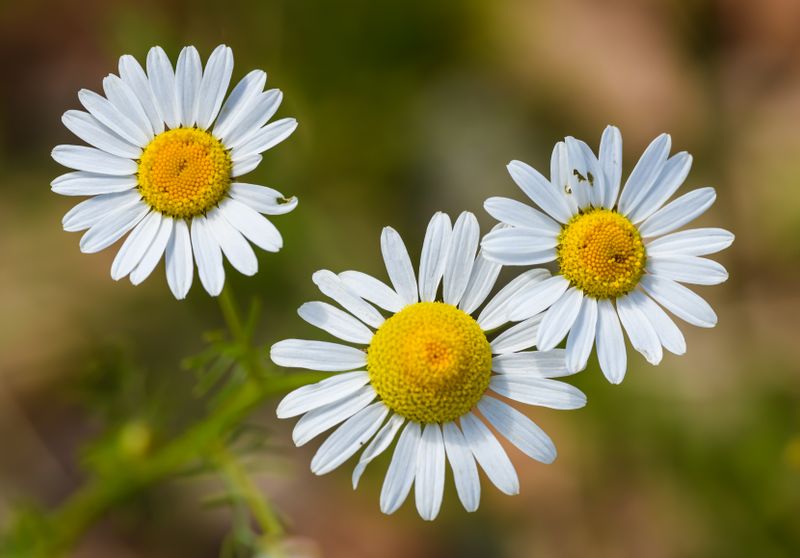
There is no universal winner.
Lemon Balm May Be Better If:
- stress keeps you awake,
- you struggle to unwind,
- your mind feels busy at night,
- you prefer a citrus-herbal flavor.
Chamomile May Be Better If:
- you enjoy floral teas,
- you want a gentle traditional bedtime drink,
- you prefer a mild herbal taste.
For many people, combining both herbs offers the best of both worlds.
What Happens When You Combine Lemon Balm and Chamomile?
Many herbalists consider this combination complementary.
Lemon balm contributes:
- fresh aroma,
- citrus notes,
- calming compounds.
Chamomile contributes:
- floral aroma,
- soothing flavor,
- traditional sleep support.
Together they create a tea that is:
- aromatic,
- pleasant to drink,
- naturally caffeine-free,
- and suitable for evening use.
This is one reason the combination appears in so many commercial sleep tea blends.
Lemon Balm and Chamomile Tea Benefits
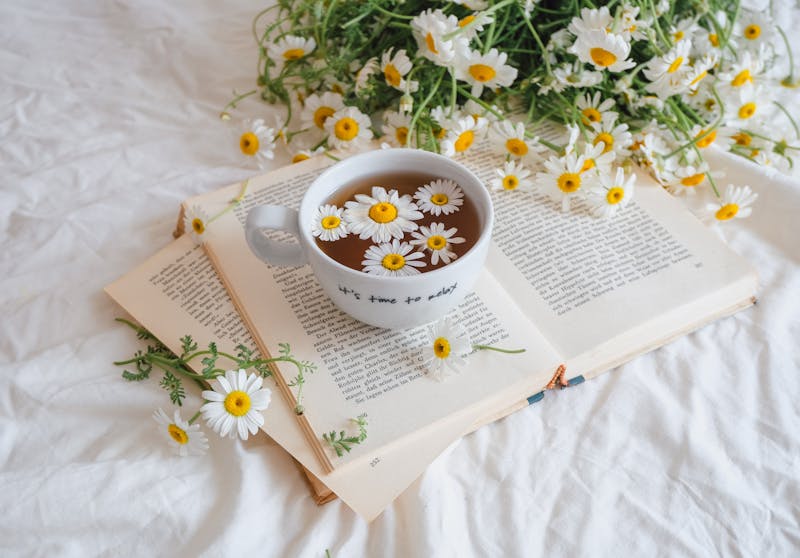
People often drink lemon balm and chamomile tea because it may support:
Relaxation Before Bed
A warm herbal tea can help signal to the body that it is time to slow down.
Healthy Sleep Habits
Although herbal teas are not cures for insomnia, they may support an effective bedtime routine.
Stress Management
Many people use calming herbal teas during stressful periods.
Evening Hydration
Unlike coffee, energy drinks, and many soft drinks, herbal teas are naturally caffeine-free.
What Is the Best Lemon Balm and Chamomile Ratio?
A common starting point is:
Balanced Sleep Tea
- 1 teaspoon dried lemon balm
- 1 teaspoon dried chamomile flowers
This creates a balanced flavor profile.
Lemon Balm-Focused Blend
- 2 teaspoons lemon balm
- 1 teaspoon chamomile
This produces a more citrus-forward tea.
Chamomile-Focused Blend
- 2 teaspoons chamomile
- 1 teaspoon lemon balm
This creates a sweeter floral profile.
How Much Lemon Balm and Chamomile Tea Can You Drink?
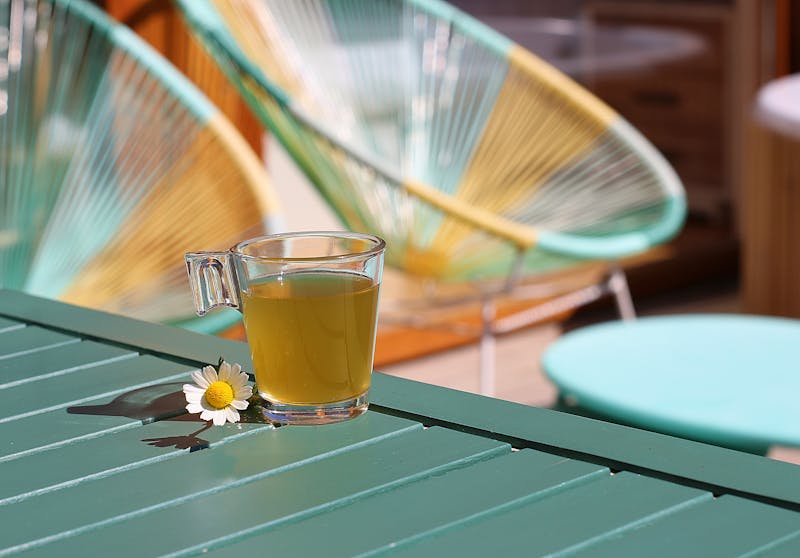
For most healthy adults, one to three cups daily is a commonly used range.
Many people drink:
- one cup 30–60 minutes before bed,
- or two cups spread throughout the evening.
Drinking excessive amounts may increase the likelihood of:
- digestive discomfort,
- excessive drowsiness,
- or individual sensitivity reactions.
People who are pregnant, nursing, taking medications, or managing medical conditions should consult a healthcare professional before using herbal products regularly.
When Is the Best Time to Drink Lemon Balm and Chamomile Tea?
Most people drink it:
- 30 minutes before bed,
- 60 minutes before bedtime,
- or during an evening wind-down routine.
Consistency is often more important than timing.
Combining herbal tea with:
- reduced screen time,
- dim lighting,
- reading,
- and a regular sleep schedule
may produce better results than tea alone.
Fresh vs Dried Lemon Balm and Chamomile
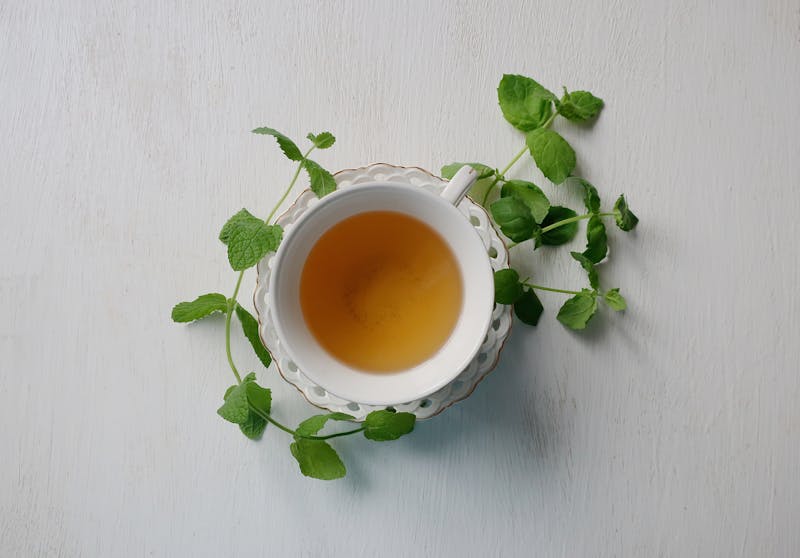
Both herbs can be used fresh or dried.
Fresh herbs generally contain:
- more moisture,
- stronger aroma,
- and higher levels of volatile oils.
However, properly dried herbs remain practical and effective for tea preparation throughout the year.
Read more about differences between fresh and dried lemon balm, differences in aroma and levels of essential oils.
Why Whole Leaves and Whole Flowers Are Usually Better
Quality matters significantly.
Many people overlook the importance of herb processing.
High-Quality Lemon Balm
The best dried lemon balm usually contains:
- whole leaves,
- large leaf pieces,
- strong lemon aroma,
- minimal dust.
High-Quality Chamomile
The best chamomile typically contains:
- whole flower heads,
- intact flower baskets,
- visible petals,
- strong floral aroma.
Finely crushed herbs often lose aromatic compounds more quickly because a larger surface area is exposed to:
- oxygen,
- heat,
- moisture,
- and light.
As a result, heavily powdered tea bags may contain fewer volatile oils than carefully stored whole herbs.
When possible, choose:
- whole dried lemon balm leaves,
- whole chamomile flower heads,
- airtight storage containers,
- and products with a strong natural aroma.
A fragrant herb is often a good sign that valuable essential oils are still present.
Can You Mix Lemon Balm and Chamomile With Other Herbs?
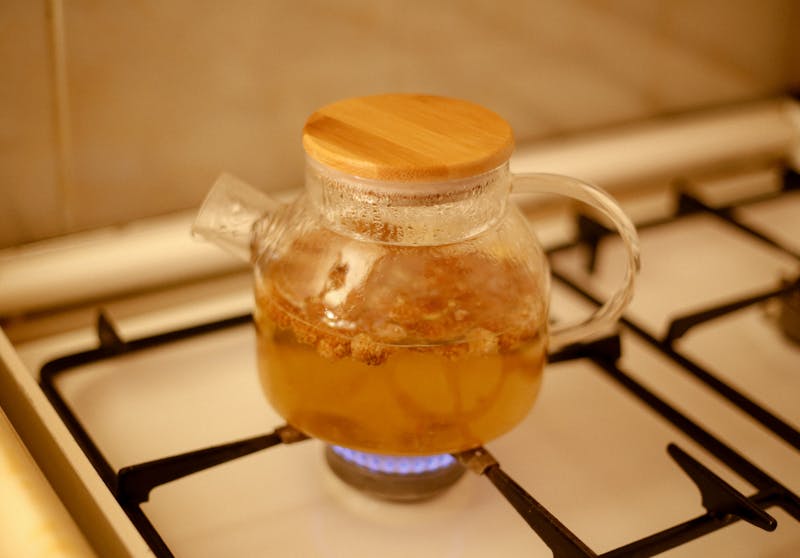
Yes.
Both herbs are extremely versatile and blend well with:
- lavender,
- passionflower,
- lemon verbena,
- linden flower,
- peppermint,
- rose petals.
Because of their balanced flavor profiles, they are among the most common ingredients in commercial bedtime tea blends.
You may also be interested in our articles which includes a comparisons of:
Lemon Balm and Lemon Verbena For Sleep, Differences, and How to Use Them Together.
Combination of Lemon Balm and Valerian Root For Sleep
Lemon Balm vs Lemongrass: Differences in Aroma, Health Benefits and Wchich is Better for You?
Does Research Support Lemon Balm and Chamomile for Sleep?
Research on herbal sleep support continues to grow.
Several studies have investigated:
- lemon balm,
- chamomile,
- and herbal combinations containing these ingredients.
While results vary between studies, both herbs have long histories of traditional use and continue to be popular choices for evening relaxation.
It is important to remember that:
- herbal teas are not medications,
- results vary from person to person,
- and sleep quality is influenced by many lifestyle factors.
Common Mistakes People Make With Sleep Teas
Using Poor-Quality Herbs
Old, stale herbs often lose much of their aroma and flavor.
Expecting Instant Results
Herbal teas work best as part of a consistent bedtime routine.
Drinking Tea Too Late
Large amounts of liquid immediately before bed may increase nighttime bathroom trips.
Ignoring Sleep Habits
No herbal tea can fully compensate for poor sleep hygiene.
Readers Also Enjoyed




Frequently Asked Questions
Can lemon balm and chamomile help you sleep?
Many people use this combination to support relaxation and healthy sleep habits before bedtime.
Is lemon balm stronger than chamomile for sleep?
Lemon balm is often considered more calming for stress-related restlessness, while chamomile is traditionally associated with gentle sleep support.
Can you mix lemon balm and chamomile together?
Yes. They are frequently combined in homemade and commercial herbal tea blends.
How much lemon balm and chamomile tea should I drink?
One to three cups daily is commonly used by adults, with one cup before bed being the most popular approach.
Are whole herbs better than crushed tea bags?
In many cases, yes. Whole lemon balm leaves and whole chamomile flowers often retain aroma and volatile oils better than heavily processed herbs.
Sources
- National Center for Complementary and Integrative Health (NCCIH)
- European Medicines Agency (EMA) Herbal Monographs
- PubMed Scientific Database
- Phytotherapy Research
- Journal of Ethnopharmacology
- Frontiers in Pharmacology
- Molecules
- Herbal Medicine: Biomolecular and Clinical Aspects
- Journal of Advanced Nursing


Pingback: Lemon Balm and Valerian for Sleep and Anxiety: Benefits, Dosage, and Side Effects
Pingback: Lemon Balm for Sleep: Benefits, Best Time to Drink It, and Possible Side Effects