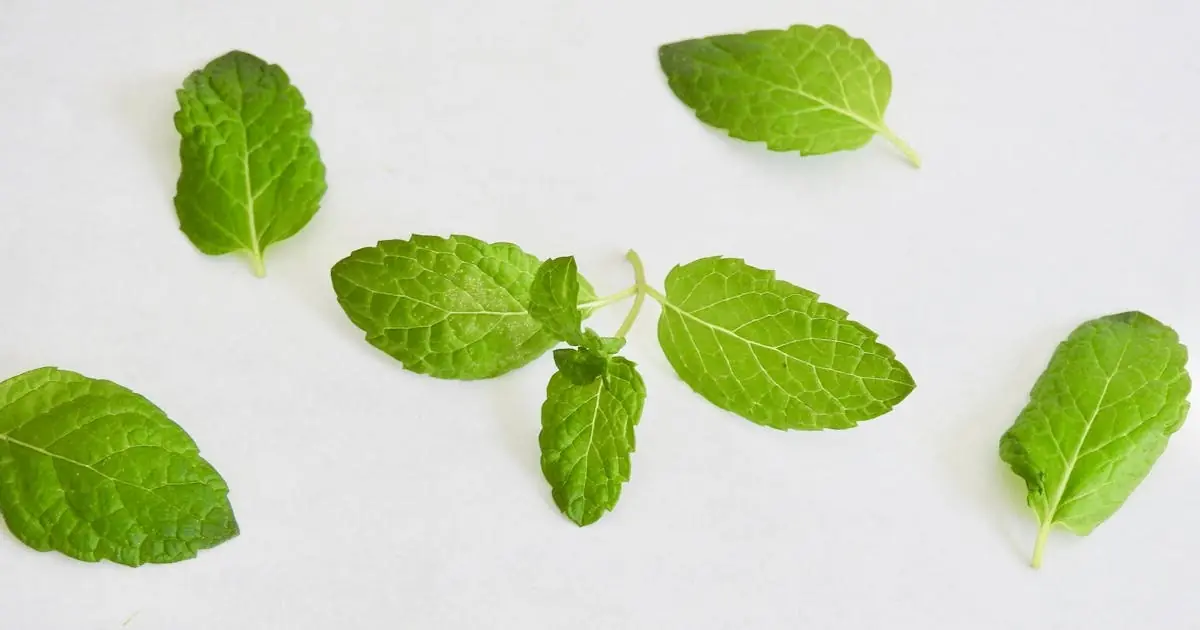
Small amounts of weak lemon balm tea may sometimes be used for older babies and toddlers, but parents should be cautious and speak with a pediatrician before regularly giving herbal teas to infants. Lemon balm (Melissa officinalis) is generally considered a gentle herb, yet babies are much more sensitive to herbs, essential oils, and concentrated plant compounds than adults.
Many parents search for natural ways to help with:
- fussiness,
- sleep routines,
- mild digestive discomfort,
- or relaxation.
Because lemon balm is traditionally associated with calming effects, some families wonder whether lemon balm tea is safe for babies. The answer depends on:
- the child’s age,
- preparation strength,
- amount used,
- overall health,
- and whether the tea is given occasionally or regularly.
In this guide, you’ll learn:
- whether babies can drink lemon balm tea,
- what age may be safer,
- possible risks and side effects,
- fresh vs dried lemon balm,
- how herbal teas differ for infants and toddlers,
- and what parents should know before using lemon balm.
Explore our in-depth Lemon Balm guide and learn about its health benefits, active ingredients, traditional uses, and potential side effects
What Is Lemon Balm Tea?
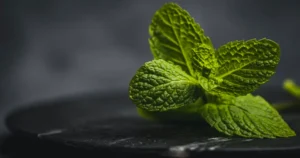
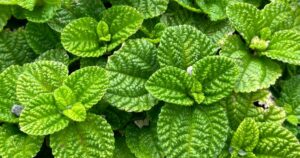
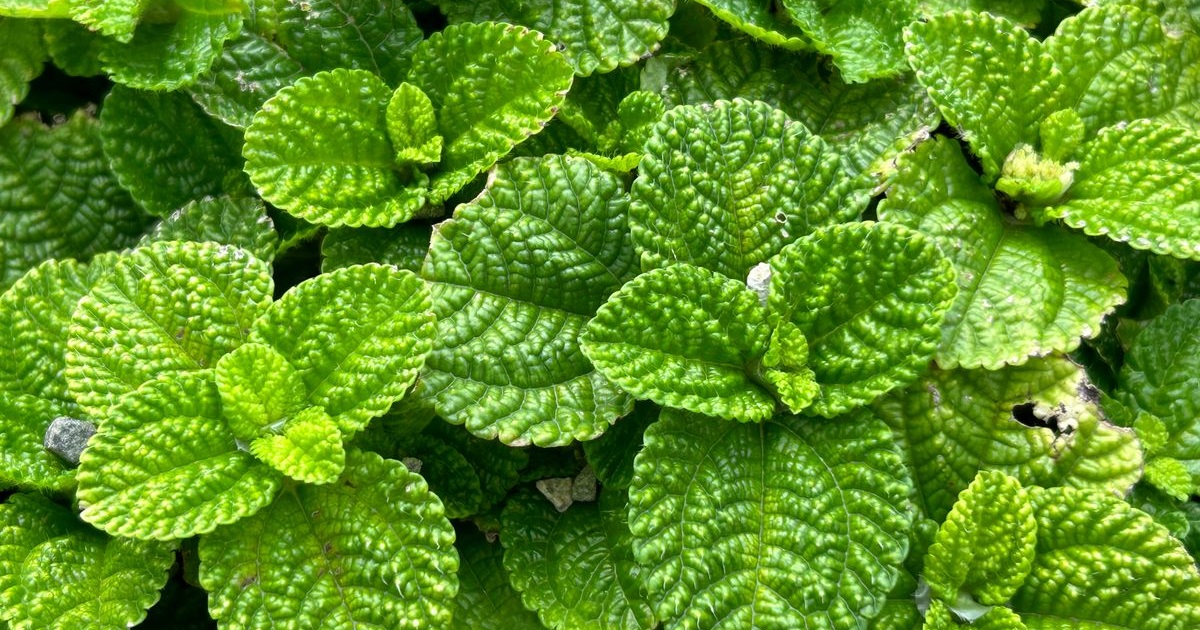
Lemon balm tea is made from the leaves of Melissa officinalis, a herb from the mint family.
The plant is known for:
- its mild lemon scent,
- calming reputation,
- and traditional use in herbal teas.
Lemon balm contains naturally occurring compounds such as:
- rosmarinic acid,
- flavonoids,
- and aromatic essential oils.
Adults often drink lemon balm tea for:
- relaxation,
- stress,
- sleep support,
- and digestion.
However, babies process herbal compounds differently than adults.
Can Babies Drink Lemon Balm Tea?
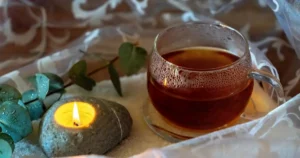
In some cases, older babies may consume very small amounts of weak lemon balm tea, but this should be approached carefully.
For infants under 6 months, most experts recommend avoiding herbal teas unless specifically advised by a healthcare professional.
Young babies have:
- sensitive digestive systems,
- immature metabolism,
- and different hydration needs than older children.
Even gentle herbs may affect infants differently.
For older babies and toddlers, diluted herbal teas are sometimes used traditionally, but moderation and caution are important.
At What Age Can Babies Have Lemon Balm Tea?
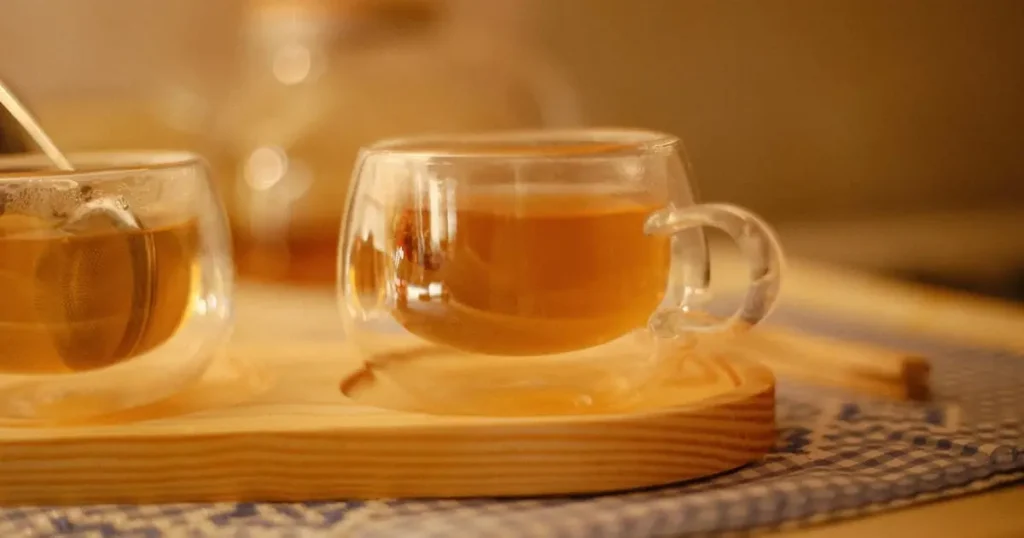
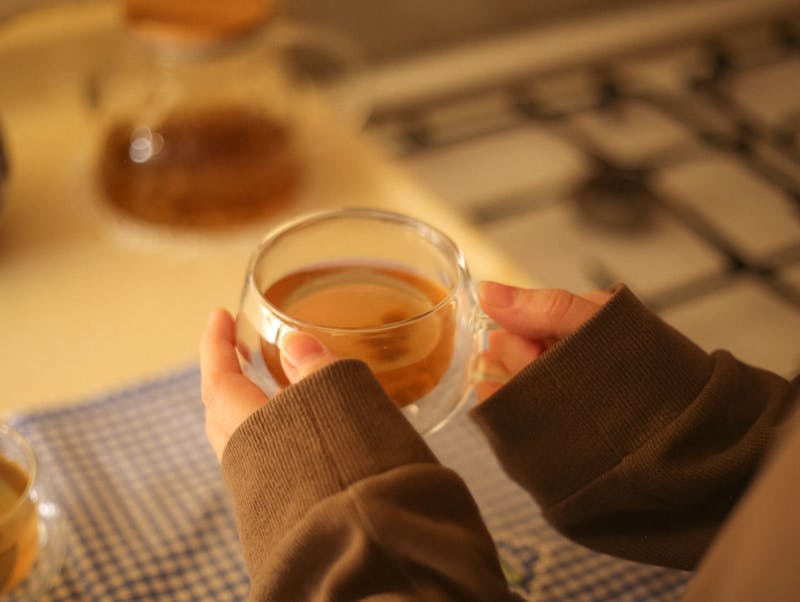
There is no universal official age guideline specifically for lemon balm tea.
However, many pediatric recommendations regarding herbal teas suggest greater caution during the first year of life.
Babies Under 6 Months
Babies under 6 months generally do not need herbal teas.
Breast milk or formula usually provides the nutrition and hydration infants need.
Introducing herbal teas too early may:
- interfere with feeding,
- reduce milk intake,
- or increase exposure to compounds infants process poorly.
Babies 6–12 Months
Some parents occasionally introduce small amounts of weak herbal tea after solid foods are established.
If lemon balm tea is considered:
- it should be very diluted,
- offered in small amounts,
- and discussed with a pediatrician first.
Toddlers Over 1 Year
Older toddlers may tolerate mild herbal teas better than infants.
Even then:
- strong preparations,
- concentrated extracts,
- and essential oils
are generally not appropriate for young children without professional guidance.
The situation is better for older children. They can consume larger amounts of lemon balm, although not every day.
Learn more in our article about lemon balm for children, dosage and safety.
Why Parents Use Lemon Balm Tea for Babies
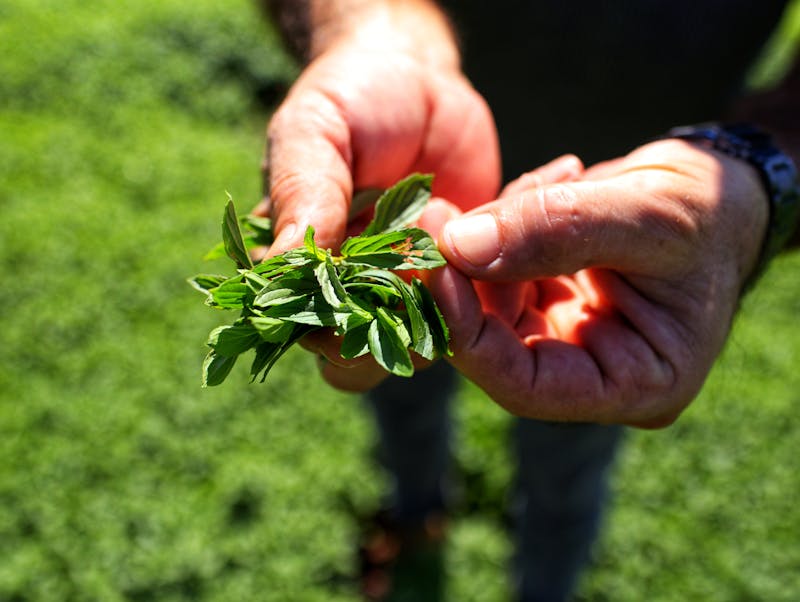
Parents often search for lemon balm tea because the herb is traditionally associated with:
- relaxation,
- calming routines,
- gentle digestion support,
- and bedtime rituals.
Some families use mild herbal teas as part of:
- evening routines,
- comforting rituals,
- or calming environments.
However, herbal teas should never replace medical evaluation when symptoms are persistent or serious.
Can Lemon Balm Help Babies Sleep?
Some parents wonder whether lemon balm tea may help babies relax before bedtime.
Lemon balm is traditionally associated with calming effects because compounds such as rosmarinic acid may influence relaxation pathways connected to the nervous system.
However:
- research on babies is extremely limited,
- infant sleep problems may have many causes,
- and herbs should not be viewed as guaranteed sleep solutions.
Safe sleep habits remain far more important than herbal remedies.
You can read more about Lemon Balm for sleep, benefits and dosage in our detailed article
Lemon Balm Tea for Baby Gas and Digestion
Herbal teas have traditionally been used for digestive comfort in some cultures.
Lemon balm is sometimes associated with:
- mild digestive relaxation,
- bloating support,
- and calming herbal blends.
Still, babies with:
- persistent gas,
- severe fussiness,
- vomiting,
- diarrhea,
- or feeding problems
should be evaluated by a healthcare professional rather than treated only with herbs.
Fresh vs Dried Lemon Balm for Tea
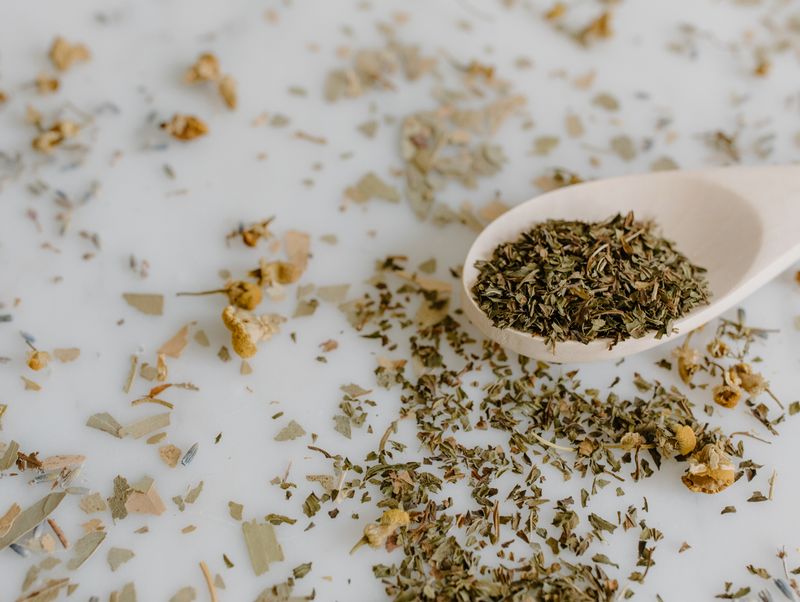
Fresh lemon balm naturally contains:
- more moisture,
- brighter aroma,
- and higher amounts of volatile oils.
Properly dried whole leaves may still retain many beneficial compounds, especially when:
- minimally processed,
- stored correctly,
- and not heavily powdered.
Why Quality Matters
Low-quality dried herbs may:
- lose aroma,
- contain excessive dust,
- or have reduced volatile oil content.
If parents choose herbal tea, high-quality whole leaf lemon balm is generally preferable to heavily processed powdered herbs.
The form of Lemon Balm you choose can affect both flavor and potency. Explore Differences Between Fresh and Dried Lemon Balm to make an informed choice.
Is Fresh Lemon Balm Better Than Tea Bags?
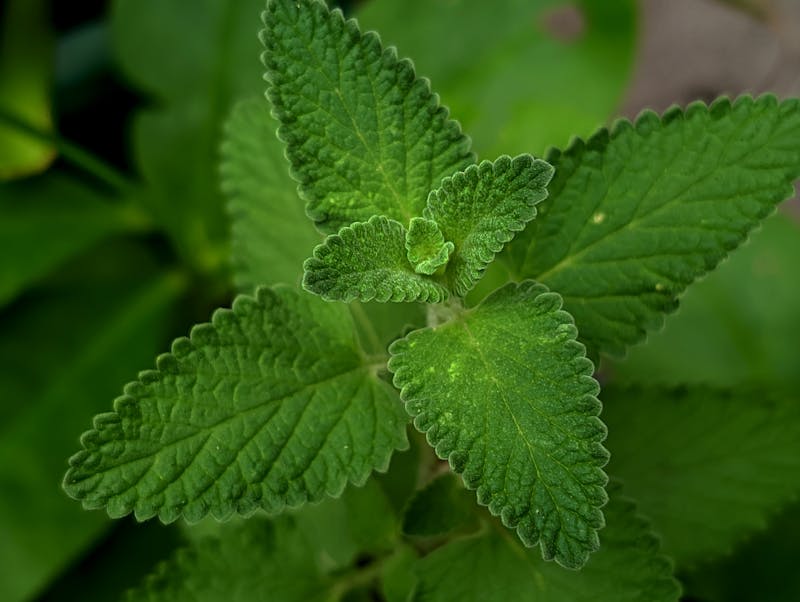
Fresh lemon balm usually has:
- stronger aroma,
- more vibrant flavor,
- and more noticeable essential oils.
Tea bags may vary greatly in quality.
Some contain:
- finely crushed herbs,
- older plant material,
- or weaker aroma due to processing and storage.
Whole loose-leaf herbs are often considered higher quality than dusty tea bag material.
Can Babies Have Lemon Balm Essential Oil?
No direct ingestion of lemon balm essential oil should be given to babies unless specifically advised by a qualified medical professional.
Essential oils are highly concentrated.
Infants and young children are especially sensitive to:
- concentrated aromatic compounds,
- skin irritation,
- and strong plant extracts.
Even topical use requires caution.
How Strong Should Lemon Balm Tea Be for Toddlers?
If approved by a pediatrician, herbal tea for young children is usually prepared much weaker than adult tea.
Parents should avoid:
- concentrated herbal infusions,
- strong extracts,
- and large amounts.
More is not necessarily better.
Possible Side Effects of Lemon Balm Tea in Babies
Even gentle herbs may cause side effects in some children.
Possible concerns may include:
- digestive upset,
- allergic reactions,
- excessive drowsiness,
- or sensitivity to plant compounds.
Because babies are smaller and more sensitive than adults, even small amounts may affect them differently.
Learn more about Lemon Balm Side Effects, Safe Dose And What to Know Before Use.
Who Should Avoid Lemon Balm Tea?
Parents should use extra caution if a child:
- takes medications,
- has allergies,
- has chronic medical conditions,
- or was born prematurely.
Children with unusual symptoms should always be evaluated medically.
Can Herbal Teas Replace Water or Milk?
No.
For babies under 1 year:
- breast milk or formula should remain the primary source of nutrition and hydration.
Herbal teas should never replace:
- regular feeding,
- medical treatment,
- or hydration guidance from healthcare professionals.
Best Practices if Parents Consider Lemon Balm Tea
Use Only Small Amounts
Avoid giving large servings.
Keep the Tea Weak
Strong herbal infusions are not appropriate for infants.
Choose High-Quality Herbs
Whole leaf lemon balm generally preserves aroma and quality better than heavily processed powders.
Avoid Sugar and Honey for Infants
Honey should not be given to babies under 1 year because of botulism risk.
Watch for Reactions
Stop use if unusual symptoms occur.
Talk With a Pediatrician
Especially for:
- babies under 1 year,
- regular use,
- or children with health conditions.
Common Myths About Lemon Balm Tea for Babies
Myth: Natural Herbs Are Always Safe for Babies
Natural does not automatically mean risk-free.
Myth: Lemon Balm Tea Instantly Solves Sleep Problems
Infant sleep difficulties may have many causes.
Myth: More Tea Works Better
Babies are highly sensitive to concentrated herbs.
Myth: All Herbal Tea Bags Are High Quality
Herbal products vary greatly in freshness and processing quality.
Readers Also Enjoyed

FAQ About Lemon Balm Tea for Babies
Can babies drink lemon balm tea?
Some older babies and toddlers may occasionally consume small amounts of weak lemon balm tea, but parents should speak with a pediatrician first.
Is lemon balm tea safe for infants?
Extra caution is recommended for infants, especially under 6 months.
Can lemon balm help babies sleep?
Lemon balm is traditionally associated with relaxation, but research involving babies is limited.
Can toddlers drink lemon balm tea?
Some toddlers may tolerate weak herbal teas better than infants, though moderation remains important.
Can babies have lemon balm essential oil?
Essential oils should be used very cautiously around infants and should not be given internally without professional guidance.
Sources
- American Academy of Pediatrics (AAP)
- National Center for Complementary and Integrative Health (NCCIH)
- European Medicines Agency (EMA) herbal monographs
- World Health Organization (WHO)
- PubMed scientific database
- Journal of Ethnopharmacology
- Frontiers in Pharmacology
- Herbal Medicine: Biomolecular and Clinical Aspects