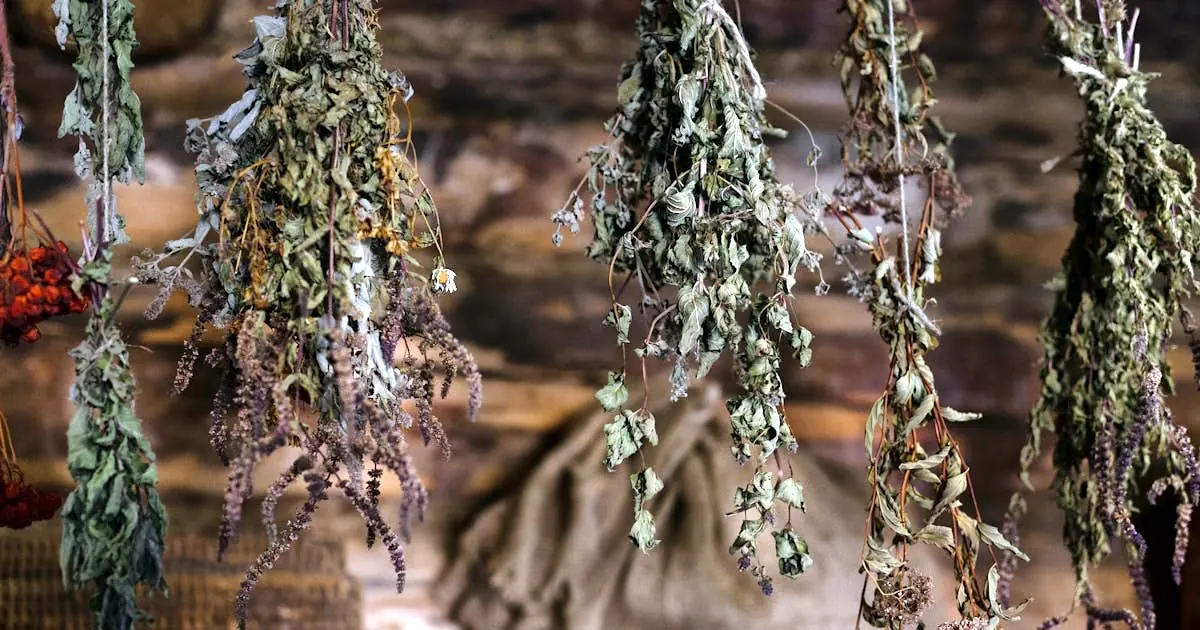
The best way to dry lemon balm is slowly, in shade, with good airflow and low temperatures. Proper drying helps preserve the herb’s delicate essential oils, fresh lemon aroma, green color, and many of the natural compounds that make lemon balm (Melissa officinalis) valuable for tea, relaxation, and herbal use.
Many people make the mistake of drying lemon balm too quickly or at temperatures that are too high. When this happens, the herb may lose much of its characteristic scent because volatile oils gradually evaporate during improper drying and storage.
Fresh lemon balm naturally contains a high amount of water and delicate aromatic compounds. If handled carefully, dried lemon balm can still retain excellent flavor and aroma for many months. However, poor drying methods often produce dull, weak-smelling herbs with far lower quality.
In this guide, you’ll learn:
- how to dry lemon balm correctly,
- the best temperature for drying,
- whether you can use an oven or dehydrator,
- how long lemon balm takes to dry,
- how to preserve essential oils,
- common drying mistakes,
- and how to store dried lemon balm properly.
Don’t forget to read the article with basic knowledge about Lemon Balm : Health Benefits, Uses, and Bioactive Compounds
Why Proper Drying Matters for Lemon Balm
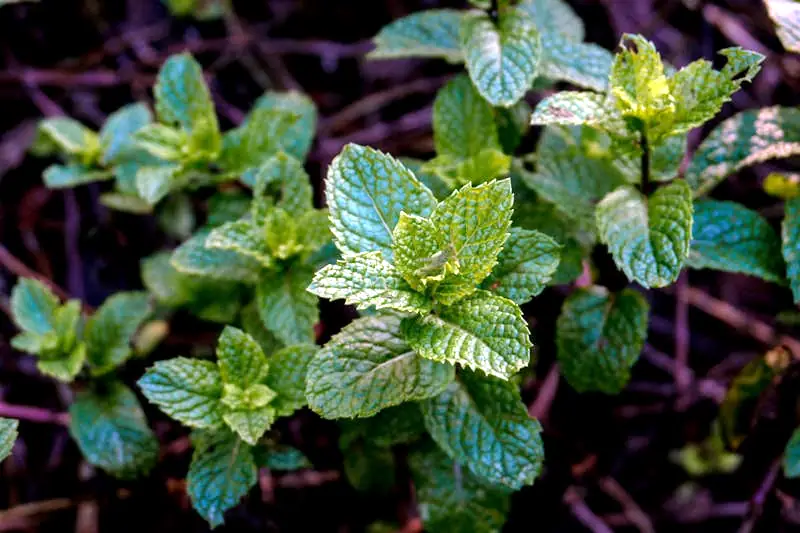
Lemon balm is rich in volatile aromatic compounds such as:
- citral,
- citronellal,
- geraniol,
- and other essential oil components.
These compounds contribute to:
- the plant’s lemon scent,
- flavor,
- calming properties,
- and traditional herbal uses.
The problem is that volatile oils are sensitive to:
- heat,
- oxygen,
- direct sunlight,
- moisture,
- and excessive processing.
Improper drying may significantly reduce:
- aroma,
- freshness,
- and overall herbal quality.
Good drying preserves:
- color,
- fragrance,
- flavor,
- and a larger portion of delicate compounds.
What Fresh Lemon Balm Is Like Before Drying
Fresh lemon balm leaves naturally contain:
- high moisture content,
- aromatic oils,
- polyphenols,
- and delicate plant compounds.
Like many fresh herbs, lemon balm is composed mostly of water. Fresh leaves commonly contain around 70–85% moisture depending on:
- growing conditions,
- harvest timing,
- temperature,
- and plant maturity.
Essential oil content is naturally much lower by weight than water content, but these oils strongly influence aroma and quality even in very small amounts.
Fresh lemon balm with the best quality usually has:
- strong lemon fragrance,
- vibrant green leaves,
- soft texture,
- and healthy undamaged growth.
When to Harvest Lemon Balm for Drying
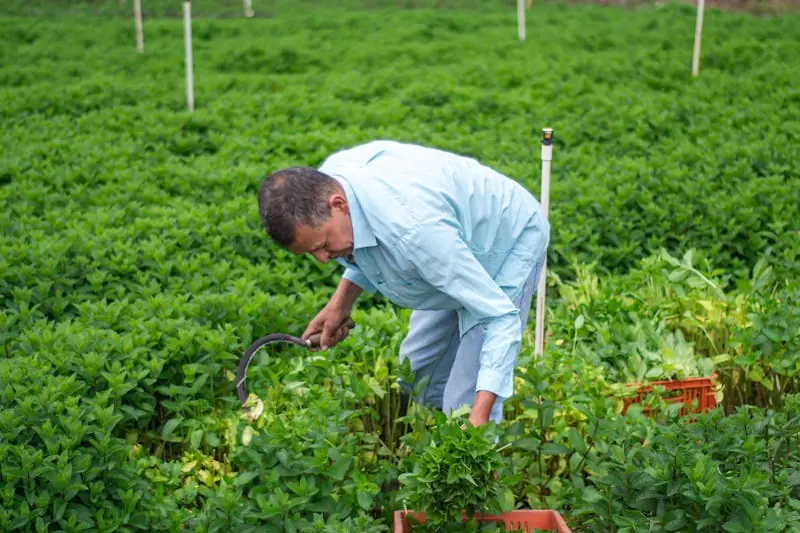
Harvest timing has a major effect on aroma and oil content.
For best results:
- harvest before flowering,
- choose healthy leaves,
- and collect herbs in the morning after dew has evaporated.
Many herbal growers believe lemon balm has its best aroma shortly before flowering because essential oil levels are often higher during this stage.
Avoid harvesting:
- wet leaves,
- damaged plants,
- or herbs exposed to prolonged rain.
Excess moisture increases the risk of mold during drying.
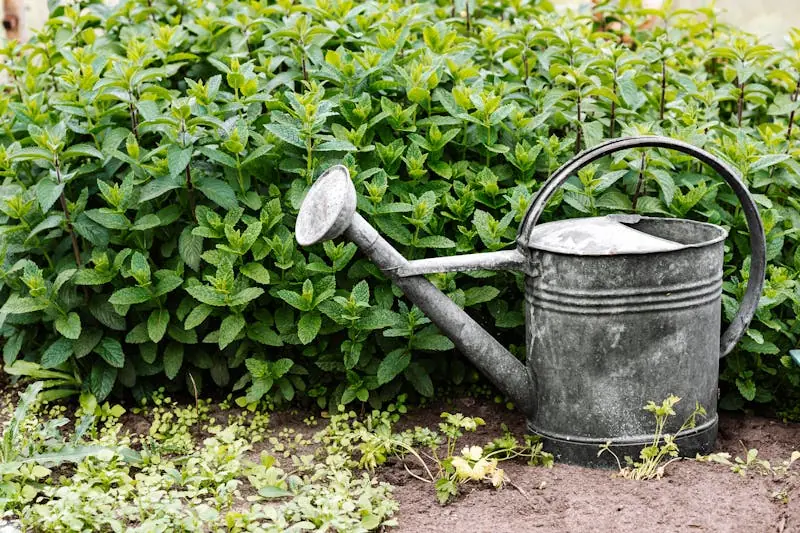
Fresh lemon balm for drying is readily available, but it’s best to grow it yourself.
Learn more about When to Harvest Lemon Balm Correctly And What Mistakes to Avoid
You can read more about Growing Lemon Balm From Seeds or Seedlings at Home And in the Garden.
Best Ways to Dry Lemon Balm
Several drying methods can work well when done properly.
The best method often depends on:
- climate,
- humidity,
- available space,
- and how much lemon balm you are drying.
Air Drying Lemon Balm
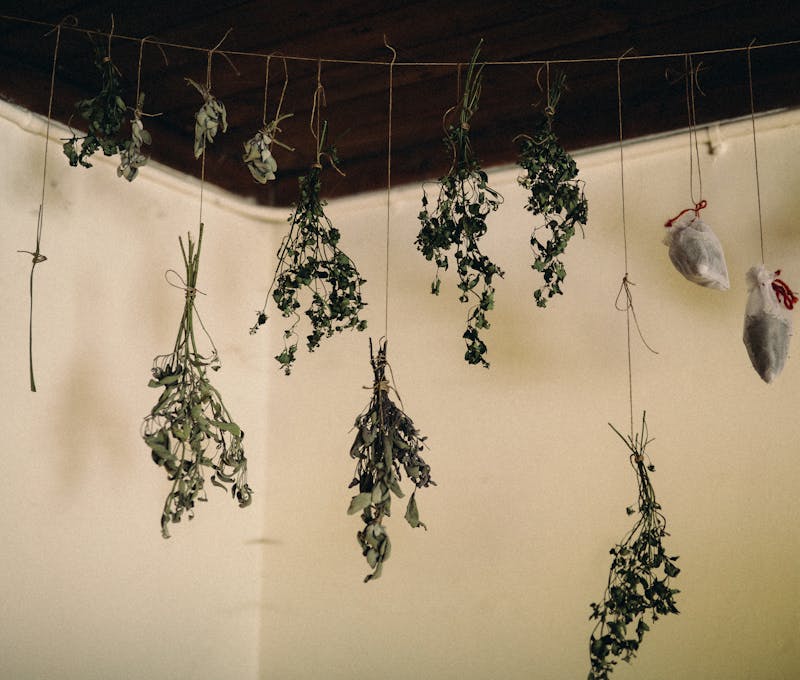
Air drying is one of the most traditional and effective methods.
How to Air Dry Lemon Balm
- Harvest healthy stems.
- Remove damaged leaves.
- Tie small bundles loosely.
- Hang upside down in a shaded, ventilated place.
- Allow airflow around the herbs.
Good locations may include:
- covered porches,
- dry attics,
- ventilated rooms,
- or shaded outdoor spaces.
Advantages of Air Drying
- gentle on volatile oils,
- low cost,
- natural method,
- good aroma preservation.
Disadvantages
- slower drying,
- sensitive to humidity,
- risk of mold in poor airflow.
Drying Lemon Balm on Screens or Trays
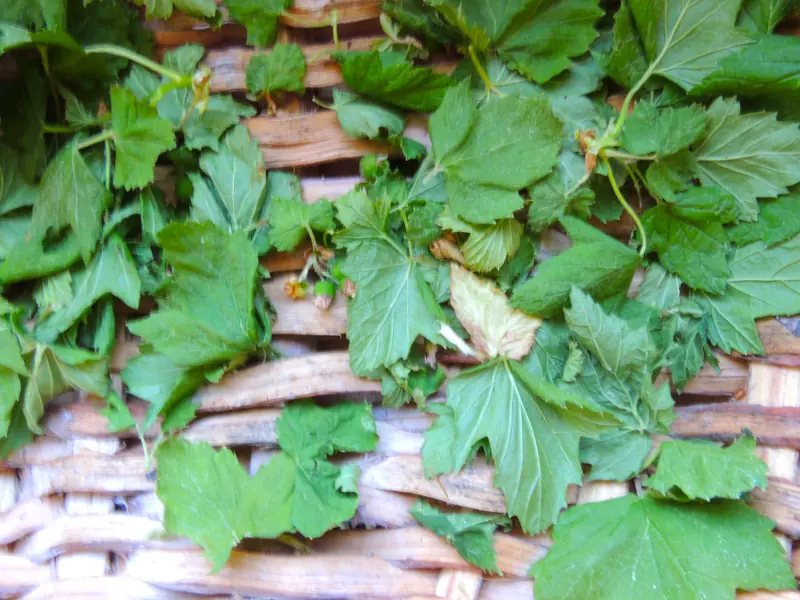
This method works especially well for leaves separated from stems.
Spread leaves in a thin layer on:
- mesh screens,
- drying racks,
- or trays.
Avoid piling leaves on top of each other.
Good airflow is extremely important.
Benefits of Tray Drying
- more even drying,
- reduced mold risk,
- easier inspection,
- good quality preservation.
Using a Food Dehydrator for Lemon Balm
A dehydrator can work very well if temperatures remain low.
Best Temperature for Drying Lemon Balm
Most herbal sources recommend:
- around 95–115°F (35–46°C).
Lower temperatures help preserve:
- aroma,
- color,
- and essential oils.
Advantages of a Dehydrator
- faster drying,
- controlled temperature,
- lower humidity problems,
- reliable results.
Disadvantages
- requires equipment,
- high temperatures may damage oils if settings are incorrect.
Can You Dry Lemon Balm in the Oven?
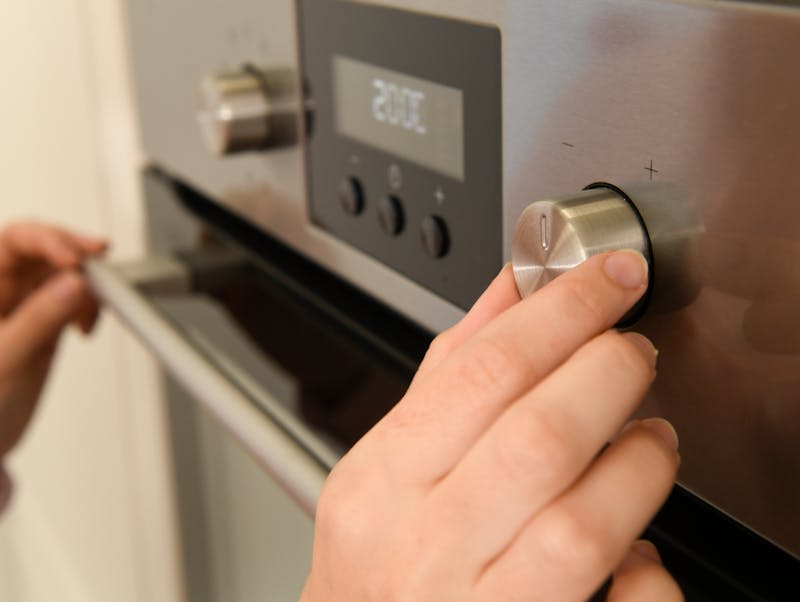
Yes, but caution is necessary.
Oven drying is usually less ideal because many ovens:
- become too hot,
- heat unevenly,
- and may damage delicate oils.
If using an oven:
- use the lowest possible temperature,
- keep the door slightly open,
- and monitor leaves carefully.
Excess heat may quickly reduce aroma.
Should Lemon Balm Be Dried in the Sun?
Usually no.
Direct sunlight may:
- fade leaf color,
- damage volatile oils,
- and reduce aroma.
Lemon balm is generally considered a herb that dries best in shade.
This is especially important for herbs rich in essential oils.
Do All Herbs Need the Same Drying Method?
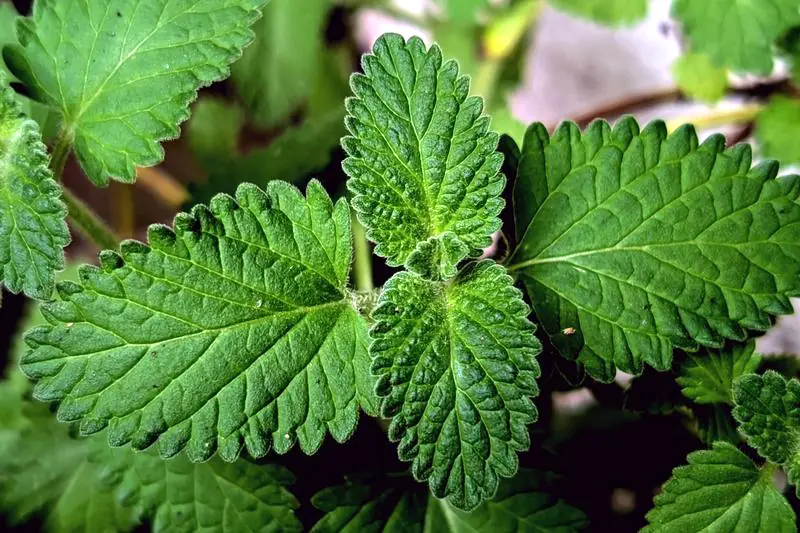
No — different herbs respond differently to drying conditions.
This is an important point many beginners overlook.
Herbs Rich in Delicate Essential Oils
Herbs such as:
- lemon balm,
- mint,
- basil,
- and chamomile
usually benefit from:
- shade drying,
- lower temperatures,
- and gentle handling.
Herbs Sometimes Dried in Sunlight
Some herbs and seeds tolerate stronger sunlight better, depending on:
- oil composition,
- plant structure,
- and intended use.
For example:
- certain roots,
- tougher plant materials,
- or seed heads
may handle more aggressive drying methods better than fragile leafy herbs.
How Long Does Lemon Balm Take to Dry?
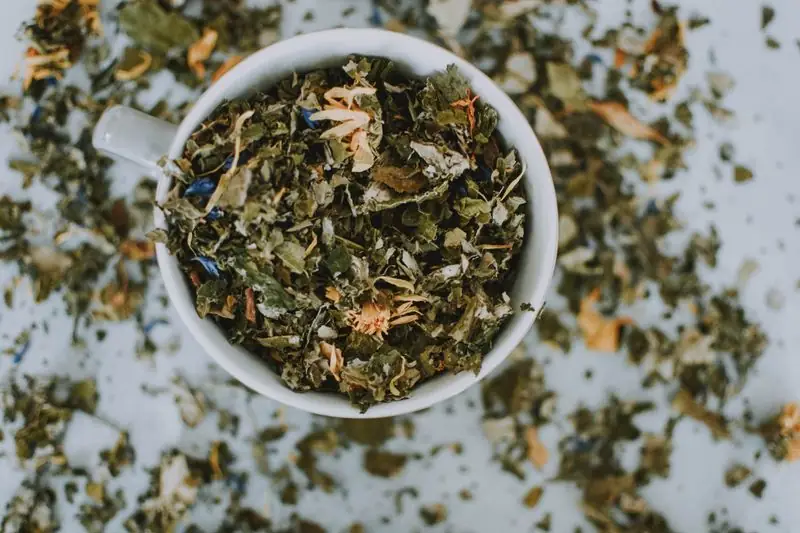
Drying time depends on:
- humidity,
- temperature,
- airflow,
- and drying method.
Typical drying times:
- air drying: about 5–10 days,
- dehydrator: several hours,
- oven drying: usually fastest but riskier.
Properly dried lemon balm should feel:
- dry,
- light,
- and slightly crisp.
Leaves should crumble gently when pressed, but excessive brittleness may indicate overdrying.
How to Tell if Lemon Balm Is Properly Dried
Properly dried lemon balm should:
- retain some green color,
- smell aromatic,
- feel dry but not burned,
- and show minimal browning.
If the herb smells weak or stale, some essential oils may already be lost.
You can read about the differences in nutritional value and aroma of fresh and dried lemon balm in our article
Why Whole Leaves Preserve Aroma Better
One of the biggest mistakes is crushing lemon balm immediately after drying.
Whole leaves help protect delicate volatile oils.
When herbs become:
- powdered,
- finely crushed,
- or heavily fragmented,
much more surface area becomes exposed to oxygen.
This speeds up aroma loss.
That is why high-quality herbal suppliers often sell:
- whole leaves,
- coarse-cut herbs,
- or minimally processed lemon balm.
Common Mistakes When Drying Lemon Balm
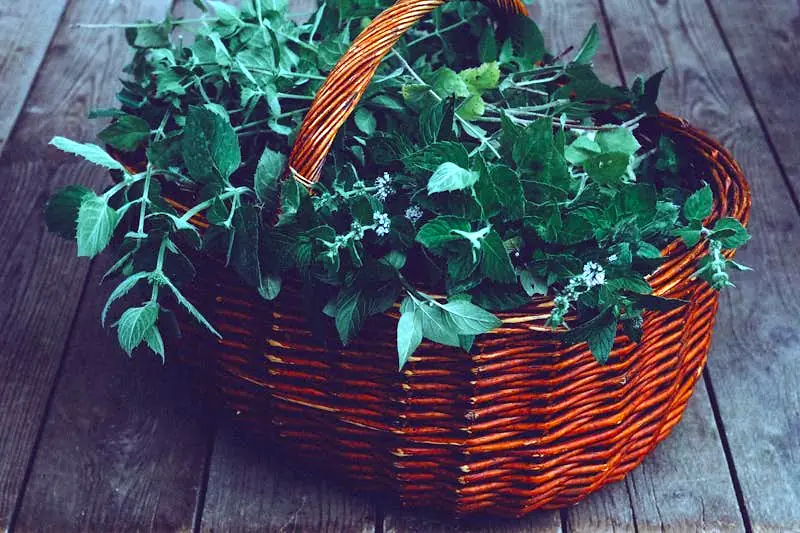
Using Too Much Heat
High temperatures may quickly damage essential oils.
Drying in Direct Sunlight
Strong sun often reduces aroma and color.
Poor Airflow
Poor ventilation increases mold risk.
Drying Thick Bundles
Large bundles trap moisture inside.
Crushing Leaves Too Early
Crushed herbs lose aroma faster.
Storing Herbs Before Fully Dry
Remaining moisture may cause mold growth.
How to Store Dried Lemon Balm Properly
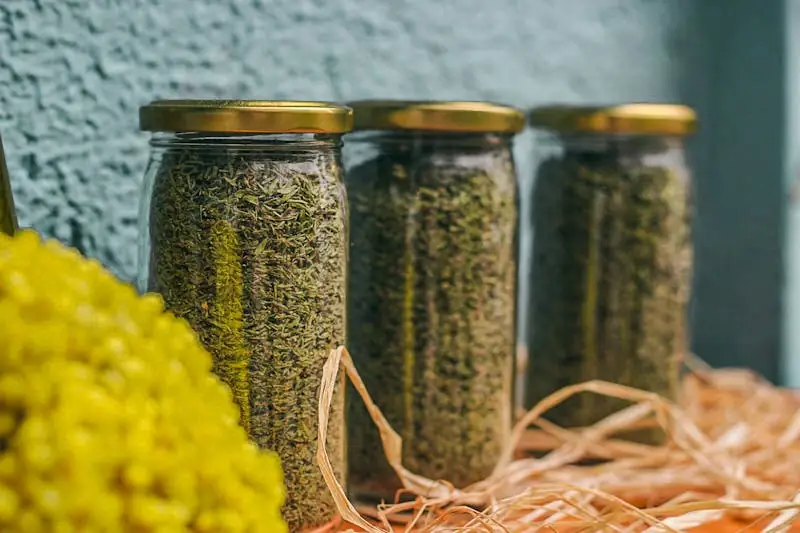
Proper storage is almost as important as proper drying.
For best results:
- use airtight containers,
- keep herbs away from light,
- avoid moisture,
- and store in cool temperatures.
Glass jars often work very well.
Whole leaves generally stay aromatic longer than powdered herbs.
How Long Does Dried Lemon Balm Stay Good?
Properly stored dried lemon balm may retain good quality for:
- about 6–12 months.
However, aroma slowly decreases over time.
For strongest flavor and aroma, many herbal enthusiasts prefer using herbs within the first year.
Can You Freeze Lemon Balm Instead of Drying It?
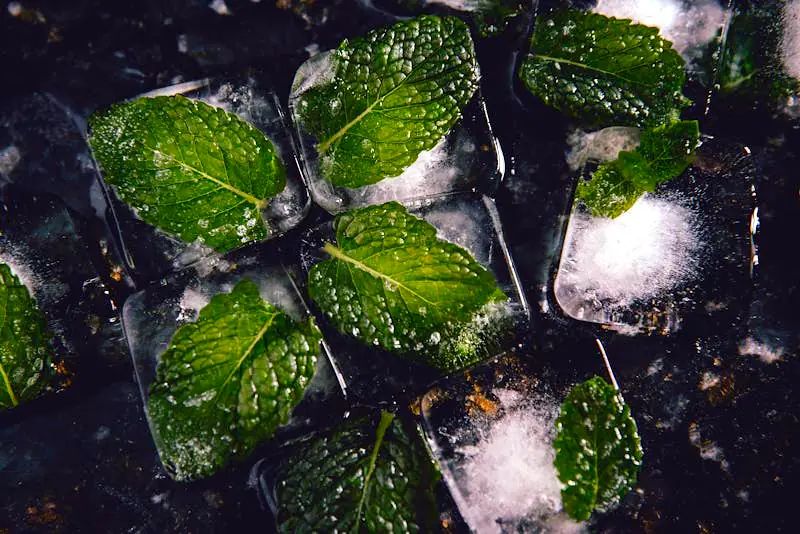
Yes.
Freezing may preserve aroma better than poor drying methods.
Some people freeze:
- whole leaves,
- chopped herbs,
- or lemon balm in ice cube trays.
Frozen lemon balm works especially well for:
- tea,
- drinks,
- and cooking.
Is Homemade Dried Lemon Balm Better Than Store-Bought?
Often yes.
Home drying allows better control over:
- harvest timing,
- temperature,
- airflow,
- and storage.
Commercial lemon balm can vary greatly in quality.
Mass-produced herbs are sometimes:
- old,
- overprocessed,
- or stored improperly.
Freshly dried homemade lemon balm often smells significantly stronger.
Best Tips for Preserving Lemon Balm Aroma
Harvest Before Flowering
This may help maximize aroma.
Dry Slowly
Gentle drying protects volatile oils.
Avoid Sunlight
Shade drying is usually best.
Keep Leaves Whole
Whole leaves preserve aroma longer.
Store in Airtight Containers
Limit exposure to oxygen and moisture.
Read Our Other Articles About Lemon Balm
FAQ About Drying Lemon Balm
What is the best way to dry lemon balm?
Slow shade drying with good airflow is usually considered the best method for preserving aroma and essential oils.
Can you dry lemon balm in the oven?
Yes, but low temperatures and careful monitoring are important to avoid damaging aromatic compounds.
How long does lemon balm take to dry?
Air drying usually takes about 5–10 days depending on humidity and airflow.
Should lemon balm be dried in sunlight?
Generally no. Direct sunlight may reduce aroma and essential oil quality.
Why does dried lemon balm sometimes smell weak?
Improper drying, crushing, old age, or poor storage may cause essential oils to evaporate.
Is fresh lemon balm better than dried?
Fresh lemon balm usually has stronger aroma, but properly dried whole leaves can still provide excellent quality.
How should dried lemon balm be stored?
Store it in airtight containers away from light, heat, and moisture.
Sources
- National Center for Complementary and Integrative Health (NCCIH)
- European Medicines Agency (EMA) herbal monographs
- PubMed scientific database
- Journal of Essential Oil Research
- Journal of Ethnopharmacology
- Molecules
- Phytochemistry Reviews
- Herbal Medicine: Biomolecular and Clinical Aspects
- USDA FoodData Central
Pingback: When to Harvest Lemon Balm for the Best Flavor and Essential Oils