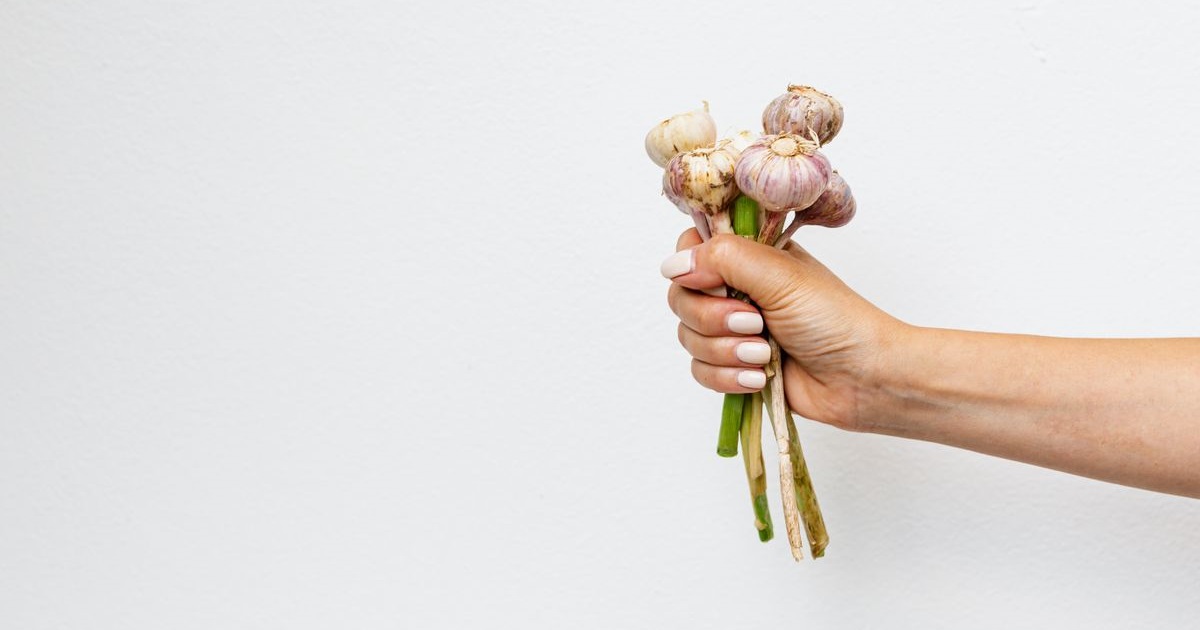
Yes, most toddlers can eat garlic in moderate food amounts, especially when it is cooked and introduced gradually. Cooked garlic is usually easier for toddlers to tolerate than raw garlic because it has a milder flavor and is gentler on the digestive system.
Garlic is commonly used in family meals around the world and contains natural sulfur compounds, antioxidants, and plant substances that researchers continue to study. Still, many parents wonder:
- how much garlic is safe for toddlers,
- whether raw garlic is okay,
- and if garlic may cause side effects in young children.
In this guide, you’ll learn:
- whether toddlers can safely eat garlic,
- possible benefits and risks,
- raw vs cooked garlic differences,
- safe serving ideas,
- and practical tips parents should know.
If you want a complete overview of garlic itself, including nutrients, bioactive compounds, and health effects, read our guide to Garlic: Nutrition, Health Benefits, and Bioactive Compounds.
At What Age Can Toddlers Eat Garlic?

Many children are introduced to small amounts of cooked garlic shortly after starting solid foods.
Garlic is often added to:
- soups,
- pasta sauces,
- vegetable dishes,
- rice meals,
- and homemade family recipes.
Toddlers usually tolerate cooked garlic better than:
- raw garlic,
- garlic juice,
- or concentrated garlic products.
If you are looking for guidance about infants and first introduction stages, read our article Can Babies Eat Garlic at 6 Months?
Is Garlic Safe for Toddlers?
For most healthy toddlers, garlic is considered safe when used in normal food amounts.
Problems are more likely to occur when:
- very large amounts are given,
- garlic is served raw in excess,
- or concentrated supplements are used.
Toddlers are still developing digestive tolerance, so moderation is important.
If you want a broader age-based guide, including older children and possible side effects, see Is Garlic Safe for Kids? Benefits, Risks, and Safe Ways to Serve It.
Cooked Garlic vs Raw Garlic for Toddlers
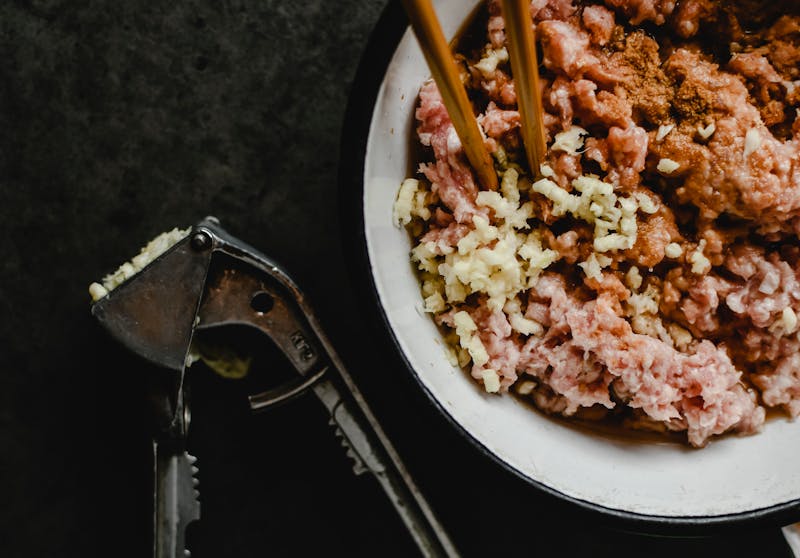
One of the most common questions parents ask is whether toddlers should eat raw or cooked garlic.
Cooked Garlic Is Usually Better for Toddlers
Cooked garlic becomes:
- softer,
- milder,
- slightly sweeter,
- and easier to digest.
Cooking also reduces some of the sharp sulfur compounds responsible for garlic’s intense flavor.
This is why cooked garlic is usually the best starting option for toddlers.
Raw Garlic Can Be Too Strong for Some Toddlers
Raw garlic has a much more intense taste and may irritate:
- the mouth,
- stomach,
- or digestive tract.
Large amounts of raw garlic may cause:
- stomach discomfort,
- gas,
- nausea,
- or burning sensation.
If you want to understand the nutritional and chemical differences between fresh raw garlic and cooked garlic, read Raw vs Cooked Garlic: Nutritional Differences, Bioactive Compounds, and Health Effects.
Can Garlic Be Good for Toddlers?
Garlic contains several biologically active compounds, including:
- allicin,
- sulfur compounds,
- flavonoids,
- and antioxidants.
Researchers continue studying garlic because of its:
- antioxidant activity,
- antimicrobial properties,
- and nutritional value.
When included as part of a balanced diet, garlic may help toddlers become familiar with:
- savory flavors,
- herbs,
- vegetables,
- and diverse foods.
Garlic and Toddlers’ Immune System
Many parents search for garlic because of its traditional reputation for supporting the immune system.
Garlic has been widely studied for compounds associated with:
- antioxidant activity,
- immune responses,
- and antimicrobial effects.
However, no single food can magically prevent illness.
Healthy routines remain most important, including:
- sleep,
- hydration,
- balanced meals,
- outdoor activity,
- and proper medical care.
Can Toddlers Eat Garlic During Colds?
Warm meals containing garlic are commonly served during:
- colds,
- winter illnesses,
- and seasonal infections.
Garlic is often added to:
- soups,
- broths,
- sauces,
- and warm vegetable dishes.
Warm meals themselves may help provide:
- comfort,
- hydration,
- and nourishment.
Still, garlic should never replace medical treatment when a child is seriously ill.
Does Garlic Cause Gas or Stomach Problems in Toddlers?

Sometimes.
Some toddlers may be sensitive to garlic, especially:
- raw garlic,
- large amounts,
- or highly seasoned meals.
Possible digestive effects may include:
- gas,
- bloating,
- stomach discomfort,
- or loose stools.
Introducing garlic gradually is usually the safest approach.
Garlic can cause side effects in everyone, regardless of age. You can read more about side effects, including stomach pain and diarrhea, in our article.
Can Toddlers Be Allergic to Garlic?
Yes, although garlic allergy is relatively uncommon.
Possible symptoms may include:
- rash,
- itching,
- swelling,
- digestive upset,
- or irritation around the mouth.
Some children may also experience garlic intolerance rather than true allergy.
In our article we write in detail about the symptoms of garlic allergy, how to recognize it and side effects.
Garlic allergy is a contraindication to consuming garlic by anyone. In our article you will read about garlic allergy, how to diagnose it and side effects.
Fresh Garlic vs Garlic Powder for Toddlers
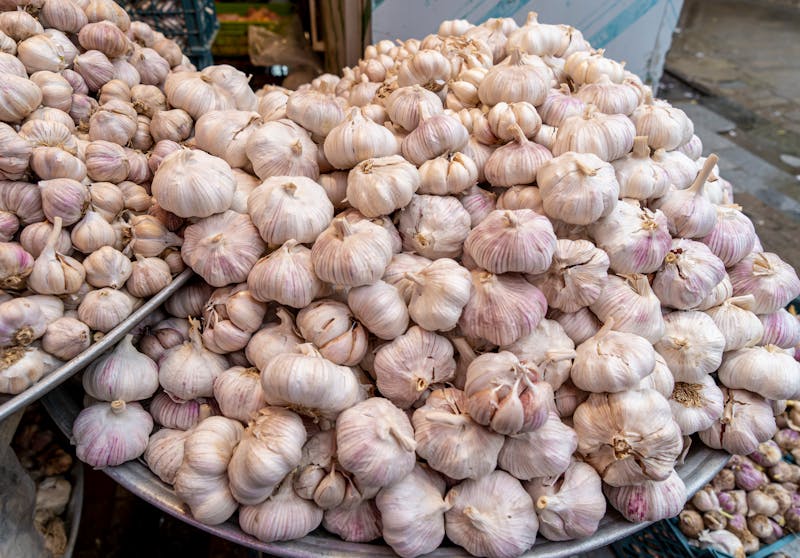
Fresh garlic generally contains:
- stronger flavor,
- more sulfur compounds,
- and higher aroma intensity.
Garlic powder is often:
- milder,
- easier to mix into food,
- and more convenient for small portions.
However, quality varies greatly between products.
You can read more about the differences between fresh and powdered garlic, health properties and bioactive ingredients in our guide.
Best Ways to Serve Garlic to Toddlers
Garlic in Soups
Soft cooked garlic blends easily into soups and broths.
Garlic in Pasta Sauce
One of the easiest toddler-friendly options.
Roasted Garlic
Roasting makes garlic:
- sweeter,
- softer,
- and less pungent.
Garlic With Vegetables
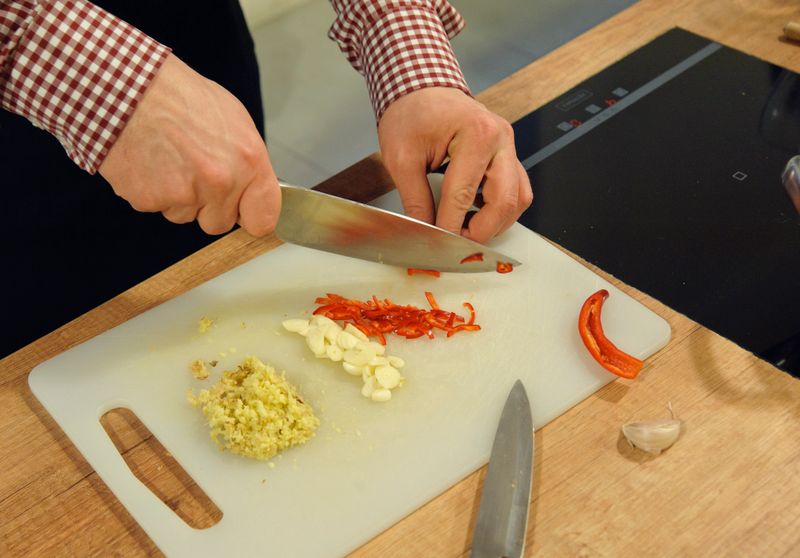
Garlic works well with:
- potatoes,
- carrots,
- zucchini,
- rice,
- and mild vegetable dishes.
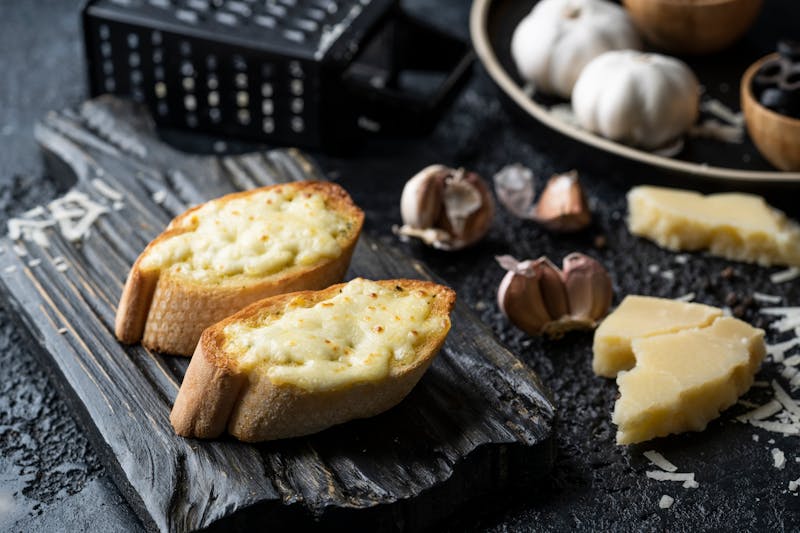
Garlic Bread for Toddlers
Small amounts of mild garlic bread are usually fine for many toddlers.
However, very salty or heavily seasoned versions may not be ideal.
Should Toddlers Take Garlic Supplements?
Garlic supplements are very different from normal culinary garlic.
Concentrated products may be:
- too strong for toddlers,
- irritating,
- or inappropriate without professional guidance.
Parents should speak with a healthcare professional before using:
- garlic capsules,
- extracts,
- oils,
- or concentrated remedies.
Common Mistakes Parents Make With Garlic
Giving Too Much Raw Garlic
Raw garlic is much stronger than cooked garlic.
Assuming Natural Foods Cannot Cause Reactions
Even common foods may irritate sensitive children.
Using Garlic as a Medical Replacement
Garlic should not replace proper medical evaluation or treatment.
Introducing Strong Garlic Too Quickly
Gradual introduction is usually best.
Garlic and Herbal Teas for Toddlers
Some parents interested in garlic also search for gentle herbal options for children.
If you are interested in calming herbal teas and child safety, you may also want to read:
- Can Babies Drink Lemon Balm Tea? Safety, Age, and What Parents Should Know
- Is Lemon Balm Safe for Kids? Benefits, Dosage, and Side Effects
Readers Also Enjoyed
FAQ About Garlic for Toddlers
Can toddlers eat garlic?
Yes, most toddlers can safely eat moderate amounts of cooked garlic.
Is raw garlic safe for toddlers?
Raw garlic is much stronger and may irritate some toddlers’ digestive systems.
What is the best way to serve garlic to toddlers?
Cooked garlic in soups, sauces, and roasted dishes is usually easiest to tolerate.
Can garlic upset a toddler’s stomach?
Sometimes, especially in large amounts or when served raw.
Can toddlers eat garlic bread?
Small amounts are usually fine if the seasoning is not too strong or salty.
Can toddlers take garlic supplements?
Parents should speak with a healthcare professional before giving concentrated garlic supplements.
Is cooked garlic better than raw garlic for toddlers?
Cooked garlic is generally milder and easier to digest.
Sources
- American Academy of Pediatrics (AAP)
- National Center for Complementary and Integrative Health (NCCIH)
- World Health Organization (WHO)
- PubMed scientific database
- USDA FoodData Central
- Journal of Nutrition
- Molecules
- Frontiers in Nutrition
- Journal of Ethnopharmacology