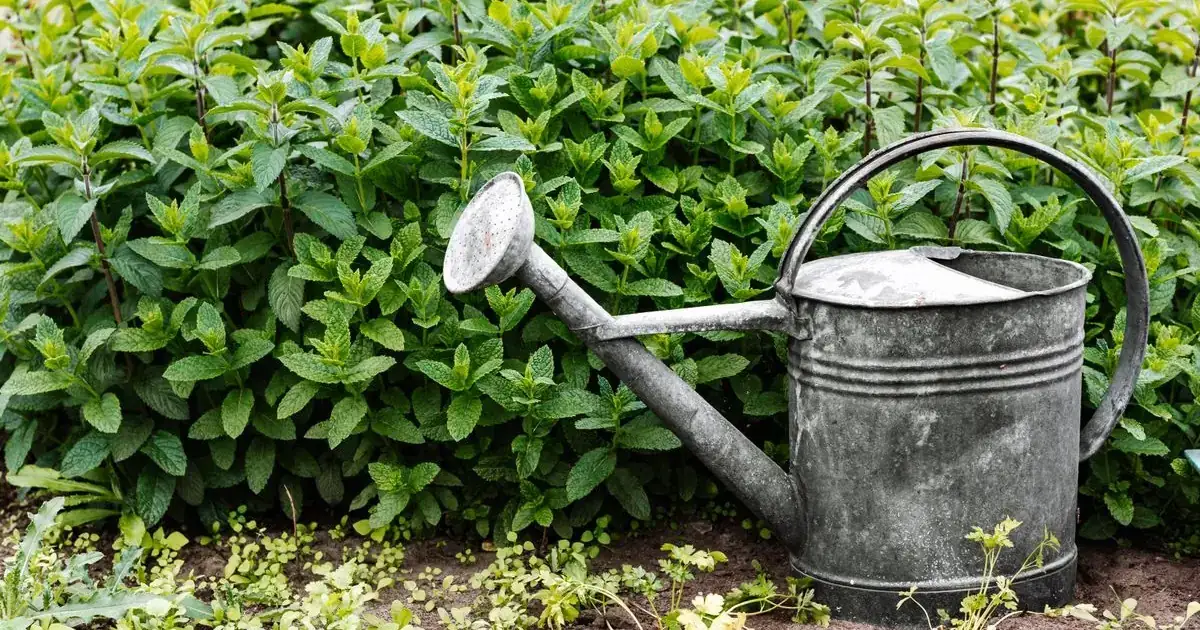
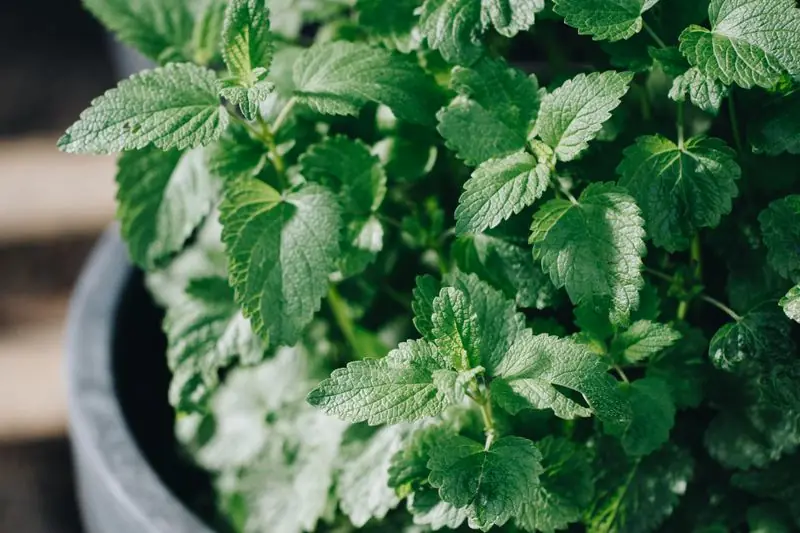
Growing lemon balm (Melissa officinalis) is one of the easiest ways to enjoy fresh, fragrant herbs at home. It grows well in pots, raised beds, and garden borders, tolerates cold winters in many climates, and requires relatively little care once established. Even better, freshly picked lemon balm has the richest aroma and the highest concentration of volatile essential oils, making it the best choice for herbal tea, salads, desserts, and everyday cooking.
There is something especially satisfying about growing a healthy lemon balm plant from a tiny seed. Watching the first seedlings emerge, caring for the plant, and eventually harvesting your own aromatic leaves is rewarding in a way that store-bought herbs never quite match. If you prefer a quicker start, however, there’s nothing wrong with buying a young plant from a garden center. In fact, one mature plant can often be divided into several smaller plants after a season or two, giving you even more lemon balm with very little effort.
If you’d like to learn more about the plant itself, its bioactive compounds, traditional uses, and health benefits, read our complete guide: Lemon Balm (Melissa officinalis): Health Benefits, Uses, and Bioactive Compounds.
Why Grow Your Own Lemon Balm?
Home-grown lemon balm offers several advantages over dried herbs purchased in stores.
Fresh leaves:
- have the strongest lemon aroma,
- contain the highest amount of volatile essential oils,
- are perfect for salads and cold drinks,
- can be harvested whenever needed,
- are inexpensive once the plant is established.
Growing your own also lets you avoid old or poorly stored dried herbs that may have lost much of their natural fragrance.
Is Lemon Balm Easy to Grow?
Yes.
Lemon balm is considered one of the easiest culinary and medicinal herbs for beginners.
It grows quickly, adapts well to different conditions, and forgives small gardening mistakes.
Once established, many gardeners find that lemon balm almost grows too well.
Should You Grow Lemon Balm From Seed or Buy a Plant?
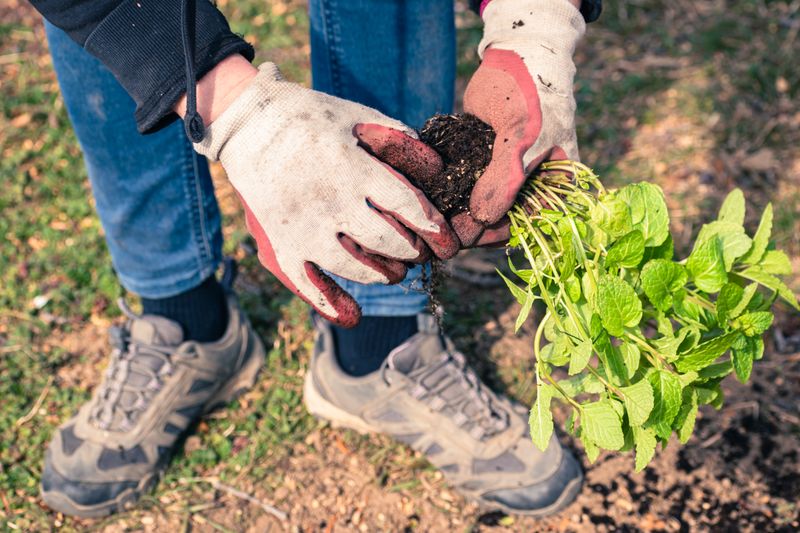
Both methods work well, but each has advantages.
Growing From Seed
Starting from seed takes more patience but offers tremendous satisfaction.
Benefits include:
- lower cost,
- more plants,
- watching the entire life cycle,
- choosing your own growing conditions.
Seeds usually germinate within one to three weeks under suitable conditions.
Buying a Young Plant
If you don’t want to wait, buying a healthy young plant is the fastest option.
A nursery-grown lemon balm can often be harvested within weeks.
An added bonus is that mature plants can usually be divided after they become well established. One plant can easily become two, three, or even more plants over time.
When Is the Best Time to Plant Lemon Balm?
The ideal planting time depends on your climate.
Generally:
- sow seeds indoors in late winter or early spring,
- transplant outdoors after the last frost,
- sow directly outdoors once the soil has warmed.
Lemon balm enjoys a long growing season and can often be harvested repeatedly throughout summer.
How to Grow Lemon Balm From Seed
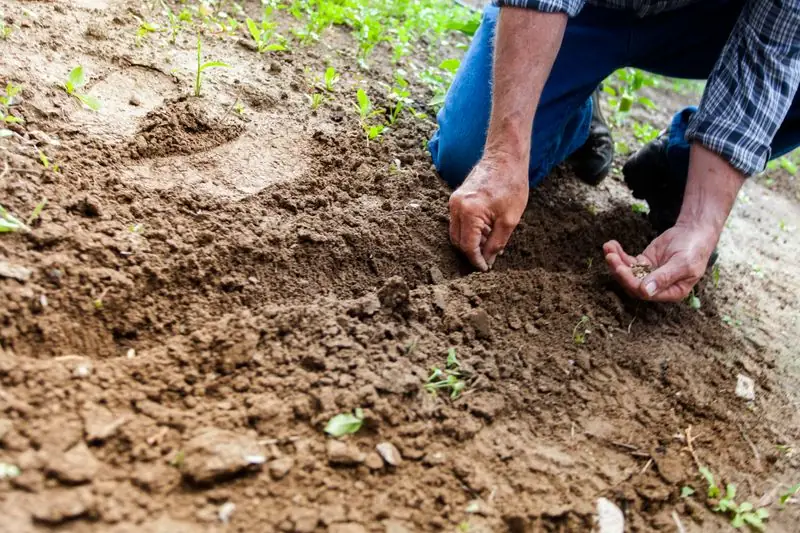
Growing from seed is straightforward.
Step 1
Fill seed trays or small pots with a quality seed-starting mix.
Step 2
Scatter the seeds lightly over the surface.
Lemon balm seeds need light to germinate, so do not bury them deeply. A very thin covering of fine soil or vermiculite is sufficient.
Step 3
Keep the soil evenly moist but never waterlogged.
Step 4
Place the containers in a bright location.
Temperatures around 18–22°C (64–72°F) generally provide good germination conditions.
Step 5
Once seedlings develop several true leaves, transplant them into larger pots or into the garden.
The Best Soil for Lemon Balm
Lemon balm prefers:
- fertile soil,
- good drainage,
- moderate moisture,
- plenty of organic matter.
A loose, well-drained soil allows the roots to develop properly while reducing the risk of root problems.
If your garden soil is heavy clay, improve it with compost before planting.
What Is the Best Soil pH?
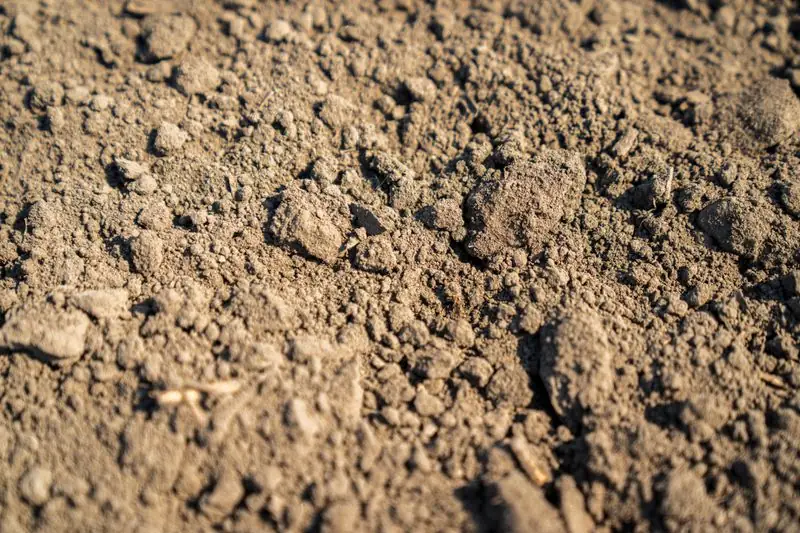
Lemon balm grows best in slightly acidic to neutral soil.
A pH of approximately:
6.0–7.5
is generally considered ideal.
Fortunately, the plant tolerates small variations quite well.
What If You Don’t Know Your Soil Type?
Many beginners have no idea whether their soil is sandy, clay-based, acidic, or alkaline—and that’s perfectly normal.
The easiest solution is to use a good-quality universal garden compost or potting mix from a reputable manufacturer.
For garden beds, simply mixing compost into the existing soil often provides excellent growing conditions without the need for complicated testing.
If you become interested in gardening later, you can always test your soil, but it isn’t necessary to grow healthy lemon balm.
How Much Sun Does Lemon Balm Need?
Lemon balm grows best in:
- full sun,
- or partial shade.
In very hot climates, afternoon shade may help prevent excessive drying.
Plants grown in moderate sunlight often produce tender, aromatic leaves.
How Often Should You Water Lemon Balm?
Lemon balm prefers consistently moist soil.
Water:
- when the top layer of soil begins to dry,
- more frequently during hot weather,
- less often during cool, rainy periods.
Avoid constantly soggy soil, as excessive moisture can damage the roots.
Does Lemon Balm Need Fertilizer?
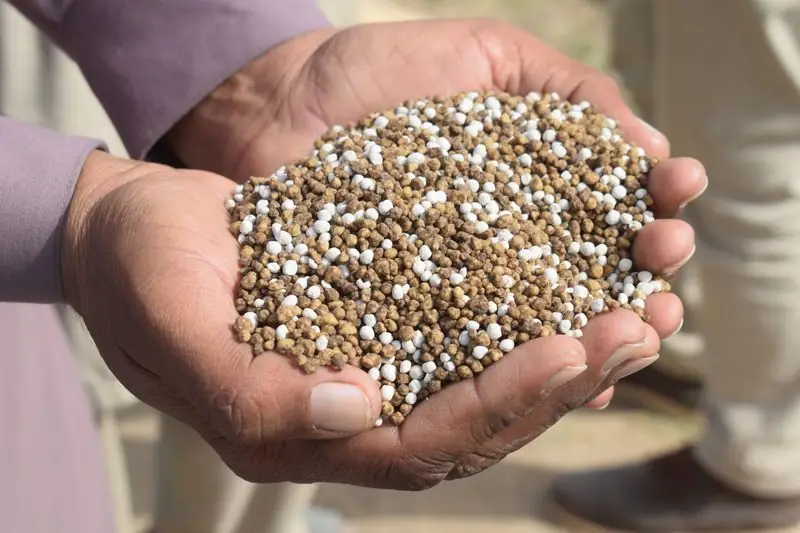
Usually, not much.
Excessive fertilization may encourage lush growth but can sometimes reduce the concentration of aromatic compounds.
For most home gardens:
- compost,
- well-rotted organic matter,
- or a balanced slow-release fertilizer
is sufficient once or twice during the growing season.
Growing Lemon Balm in Pots
Container growing is an excellent option.
Advantages
- easy access from the kitchen,
- portable,
- suitable for balconies,
- helps limit spreading,
- simple to protect during extreme weather.
Disadvantages
- requires more frequent watering,
- nutrients are depleted faster,
- roots have less space.
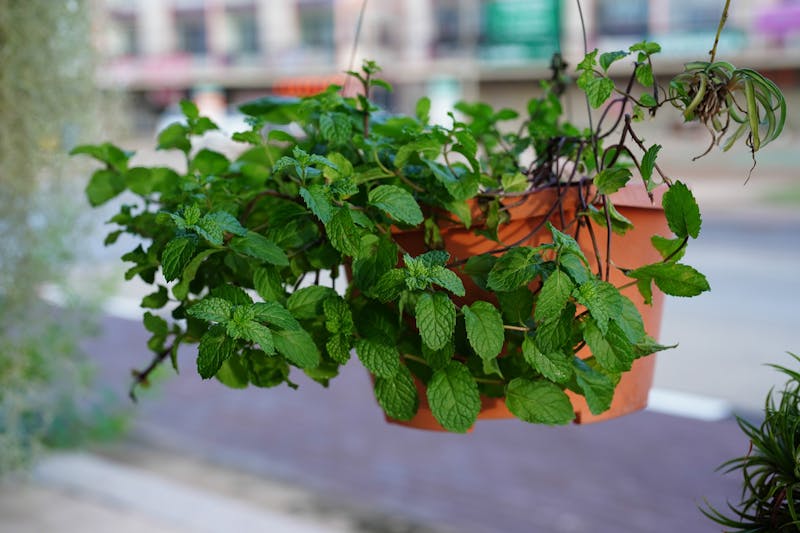
Choose a pot with drainage holes that is at least 20–30 cm (8–12 inches) wide.
Growing Lemon Balm in the Garden
Garden-grown plants usually become larger than those grown in containers.
Advantages
- vigorous growth,
- less frequent watering,
- larger harvests,
- long lifespan.
Disadvantages
- spreads easily if left unchecked,
- harder to relocate,
- may compete with neighboring plants.
Many gardeners intentionally grow lemon balm near vegetable beds because its flowers attract bees and other pollinators.
Does Lemon Balm Survive Winter?
Yes.
Lemon balm is remarkably hardy.
In many regions it survives winter temperatures well below freezing and regrows from the roots each spring.
The above-ground stems often die back after frost, but new shoots usually emerge once temperatures rise.
Adding a light layer of mulch can help protect the roots in colder climates.
Does Lemon Balm Spread?
Yes.
Lemon balm spreads both by seed and by expanding clumps.
Without occasional pruning or division, it may gradually occupy more space than originally intended.
Fortunately, this also means you’ll rarely run out of fresh leaves.
When Can You Harvest Lemon Balm?
Most gardeners begin harvesting once the plant is well established.
The best leaves are:
- young,
- healthy,
- bright green,
- and harvested before flowering whenever possible.
Morning harvest, after the dew has dried but before the heat of the day, is often recommended because the leaves tend to contain abundant aromatic oils.
How to Harvest Lemon Balm Without Damaging the Plant
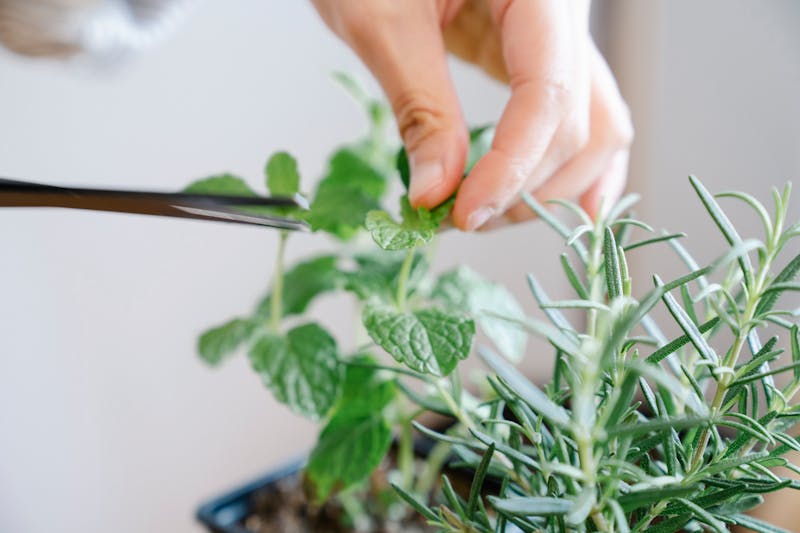
Use clean scissors or pruning shears.
Rather than removing individual leaves one by one, cut stems just above a pair of leaves.
This encourages the plant to produce new shoots and become bushier.
Never remove more than about one-third of the plant at a time.
Learn more about How to Harvest Lemon Balm Properly and What Mistakes to Avoid.
What Is the Best Way to Preserve Lemon Balm?
Fresh lemon balm is always the most aromatic.
If you have more than you can use, you can:
- dry it,
- freeze it,
- prepare herb-infused oils,
- or make herbal ice cubes.
For drying instructions, see our guide:
How to Dry Lemon Balm Properly Without Losing Aroma and Essential Oils.
You may also find helpful:
Fresh vs Dried Lemon Balm: Differences in Aroma, Benefits, and Uses.
Common Growing Mistakes
Overwatering
Constantly wet soil can damage the roots.
Planting in Heavy Clay
Poor drainage reduces healthy root development.
Harvesting Too Late
Leaves harvested after prolonged flowering often lose some tenderness and aroma.
Letting the Plant Spread Unchecked
Lemon balm can self-seed readily in favorable conditions.
Ignoring Fresh Leaves
Freshly harvested lemon balm offers the richest flavor, strongest aroma, and the highest levels of volatile essential oils, making it ideal for salads, cold drinks, and recipes where the herb is not cooked.
Readers Also Enjoyed
Frequently Asked Questions
Is lemon balm easy to grow?
Yes. It is considered one of the easiest herbs for beginners.
Can I grow lemon balm indoors?
Yes. A bright windowsill with several hours of sunlight works well.
Does lemon balm come back every year?
Yes. Lemon balm is a perennial and usually regrows each spring.
Does lemon balm survive frost?
Yes. Established plants are generally frost-hardy in many temperate climates.
Can lemon balm grow in pots?
Absolutely. Container growing is one of the best ways to manage its spreading habit.
How often should I water lemon balm?
Water when the top layer of soil feels dry, avoiding prolonged waterlogging.
Is fresh lemon balm better than dried?
For cooking and raw dishes, fresh lemon balm usually offers the best aroma, flavor, and the highest amount of volatile essential oils.
Sources
- Royal Horticultural Society (RHS)
- Missouri Botanical Garden
- European Medicines Agency (EMA) Herbal Monograph on Melissa officinalis
- National Center for Complementary and Integrative Health (NCCIH)
- PubMed Scientific Database
- USDA Plant Database
- Journal of Ethnopharmacology
- Herbal Medicine: Biomolecular and Clinical Aspects
Pingback: Is Lemon Balm Related to Lemons? Why It Smells Like Lemon but Isn't Citrus