
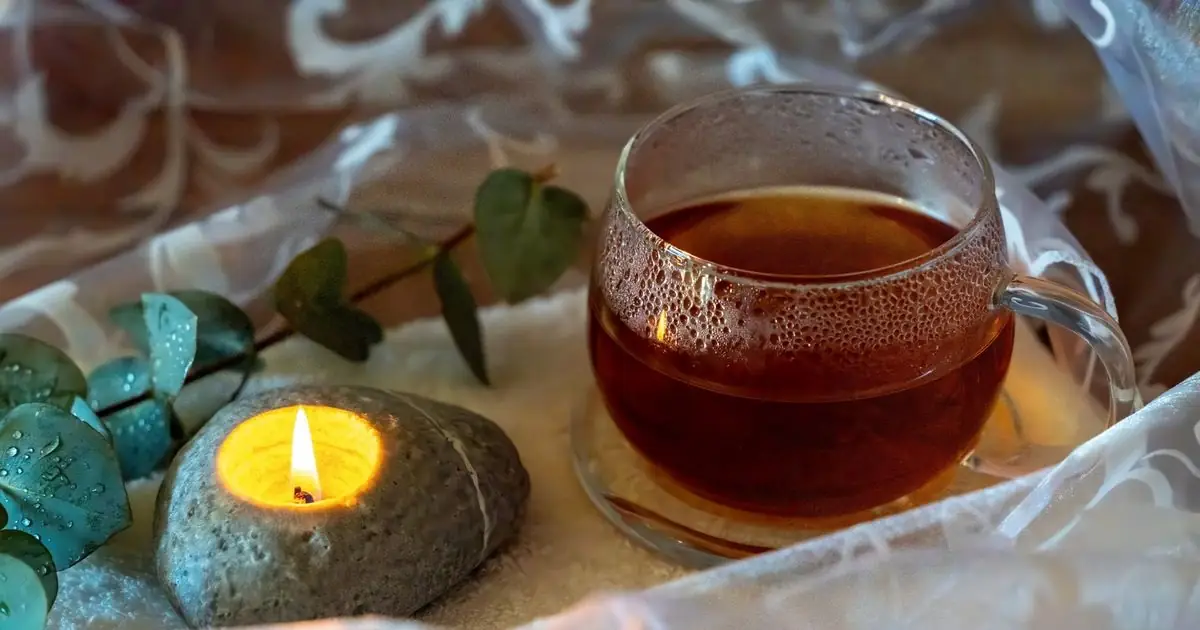
Lemon balm and valerian may help improve sleep and reduce feelings of stress or anxiety, especially when used together before bedtime. Lemon balm is best known for its calming effects and ability to help quiet a busy mind, while valerian is traditionally used to support falling asleep and improving sleep quality. This combination is commonly found in herbal sleep teas and supplements because the two herbs may complement each other.
Millions of people struggle with occasional sleeplessness, nighttime restlessness, stress, or difficulty unwinding after a busy day. While lifestyle factors remain the foundation of healthy sleep, some herbs have a long history of use as natural sleep aids. Among the most popular are lemon balm (Melissa officinalis) and valerian (Valeriana officinalis).
Research suggests that compounds found in these plants may influence pathways involved in relaxation and nervous system regulation. For this reason, lemon balm and valerian are often used together by people looking for a natural way to support better sleep and a calmer evening routine.
If you would like to learn more about lemon balm, its bioactive compounds, traditional uses, and health benefits, read our complete guide: Lemon Balm (Melissa officinalis): Health Benefits, Uses, and Bioactive Compounds.
What Are Lemon Balm and Valerian?
Although both herbs are commonly used for relaxation, they are quite different plants.
Lemon Balm
Lemon balm is a member of the mint family and is known for its fresh citrus aroma.
It has traditionally been used for:
- relaxation,
- mild nervous tension,
- digestive comfort,
- sleep support,
- and overall well-being.
Its main bioactive compounds include:
- rosmarinic acid,
- flavonoids,
- triterpenes,
- and volatile oils.
Valerian
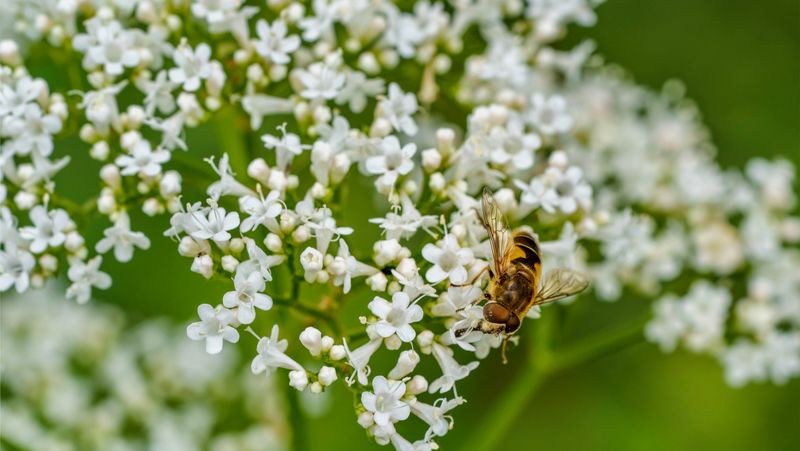
Valerian is a perennial herb whose root is commonly used in herbal medicine.
Unlike lemon balm, valerian is primarily associated with:
- sleep support,
- relaxation,
- and occasional anxiety.
Valerian root contains compounds such as:
- valerenic acid,
- valepotriates,
- and various volatile oils.
These compounds are believed to influence neurotransmitter systems involved in relaxation.
Can You Take Lemon Balm and Valerian Together?
Yes.
Lemon balm and valerian are frequently combined in herbal products designed for:
- sleep,
- relaxation,
- stress management,
- and nervous tension.
Because the herbs have somewhat different mechanisms of action, many herbalists consider them complementary.
In fact, some of the most popular bedtime herbal formulas contain:
- lemon balm,
- valerian,
- chamomile,
- passionflower,
- or lavender.
For most healthy adults, combining lemon balm and valerian in moderate amounts is generally considered acceptable.
Benefits of Lemon Balm and Valerian for Sleep
Sleep support is one of the main reasons people combine these herbs.
Potential benefits may include:
- easier relaxation before bed,
- reduced nighttime restlessness,
- improved ability to unwind,
- support for healthy sleep habits,
- and a calming bedtime routine.
Lemon balm is often associated with calming an overactive mind, while valerian is more commonly linked to sleep support itself.
Because of these complementary roles, many people find the combination more helpful than using either herb alone.
For more information on lemon balm specifically, see our guide: Lemon Balm for Sleep: Benefits, Best Time to Drink It, and Possible Side Effects.
Benefits of Lemon Balm and Valerian for Anxiety
Many people use lemon balm and valerian during periods of stress or occasional anxiety.
Potential benefits may include:
- reduced nervous tension,
- improved relaxation,
- better stress management,
- and greater feelings of calmness.
It is important to remember that herbal products are not substitutes for professional medical treatment of anxiety disorders.
However, many individuals find that herbal teas and relaxation rituals can be helpful additions to an overall wellness routine.
How Lemon Balm and Valerian May Reduce Stress
Researchers believe both herbs may influence pathways involved in nervous system regulation.
Lemon Balm
Research suggests lemon balm may support GABA-related activity.
GABA is a neurotransmitter associated with calmness and relaxation.
Valerian
Valerian has also been studied for its effects on GABA signaling and nervous system function.
Although the exact mechanisms remain under investigation, this may help explain why valerian has been traditionally used for sleep and relaxation.
Together, these herbs may help create a greater sense of calm before bedtime or during stressful periods.
Which Is Better for Sleep: Lemon Balm or Valerian?
The answer depends on the individual.
Lemon Balm May Be Better If:
- stress keeps you awake,
- your mind races at night,
- you prefer herbal teas,
- you want a mild calming herb.
Valerian May Be Better If:
- falling asleep is the main problem,
- you prefer stronger sleep-support herbs,
- you are looking for a more traditional sleep-focused remedy.
Many people choose to use both.
Best Time to Take Lemon Balm and Valerian
Most people use these herbs:
- 30–60 minutes before bedtime,
- during evening relaxation,
- or before stressful situations.
Consistency often matters more than exact timing.
Using herbal tea as part of a regular evening routine may provide better results than occasional use.
Recommended Dosage
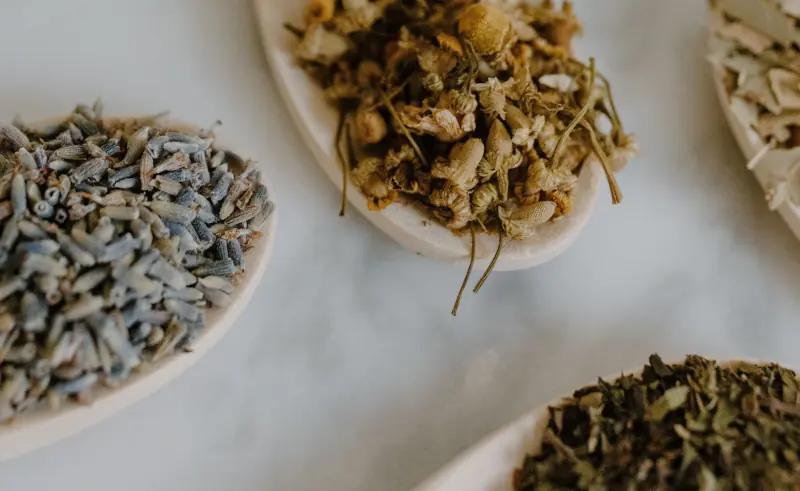
Dosage varies depending on the preparation.
Lemon Balm Tea
A common preparation uses:
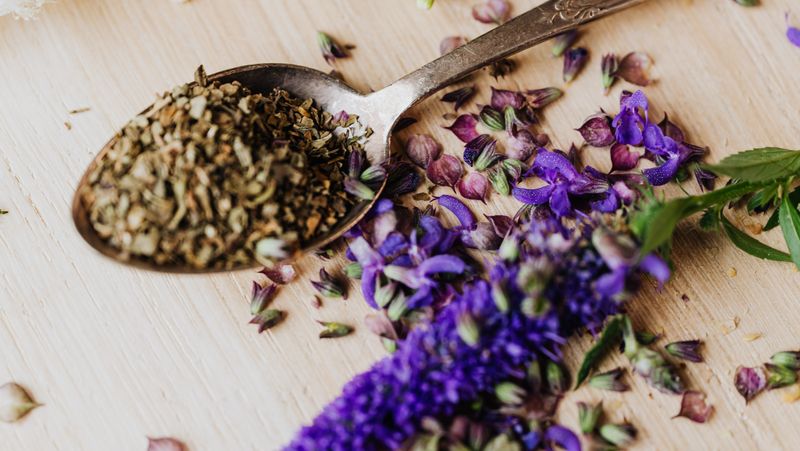
- 1–2 teaspoons dried lemon balm
- per cup of hot water.
Valerian Tea
Valerian root tea is often prepared using:
- 2–3 grams of dried root
- per cup of water.
Combination Tea
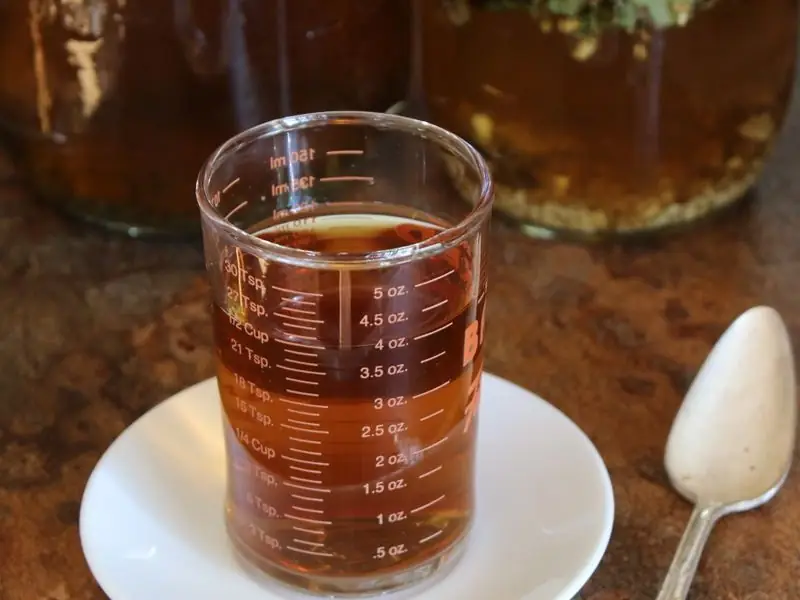
A simple bedtime blend may include:
- 2 parts lemon balm
- 1 part valerian root
This ratio provides a pleasant flavor while limiting valerian’s strong earthy taste.
Always follow product label instructions when using capsules, extracts, or supplements.
Can Lemon Balm and Valerian Affect Driving or Operating Machinery?
Yes.
This is an important safety consideration.
Because both herbs may promote relaxation and drowsiness, some individuals may experience:
- reduced alertness,
- slower reaction times,
- increased sleepiness,
- or impaired concentration.
The risk may be greater when:
- taking high doses,
- combining the herbs with alcohol,
- using sedative medications,
- or consuming them during the day.
For this reason, it is wise to avoid driving, operating machinery, or performing potentially hazardous tasks until you know how these herbs affect you personally.
Many people reserve lemon balm and valerian specifically for evening use.

Possible Side Effects
Although generally well tolerated, side effects can occur.
Potential side effects include:
- drowsiness,
- fatigue,
- headache,
- dizziness,
- digestive discomfort,
- nausea,
- vivid dreams,
- dry mouth.
Most side effects are mild and uncommon when moderate amounts are used.
For more information, see our article: Lemon Balm Side Effects: Who Should Avoid It and What to Know Before Using It.
Who Should Avoid Taking Lemon Balm and Valerian?
Certain individuals should exercise caution.
These may include:
- people taking sedative medications,
- individuals using sleep medications,
- people with thyroid disorders,
- pregnant women,
- breastfeeding women,
- people preparing for surgery.
Anyone taking prescription medications should consult a healthcare professional before using herbal supplements regularly.
Fresh vs Dried Lemon Balm: Does Quality Matter?
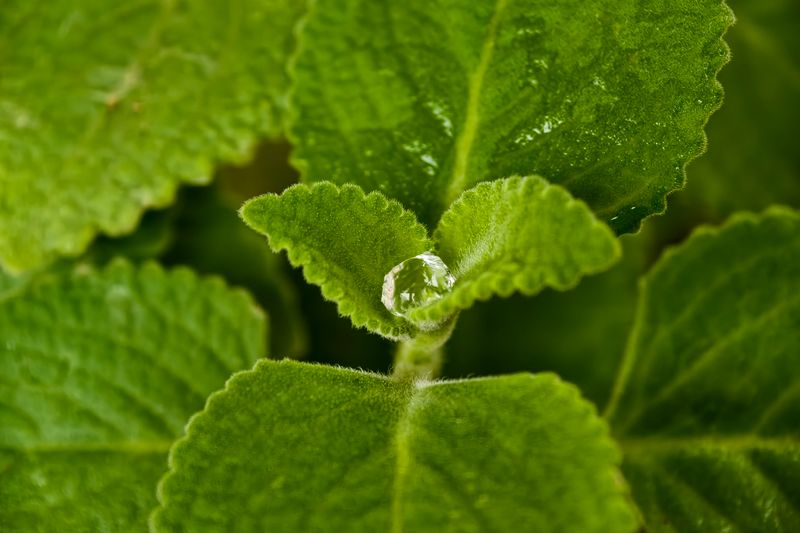
Absolutely.
The quality of lemon balm can significantly affect aroma and overall experience.
The best dried lemon balm typically contains:
- whole leaves,
- large leaf fragments,
- strong natural aroma,
- minimal dust.
Heavily crushed herbs may lose volatile oils more rapidly during storage.
For a detailed comparison, read:
Fresh vs Dried Lemon Balm: Differences in Aroma, Benefits, and Uses.
Can You Combine Lemon Balm, Valerian, and Chamomile?
Yes.
This is one of the most common herbal sleep combinations.
Chamomile contributes:
- a pleasant floral flavor,
- additional calming properties,
- and improved taste.
Learn more in our articles:
- Lemon Balm and Chamomile for Sleep: Can This Herbal Tea Help You Relax Before Bed?
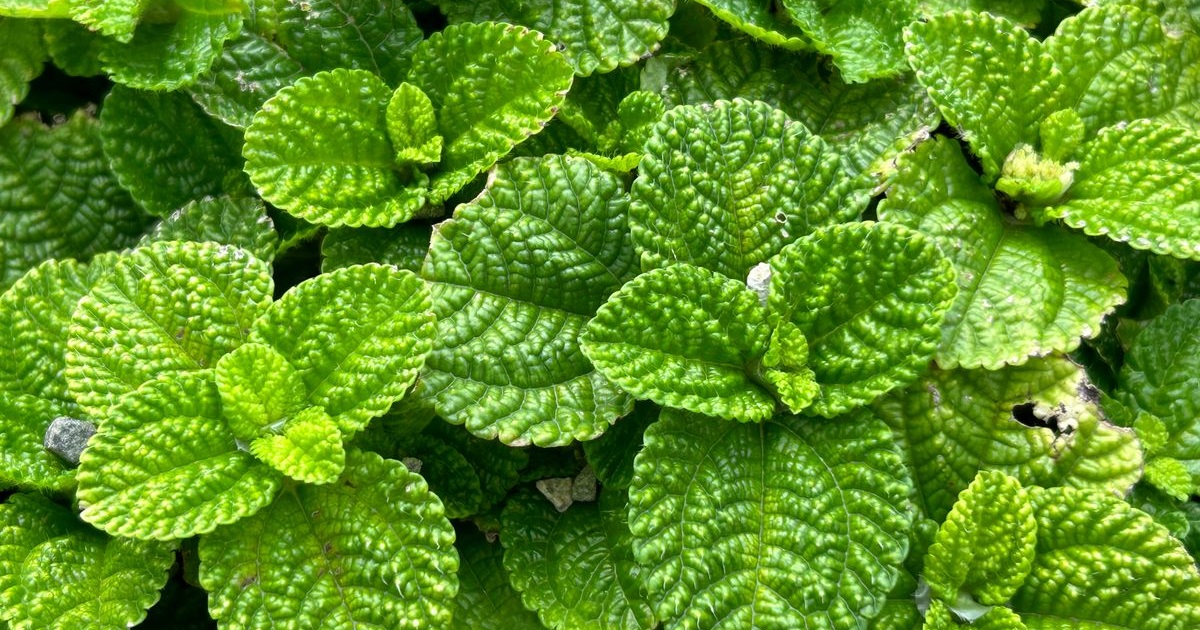
- Lemon Balm vs Lemongrass: Differences in Aroma, Health Benefits and Wchich is Better for You?
- Lemon Balm and Lemon Verbena For Sleep, Differences, and How to Use Them Together.
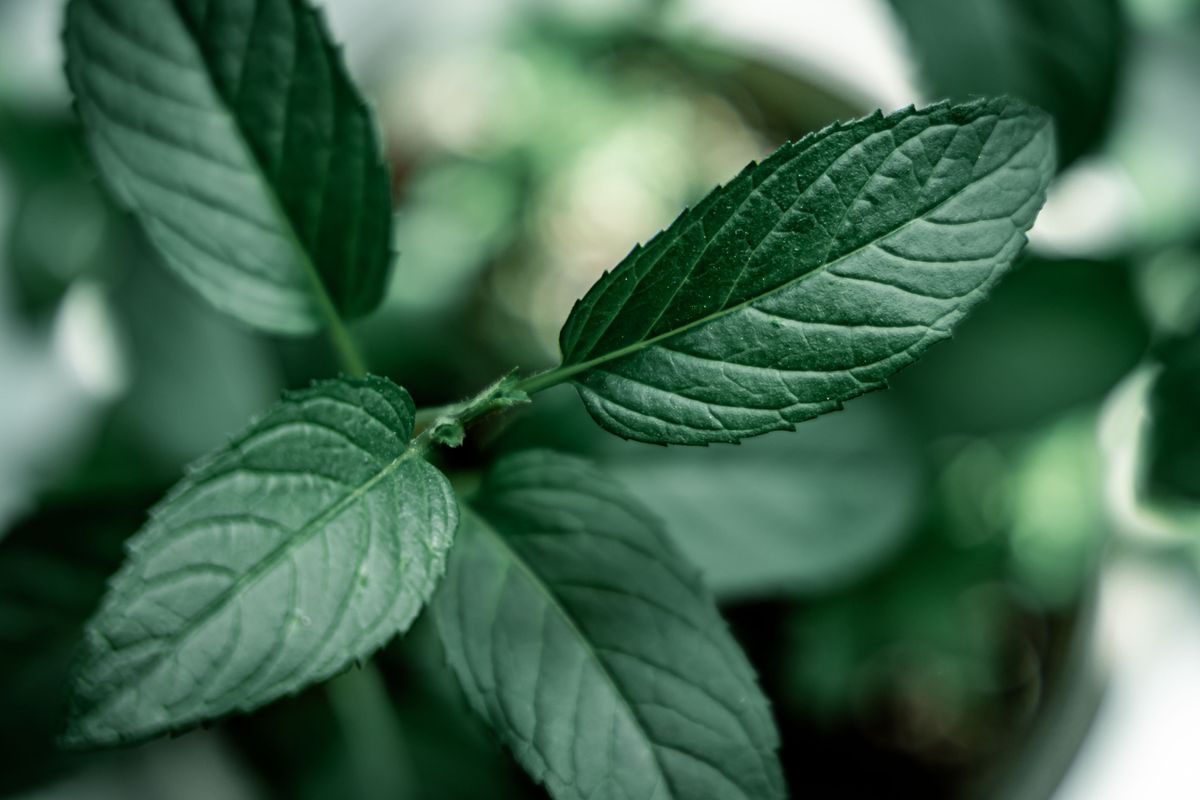
- Lemon Balm vs Mint: Health Benefits, Taste, Leaves, and Differences
Readers Also Enjoyed
Frequently Asked Questions
Can you take lemon balm and valerian together?
Yes. These herbs are commonly combined in teas and supplements designed for relaxation and sleep support.
Is lemon balm or valerian better for sleep?
Valerian is generally considered the stronger sleep-focused herb, while lemon balm is often preferred for stress-related restlessness.
Can lemon balm and valerian help anxiety?
Some people use these herbs to promote relaxation and reduce occasional nervous tension.
How long before bed should I take lemon balm and valerian?
Most people use them approximately 30–60 minutes before bedtime.
Can lemon balm and valerian make you sleepy during the day?
Yes. Some individuals may experience drowsiness or reduced alertness.
Is it safe to drive after taking lemon balm and valerian?
Because these herbs may cause drowsiness, caution is advised when driving or operating machinery.
Can children take lemon balm and valerian?
Parents should be cautious and seek professional advice before giving herbal products to children.
For more information, see:
Is Lemon Balm Safe for Kids? Benefits, Dosage, and Side Effects.
Sources
- National Center for Complementary and Integrative Health (NCCIH)
- European Medicines Agency (EMA) Herbal Monographs
- PubMed Scientific Database
- Journal of Ethnopharmacology
- Frontiers in Pharmacology
- Phytotherapy Research
- Molecules
- Herbal Medicine: Biomolecular and Clinical Aspects
- American Academy of Family Physicians (AAFP)

Pingback: Lemon Balm for Sleep: Benefits, Best Time to Drink It, and Possible Side Effects
Pingback: Lemon Balm and Chamomile for Sleep: Can This Herbal Tea Help You Relax Before Bed?