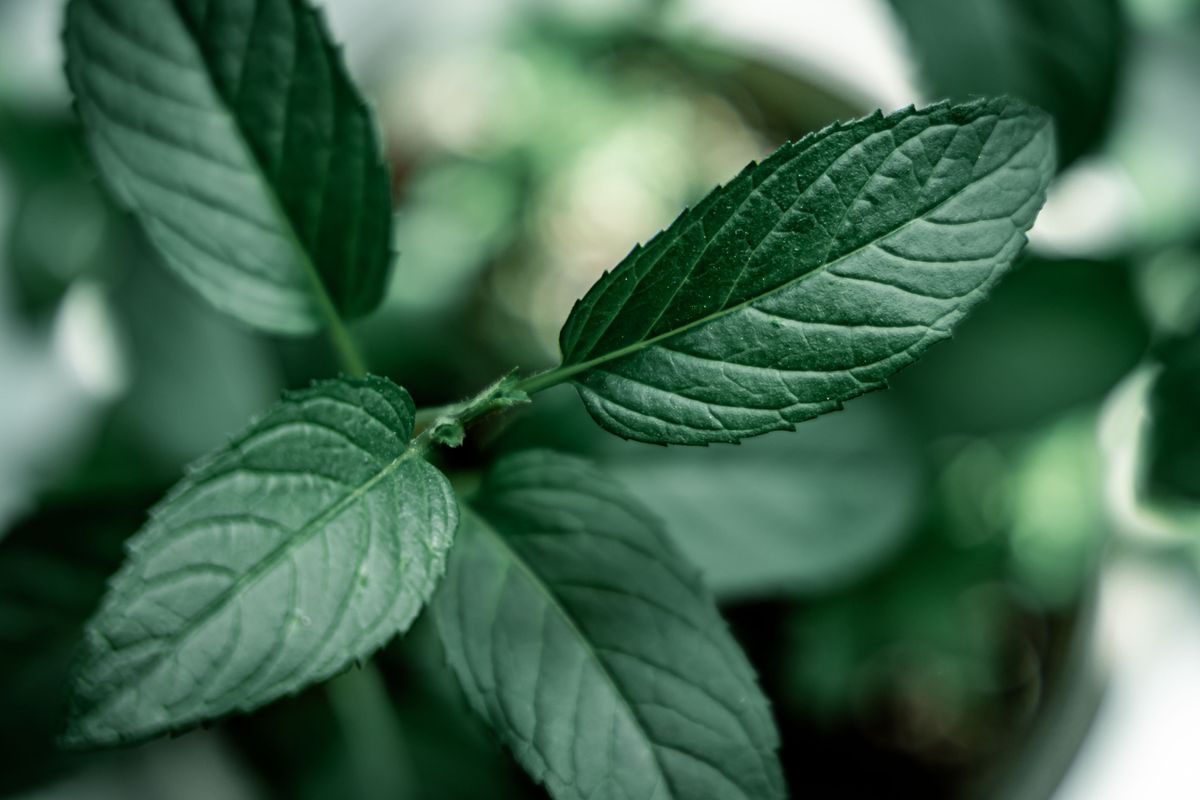
Lemon Balm vs Mint: Health Benefits, Taste, Leaves, and Differences
Lemon balm and mint are related herbs, but they are not the same plant. Lemon balm (Melissa officinalis) has a mild lemon scent and is traditionally used in teas for…

Lemon balm (Melissa officinalis) is a fragrant herb valued for its mild citrus aroma and traditional use in herbal wellness. It is commonly enjoyed as a tea and may help promote relaxation, support healthy sleep, and aid digestion. Learn about the nutritional properties and traditional uses of lemon balm in a healthy lifestyle.
Lemon balm and mint are related herbs, but they are not the same plant. Lemon balm (Melissa officinalis) has a mild lemon scent and is traditionally used in teas for…
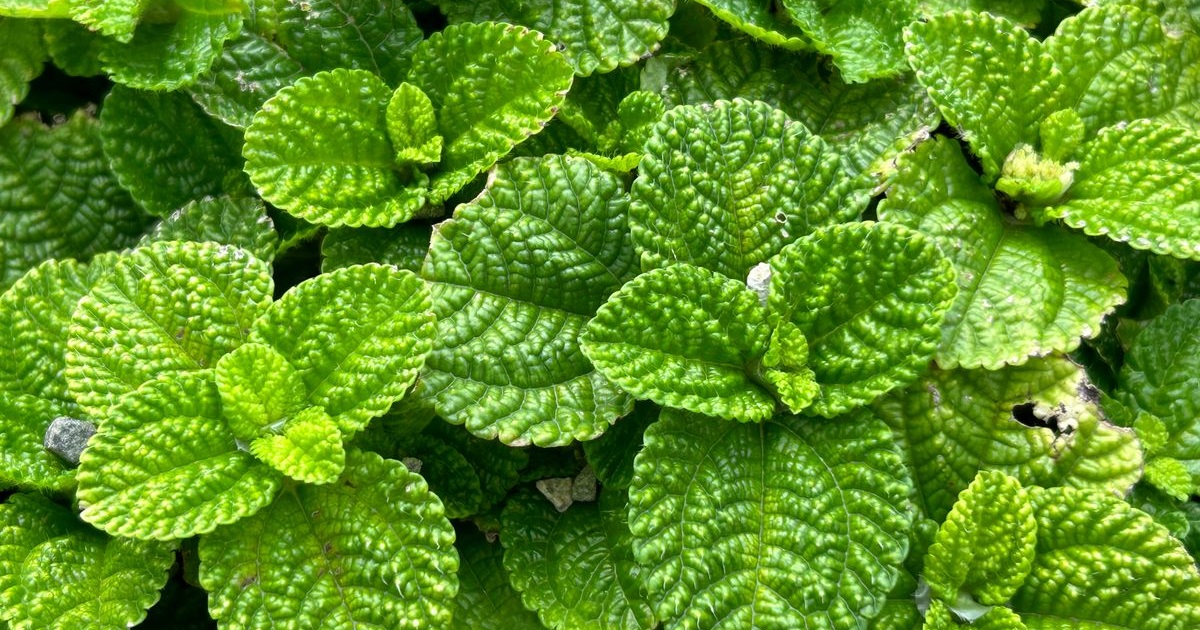
Yes, lemon balm may help lower blood pressure, and there is some human research supporting this possibility. However, the evidence is still limited, and the results from studies using concentrated…

Yes, lemon balm has shown mosquito-repellent activity in laboratory studies, particularly its essential oil. However, simply growing lemon balm in your garden is unlikely to provide reliable protection from mosquito…
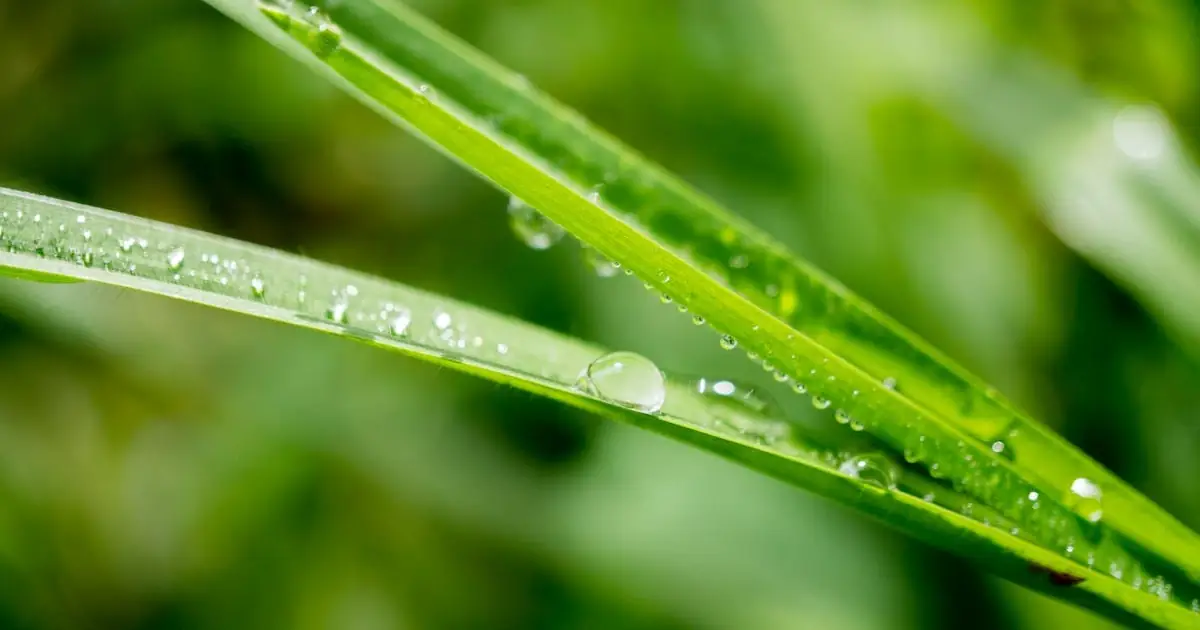
Lemon balm and lemongrass are not the same plant. Although both have a fresh citrus aroma and are popular in herbal teas and natural wellness, they differ in appearance, botanical…
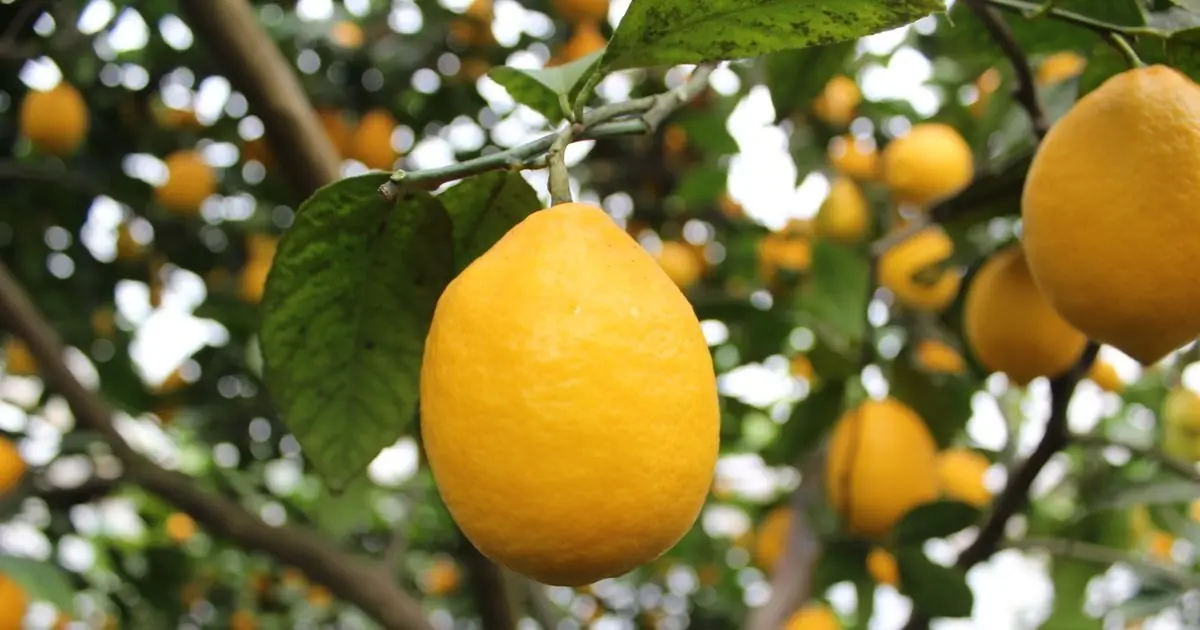
No, lemon balm is not related to lemons. Despite its name and refreshing citrus scent, lemon balm (Melissa officinalis) is a member of the mint family (Lamiaceae), while lemons belong…

The best time to harvest lemon balm is just before it begins to flower, preferably in the morning after the dew has dried. At this stage, the leaves are usually…
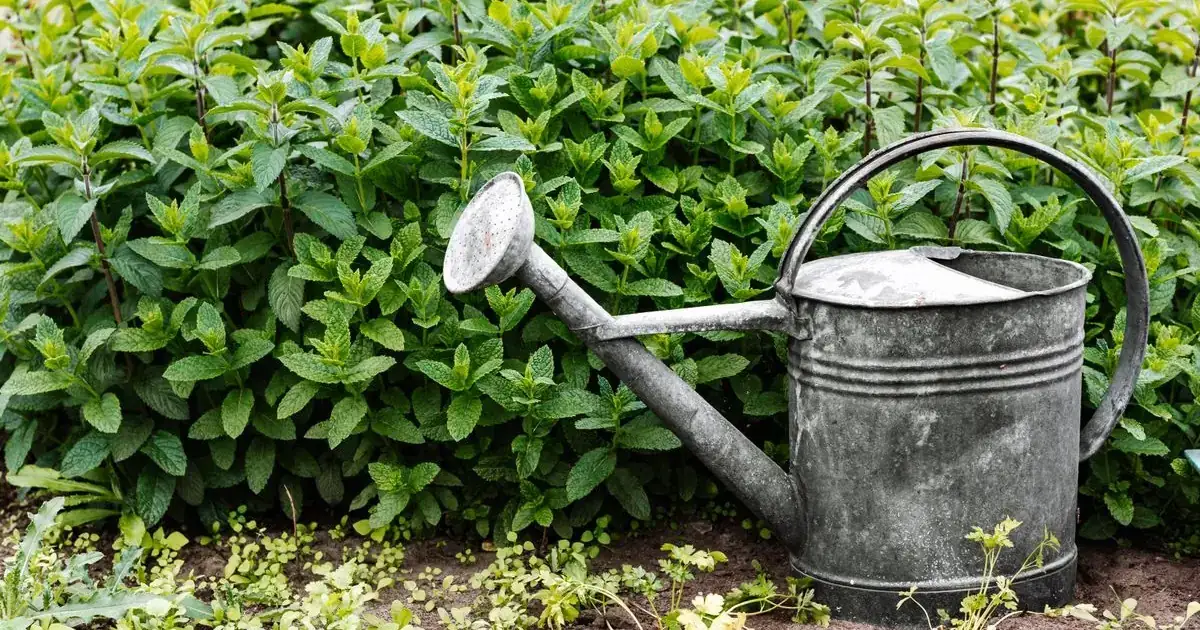
Growing lemon balm (Melissa officinalis) is one of the easiest ways to enjoy fresh, fragrant herbs at home. It grows well in pots, raised beds, and garden borders, tolerates cold…

Lemon balm and valerian may help improve sleep and reduce feelings of stress or anxiety, especially when used together before bedtime. Lemon balm is best known for its calming effects…
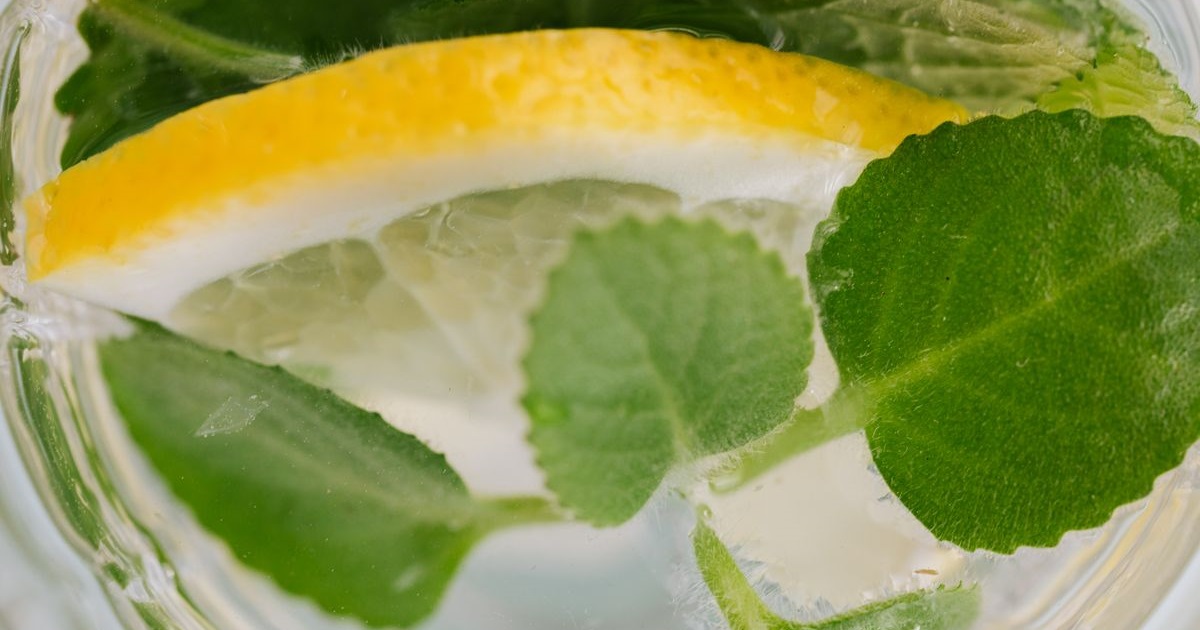
Lemon balm has a fresh, light lemon flavor with subtle minty and slightly sweet notes. Unlike lemon juice, it is not sour, and unlike mint, it is much milder. Fresh…
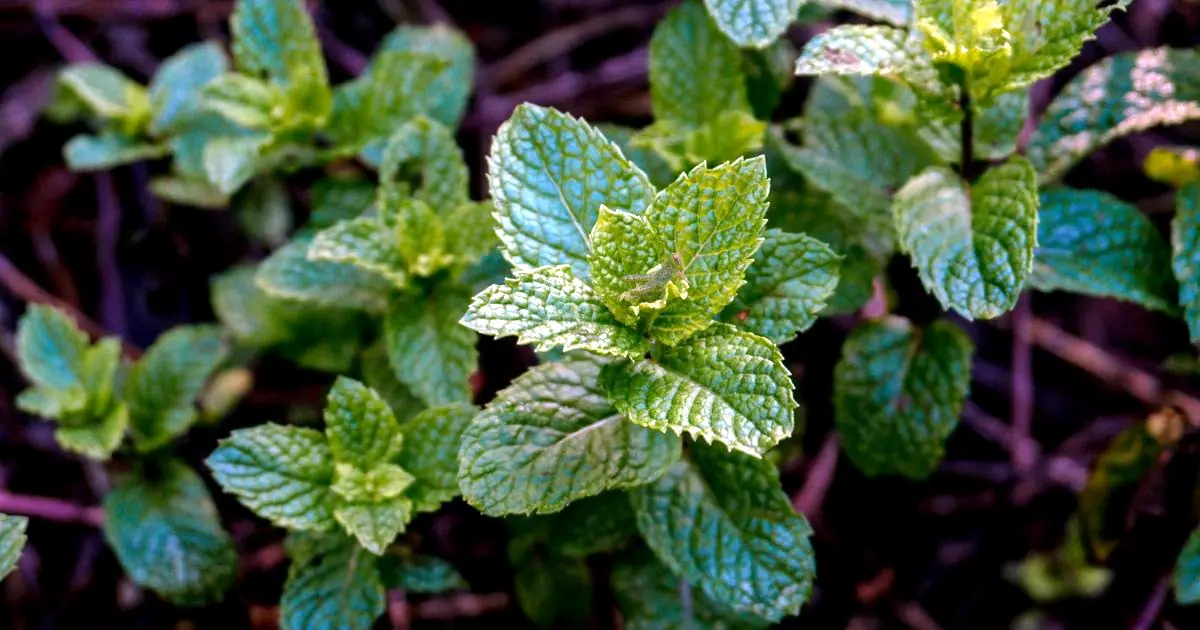
Lemon balm is generally considered safe for most healthy adults when consumed in moderate amounts as tea or food, but it can cause side effects in some people and may…