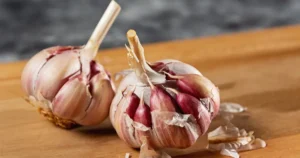
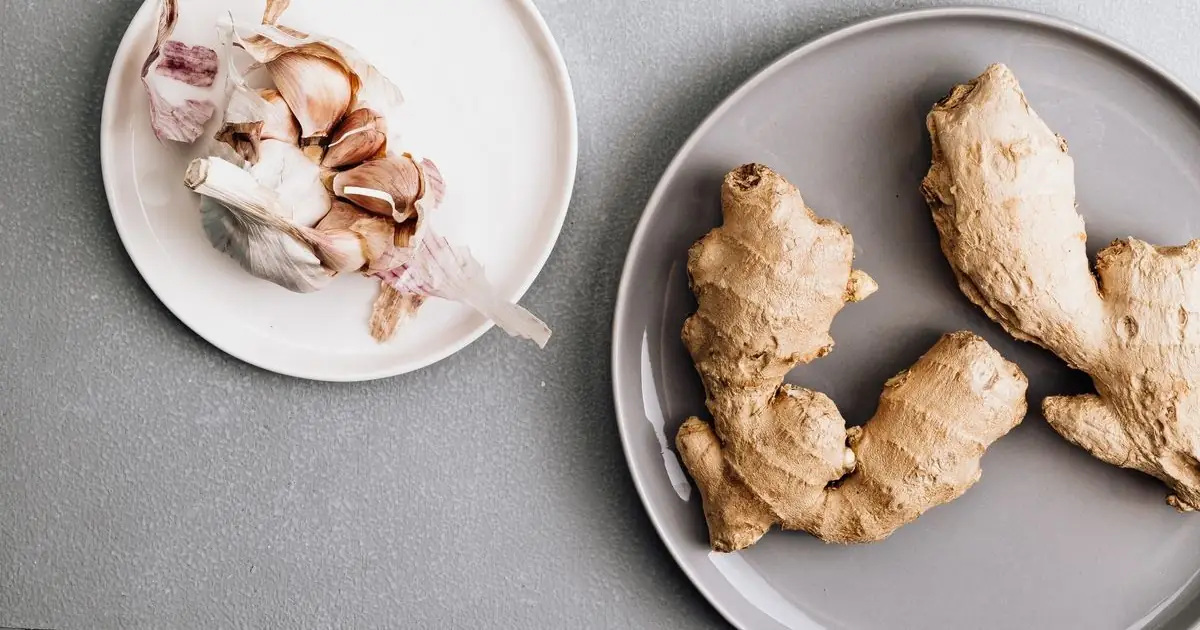
Garlic and ginger benefits are mainly linked to their natural bioactive compounds, including sulfur compounds in garlic and gingerols and related compounds in ginger. Research suggests that both may support cardiovascular health, antioxidant defenses, healthy inflammatory responses, and metabolic health. Garlic has particularly interesting evidence for blood pressure and cholesterol, while ginger is especially well studied for nausea and digestive symptoms.
Garlic and ginger are often used together in soups, stir-fries, sauces, marinades, teas, and other foods. They work well together in the kitchen, but their potential health effects are worth looking at separately too.
One important point is that there is still limited human research specifically on garlic and ginger taken together. Most clinical studies have examined garlic or ginger on its own, often in the form of standardized extracts or supplements. So while combining them makes nutritional sense, we should not assume that the combination has a special effect that has already been proven in humans.
This article is included in our complete guide to garlic. See our main article: Garlic: Nutrition, Health Benefits and Bioactive Compounds.
Garlic and Ginger Nutrition
Garlic and ginger are both used in relatively small amounts, so they are not major sources of calories, protein, or vitamins in the typical diet. Their nutritional interest comes more from their plant compounds than from their basic nutrient content.
Garlic nutrition
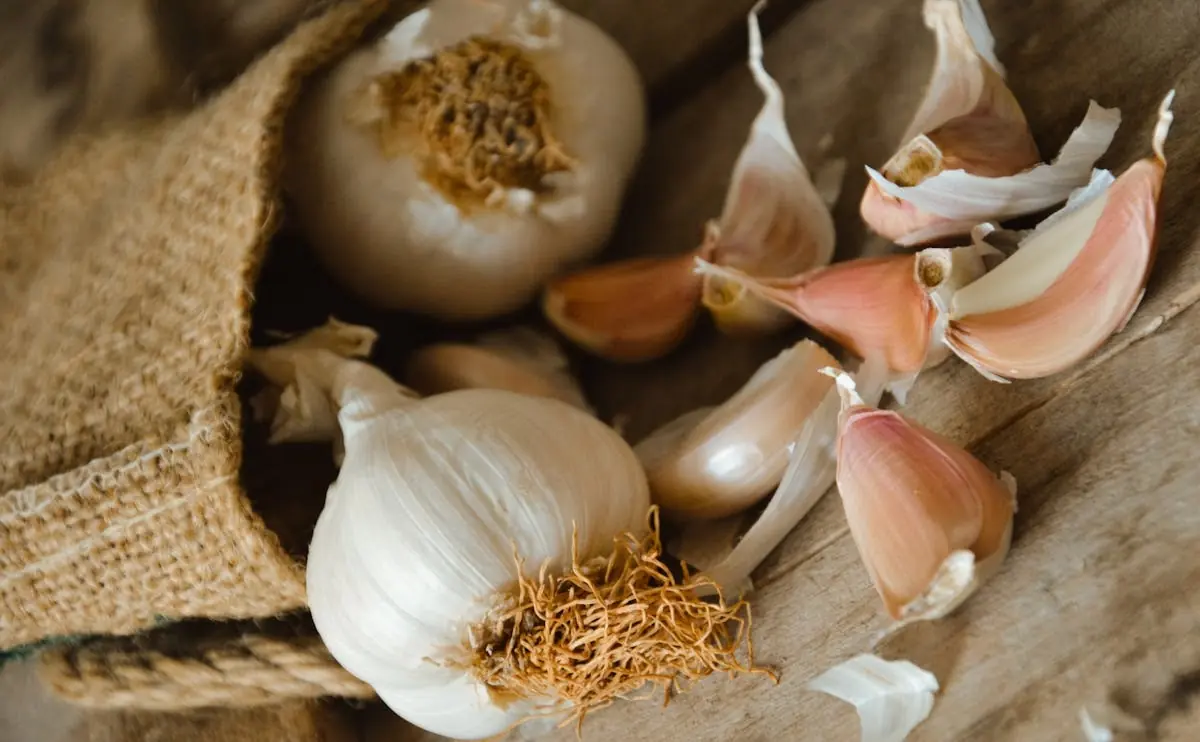
Garlic (Allium sativum) belongs to the same plant family as onions, shallots, and leeks. It provides small amounts of vitamin B6, manganese, vitamin C, selenium, and other nutrients.
What makes garlic especially interesting is its sulfur chemistry. When a garlic clove is crushed or chopped, enzymes help produce allicin, along with other sulfur-containing compounds.
These compounds are thought to contribute to many of the biological effects associated with garlic.
In our article you can read more about: Garlic Nutritional Value, Vitamins, Minerals and Other Compounds
Ginger nutrition
Ginger (Zingiber officinale) is a rhizome commonly used as a spice and food ingredient. Fresh ginger provides small amounts of nutrients such as manganese, magnesium, potassium, vitamin B6, and vitamin C.
Its better-known compounds include gingerols and shogaols. Processing and heating can change the amounts and types of these compounds.
So when we talk about garlic and ginger nutrition, it helps to look beyond vitamins and minerals. Their bioactive compounds are a major reason scientists continue to study these foods.
Garlic and Ginger Benefits
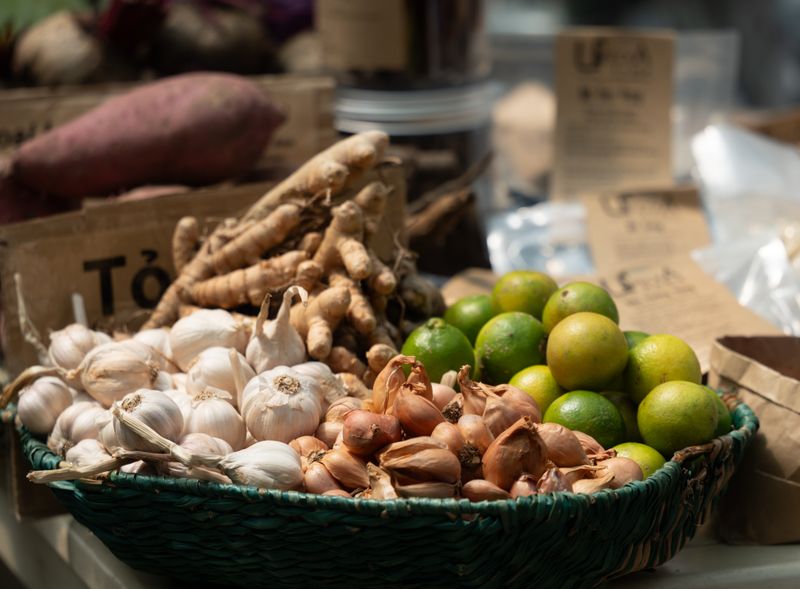
Garlic and ginger have some overlapping areas of research, but they are not identical. Garlic has particularly interesting evidence around cardiovascular risk factors, while ginger has some of its strongest evidence in the area of nausea.
Here are the main potential benefits worth knowing about.
1. Garlic and Ginger May Support Cardiovascular Health
Garlic has been studied extensively in relation to cardiovascular health, including blood pressure, cholesterol, triglycerides, and other risk factors.
A 2025 systematic review and meta-analysis of 108 randomized controlled trials involving 7,137 participants found that garlic supplementation was associated with modest improvements in several cardiovascular and metabolic markers, including blood pressure, total cholesterol, LDL cholesterol, triglycerides, and fasting blood glucose.
That adds to earlier research suggesting that certain garlic preparations may have a modest effect on cardiovascular risk factors.
Ginger has also been studied in this area. Research suggests that ginger supplementation may have a beneficial effect on blood pressure, although the evidence is not as extensive as it is for garlic.
Learn more about: How Garlic May Support Blood Pressure, Cholesterol, and Circulation
Garlic and ginger for high blood pressure
Garlic is one of the better-studied foods in this area.
A meta-analysis of randomized controlled trials found that garlic preparations reduced blood pressure in people with hypertension. Another analysis of 17 trials reported average reductions of about 3.75 mmHg in systolic blood pressure and 3.39 mmHg in diastolic blood pressure compared with control groups.
Ginger has also shown a possible blood-pressure-lowering effect in clinical research, although results have varied between studies.
For someone looking at garlic and ginger for high blood pressure, the evidence is encouraging but not a reason to replace prescribed treatment. These foods fit much better into an overall heart-healthy diet.
In our article you can learn How Much Eat Garlic Per Day to Lower Blood Pressure? (Cloves, Dosage & Timing)
2. Garlic and Ginger Provide Antioxidant Compounds
Both garlic and ginger contain compounds that can influence the body’s antioxidant defenses.
Garlic contains sulfur compounds and other substances that have antioxidant activity. A meta-analysis of randomized controlled trials found that garlic supplementation increased total antioxidant capacity and superoxide dismutase while lowering malondialdehyde, a marker associated with oxidative stress.
Ginger has produced similar findings. A systematic review and meta-analysis of 12 clinical trials found that ginger supplementation increased total antioxidant capacity and glutathione peroxidase activity while reducing malondialdehyde.
These results are interesting because oxidative stress is involved in many normal aging and disease processes.
Still, antioxidant activity in a laboratory experiment or a change in a blood marker does not automatically mean that a food prevents a particular disease. It is better to view garlic and ginger as foods that contribute useful plant compounds to the diet rather than as “detox” treatments.
3. Garlic and Ginger May Support a Healthy Inflammatory Response
Ginger has been studied quite extensively for its effects on inflammatory markers.
A meta-analysis of 16 randomized controlled trials involving more than 1,000 participants found that ginger supplementation reduced several inflammatory markers, including CRP, high-sensitivity CRP, and TNF-α.
A larger review of 109 randomized controlled trials also found evidence of beneficial effects in some areas of inflammation and metabolic health, although the quality of evidence differed between conditions.
Garlic has shown similar potential. The large 2025 meta-analysis mentioned earlier found reductions in some inflammatory markers, including CRP and TNF-α, among people taking garlic preparations.
This gives both foods a reasonable place in a diet focused on vegetables, herbs, spices, and other minimally processed plant foods. It does not mean that garlic or ginger treats an inflammatory disease.
4. Ginger May Help With Nausea and Digestive Symptoms
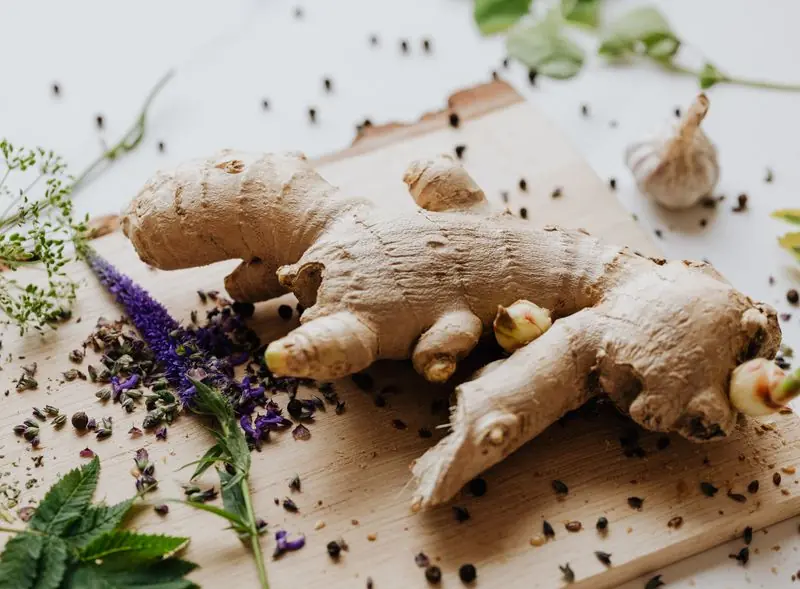
This is one area where ginger has particularly useful human evidence.
Ginger has been studied for several types of nausea, with the strongest evidence involving pregnancy-related nausea. An umbrella review of systematic reviews found relatively strong evidence for ginger’s anti-nausea effects during pregnancy.
Research on motion sickness, postoperative nausea, and chemotherapy-related nausea has been less consistent.
Garlic is different. Although it can be part of a healthy diet, large amounts of raw garlic can cause heartburn, gas, abdominal discomfort, or nausea in some people.
So if you’re looking at garlic and ginger for digestion, ginger is the more relevant ingredient when nausea is the main concern.
5. Garlic May Support Healthy Cholesterol Levels
Garlic has been investigated for its potential effects on cholesterol for decades.
According to the National Center for Complementary and Integrative Health (NCCIH), garlic supplements may modestly lower total cholesterol and LDL cholesterol in people with high cholesterol.
The 2025 meta-analysis of garlic trials also found modest reductions in total cholesterol, LDL cholesterol, and triglycerides.
These effects are not large enough to make garlic a replacement for cholesterol-lowering medication when treatment is needed. But using garlic in everyday cooking is an easy way to add flavor to meals that are otherwise based on vegetables, legumes, whole grains, nuts, seeds, and other nutritious foods.
6. Garlic and Ginger May Support Metabolic Health
Both foods have been studied in relation to blood sugar and insulin metabolism.
The large 2025 garlic meta-analysis found improvements in fasting blood glucose, insulin, and HOMA-IR among people taking garlic preparations.
Ginger has also been investigated for blood sugar control. Several clinical trials and reviews suggest a possible benefit, although the quality and consistency of the evidence vary.
This is an interesting area of research, but garlic and ginger are not treatments for diabetes. Their more realistic role is as flavorful ingredients in an overall healthy eating pattern.
You can learn in our article: Can Garlic Lower Blood Sugar, Dosage and What Science Says
7. Garlic and Ginger Have Antimicrobial Properties
Garlic and ginger both contain compounds with antimicrobial activity, particularly in laboratory studies.
Garlic’s sulfur compounds have demonstrated antibacterial activity in experimental research. Ginger compounds have also shown activity against various microorganisms.
A 2024 laboratory study examined a combination of garlic and ginger extracts and reported antioxidant, antibacterial, and antiviral activity. In several tests, the combination performed better than the individual extracts.
That finding is interesting, but it does not mean that eating garlic and ginger together can treat an infection.
There is a big difference between an extract affecting bacteria in a laboratory dish and a food treating an infection inside the human body.
Learn more in our article about: Garlic as A Natural Antibiotic Dosage and Science
8. Garlic and Ginger May Support Immune Function

Garlic and ginger are often described online as natural immune boosters. The science is more cautious.
Both foods contain compounds that interact with antioxidant and immune-related pathways, but there is limited clinical evidence showing that eating garlic and ginger prevents infections.
Garlic has been studied for the common cold, but NCCIH considers the evidence insufficient to establish a clear preventive or therapeutic effect.
A healthy diet provides many nutrients and plant compounds that support normal immune function. Garlic and ginger can be part of that diet, but neither should be treated as an immune “cure.”
9. Garlic and Ginger for Weight Loss
Searches for garlic and ginger for weight loss are common, but neither food should be viewed as a fat-burning ingredient.
Some studies have found that ginger supplementation may influence body weight, body composition, or metabolic markers. An umbrella review found a possible effect on weight management, although the certainty of the evidence ranged from low to moderate.
Research on garlic has also explored body weight and metabolic health, but the effects are not strong enough to make garlic a weight-loss treatment.
There is a simpler benefit to using these ingredients: they make healthy food taste better. Garlic and ginger can add a lot of flavor to vegetables, soups, beans, fish, chicken, rice, and other meals without needing large amounts of sugar, heavy sauces, or excess salt.
10. Garlic and Ginger for Hair Growth
Garlic and ginger are also frequently searched for in connection with hair growth.
There is some interesting laboratory research on compounds found in both plants, but that is very different from showing that eating garlic and ginger makes hair grow.
Research involving ginger and hair-related conditions is limited, and there is not enough reliable human evidence to recommend ginger as a treatment for hair loss.
The same applies to garlic.
So if you’re looking for garlic and ginger for hair growth, the evidence currently does not support the strong claims often found online.
You can learn in our article How to Use Garlic for Hair Growth Fast.
What Is the Best Way to Eat Garlic and Ginger Together?

There is no scientifically proven recipe or combination that produces the “best” garlic and ginger benefits.
The easiest approach is to use them as normal food ingredients.
You can combine fresh garlic and ginger in:
- stir-fries
- soups
- sauces
- marinades
- vegetable dishes
- homemade dressings
- rice dishes
- fish or chicken recipes
- herbal-style teas.
Garlic and ginger tea
Garlic and ginger tea can be made by steeping sliced fresh ginger and a small amount of crushed garlic in hot water.
It is a simple way to consume both ingredients, but there is no good evidence that garlic and ginger tea is healthier than eating them as part of a meal.
If raw garlic bothers your stomach, cooked garlic or a smaller amount may be a better choice. Ginger can also cause heartburn or stomach irritation in some people.
Garlic and Ginger Together: Is There a Special Benefit?
This is probably the most important question to answer carefully.
Garlic and ginger contain different but potentially complementary bioactive compounds. However, there is not yet enough human research to say that consuming them together produces a special health benefit.
The 2024 laboratory study of combined garlic and ginger extracts is interesting because the mixture showed antioxidant and antimicrobial activity. But laboratory results are only an early step in research.
For now, the stronger evidence comes from studies of each ingredient separately.
Garlic has particularly interesting research involving:
- blood pressure
- cholesterol
- triglycerides
- blood glucose
- cardiovascular risk factors.
Ginger has stronger evidence involving:
- nausea
- digestive symptoms
- inflammatory markers
- some aspects of metabolic health
- blood pressure.
So there is nothing wrong with combining them. Just don’t think of garlic and ginger as a proven therapeutic formula.
Garlic and Ginger: Raw or Cooked?
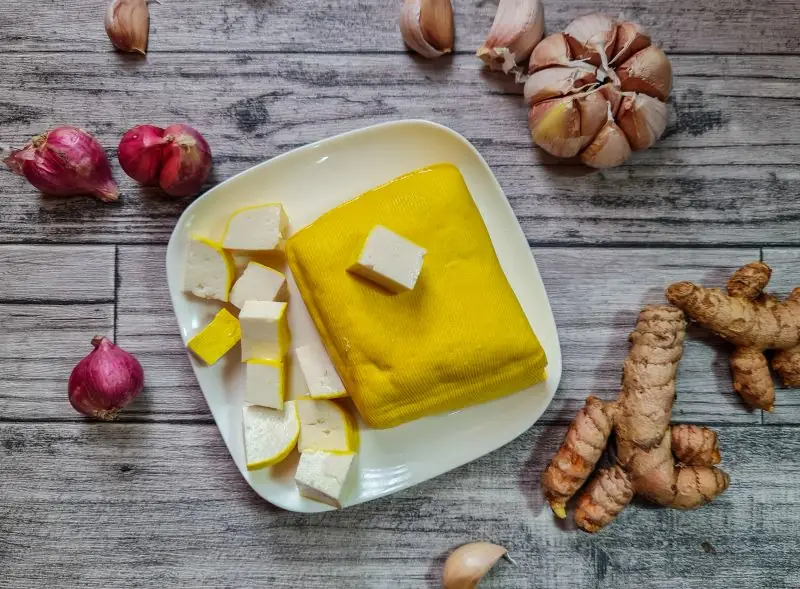
Preparation can change both the compounds in these foods and how well you tolerate them.
Garlic
Crushing or chopping fresh garlic activates alliinase, an enzyme involved in the formation of allicin and other sulfur compounds.
Heating changes this process and can reduce the formation of some compounds.
That does not make cooked garlic “bad.” In fact, cooked garlic is much easier for many people to eat regularly.
If you tolerate raw garlic well, freshly crushed garlic can be included in meals. If raw garlic causes heartburn or digestive irritation, cooked garlic is a perfectly reasonable alternative.
You can learn in our article about Differences Between Raw and Cooked Garlic and Nutritional Value
Ginger
Fresh ginger can be sliced, grated, cooked, or steeped in hot water. Heating and drying change its chemical composition, including the balance between gingerols and shogaols.
There is no simple rule that fresh ginger is always better. The most useful form is generally the one you enjoy and can comfortably include in your diet.
Garlic and Ginger: Food vs. Supplements
This distinction matters when reading studies about their health benefits.
Clinical trials often use specific extracts or concentrated supplements, sometimes at doses that would be difficult to obtain from ordinary food.
For example, a study involving a standardized garlic extract does not mean that eating one garlic clove will produce exactly the same effect.
For general nutrition, food has some clear advantages. Garlic and ginger are easy to add to meals, provide flavor, and fit naturally into a varied diet.
Supplements are a different question. They can deliver concentrated amounts of particular compounds and may also have stronger side effects or interactions with medications.
Garlic and Ginger Side Effects and Safety
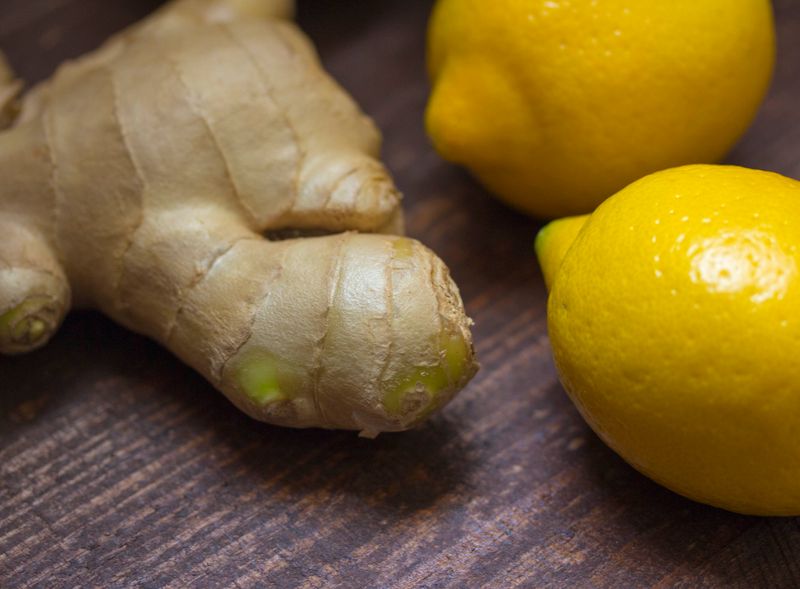
Garlic and ginger are generally well tolerated when used in normal food amounts.
Problems are more likely with large amounts or concentrated supplements.
Garlic may cause:
- bad breath
- body odor
- heartburn
- gas
- abdominal discomfort
- nausea
- allergic reactions.
Garlic supplements can also affect blood clotting. People taking anticoagulant or antiplatelet medicines, or those preparing for surgery, should discuss garlic supplements with a healthcare professional.
Read more in our article about Garlic Side Effect Like Diarrhea and Stomach Pain.
Not everyone can consume garlic. In our article, you will read: Who Should Not Eat Garlic, Who Should Avoid It.
Ginger may cause:
- heartburn
- abdominal discomfort
- diarrhea
- gas
- irritation of the mouth or throat.
Medication interactions are possible with concentrated ginger supplements as well.
For both foods, ordinary culinary use is very different from taking a high-dose supplement.
Garlic and Ginger Benefits: What Does the Research Really Show?
The evidence is promising, but the strength of research varies depending on the health effect.
| Potential benefit | Garlic | Ginger | Evidence |
|---|---|---|---|
| Blood pressure support | Yes | Possible | Moderate, stronger for garlic |
| Cholesterol | Yes | Less studied | Better evidence for garlic |
| Antioxidant effects | Yes | Yes | Supported by clinical research |
| Inflammatory markers | Possible | Yes | Promising, but varies |
| Nausea | Limited | Yes | Strongest for ginger |
| Blood sugar | Possible | Possible | Mixed |
| Weight management | Possible | Possible | Limited |
| Immune support | Limited | Limited | Insufficient for strong claims |
| Antimicrobial effects | Yes | Yes | Mainly laboratory evidence |
| Hair growth | Insufficient | Insufficient | Weak evidence |
The overall picture is quite reasonable: both foods contain biologically active compounds with measurable effects, but the evidence does not support every health claim made about them online.
Readers Also Enjoyed

Garlic: Comparison Articles and Interesting Pairings
- comparison of the Nutritional Value of Garlic and Onion
- differences between Raw and Cooked Garlic.
- Garlic vs Garlic Chives Whats The Difference
- Garlic Powder vs Fresh Garlic Nutritional Differences
Frequently Asked Questions
What are the benefits of garlic and ginger?
The main potential garlic and ginger benefits include cardiovascular support, antioxidant activity, effects on inflammatory markers, and possible benefits for metabolic health. Ginger has particularly good evidence for pregnancy-related nausea, while garlic has more extensive research involving blood pressure and cholesterol.
Can you take garlic and ginger together?
Yes. Garlic and ginger can be eaten together in normal food amounts. They are commonly combined in cooking, soups, sauces, marinades, and drinks. Research specifically testing the combination in humans is still limited.
What is the best way to consume garlic and ginger for health benefits?
There is no single proven best method. Using fresh garlic and ginger regularly in meals is a practical option. Garlic can be eaten raw or cooked, while ginger can be eaten fresh, cooked, or steeped as tea.
Can garlic and ginger lower blood pressure?
Garlic preparations have shown modest blood-pressure-lowering effects in several clinical studies. Ginger may also have a similar effect, although the evidence is less established. Neither should replace prescribed blood-pressure treatment.
Is garlic and ginger good for weight loss?
Garlic and ginger are not proven weight-loss treatments. Some research suggests that ginger may affect body weight and metabolic markers, but the effects are not large enough to rely on ginger or garlic alone for weight loss.
Can garlic and ginger help with inflammation?
Both have been studied for their effects on inflammatory markers. Several meta-analyses of ginger trials have found reductions in markers such as CRP and TNF-α, while garlic has also shown effects on inflammatory and oxidative stress markers.
Is garlic and ginger good for the immune system?
Both foods contain compounds involved in antioxidant and immune-related processes, but there is not enough clinical evidence to say that eating garlic and ginger prevents infections.
Does garlic and ginger help hair growth?
There is not enough reliable human evidence to show that eating garlic and ginger promotes hair growth. Some experimental research is interesting, but it is not enough to establish either food as a treatment for hair loss.
Can garlic and ginger help with digestion?
Ginger has considerably more evidence for digestive symptoms, particularly nausea. Garlic can be part of a healthy diet, but larger amounts of raw garlic may cause heartburn, gas, or abdominal discomfort in some people.
Can you drink garlic and ginger tea every day?
A small amount of garlic and ginger in a homemade drink is generally reasonable for most people who tolerate these foods. There is no evidence that drinking garlic and ginger tea every day provides special health benefits beyond those associated with consuming the ingredients as part of a balanced diet.
The Bottom Line
Garlic and ginger are nutritious, flavorful foods with genuine research behind several of their potential health effects.
Garlic has particularly interesting evidence for blood pressure, cholesterol, triglycerides, and other cardiovascular risk factors. Ginger stands out for nausea, with additional research involving inflammation, metabolic health, and blood pressure. Both provide compounds with antioxidant activity.
Using garlic and ginger together is an easy way to add more flavor and plant compounds to everyday meals. There may be complementary effects, but research specifically testing the combination in humans is still limited.
For most people, the simplest approach is also the most sensible: use garlic and ginger regularly as foods rather than relying on concentrated supplements for general health.
This article is for general nutrition information and does not replace medical advice or prescribed treatment.
Sources
- 2025 systematic review and meta-analysis of garlic supplementation and cardiovascular/metabolic risk factors — 108 randomized controlled trials, 7,137 participants.
- 2024 study examining combined garlic and ginger extracts for antioxidant and antimicrobial activity.
- Meta-analyses of ginger supplementation and inflammatory markers.
- Meta-analyses of garlic preparations and blood pressure.
- Umbrella review of systematic reviews examining ginger and several health outcomes.
- National Center for Complementary and Integrative Health (NCCIH) — Garlic and Ginger fact sheets.