
Garlic may help with nail fungus because it contains compounds with antifungal properties, including allicin and ajoene. Some laboratory studies suggest these compounds can slow fungal growth and damage fungal cells. Because of this, garlic is commonly used as a natural remedy for toenail fungus and other fungal infections affecting the nails.
However, nail fungus is often difficult to treat, especially when the infection is deep under the nail. Garlic may help in mild cases, but severe or long-lasting fungal infections may still require medical treatment.
This article is included in our complete guide to garlic. See our main article: Garlic: Nutrition, Health Benefits and Bioactive Compounds.
Does Garlic Kill Nail Fungus?
Garlic may help slow or inhibit fungal growth because it contains sulfur compounds that have shown antifungal activity in studies.
When garlic is crushed or chopped, it produces allicin, a compound linked to:
- antifungal effects
- antibacterial activity
- antimicrobial properties
Some laboratory studies suggest garlic compounds may damage fungal cells and interfere with their growth.
However, toenail fungus can be difficult to treat because fungi often live deep under the nail, where natural remedies may not fully reach.
Why Garlic May Help Toenail Fungus
Garlic contains several compounds that may help fight fungal infections.
Allicin
Allicin is the best-known active compound in garlic. It forms when fresh garlic is crushed or cut.
Research suggests allicin may:
- disrupt fungal cell membranes
- slow fungal growth
- reduce microbial spread
Raw garlic contains the highest amount of allicin.
Ajoene
Garlic also contains ajoene, another sulfur compound with antifungal properties.
Some studies have shown ajoene may be active against fungi linked to:
- athlete’s foot
- fungal nail infections
- fungal skin infections
This is one reason garlic continues to attract attention as a natural antifungal remedy.
Garlic for Toenail Fungus: How People Use It
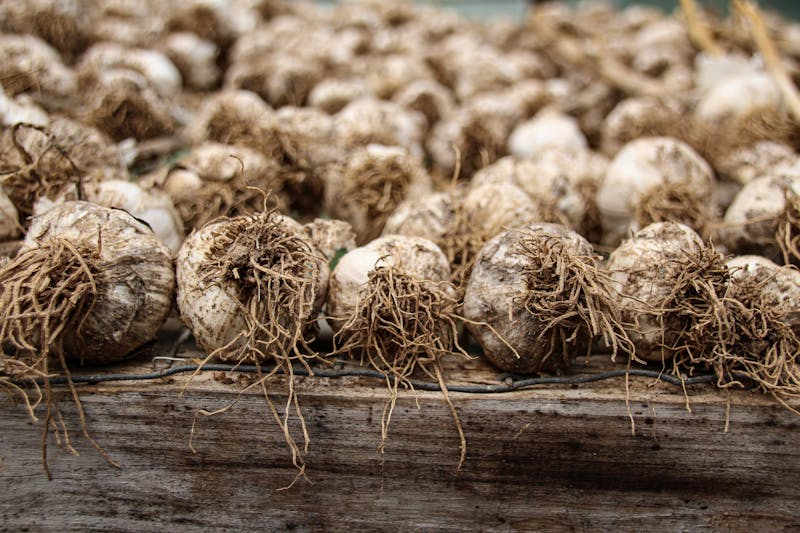
People use garlic for nail fungus in several different ways.
Applying crushed garlic
Some people apply crushed raw garlic directly to the affected nail for a short period of time.
This is done because raw garlic contains stronger active compounds than cooked garlic.
However, raw garlic can irritate or burn the skin if left on too long.
Garlic oil
Garlic-infused oil is sometimes used because it may be gentler than raw garlic while still providing some antifungal activity.
Eating garlic regularly
Including garlic in the diet may help support the immune system and overall health. While this may not directly cure nail fungus, immune health plays an important role in resisting infections.
How Long Does Garlic Take to Work on Nail Fungus?
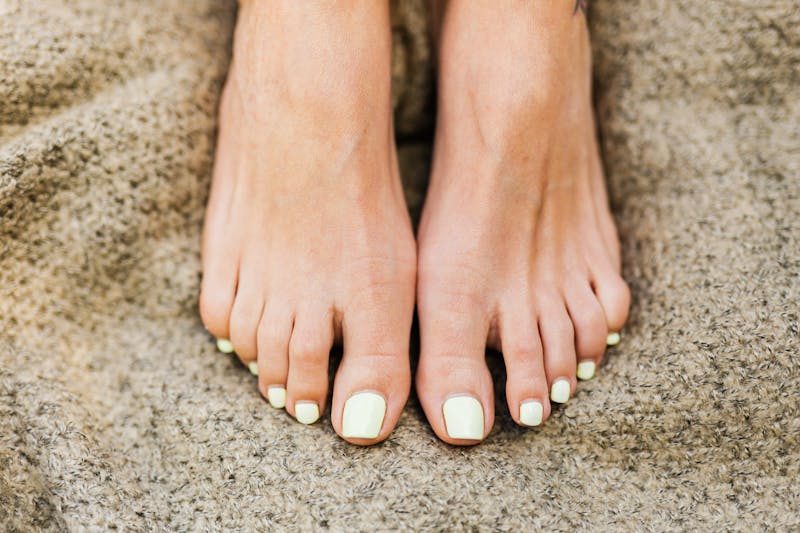
Nail fungus usually takes a long time to improve, even with medical treatment.
This happens because:
- nails grow slowly
- fungi can live deep under the nail
- reinfection is common
If garlic helps, visible improvement may still take weeks or months.
Severe nail fungus often requires stronger treatment than home remedies alone.
Can Garlic Help Nail Growth After Fungus?
Fungal infections can damage nails and slow healthy nail growth. Nails may become:
- thick
- brittle
- yellow
- cracked
Once the infection improves, healthy nail growth gradually returns as the damaged nail grows out.
Garlic contains antioxidants and sulfur compounds that may help support overall nail health, especially when included as part of a balanced diet. However, there is no strong evidence that garlic directly speeds up nail growth.
The most important step is controlling the fungal infection and preventing it from coming back.
Is Raw Garlic Better for Nail Fungus?
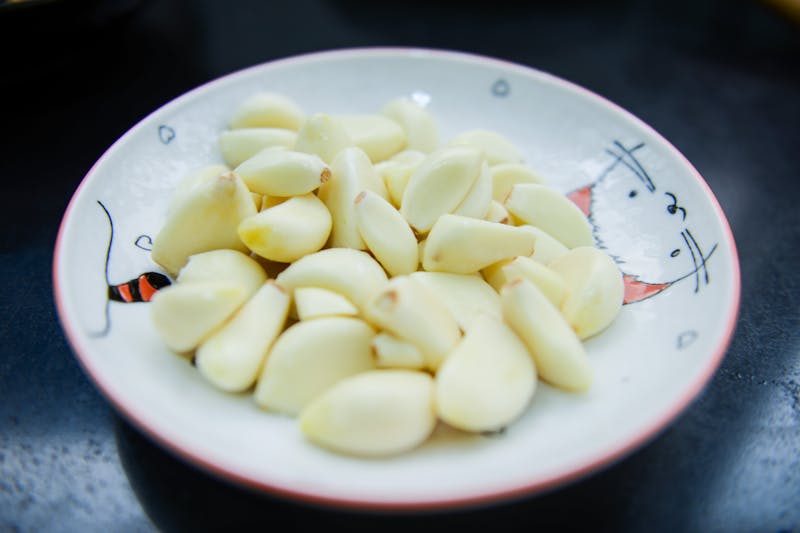
Raw garlic is generally considered stronger because it contains more active allicin.
Cooking garlic reduces some of these compounds through heat exposure.
Because of this, people using garlic remedies for nail fungus often prefer:
- crushed raw garlic
- garlic oil
- fresh garlic preparations
Still, stronger does not always mean better. Raw garlic may irritate the surrounding skin if overused.
Risks of Using Garlic on Nails
Garlic is natural, but that does not mean it is risk-free.
Possible side effects include:
- skin irritation
- redness
- burning sensation
- allergic reactions
Applying raw garlic directly to the skin for long periods may sometimes cause burns.
People with sensitive skin should be especially careful.
Why Nail Fungus Keeps Coming Back
Toenail fungus is known for recurring, even after treatment.
This happens because fungi thrive in:
- warm environments
- moist shoes and socks
- public locker rooms
- sweaty feet
If the environment that allowed fungal growth does not change, reinfection becomes more likely.
How to Prevent Nail Fungus Naturally

Preventing fungal infections is often easier than treating advanced nail fungus.
Keep feet clean and dry
Fungi grow best in warm and moist conditions.
To reduce risk:
- dry feet carefully after showering
- change socks regularly
- wear breathable shoes
- avoid staying in sweaty footwear for long periods
Avoid spreading fungi
Good hygiene matters.
It helps to:
- avoid sharing nail clippers or towels
- disinfect nail tools regularly
- wear sandals in public showers or pools
Support the immune system
A weakened immune system may make fungal infections more likely.
Long-term immune support includes:
- balanced nutrition
- enough sleep
- stress management
- avoiding nutrient deficiencies
Garlic may help support immune health as part of a healthy diet, though it is not a substitute for proper treatment.
Scientific Research on Garlic and Nail Fungus
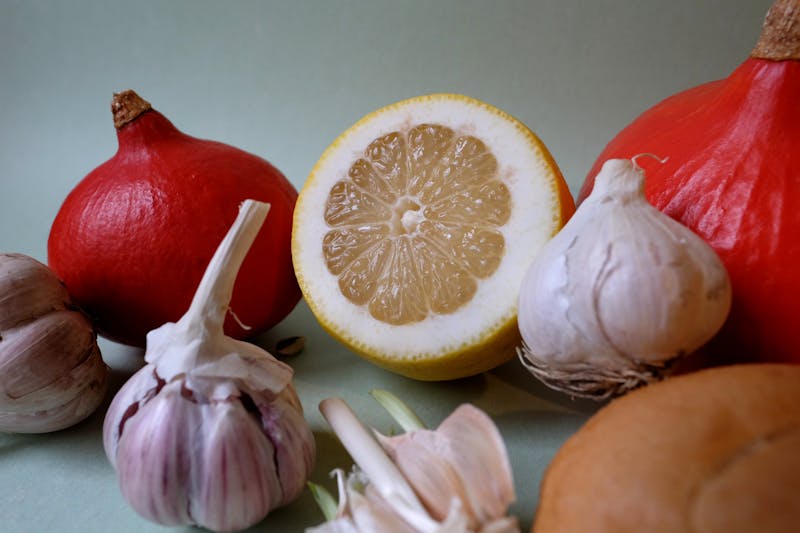
Research on garlic’s antifungal effects is promising but still limited in humans.
A study published in PubMed found that ajoene, a sulfur compound from garlic, showed antifungal activity against fungi linked to athlete’s foot and nail infections.
Other laboratory studies suggest allicin may interfere with fungal growth and damage fungal cells.
However, more high-quality human studies are still needed to determine how effective garlic truly is for nail fungus treatment.
When to See a Doctor
Home remedies may not be enough if:
- the nail becomes painful
- the infection spreads
- multiple nails are affected
- the nail becomes severely thickened
- there is no improvement over time
People with diabetes or weakened immunity should be especially careful with nail infections.
Quick Summary
| Question | Answer |
|---|---|
| Is garlic good for nail fungus? | It may help in mild cases |
| Does garlic kill nail fungus? | It may slow fungal growth |
| Is raw garlic stronger? | Yes, because of allicin |
| Can garlic burn skin? | Yes, if overused |
| Can nail fungus come back? | Yes, reinfection is common |
You May Also Like
FAQ ( Frequently Asked Questions )
Does garlic kill nail fungus?
Garlic may help inhibit fungal growth because of compounds like allicin and ajoene, but results vary.
How do you use garlic for toenail fungus?
People use crushed garlic, garlic oil, or include garlic regularly in the diet.
Is garlic good for nail growth?
Garlic may support nail health indirectly, but there is no strong evidence that it directly speeds up nail growth.
Can raw garlic burn the skin?
Yes. Leaving raw garlic on the skin too long may cause irritation or burns.
Why does toenail fungus keep coming back?
Moisture, poor hygiene, sweaty shoes, and weakened immunity may increase the risk of recurrence.
Sources
- PubMed – Studies on garlic compounds and antifungal activity
- National Center for Biotechnology Information – Research on allicin and ajoene
- Mayo Clinic – Toenail fungus symptoms and treatment
- Cleveland Clinic – Nail fungus causes and prevention
- American Academy of Dermatology – Fungal nail infection care and hygiene
- National Institutes of Health – Nutrition, immunity, and infection prevention