
Garlic may repel mosquitoes in certain forms, but eating garlic has not been shown to reliably keep mosquitoes away. The strongest evidence comes from laboratory and experimental studies using garlic oil or concentrated garlic compounds, not from simply eating fresh garlic or planting garlic in your garden.
That distinction matters. Garlic, garlic oil, garlic spray, garlic supplements, and garlic plants are not interchangeable, and research on one form does not automatically apply to another.
There is also a difference between a substance that makes mosquitoes less likely to approach or bite and one that actually kills mosquitoes or their larvae.
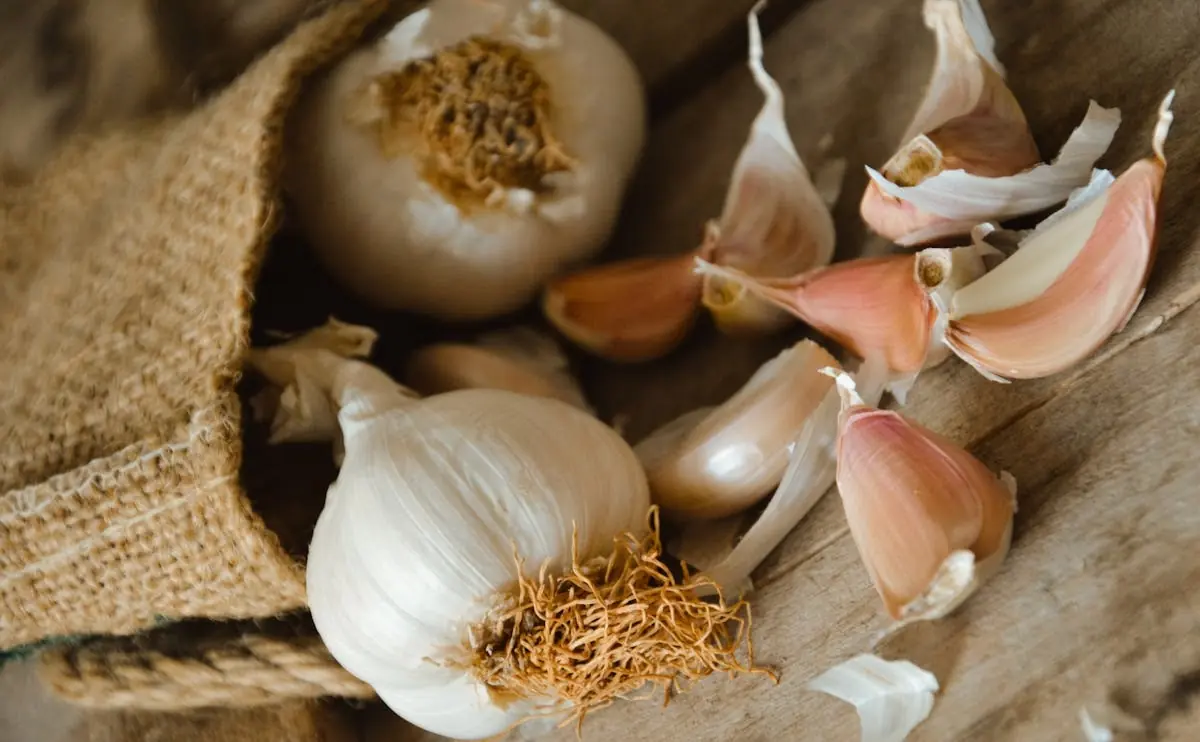
If you want to learn more about garlic, its nutrients, sulfur compounds, and the differences between fresh, cooked, and processed garlic, see our complete guide to Garlic: Nutrition, Health Benefits and Bioactive Compounds
Does Garlic Repel Mosquitoes?
Garlic contains sulfur-containing compounds that can affect mosquito behavior. Some laboratory studies have found that garlic oil and individual garlic compounds can repel mosquitoes, while other research has found insecticidal effects.
But this does not mean that garlic is a reliable mosquito repellent in everyday use.
The evidence is much weaker for:
- eating raw or cooked garlic,
- taking garlic pills or tablets,
- keeping fresh garlic near windows or outdoors,
- and simply growing garlic in the garden.
The form of garlic matters because the concentration and composition of its active compounds can change considerably.
So if the question is “Does garlic repel mosquitoes?”, the most accurate answer is: some garlic preparations can, but ordinary garlic consumption has not been shown to provide dependable protection from mosquito bites.
Garlic’s mosquito-related activity is largely connected with its sulfur-containing compounds. For a closer look at these compounds, see our guide to Bioactive Compounds in Garlic
What Does the Research Say About Garlic and Mosquitoes?
There are several interesting studies, but they do not all investigate the same thing.
One of the most useful studies for answering the question about eating garlic was published in Medical and Veterinary Entomology in 2005. Researchers conducted a randomized, double-blind, placebo-controlled crossover study in which participants consumed garlic on one occasion and a placebo on another before being exposed to laboratory-reared Aedes aegypti mosquitoes.
The researchers looked at mosquito feeding, the number of bites, and the amount of blood consumed.
They found no significant evidence of systemic mosquito repellency from garlic consumption. The authors noted that a longer period of garlic consumption might have produced a different result, but the study did not support the common claim that eating garlic reliably prevents mosquito bites.
That is an important result because it separates a popular claim from what has actually been demonstrated in humans.
What about garlic oil?
The evidence becomes more interesting when researchers use garlic oil instead of dietary garlic.
A 2022 study published in Industrial Crops and Products tested garlic oil against different life stages of Aedes aegypti. The researchers found activity against eggs, larvae, pupae, and adult mosquitoes. They also reported spatial repellency against adult mosquitoes and activity in simulated field conditions.
This does not prove that any garlic oil spray will work in your yard. The researchers used characterized garlic oils under controlled experimental conditions.
Still, it provides much stronger evidence for mosquito-related activity from concentrated garlic preparations than we have for simply eating garlic.
Does Eating Garlic Repel Mosquitoes?
Probably not in any reliable or predictable way.
The idea is easy to understand: garlic has a strong odor, so perhaps eating it changes the smell of your skin and makes you less attractive to mosquitoes.
But the human evidence does not support that conclusion.
The 2005 randomized trial found no significant systemic repellency after garlic consumption.
This means you should not rely on eating garlic before spending an evening outside.
That applies to different forms of dietary garlic as well:
- raw garlic,
- cooked garlic,
- garlic in food,
- garlic supplements,
- garlic pills,
- and garlic tablets.
There is currently no good evidence that taking garlic capsules or tablets provides dependable protection against mosquito bites.
What about garlic pills for mosquitoes?
Garlic supplements are sometimes marketed or discussed as a natural way to repel insects.
However, a garlic capsule is not the same thing as applying garlic oil to an area where mosquitoes are present.
The concentration, compounds, absorption, and route of exposure are all different.
Until controlled human studies show that garlic supplements meaningfully reduce mosquito bites, they should not be considered a substitute for an established mosquito repellent.
Does Garlic Oil Repel Mosquitoes?
Garlic oil has more promising evidence than eating garlic.
Garlic oil contains concentrated sulfur-containing compounds, including various diallyl polysulfides. These compounds can interact with mosquito sensory systems and may contribute to both repellency and insecticidal activity.
A 2011 laboratory study tested garlic essential oil and several other plant oils against Aedes aegypti and Anopheles dirus. The garlic oil was applied to volunteers’ forearms as part of the laboratory repellency tests. The study found that all of the tested herbal repellents provided some period of protection, although the authors concluded that lemongrass oil and an eucalyptus-sweet basil combination were the most effective in their experiment.
So garlic oil showed activity, but it was not necessarily the best-performing natural oil in that study.
Another study examined how individual compounds in garlic oil affect Aedes aegypti. Female mosquitoes responded to several sulfur-containing compounds in garlic oil, providing evidence that mosquitoes can detect and respond to these chemicals.
Garlic oil is not the same as fresh garlic
This distinction is important.
Fresh garlic contains many compounds, but its chemical profile changes when garlic is crushed, heated, processed, or extracted.
Garlic essential oil is a concentrated preparation with a very different composition from a garlic clove.
Therefore:
Research on garlic oil ≠ proof that fresh garlic repels mosquitoes.
That is one of the most important points to keep in mind when interpreting this research.
Does Garlic Spray Repel Mosquitoes?
Garlic-based sprays can have mosquito-repellent potential, particularly when they contain a concentrated garlic extract or garlic oil.
But “garlic spray” can mean many different things.
A commercial garlic-based mosquito product may contain a standardized amount of garlic-derived compounds. A homemade spray might simply contain crushed garlic soaked in water.
Those two products should not be treated as equivalent.
Does homemade garlic spray work?
A homemade garlic spray may produce a strong odor and may affect insects, but there is not enough evidence to say that a simple garlic-water spray provides reliable mosquito protection.
This is especially important because garlic compounds can break down or change over time.
A recipe made from:
- crushed garlic,
- water,
- and perhaps a small amount of oil
does not necessarily reproduce the concentration or formulation used in laboratory research.
So garlic mosquito spray homemade is an interesting idea, but it should not be presented as a proven mosquito-control method.
Can Garlic Keep Mosquitoes Away From Your Yard?
This is more complicated than simply saying yes or no.
Some research suggests that concentrated garlic preparations can affect mosquito behavior outdoors.
For example, a 2015 field study tested an attractive toxic sugar bait containing microencapsulated garlic oil against Aedes albopictus. The treatment was associated with a substantial reduction in mosquito landing activity at the treated site over the following weeks.
That sounds impressive, but there is an important detail:
The researchers were not simply spraying garlic around a garden.
They used a specially formulated attractive toxic sugar bait containing microencapsulated garlic oil.
That is very different from planting garlic around your patio or spraying diluted garlic water on the grass.
What about a garlic mosquito barrier?
The evidence is not strong enough to say that garlic plants create a dependable mosquito barrier.
Growing garlic in your garden may be useful for cooking, but there is no good evidence that a few garlic plants will keep mosquitoes away from the entire area.
Likewise, putting garlic cloves around a patio is not an established method of mosquito control.
Concentrated garlic formulations are a different matter and have been studied experimentally.
Do Mosquitoes Hate Garlic?
It is better not to think of this as mosquitoes simply “hating” garlic.
Mosquitoes respond to specific chemical compounds, concentrations, and combinations of odors.
Some compounds found in garlic oil can affect mosquito behavior. A 2011 study identified several sulfur-containing garlic oil compounds that triggered responses from the antennae of female Aedes aegypti and were investigated for their ability to repel host-seeking mosquitoes.
So “do mosquitoes hate garlic?” is an oversimplification.
A more accurate statement is:
Some compounds associated with garlic can interfere with mosquito behavior, but the effect depends on the compound, concentration, formulation, mosquito species, and method of exposure.
That is also why a garlic clove sitting on a table is not equivalent to a concentrated garlic-oil formulation.
Can Garlic Kill Mosquitoes?
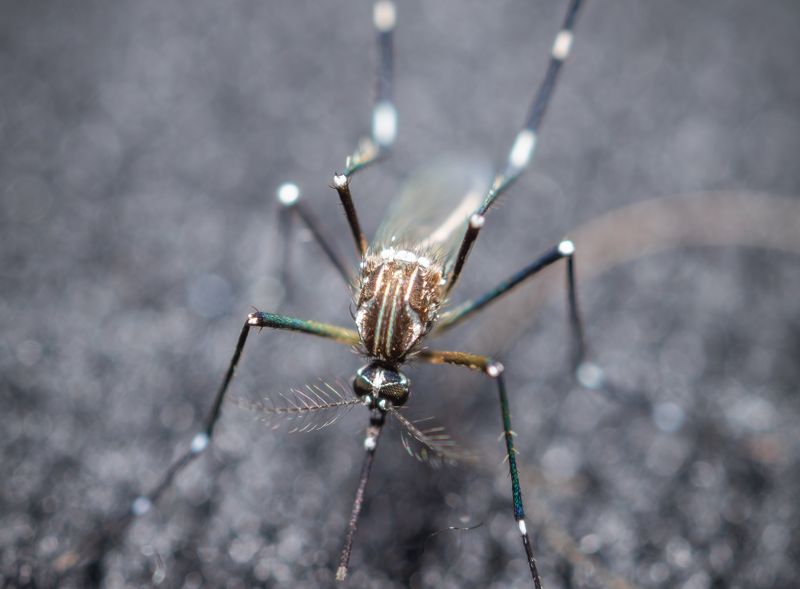
Yes, garlic-derived preparations can have insecticidal activity against mosquitoes in laboratory and experimental settings.
This is different from repellency.
A repellent makes mosquitoes less likely to approach or bite. An insecticide kills or harms the insect.
The 2022 garlic-oil study is particularly interesting because researchers tested several life stages of Aedes aegypti. Garlic oil showed ovicidal, larvicidal, pupicidal, adulticidal, and repellent activity. The study also found that garlic oil remained active in simulated field trials.
Other research has also found that garlic essential oil can be toxic to mosquito eggs and larvae. One study involving West Nile virus vectors found strong ovicidal and larvicidal activity from garlic essential oil, with allyl disulfide identified as an important contributor to the effect.
These results are interesting for mosquito-control research.
They do not, however, mean that spraying ordinary garlic water around your home will eliminate mosquitoes.
Garlic vs. Other Natural Mosquito Repellents
Garlic is only one of many plants that have been investigated for mosquito control.
The evidence varies considerably between plants and preparations.
| Natural ingredient | What the research suggests |
|---|---|
| Garlic oil | Repellent and insecticidal activity in laboratory studies |
| Citronella | Well-studied plant-based mosquito repellent |
| Lemongrass oil | Repellent activity in laboratory studies |
| Eucalyptus oils | Some mosquito-repellent activity, depending on the oil |
| Lemon balm | Some evidence for mosquito-repellent activity, particularly with concentrated preparations |
| Fresh garlic | Not established as a reliable mosquito repellent |
The same rule applies here: a study on an essential oil does not automatically prove that the whole plant works in the same way.
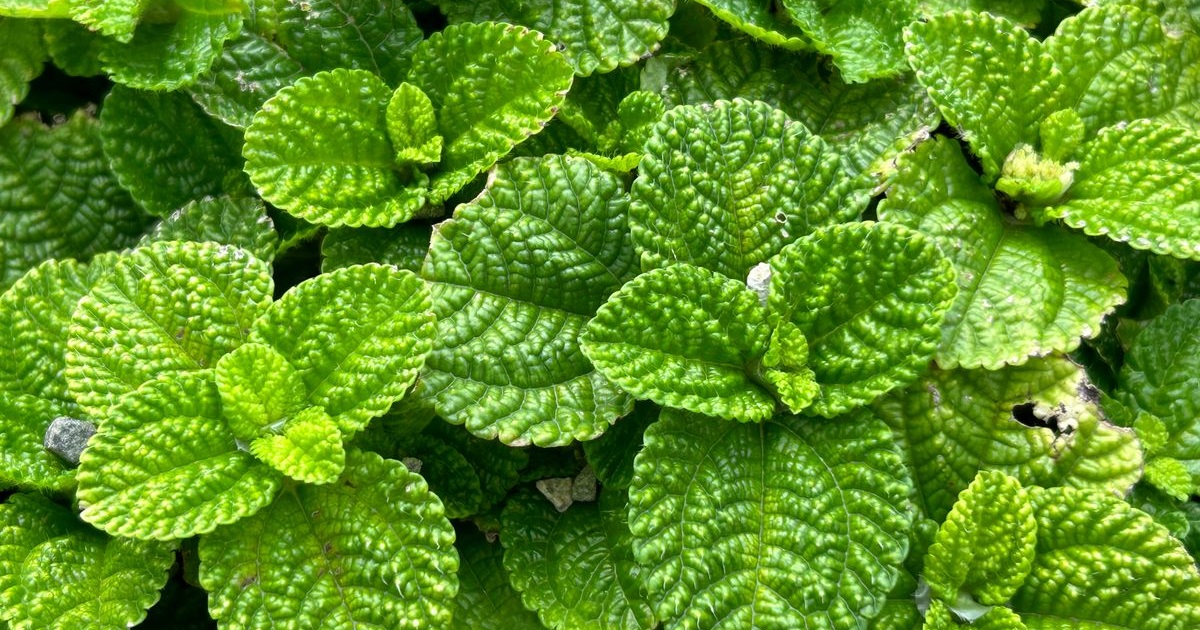
This is also why it is useful to compare garlic with lemon balm rather than simply calling both plants “natural mosquito repellents.” Our guide Does Lemon Balm Repel Mosquitoes? Fresh Leaves, Oil, and the Plant Explained looks at the evidence for fresh lemon balm, its essential oil, and the plant itself.
Is Garlic a Reliable Mosquito Repellent?
If by garlic you mean eating garlic or keeping fresh garlic nearby, no. There is not enough evidence to consider either approach a reliable mosquito repellent.
If you mean concentrated garlic oil or a properly formulated garlic-based product, the answer is more interesting.
Research has demonstrated:
- mosquito repellency,
- altered mosquito behavior,
- effects on mosquito eggs,
- larvicidal activity,
- pupicidal activity,
- and adulticidal activity
from certain garlic-derived preparations.
But many of these studies were conducted in laboratories or specially designed outdoor experiments.
That is very different from proving that a homemade garlic spray will protect a person sitting outside for several hours.
What About Garlic Water for Mosquitoes?
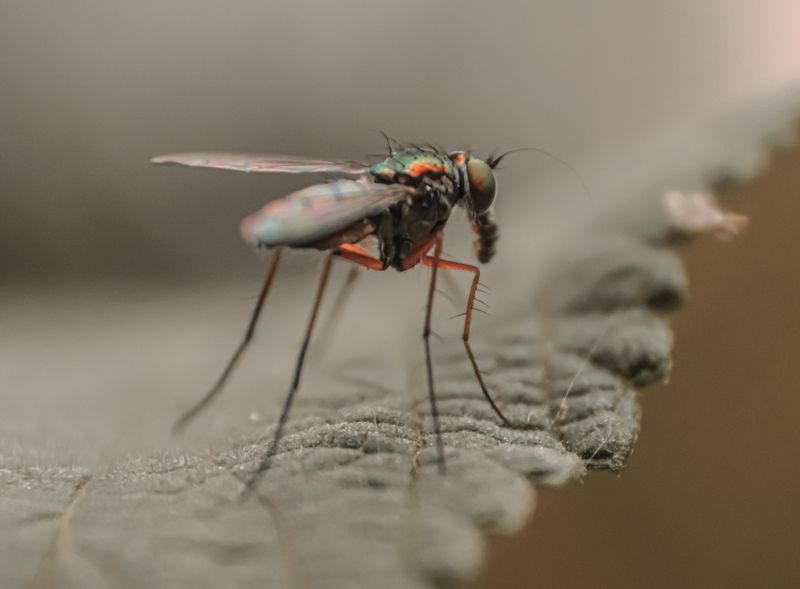
Garlic water is often suggested as a simple natural mosquito spray.
The problem is that garlic water is not a standardized preparation.
The amount of garlic compounds extracted into the water depends on:
- how much garlic is used,
- whether the cloves are crushed,
- how long they are soaked,
- temperature,
- and how the mixture is stored.
There is therefore no established concentration at which homemade garlic water can be expected to work reliably against mosquitoes.
It may have some insecticidal or repellent activity, but the available research does not justify treating homemade garlic water as a proven mosquito-control method.
Does Garlic Help With Mosquito Bites?
There is a difference between preventing mosquito bites and treating a bite that has already happened.
Garlic has been investigated for insecticidal and repellent properties, but that does not establish garlic as a treatment for the itching or inflammation caused by a mosquito bite.
I would therefore avoid applying concentrated garlic or garlic essential oil directly to a bite or damaged skin. Garlic preparations can irritate the skin, especially at higher concentrations.
If the goal is simply to avoid mosquito bites, a tested topical repellent and physical protection such as long sleeves and screens are much more predictable approaches.
Readers Also Enjoyed
Frequently Asked Questions
Does garlic repel mosquitoes?
Some garlic-derived preparations, particularly garlic oil, have shown mosquito-repellent activity in laboratory studies. Eating garlic has not been shown to reliably repel mosquitoes.
Does eating garlic keep mosquitoes away?
A randomized, placebo-controlled human study found no significant evidence that eating garlic provided systemic mosquito repellency.
Does garlic oil repel mosquitoes?
Garlic oil has shown repellent activity against mosquitoes in laboratory studies. Its effects are not necessarily equivalent to those of fresh garlic or garlic supplements.
Does garlic spray work for mosquitoes?
Some garlic-based sprays or concentrated formulations may affect mosquitoes, but homemade garlic-water sprays have not been shown to provide reliable protection.
Do mosquitoes hate garlic?
Not exactly. Mosquitoes can detect several sulfur-containing compounds associated with garlic, and some of these compounds can alter mosquito behavior.
Do garlic pills repel mosquitoes?
There is not enough evidence to say that garlic pills reliably prevent mosquito bites. The human study of ingested garlic did not find significant systemic repellency.
Summary
Garlic does have mosquito-repellent and insecticidal potential, but the form of garlic matters.
Eating garlic has not been shown to reliably prevent mosquito bites. Garlic pills and tablets are also not established mosquito repellents.
The more promising evidence involves garlic oil and concentrated garlic-derived compounds, which have demonstrated repellent and insecticidal activity in laboratory studies and some experimental field applications.
So the simplest way to interpret the research is:
- Eating garlic: not proven to repel mosquitoes.
- Garlic supplements: not proven to prevent mosquito bites.
- Fresh garlic: not a reliable mosquito barrier.
- Garlic water: possible insect activity, but evidence is limited.
- Garlic oil: promising experimental evidence for repellency and insecticidal activity.
- Formulated garlic products: may work, but effectiveness depends on the formulation and concentration.
Garlic is therefore an interesting subject in mosquito-control research, but it is not accurate to say that simply eating garlic or placing garlic around your home will keep mosquitoes away.
Sources
- Rajan TV, Hein M, Porte P, Wikel S. A double-blinded, placebo-controlled trial of garlic as a mosquito repellant: a preliminary study. Medical and Veterinary Entomology. 2005;19(1):84–89.
- Dusi RG, Morais LS, Magalhães NMG, et al. Potential of garlic oil as a biopesticide against all Aedes aegypti life stages. Industrial Crops and Products. 2022;181:114780.
- Campbell EM, et al. Organosulphur constituents in garlic oil elicit antennal and behavioural responses from the yellow fever mosquito. Journal of Applied Entomology. 2011.
- Sritabutra D, Soonwera M, Waltanachanobon S, Poungjai S. Evaluation of herbal essential oil as repellents against Aedes aegypti and Anopheles dirus. Asian Pacific Journal of Tropical Biomedicine. 2011;1(Suppl.):S124–S128.
- Kaufman PE, et al. Efficacy of attractive toxic sugar baits with garlic oil against Aedes albopictus. Acta Tropica. 2015;152:195–200.
- Ovicidal and Larvicidal Effects of Garlic and Asafoetida Essential Oils Against West Nile Virus Vectors. Journal of Medical Entomology.
- Efficacy of Active Ingredients From the EPA 25(B) List in Reducing Attraction of Aedes aegypti to Humans. Journal of Medical Entomology. 2020.
Pingback: Garlic Nutrition, Health Benefits & Bioactive Compounds
Pingback: Does Lemon Balm Repel Mosquitoes? Fresh Leaves & Oil