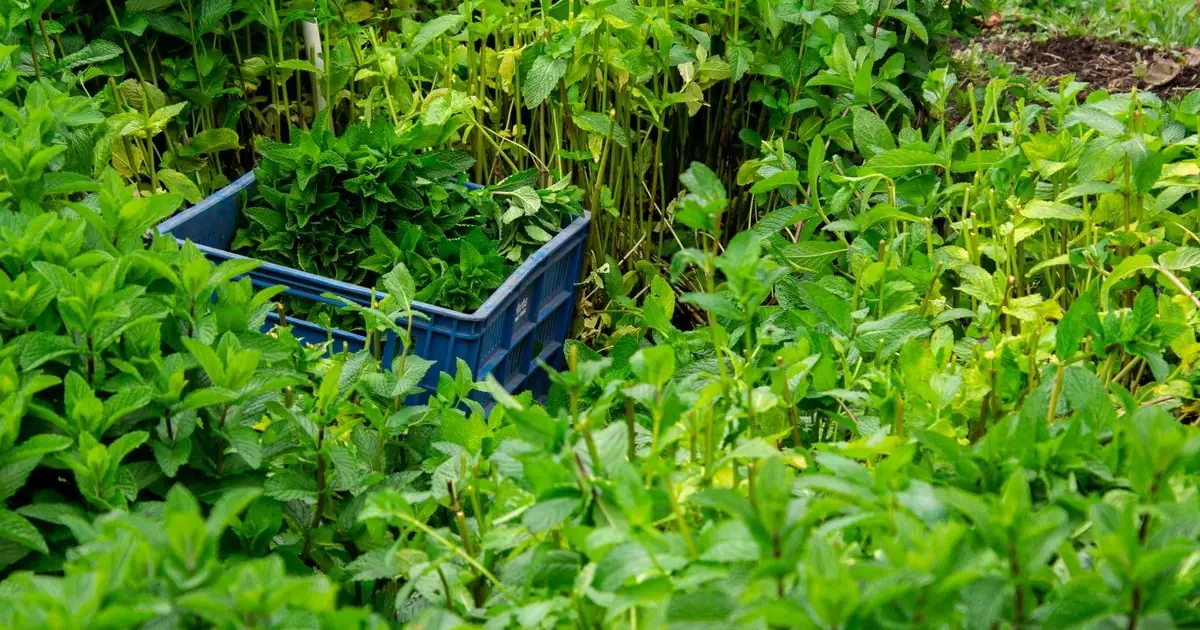
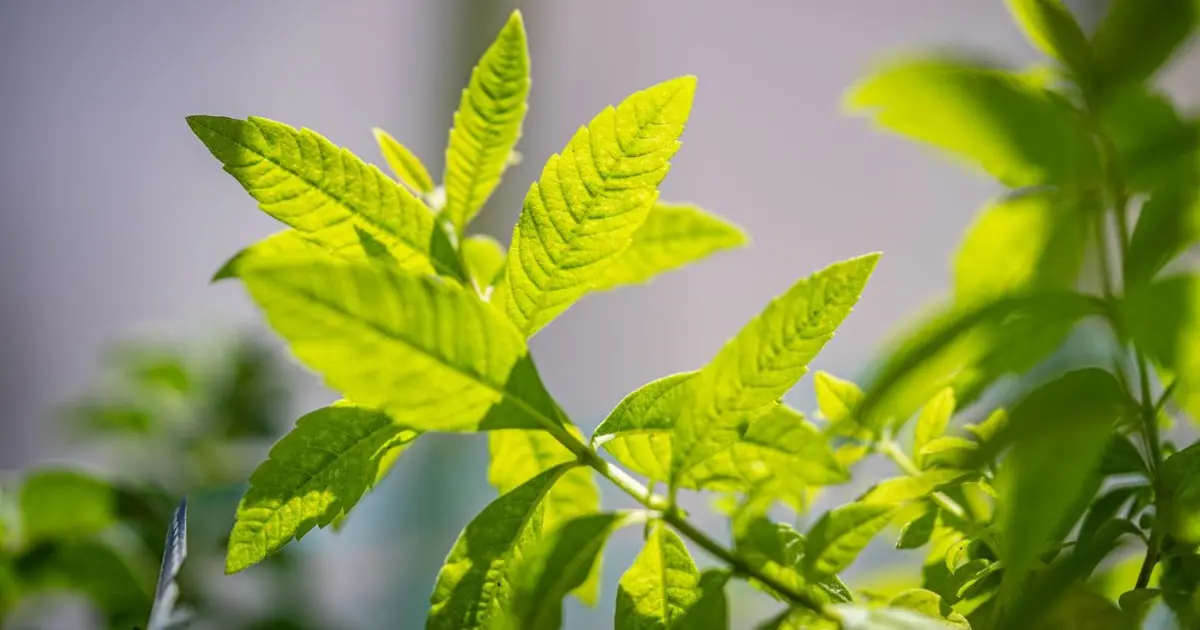
The best time to harvest lemon balm is just before it begins to flower, preferably in the morning after the dew has dried. At this stage, the leaves are usually at their most aromatic and contain high levels of volatile essential oils responsible for the plant’s characteristic lemon scent. Harvesting at the right time not only improves flavor but also helps the plant produce fresh new growth throughout the season.
Whether you grow lemon balm in a garden or in a pot, knowing when and how to harvest it makes a noticeable difference. Leaves picked too late may lose some of their delicate aroma, while proper harvesting encourages the plant to become bushier and produce multiple harvests during the growing season.
If you’re growing your own plants, be sure to read our guide: How to Grow Lemon Balm: From Seed to Harvest (Indoors, Pots, and Garden).
Why Does Harvest Timing Matter?
Harvest timing affects much more than appearance.
The amount of volatile essential oils, the intensity of the lemon aroma, leaf tenderness, and overall culinary quality all change as the plant develops.
Fresh lemon balm contains valuable compounds such as:
- citronellal,
- citral (neral and geranial),
- geraniol,
- linalool,
- rosmarinic acid,
- flavonoids,
- and various polyphenols.
These compounds contribute not only to the characteristic fragrance but also to many of the traditional uses of lemon balm.
Although environmental conditions, genetics, and climate influence the exact composition, many horticultural and phytochemical studies have found that leaves harvested before or around the beginning of flowering generally provide the best balance between yield and aromatic quality.
When Is the Best Time to Harvest Lemon Balm?
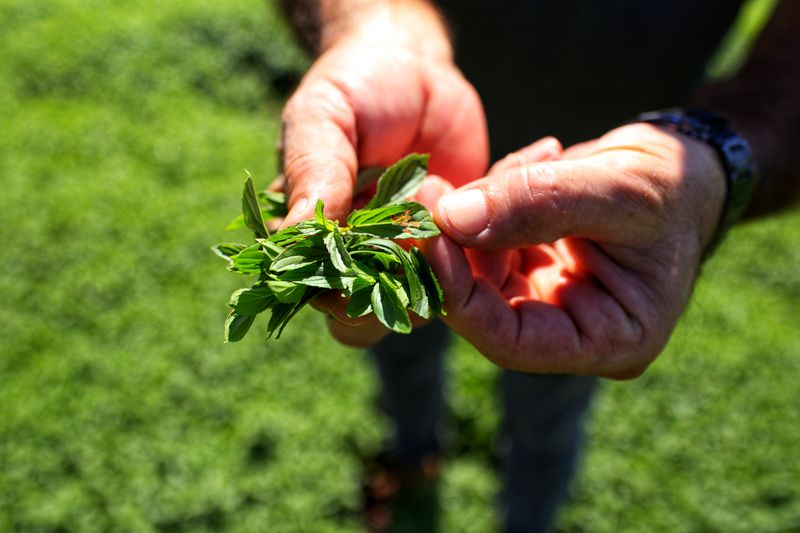
For most gardeners, the ideal harvest comes when:
- the plant is 20–30 cm (8–12 inches) tall,
- it has produced plenty of healthy green leaves,
- flower buds have not fully opened yet,
- stems remain soft and vigorous.
This is often the stage when the leaves have their freshest aroma.
Waiting too long usually results in tougher leaves and a milder fragrance.
Should You Harvest Lemon Balm Before or After Flowering?
Before flowering is generally the best time.
As flowering begins, the plant gradually shifts more of its energy toward producing flowers and seeds.
Although the leaves remain perfectly usable, many gardeners notice that:
- the aroma becomes less intense,
- leaves become slightly coarser,
- flavor is less fresh,
- stems become woodier.
This doesn’t mean flowering ruins the plant—it simply means the quality of the leaves may gradually decline.
For tea, cooking, and drying, harvesting shortly before flowering is usually recommended.
Can You Harvest Lemon Balm After It Starts Flowering?
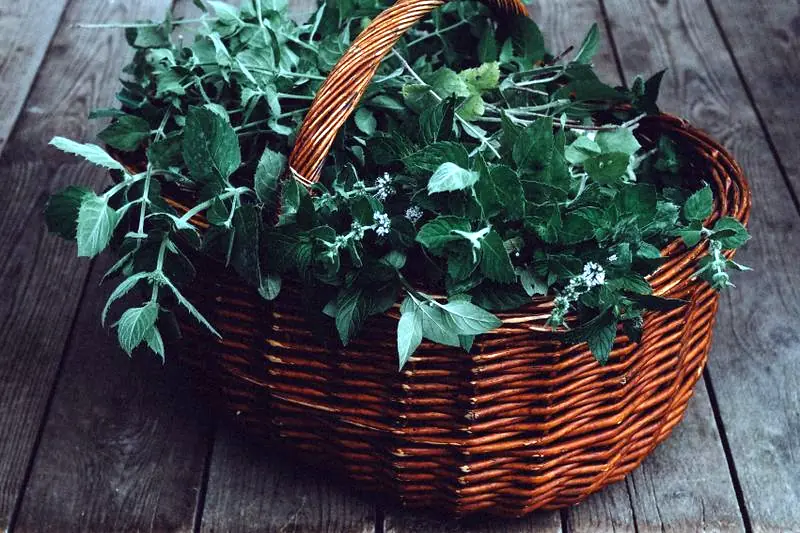
Absolutely.
Flowering does not make lemon balm unsafe or unusable.
In fact, many gardeners continue harvesting throughout summer.
However, expect:
- a slightly milder aroma,
- fewer volatile oils,
- tougher leaves,
- stronger stems.
If your plant has already flowered, simply cut it back correctly. It will usually produce fresh, tender shoots that are ideal for another harvest.
Should You Remove Lemon Balm Flowers?
In most home gardens, yes.
Removing flower stalks has several advantages:
- encourages new leafy growth,
- delays seed production,
- keeps the plant compact,
- often improves leaf quality,
- extends the harvesting season.
If your goal is to produce aromatic leaves rather than collect seeds, removing flower spikes is usually worthwhile.
On the other hand, if you want to attract bees and other pollinators, allowing some flowers to bloom is an excellent idea. Lemon balm flowers are highly attractive to beneficial insects.
Many gardeners leave a few flowering stems for pollinators while harvesting the rest of the plant regularly.
What Time of Day Should You Harvest Lemon Balm?
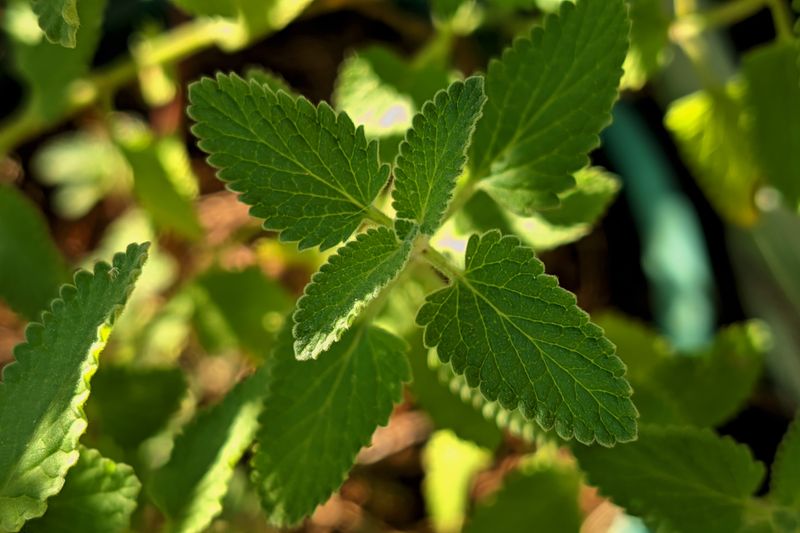
Morning is usually the best time.
Harvest after:
- the dew has completely dried,
- but before the strong afternoon sun.
At this time:
- leaves are well hydrated,
- essential oils are abundant,
- temperatures are lower,
- leaves are less likely to wilt.
Avoid harvesting during the hottest part of the day whenever possible.
Does Weather Affect Harvest Quality?
Yes.
The weather has a surprisingly large influence on leaf quality.
For the best harvest:
✔ choose a dry day
✔ harvest after morning dew has evaporated
✔ avoid harvesting immediately after heavy rain
✔ avoid harvesting wilted plants during extreme heat
Excess moisture can reduce drying quality and increase the risk of mold during storage.
When Does Lemon Balm Contain the Most Essential Oils?
This is one of the questions gardeners ask most often.
The exact concentration varies depending on:
- growing conditions,
- sunlight,
- temperature,
- soil fertility,
- plant variety,
- stage of growth.
Research suggests that lemon balm generally produces high concentrations of essential oils during active vegetative growth and around the early flowering stage.
Fresh leaves harvested before full bloom are widely considered the best choice for preserving their characteristic lemon fragrance.
Because essential oils are volatile, they begin evaporating as soon as leaves are exposed to prolonged heat, sunlight, or improper drying.
This is one reason why fresh lemon balm is especially valued for salads, cold drinks, and recipes where the leaves are not cooked.
Learn more in our article:
Fresh vs Dried Lemon Balm: Differences in Aroma, Benefits, and Uses.
How to Harvest Lemon Balm Without Damaging the Plant
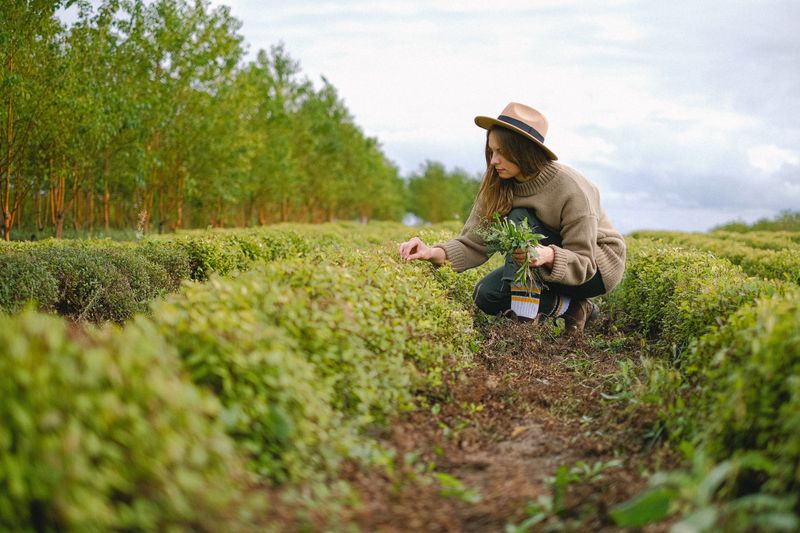
Harvesting correctly is just as important as harvesting at the right time.
Instead of pulling leaves by hand:
- use clean scissors,
- pruning shears,
- or sharp garden snips.
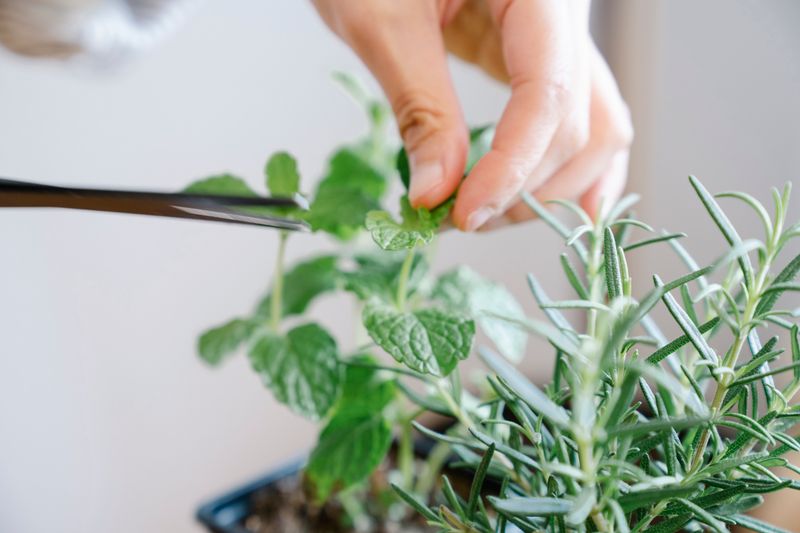
Cut stems just above a pair of healthy leaves.
This encourages dormant buds to produce new branches.
Avoid tearing stems, as damaged tissue heals more slowly.
How Much Lemon Balm Can You Cut?
A good rule is:
Never remove more than one-third of the plant during a single harvest.
Large, established plants tolerate heavier harvesting, but leaving plenty of healthy foliage allows the plant to recover quickly.
Young plants should be harvested more conservatively.
Does Lemon Balm Grow Back After Cutting?
Yes.
In fact, lemon balm responds remarkably well to regular harvesting.
Proper cutting often results in:
- bushier growth,
- more side shoots,
- denser foliage,
- increased future harvests.
Many gardeners notice that regularly harvested plants actually become healthier than neglected ones.
How Many Times Can You Harvest Lemon Balm in One Season?
Under good growing conditions, lemon balm can often be harvested:
3–5 times during one growing season.
In warmer climates with a long growing season, even more harvests may be possible.
Each new flush of growth provides another opportunity to collect tender leaves.
When to Harvest Lemon Balm for Tea
If you grow lemon balm primarily for herbal tea, harvest:
- shortly before flowering,
- during dry weather,
- in the morning,
- using healthy young leaves.
These leaves usually provide the richest aroma after drying.
When to Harvest Lemon Balm for Drying
Timing matters even more when drying herbs.
Harvest when:
- leaves are fully developed,
- flower buds are just forming,
- weather is dry,
- plants are healthy.
Proper harvesting is only half the process.
Correct drying is equally important because excessive heat and crushed leaves can lead to the loss of aromatic oils.
Read our guide:
How to Dry Lemon Balm Properly Without Losing Aroma and Essential Oils.
When to Harvest Lemon Balm for Fresh Use
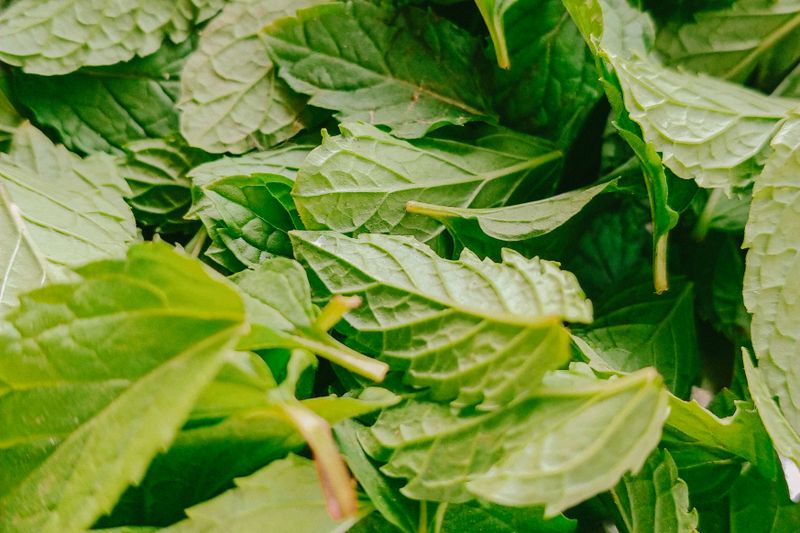
Fresh lemon balm can be harvested almost anytime during active growth.
For salads, smoothies, desserts, and cold drinks, choose:
- young leaves,
- bright green shoots,
- tender stems.
Fresh leaves generally offer the strongest aroma and the highest levels of volatile essential oils because they have not been exposed to drying or prolonged storage.
If you’re looking for culinary inspiration, see:
What Does Lemon Balm Taste Like? Flavor, Aroma, and How to Use It in Cooking.
Signs Your Lemon Balm Is Ready to Harvest
Your plant is usually ready when it has:
- vigorous green growth,
- several pairs of mature leaves,
- healthy stems,
- no signs of disease,
- well-developed side shoots.
Avoid harvesting very small seedlings.
Giving young plants extra time helps establish stronger roots.
Common Harvesting Mistakes
Waiting Too Long
Fully mature flowering plants often produce leaves with a milder aroma.
Pulling Leaves by Hand
This can damage stems and slow regrowth.
Harvesting Wet Leaves
Moisture increases the risk of spoilage during drying.
Cutting Too Much
Removing most of the plant at once weakens future growth.
Drying the Harvest Incorrectly
Even perfectly harvested lemon balm can lose much of its aroma if dried in direct sunlight or crushed into small pieces before storage.
Whole leaves retain their essential oils much better than finely broken herbs.
What Should You Do After Harvesting?
Use fresh leaves immediately whenever possible.
If you have a large harvest, you can:
- dry the leaves,
- freeze them,
- prepare herbal oil infusions,
- make herb butter,
- add them to homemade tea blends.
Fresh lemon balm remains the gold standard for flavor because it naturally contains the richest aroma and the highest concentration of volatile essential oils.
Readers Also Enjoyed
Frequently Asked Questions
When is the best time to harvest lemon balm?
Just before flowering, preferably in the morning after the dew has dried.
Can you harvest lemon balm after it flowers?
Yes. The leaves remain usable, although they may be slightly less aromatic.
Should you cut off lemon balm flowers?
If your goal is to harvest leaves, removing flowers usually encourages fresh leafy growth. If you want to support bees and other pollinators, leave some flowers to bloom.
How many times can you harvest lemon balm?
Most healthy plants can be harvested three to five times during a growing season.
Does lemon balm grow back after harvesting?
Yes. Regular cutting encourages bushier growth and repeated harvests.
What time of day should you harvest lemon balm?
Morning, after the dew has dried but before the afternoon heat.
Is fresh lemon balm better than dried?
Fresh lemon balm generally has a stronger aroma and retains the highest concentration of volatile essential oils. Dried lemon balm is still excellent for herbal tea when it has been harvested and dried properly.
Sources
- European Medicines Agency (EMA). Melissa officinalis Herbal Monograph.
- Royal Horticultural Society (RHS).
- Missouri Botanical Garden.
- National Center for Complementary and Integrative Health (NCCIH).
- PubMed (studies on Melissa officinalis essential oil composition and harvest stage).
- Industrial Crops and Products.
- Journal of Essential Oil Research.
- Molecules.
- Journal of Applied Research on Medicinal and Aromatic Plants.
Pingback: Lemon Balm vs Lemongrass: What's the Difference and Which Should You Choose?